Black Friday scams: the shoppers most likely to get caught out
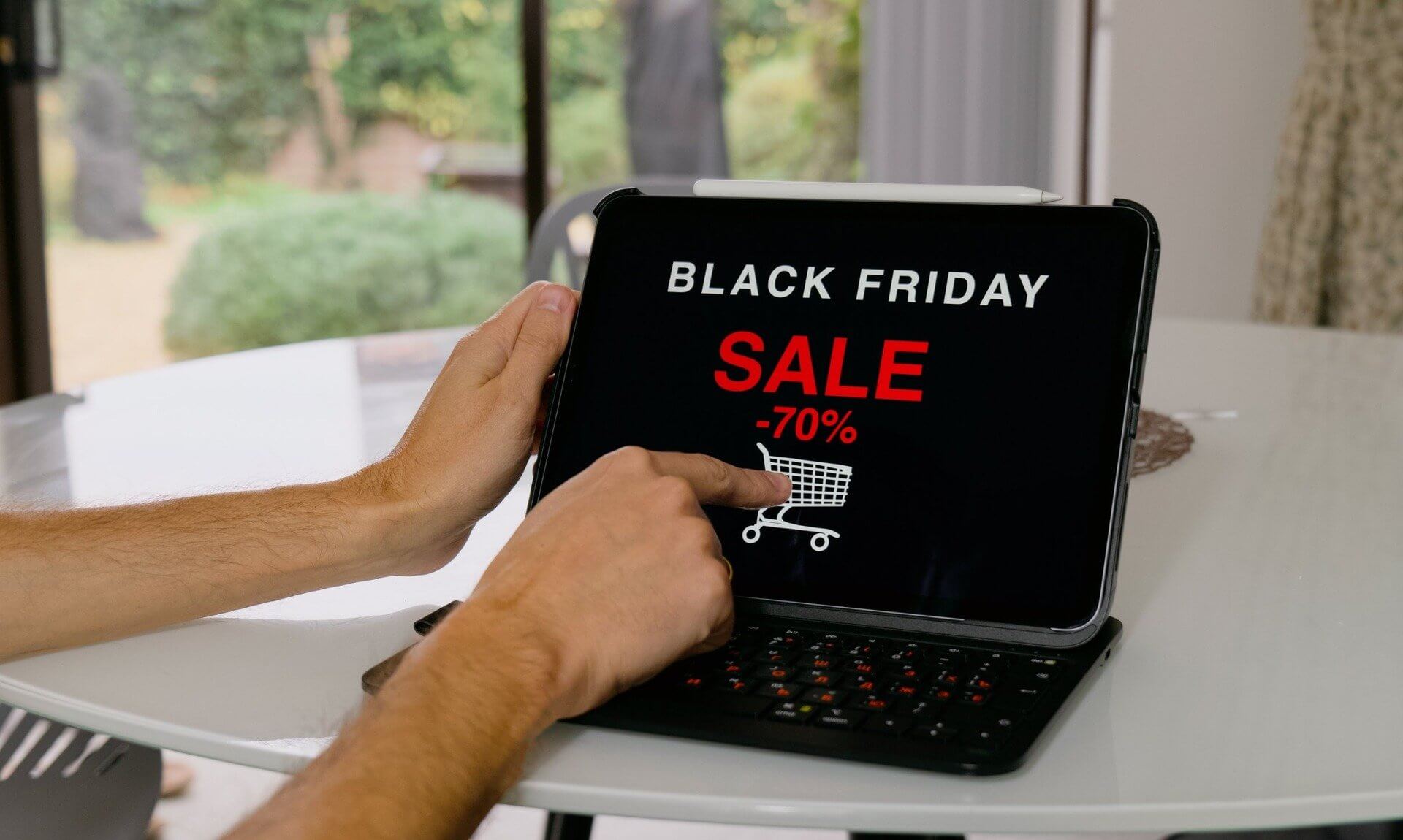
You’d spot a scam a mile off. Plenty of people who lost money to one last year would have said exactly the same.
As Black Friday gets closer, new research suggests that feeling sure of yourself is no protection at all. And the sign most of us look for before handing over card details may not mean what we think it does.
One in four targeted
More than one in four UK adults (27%) say they were targeted by an online shopping scam in the past 12 months, according to research by Uswitch broadband comparison.
One in 15 lost money. The average loss was around £128, and across the country that adds up to an estimated 3.62 million people and about £463 million.
Count those who suspect they were targeted but aren’t sure, and the figure climbs to four in ten (41%).
The confidence trap
Three in four online shoppers (75%) say they are confident they could spot a scam. But the confident ones were just as likely to have lost money (7%) as those who weren’t (8%).
The people who described themselves as “very confident” fared worst of all. One in six of them (17%) lost money in the past year.
“Many of us assume that being switched on to scams keeps us safe, but our research shows it does not,” said Max Beckett, broadband comparison expert at Uswitch.
How the scams work
Fake delivery texts and emails
This is the scam shoppers come across most. More than a third (35%) say they have experienced or spotted a fake delivery text or email.
Deals that look too good to be true
Just over one in five (22%) have come across a website selling deals that seemed too good to be true.
Fake order and payment emails
One in five (20%) have seen fake order confirmations or emails claiming there’s a problem with a payment.
Why the padlock won’t save you
The single most trusted sign of a safe deal is the padlock in the browser address bar. Two in five people (41%) say it makes them trust a shop they don’t know.
The padlock shows a site is using HTTPS, which keeps the connection between you and the website encrypted. It says nothing about who is on the other end or what they are selling. Research from the Anti-Phishing Working Group suggests 80% of phishing websites have an SSL certificate, which lets them show the padlock too.
Other signs people trust are positive reviews on the shop’s own website (31%) and a recommendation from someone they follow on social media (23%).
“Shoppers who say they are very confident were the most likely to have lost money, and the thing people trust most, the browser padlock, only tells you a connection is encrypted, not that the seller is honest,” said Max.
The habits that leave you exposed
People who lost money to a scam were twice as likely to reuse the same password across shopping accounts (40%, compared with 20% of all online shoppers).
They were also more than three times as likely to shop or bank on public Wi-Fi (30% against 9%).
Plenty still heading for the sales
More than four in ten adults (42%) plan to shop online in the Black Friday sales. Among those who lost money to a scam in the past year, that rises to seven in ten (69%).
What you can do
- Stick to well-known brands you have heard of and trust.
- Use a different password for every shopping account.
- Keep your shopping and banking off public Wi-Fi.
- If a deal looks too good to be true, or a missed-parcel text turns up out of the blue, don’t click the link. Go straight to the retailer’s own app or website instead.
- Forward suspicious texts to 7726. It’s free.
The research was carried out online by OnePoll among 2,000 UK adults between 6 and 13 October 2026.
“With the busiest shopping period of the year approaching, it’s best to stay alert when looking for deals,” said Max.
“If a deal looks too good to be true, or a missed-parcel text lands out of the blue, don’t click it. Go straight to the retailer’s own app or website instead, and forward suspicious texts to 7726 for free.”
Read Next
- PorthlevenConnor Bradley's family say he made an impression on many lives.
Share This Story, Choose Your Platform!
To keep up with the latest cornish news follow us below
Follow CornishStuff on Facebook - Like our Facebook page to get the latest news in your feed and join in the discussions in the comments. Click here to give us a like!
Follow us on Twitter - For the latest breaking news in Cornwall and the latest stories, click here to follow CornishStuff on X.
Follow us on Instagram - We also put the latest news in our Instagram Stories. Click here to follow CornishStuff on Instagram.
- 1
- 2
- 3
- 4
- 5
- 6