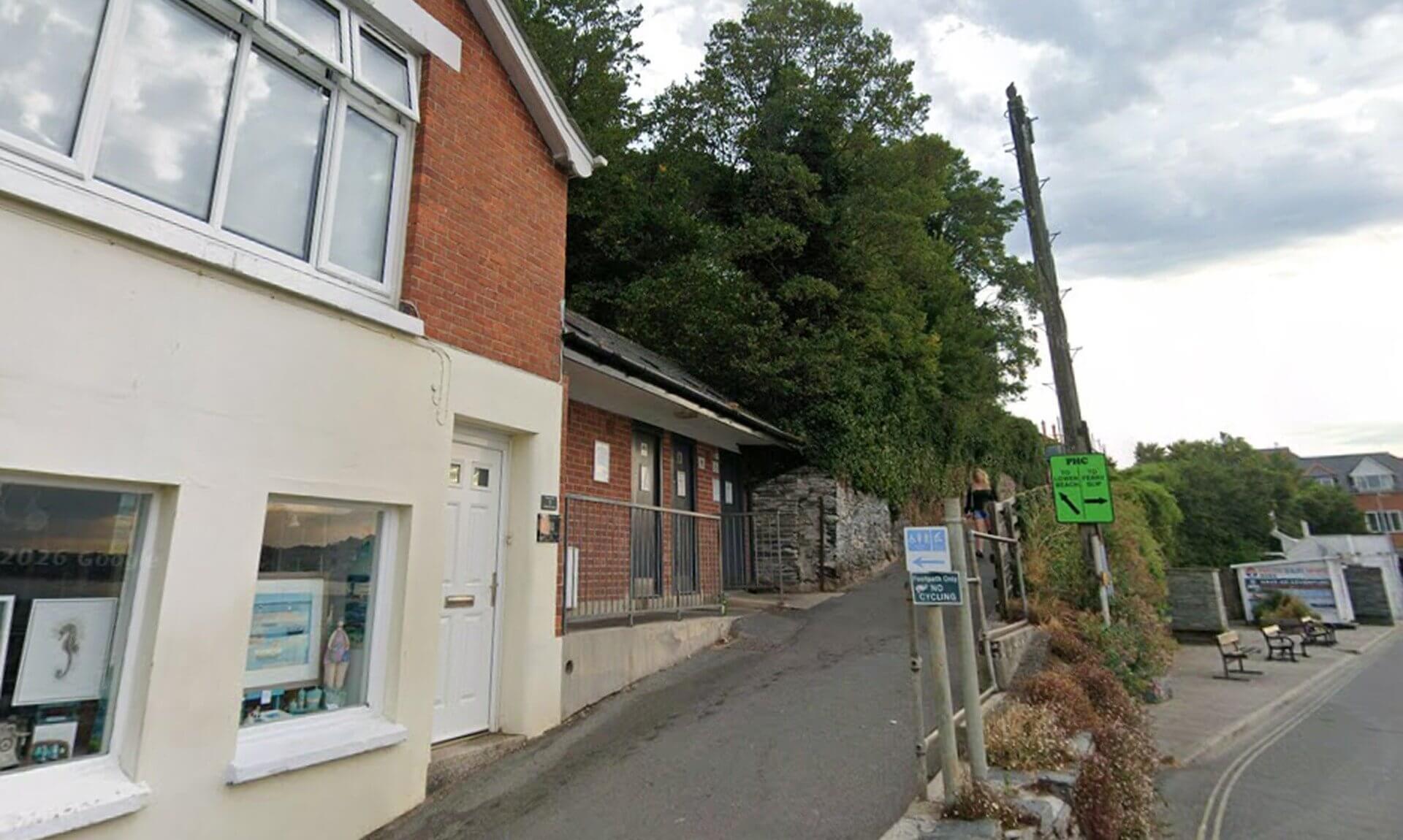
Planning a festive dip in Cornwall? Ask these 10 questions first
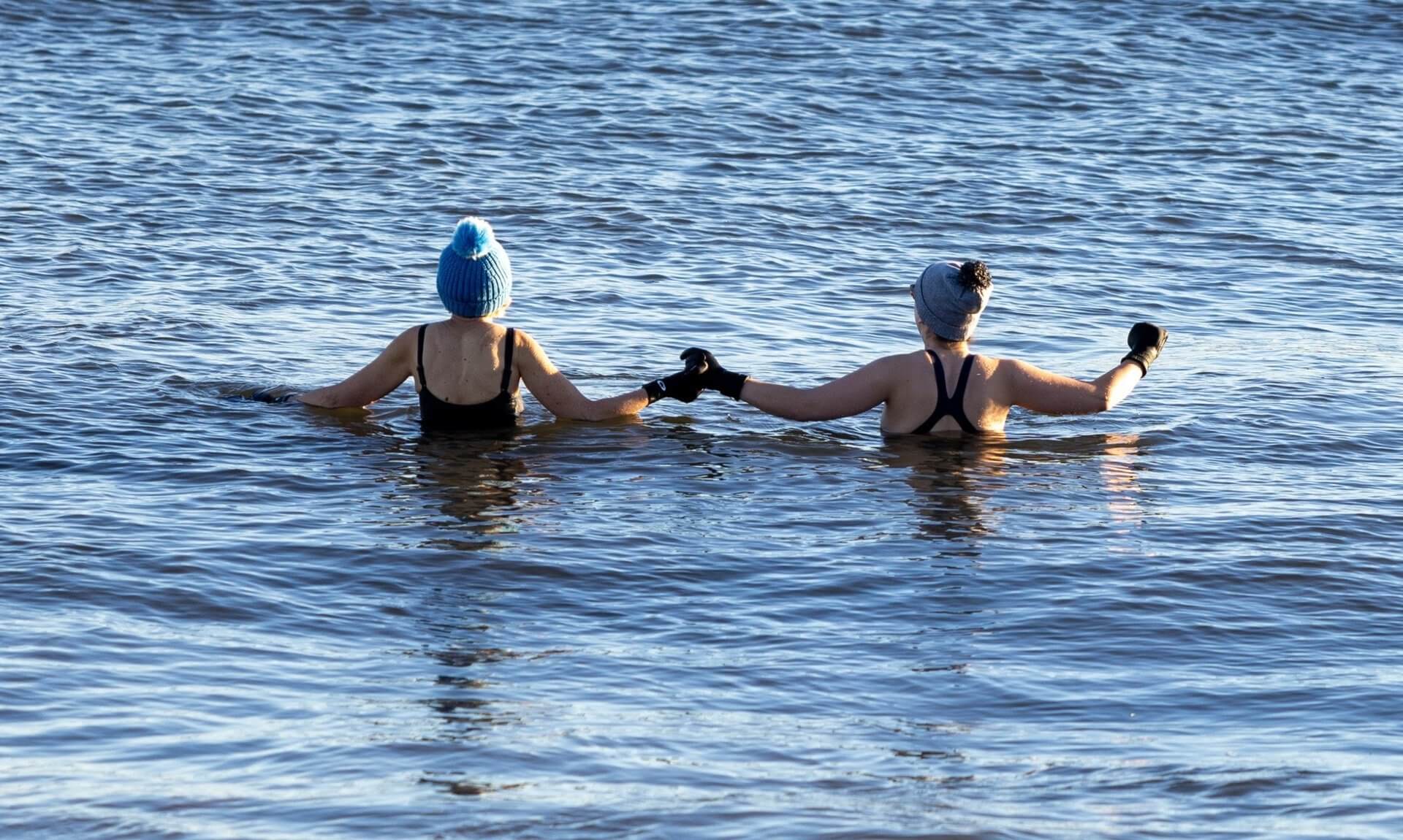
You’ve got the Santa hat, the changing robe and a friend daft enough to join you. But before you charge into the sea this festive season, there are a few questions worth asking first.
With winter on the way, plenty of people are planning festive swims and cold water dips around the Cornish coast. Over in Newquay, the town council has shared new guidance from the National Water Safety Forum (NWSF) urging swimmers to check event safety arrangements, understand the conditions and make informed decisions before they get in.
Community dips and festive swims are getting more popular across the UK, according to the NWSF. They’re a good way to meet people and enjoy the outdoors. But they carry significant risks if they aren’t planned and managed properly.
10 questions to ask the organiser
The forum’s 10 questions for informal dips and festive swims are aimed at anyone thinking of taking part. If an organiser can’t answer clearly, or won’t answer at all, the advice is to think carefully before joining in.
- Who is responsible? Is a specific person or organisation clearly leading and coordinating the event?
- Insurance and management: Can the organisers explain and share the insurance cover and management processes in place for participants?
- Risk assessment: Has one been done for the location, and does it cover the conditions expected on the day, with plans for changes in weather, water levels, tides, currents or surf?
- Site permission: Do the organisers have permission from the landowner or relevant authority where it’s needed?
- Information: Will you get clear details before, during and after the event, including meeting points, safety information and how to get in and out of the water?
- Emergency plan: Is there a plan for incidents in the water and on land, with trained people, rescue and first aid equipment and alternative exit routes?
- Competence: Are the organisers and volunteers skilled and experienced enough to supervise people and carry out rescues?
- Safeguarding: Are there arrangements to protect children and adults at greater risk, both swimmers and spectators?
- Staffing: Are there enough staff or volunteers, on shore and in the water, including if something goes wrong?
- Cancellation: If the event is called off, how will you be told?
One point catches people out. Branded staff, lifeguards, rescue equipment, vehicles or fundraising at an event don’t automatically mean that organisation is responsible for keeping everyone safe.
And the questions to ask yourself
Even a well-run event needs you to weigh up the risks for yourself. Conditions change, and only you can decide whether to go in. The NWSF suggests asking:
- Do the location, the activity and the water match your experience, fitness, confidence and ability? Have you got suitable clothing and kit?
- Have you thought about any health conditions, injuries or medication that could affect your safety?
- Have you checked the weather forecast and, where relevant, the water temperature, tides, currents, waves or surf?
- Have you read the water safety advice from organisations such as the RNLI’s cold water dipping guidance?
- Do you know how to call for help and what to do if you or someone else gets into difficulty?
If something doesn’t feel right, don’t feel pressured to go in.
What cold water shock does to your body
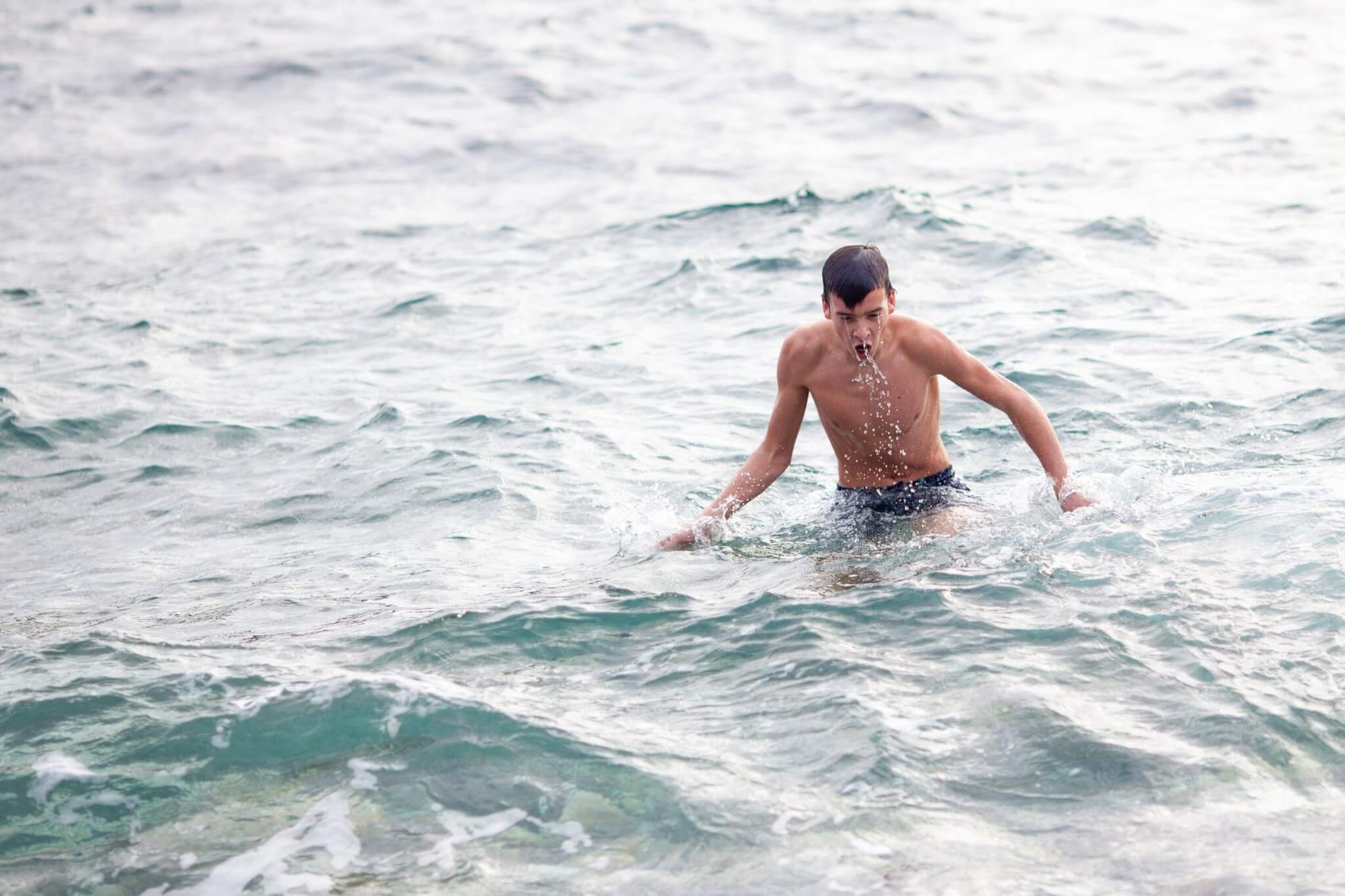
Cold water shock is an involuntary reaction to suddenly hitting cold water, whether you jump in or fall in. It can affect anyone, strong swimmers included.
It causes gasping, hyperventilation, panic and loss of swimming ability, which can lead to drowning very quickly. It can also send heart rate and blood pressure soaring, which may trigger a heart attack even in fit, healthy people.
Water at 15°C or below is cold enough to cause it. And the sea around the UK can stay at that temperature all year round. The NWSF’s cold water shock advice is to swim at lifeguarded sites where you can and to get in slowly so your body has time to acclimatise.
If you get into trouble: Float to Live
- Lie back with your ears under the water.
- Relax and breathe normally.
- Move your arms and legs gently to help you float. It’s fine if your legs sink.
- Once the initial shock passes, shout or signal for help, or swim to safety if you can.
If you see someone else in trouble
- Phone 999 for emergency help.
- Float: tell the person to stay calm and float on their back.
- Throw them something that will help them stay afloat until help arrives.
Organising a dip yourself?
There’s separate guidance for organisations and event organisers. It says anyone promoting, organising or leading a water-based event should get to know event safety guidance such as The Purple Guide, have risk assessments and emergency arrangements in place, and appoint a suitably competent person to oversee water safety.
Those running the event should have the right knowledge, training, equipment and experience, with specialist event water safety training available from providers including Surf Life Saving GB, RLSS UK and Safety Training Awards.
Organisations lending branded staff, lifeguards, boats or vehicles to an event are also asked to make their role clear, so swimmers don’t assume an event has been formally assessed when it hasn’t.
What’s your top tip?
Newquay Town Council is asking people to share their own top tip for staying safe in and around the water during winter.
The NWSF’s final word for anyone unsure about the conditions, the arrangements or their own ability is simple. “There will always be another opportunity to enjoy the water safely.”
Read Next
- CamborneThe tree is up and Commercial Square is glowing.
Share This Story, Choose Your Platform!
To keep up with the latest cornish news follow us below
Follow CornishStuff on Facebook - Like our Facebook page to get the latest news in your feed and join in the discussions in the comments. Click here to give us a like!
Follow us on Twitter - For the latest breaking news in Cornwall and the latest stories, click here to follow CornishStuff on X.
Follow us on Instagram - We also put the latest news in our Instagram Stories. Click here to follow CornishStuff on Instagram.
- 1
- 2
- 3
- 4
- 5
- 6