Cornwall energy bills to rise 26% in January: what it means for you
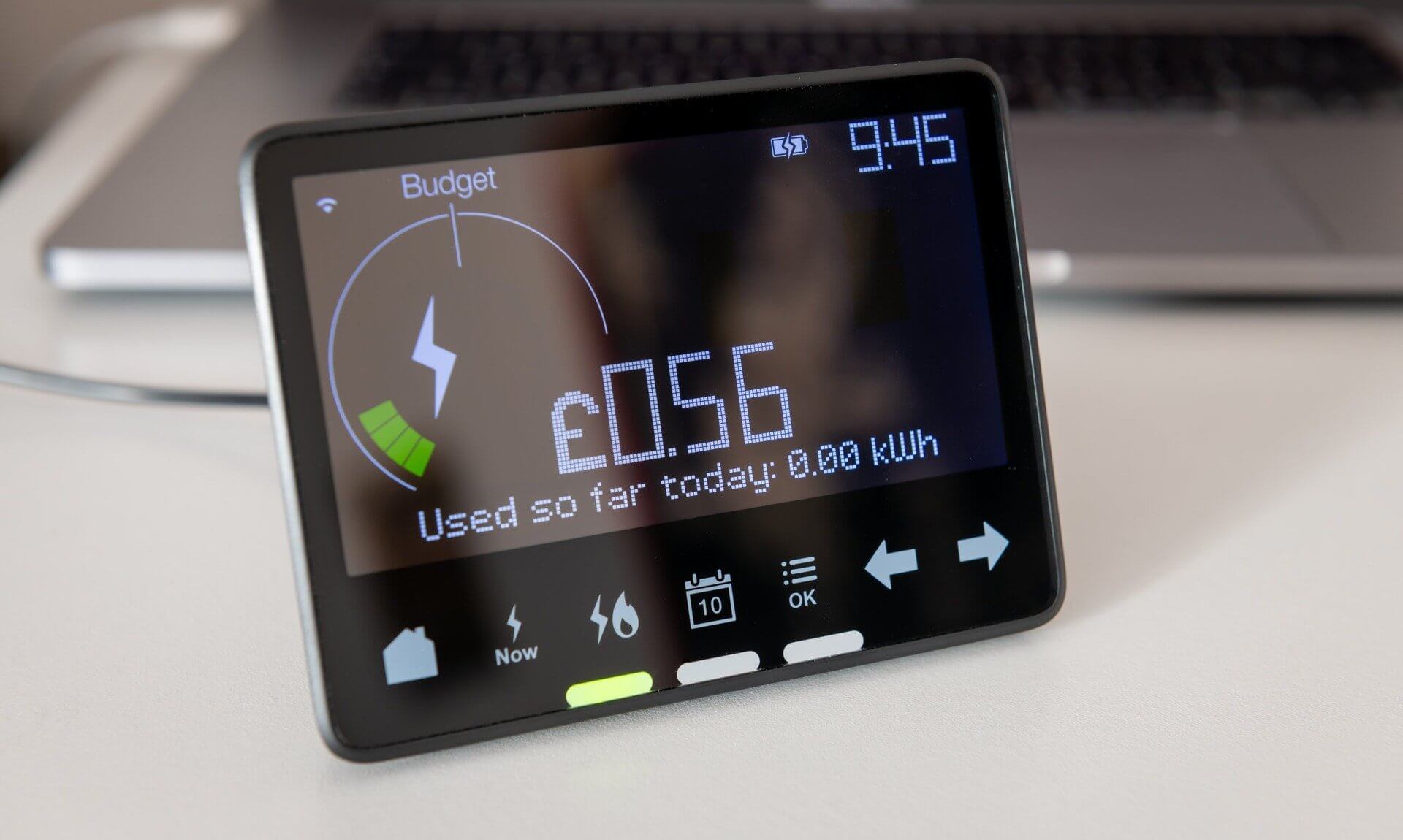
If you heat your home with gas or electricity and have never fixed your tariff, today’s announcement from Ofgem sets the most you can be charged per unit from 1 January.
The energy regulator has confirmed the price cap for 1 January to 31 March 2027. For a typical household using gas and electricity and paying by Direct Debit, it will be £2,166 a year. That’s up £443, or 26%, on the current £1,723.
Ofgem says the ongoing conflict in the Middle East is pushing up international gas prices, which have roughly tripled since it began. Gas is rising faster than electricity because more of Britain’s electricity now comes from renewables rather than gas.
For homes across Cornwall, that figure is the starting point. What you actually pay depends on more than one number.
What the price cap actually limits
The cap is the maximum a supplier can charge for each unit of gas and electricity, plus the daily standing charge you pay even on days you use nothing.
It does not limit your total bill. The more energy you use, the higher the bill, so a cold January will still cost more than a mild one.
Rates also vary by where you live, how you pay (Direct Debit, standard credit or prepayment) and the type of meter you have. The exact South West figures are listed on Ofgem’s energy price cap unit rates and standing charges page.
Who it covers, and who it doesn’t
The cap protects people on standard variable tariffs, where the unit rate can move with the energy market.
It does not apply if you:
- have agreed a fixed tariff with your supplier (your rates stay the same until the fix ends)
- have a business energy contract
- get your heat from a heat network
- use heating oil
That last one matters here. In the 2021 Census, about one in seven Cornwall households (13.8%) relied on oil alone for their central heating, roughly four times the England rate of 3.2%. And government estimates suggest 47% of homes in Cornwall aren’t connected to the gas network, compared with 15.6% across England.
The government says around a third of households are on fixed tariffs.
The other help arriving this winter
A few other changes land alongside the new cap.
- £100 Household Energy Payment. Councils in England are being asked to start paying from 4 January. Households in council tax bands A to D who pay by Direct Debit will get it straight into their bank account where the council holds verified details. Others will be contacted and can choose a bank transfer or a credit on their council tax account. The scheme stays open until the end of May. We covered who in Cornwall gets the £100 energy payment earlier this month. You can check your council tax band on GOV.UK.
- A £100 million discretionary fund. Councils will use it for vulnerable households who fall outside the main scheme. Each council sets its own criteria.
- Warm Home Discount. £150 for around six million households on means-tested benefits.
- Cold Weather Payments. £25 for each seven-day stretch when the average temperature is recorded or forecast at zero degrees or below, between 1 November and 31 March, for people on certain benefits. Details are on the Cold Weather Payment page.
- Heating oil. The government says it is providing more than £50 million of targeted support for low-income rural households that rely on oil. Here’s the heating oil change reaching Cornwall homes.
- VAT on electricity. The temporary cut on household electricity has been extended until 1 July 2027.
What you can do now
Check what tariff you’re on. If you’re on a standard variable deal, it’s worth shopping around and considering whether a fixed tariff suits you.
Ofgem also suggests:
- Talk to your supplier if you’re struggling to pay. Suppliers have to offer appropriate support and advice.
- Switch to Direct Debit if you currently pay when the bill arrives. Ofgem says that would save the average customer about £160 a year.
- Get advice on cutting your energy use, for example from the Energy Saving Trust.
The government says a new Home Energy Advice website will offer personalised action plans, from cheap fixes like draught proofing and turning down your boiler’s flow temperature to bigger changes such as solar panels, batteries or heat pumps, along with details of grants including the Warm Homes: Local Grant and the Boiler Upgrade Scheme. In the meantime, the existing GOV.UK tool Find ways to save energy in your home gives tailored recommendations for your property, with estimated costs and savings.
The next cap, covering April to June 2027, is due to be announced by 23 February.
Read Next
- WeatherIf you are heading out in Cornwall today, take an extra layer.
Share This Story, Choose Your Platform!
To keep up with the latest cornish news follow us below
Follow CornishStuff on Facebook - Like our Facebook page to get the latest news in your feed and join in the discussions in the comments. Click here to give us a like!
Follow us on Twitter - For the latest breaking news in Cornwall and the latest stories, click here to follow CornishStuff on X.
Follow us on Instagram - We also put the latest news in our Instagram Stories. Click here to follow CornishStuff on Instagram.
- 1
- 2
- 3
- 4
- 5
- 6