The underwater lodge Falmouth Harbour wants to beam into hotels
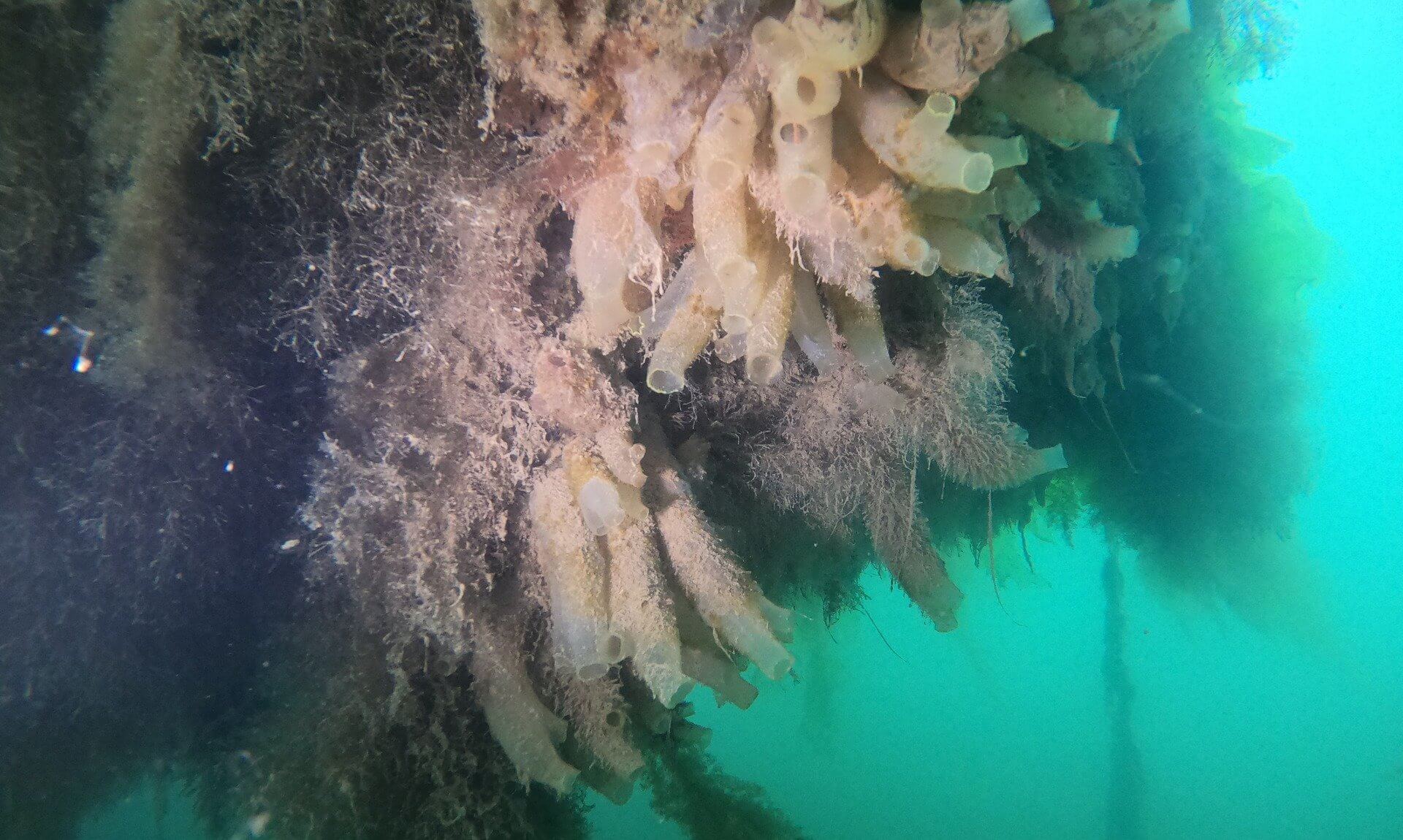
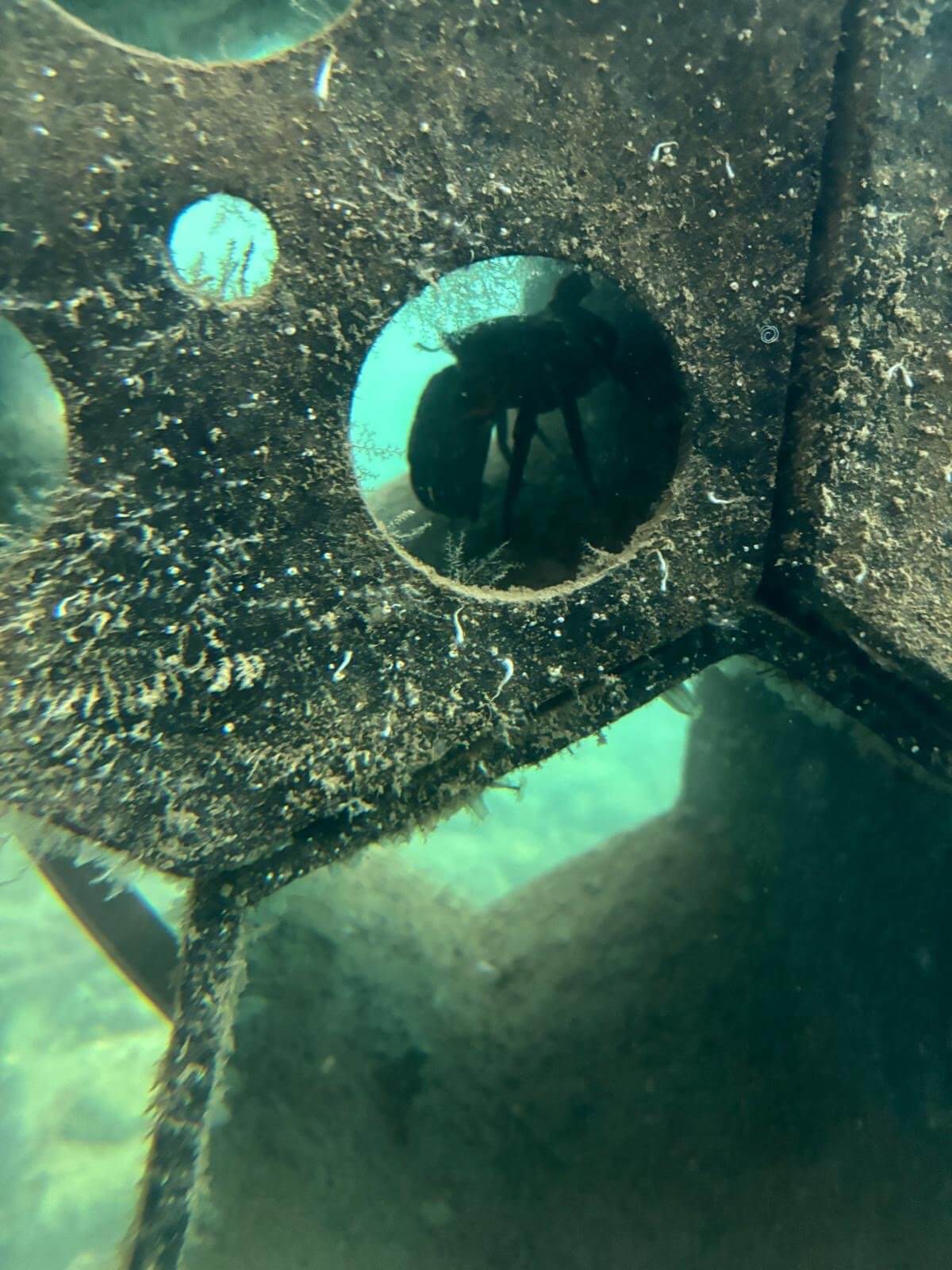
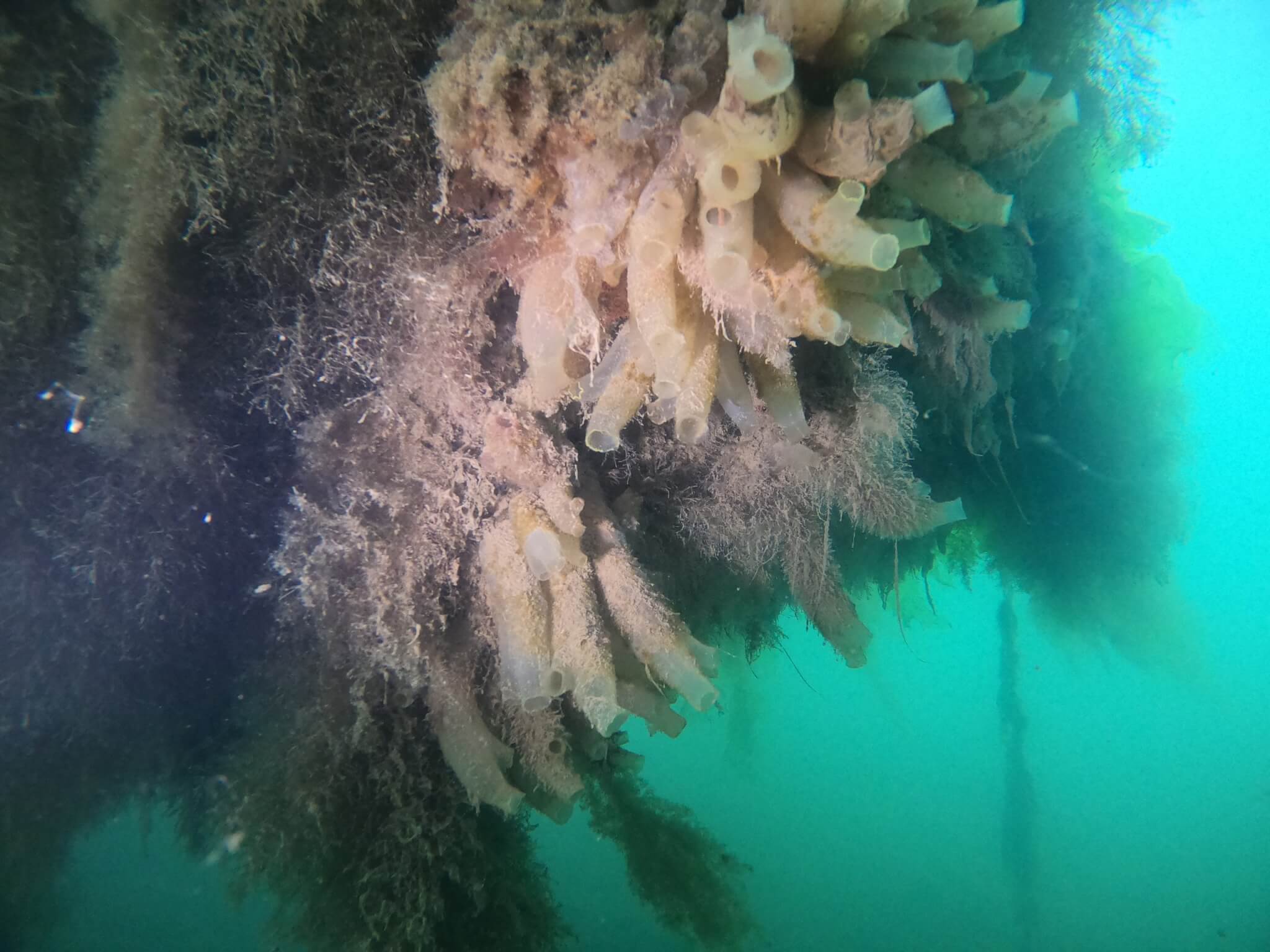
Beneath the pontoons of Falmouth‘s marina, a new kind of lodging could soon be taking guests. They would be sea squirts, worms and fish, and the people behind it want hotels, eateries and shops to watch them move in.
Falmouth Harbour is looking for hospitality partners to sponsor a SeaHive, the latest addition to its suite of artificial reefs and habitats. It would be installed under the Harbour’s marina pontoons, with images of the busy undersea residents beamed into partner hotels, eateries or shops.
What is a SeaHive?
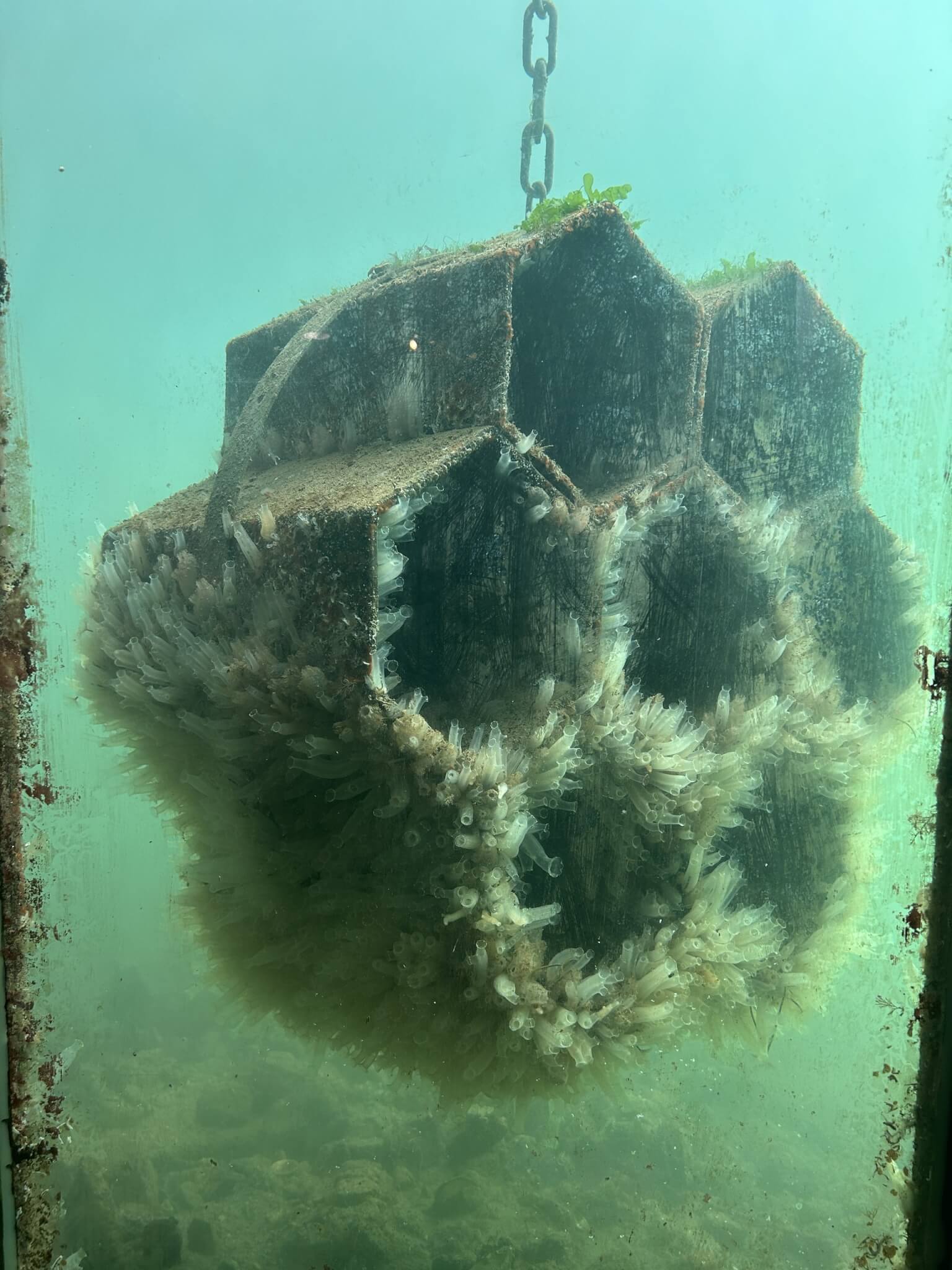
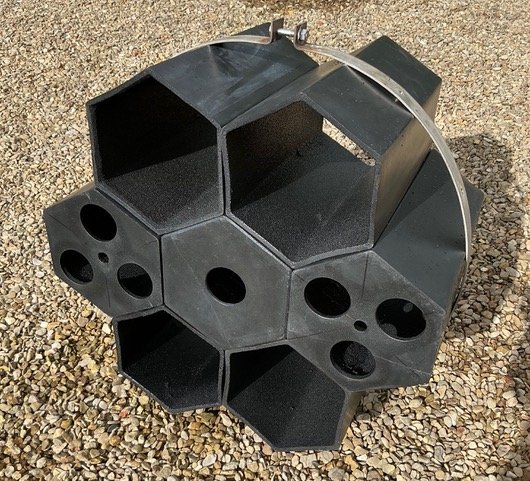
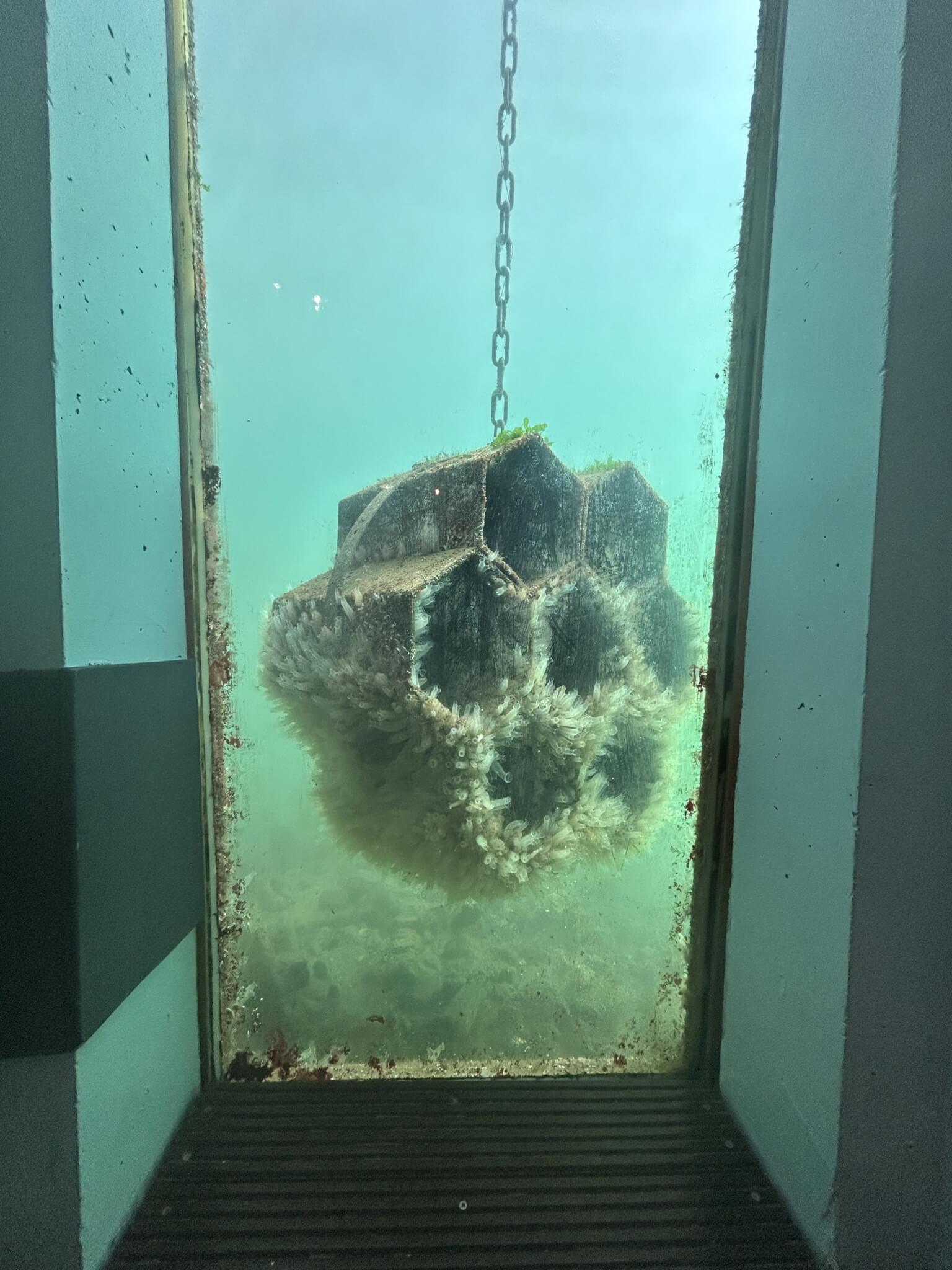
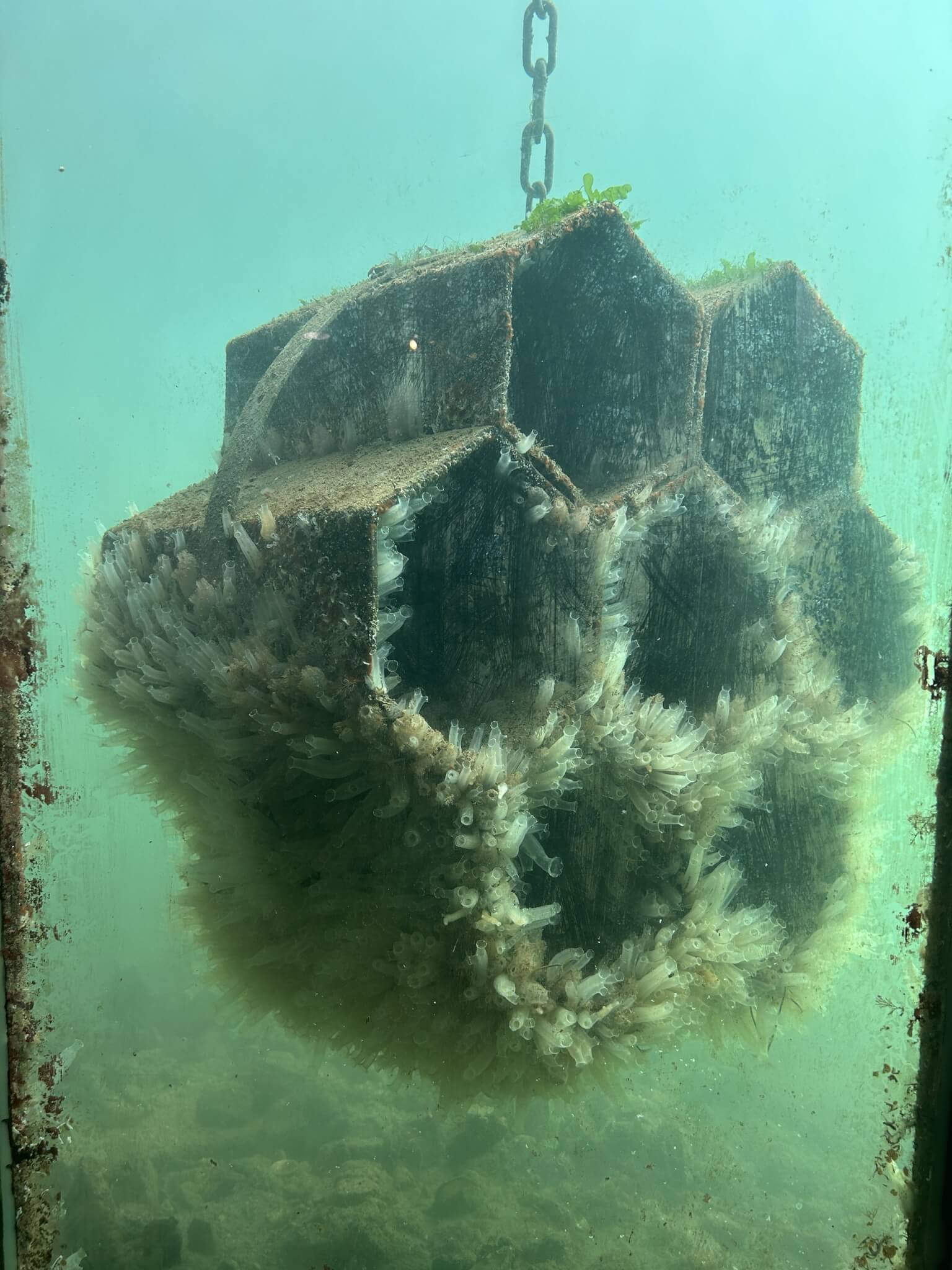
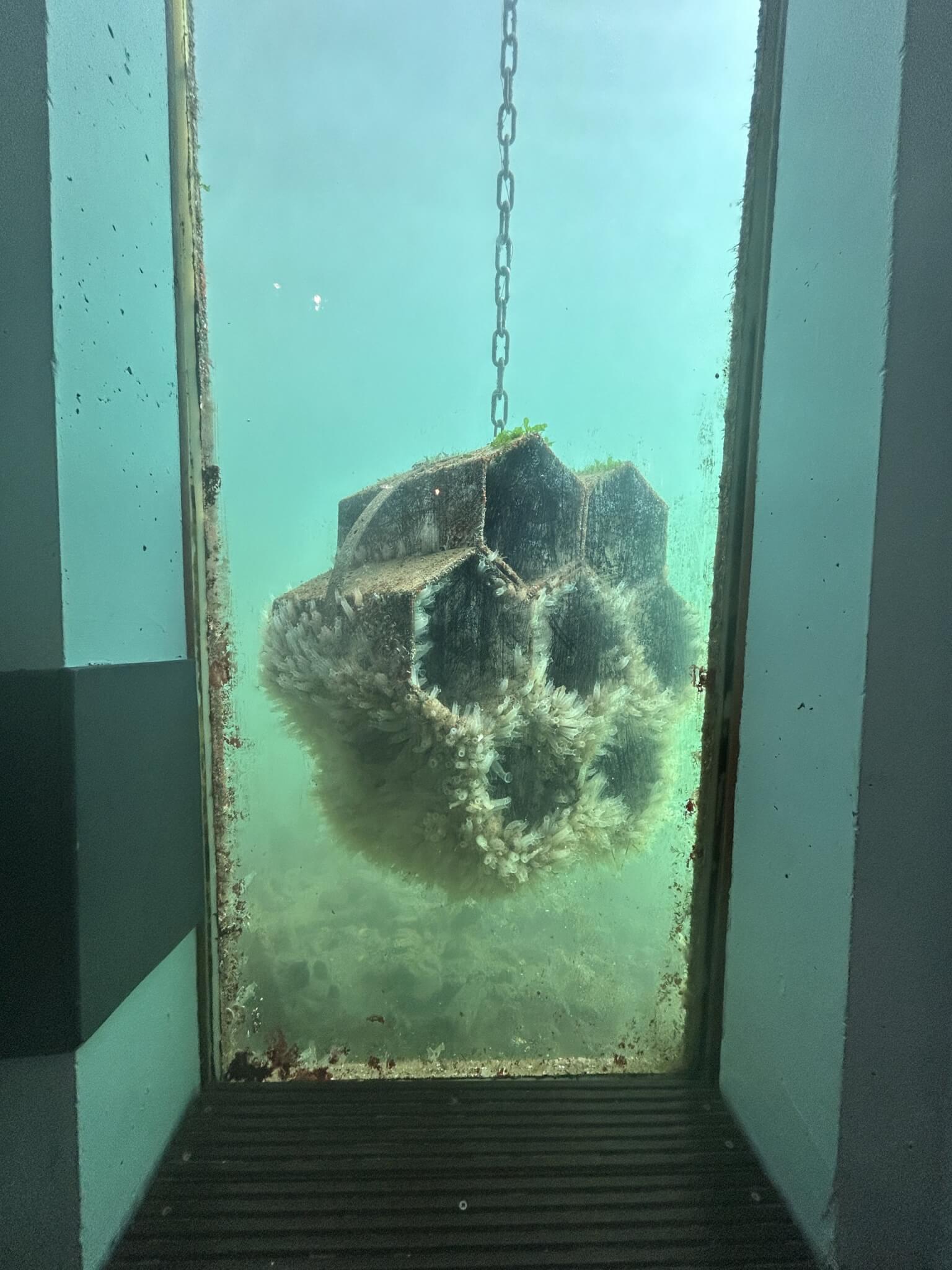
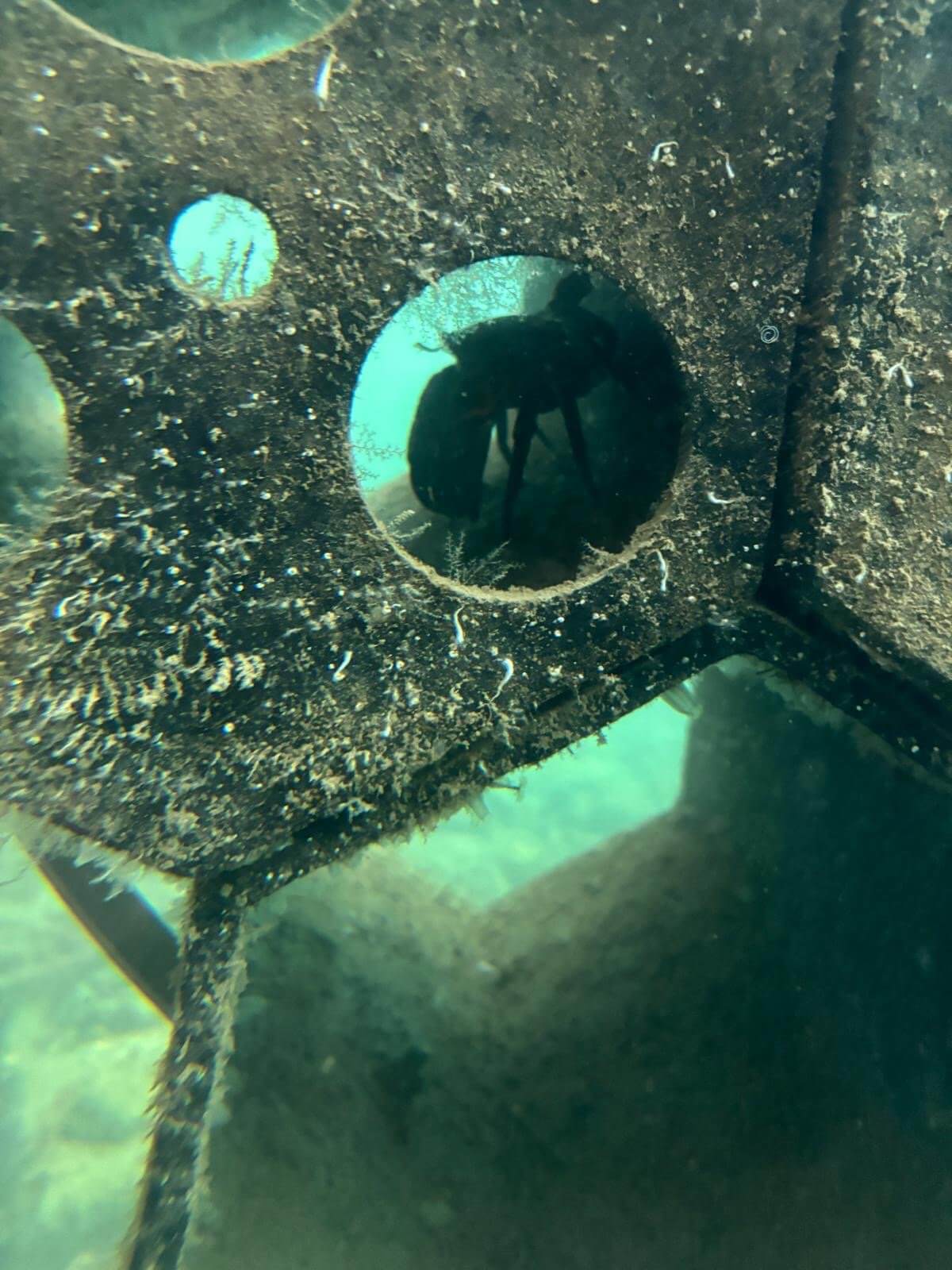
The honeycomb-like structures are made from recycled “end of life” and discarded fishing gear. They were designed by inventor David Francis to increase marine biodiversity around the UK.
“SeaHive reefs are designed to provide marine life with a safe and stable place to live and grow,” David says. “They’re manufactured in the UK to both ensure the quality of the production process and to minimise their carbon footprint.
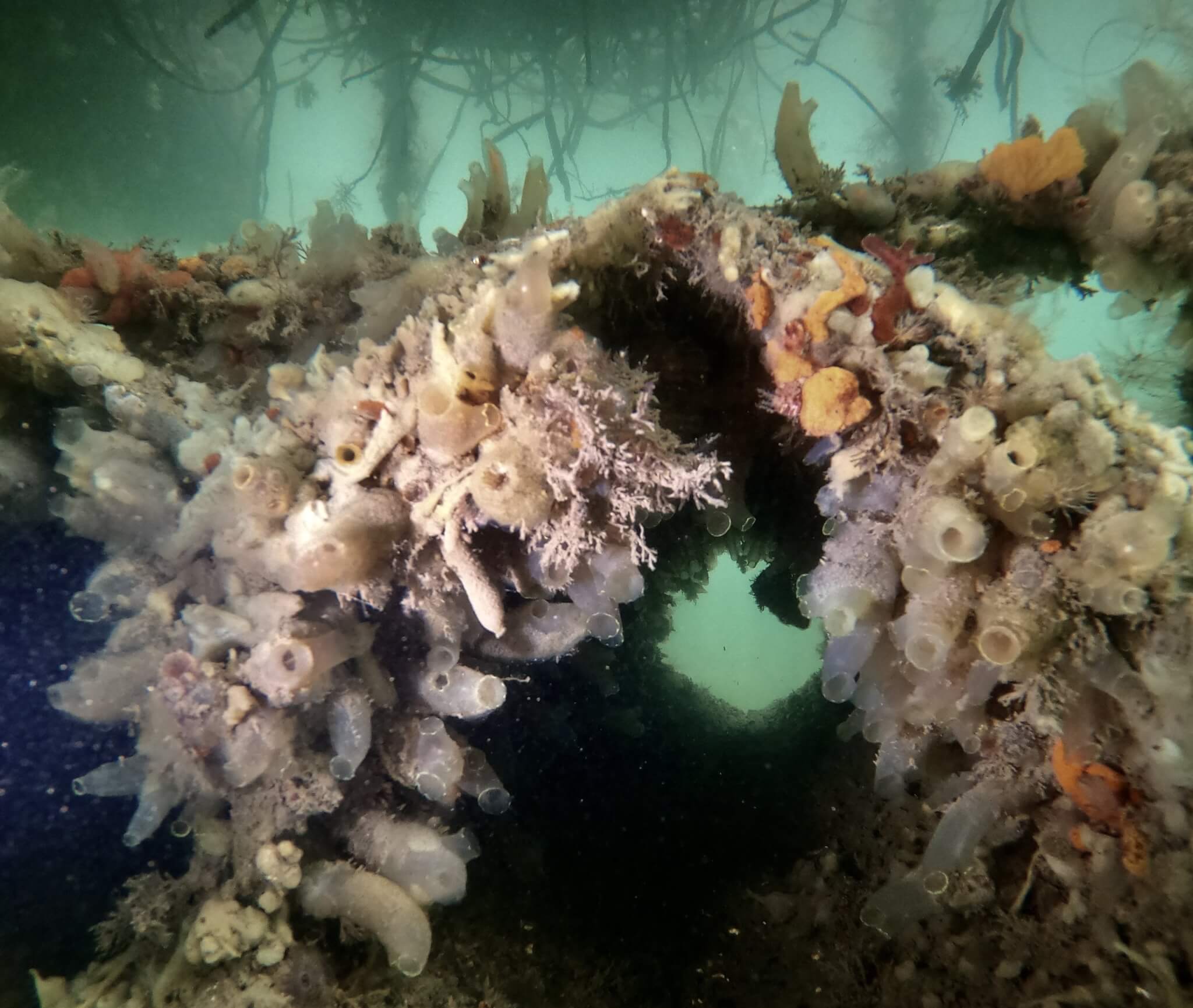
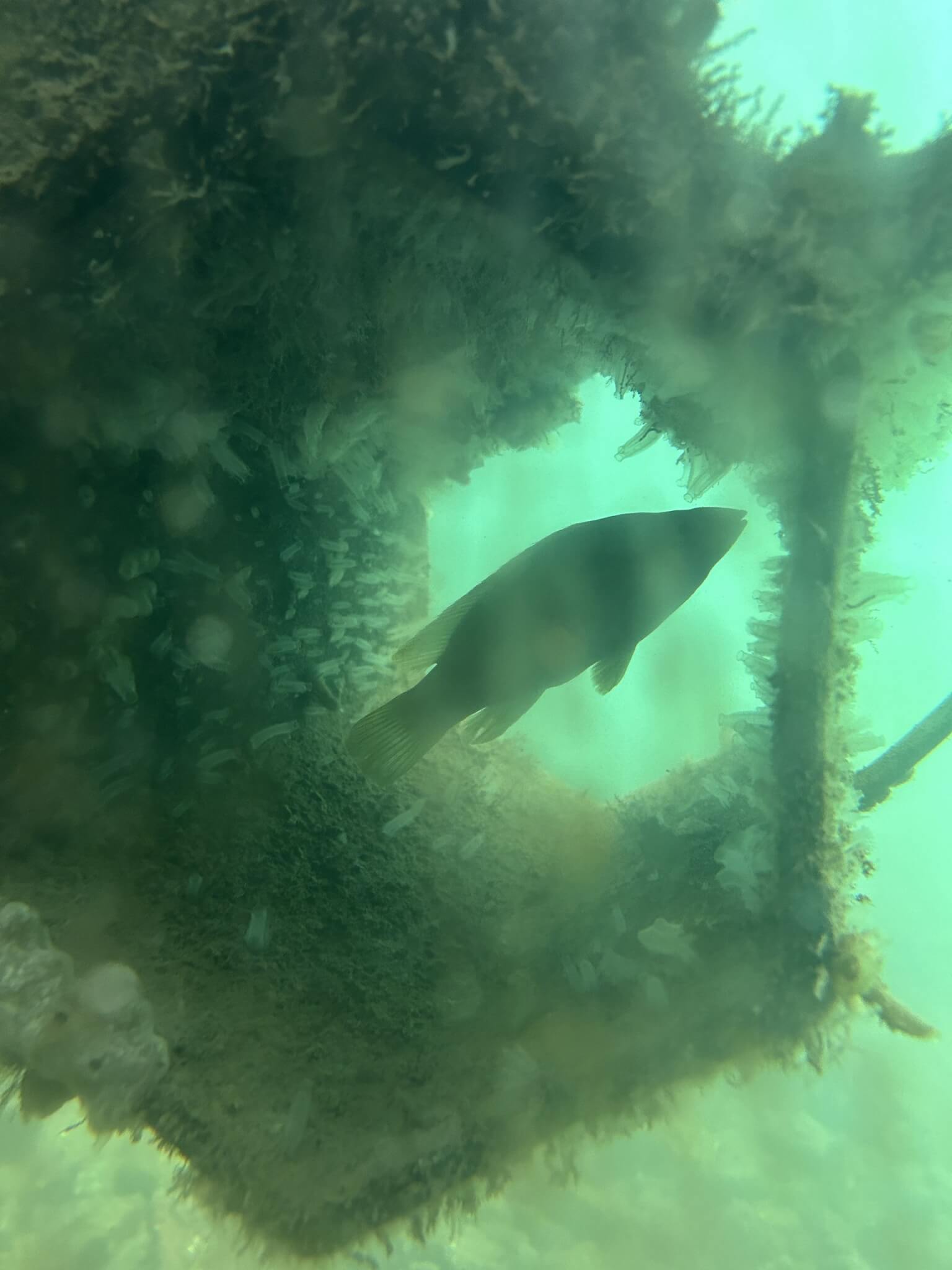
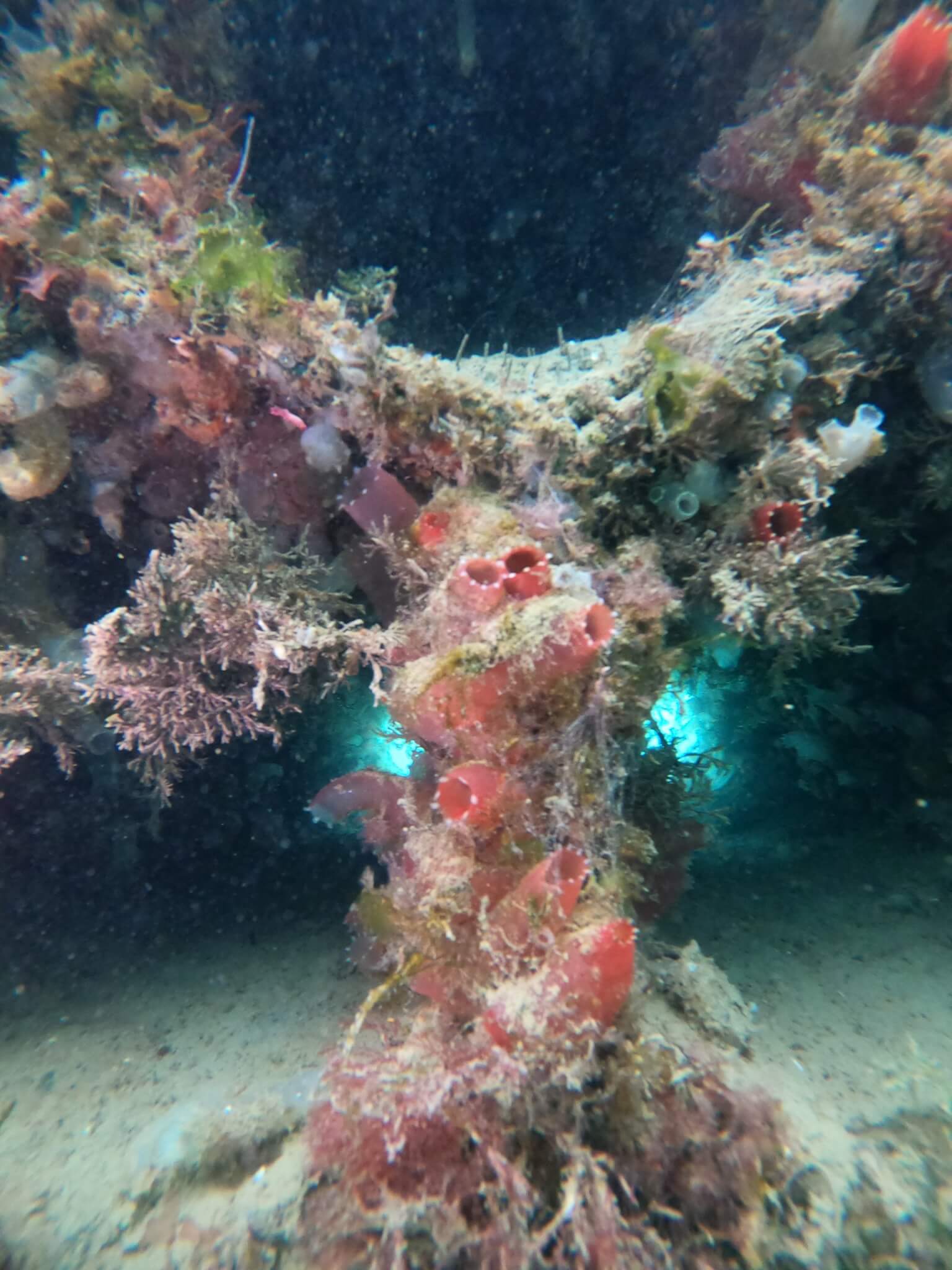
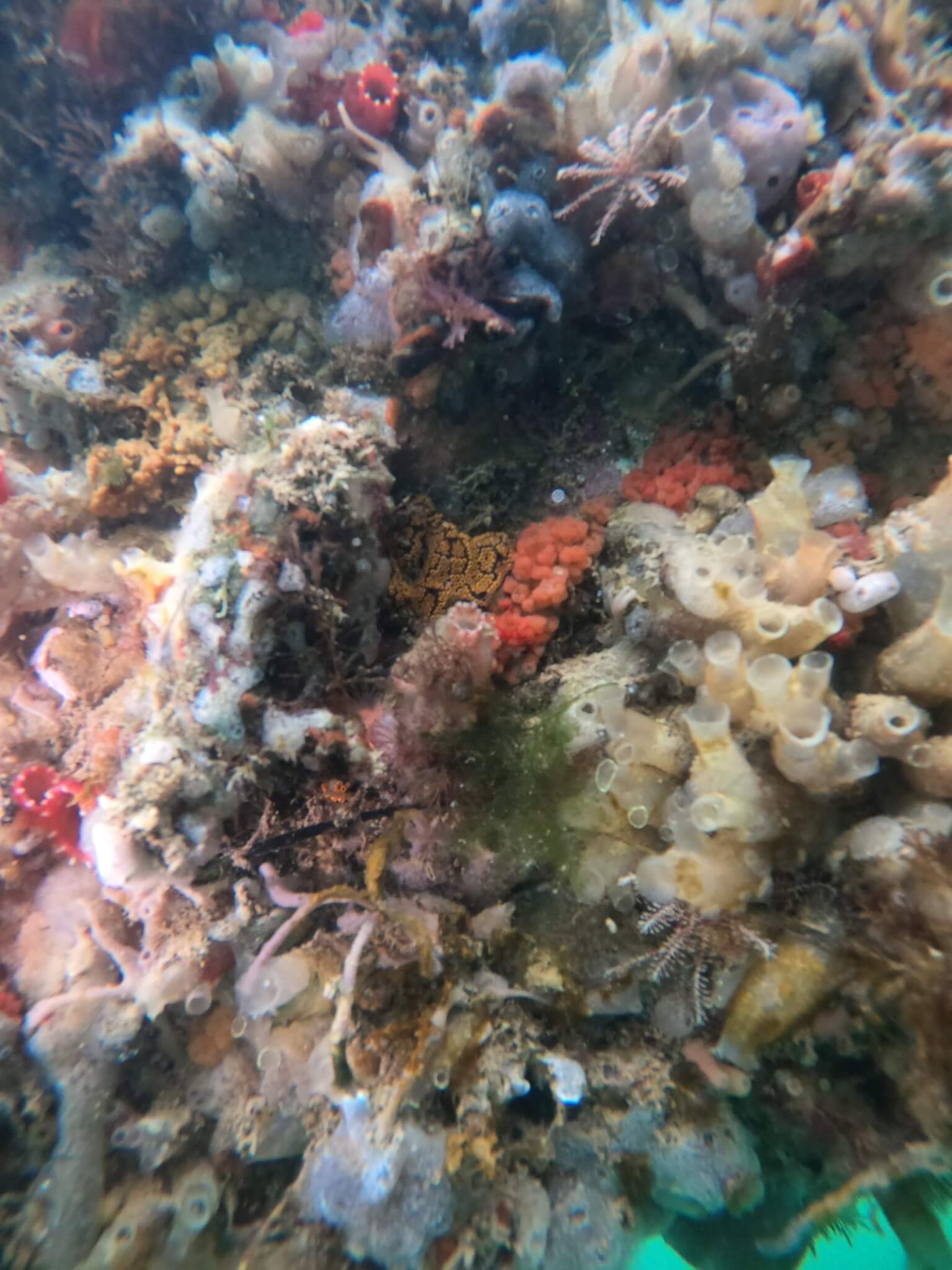
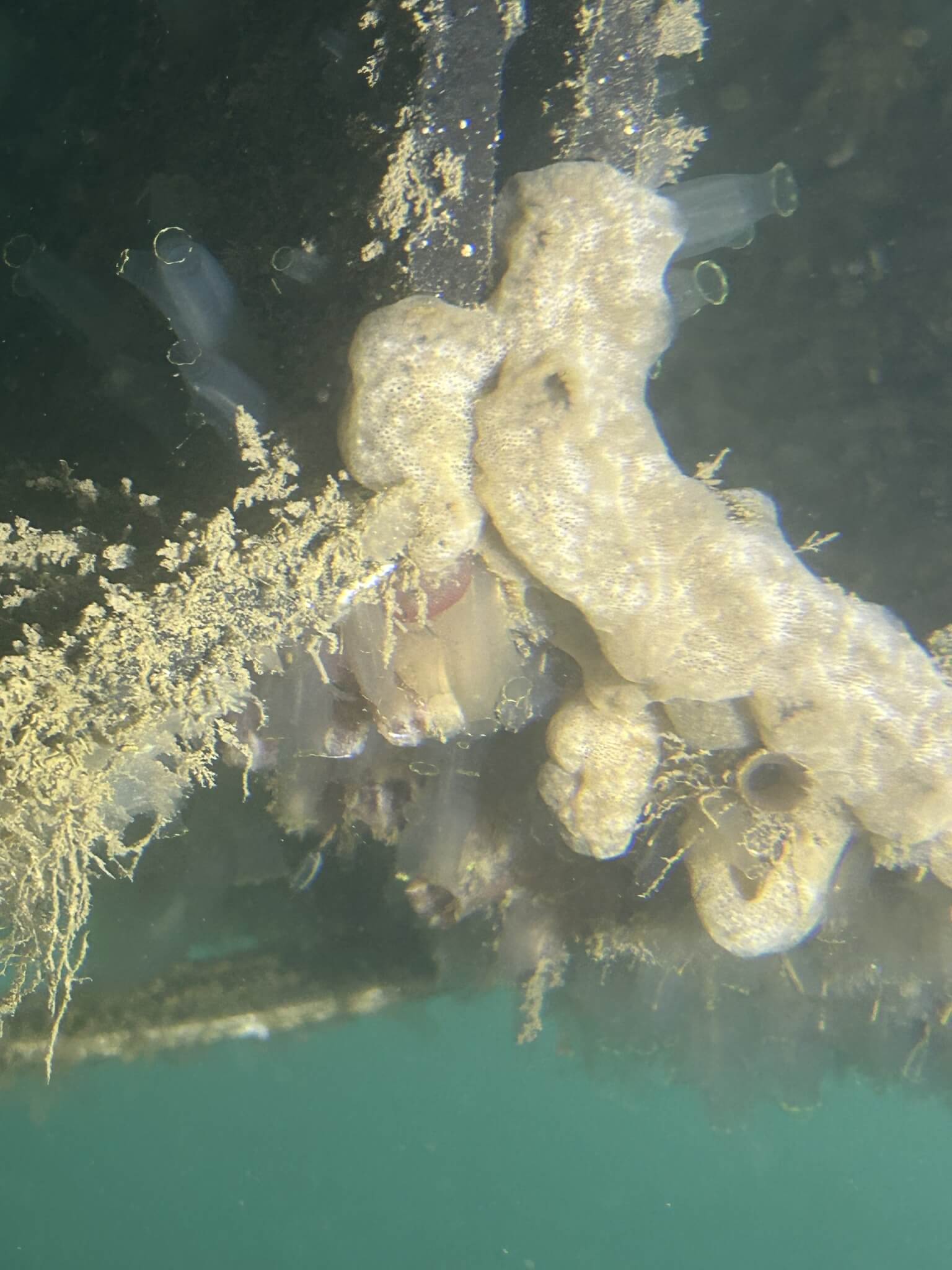
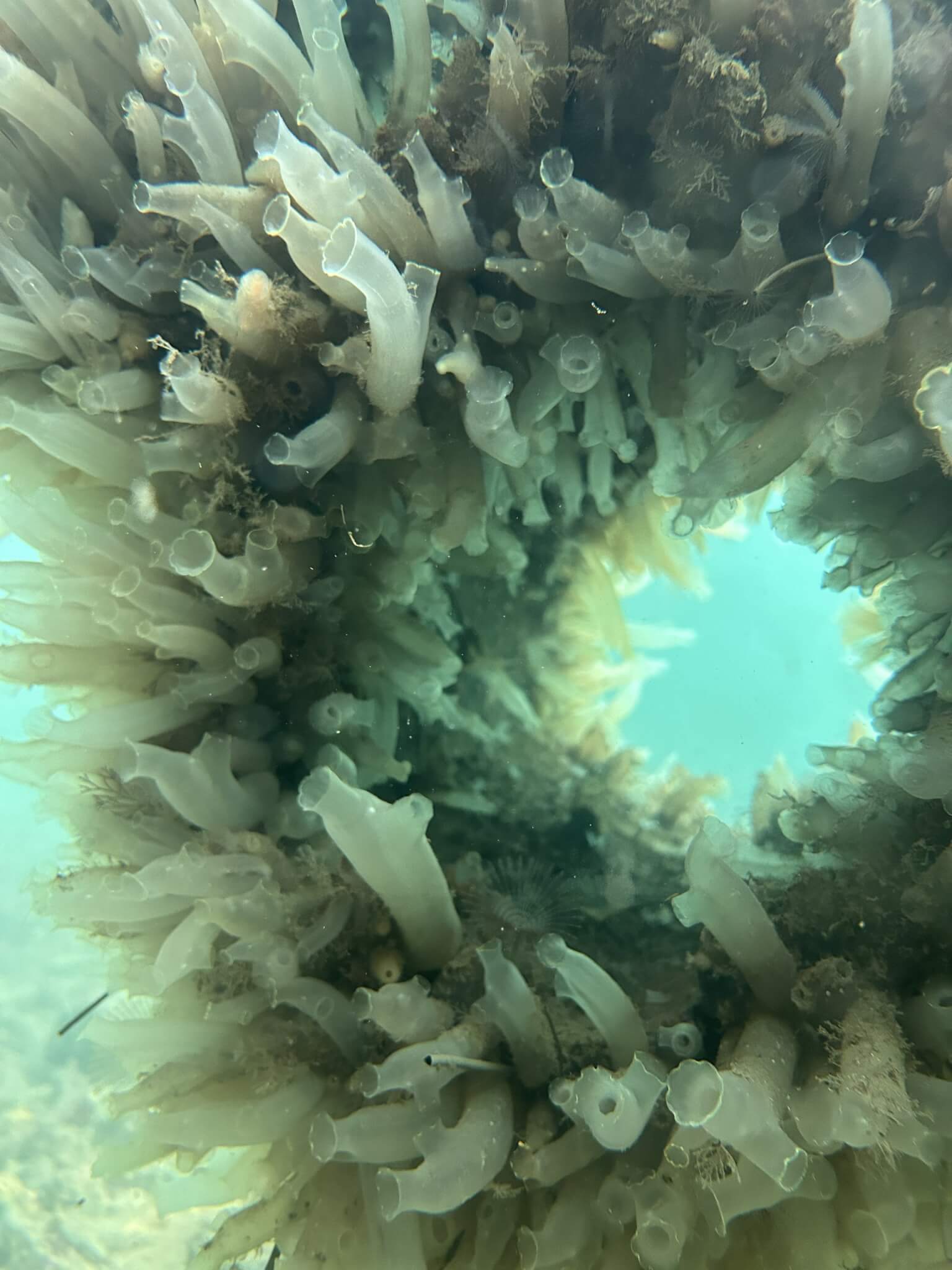
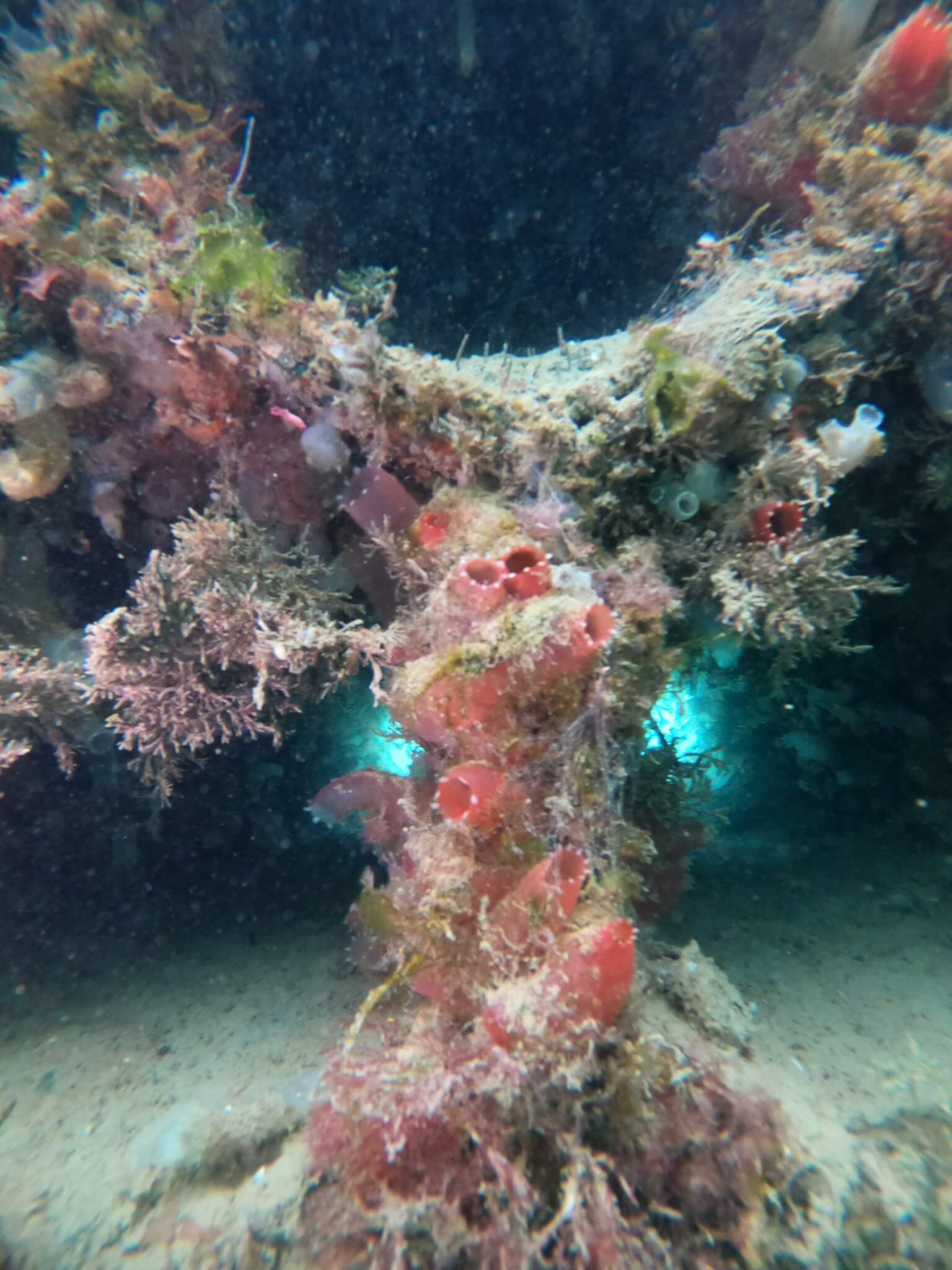
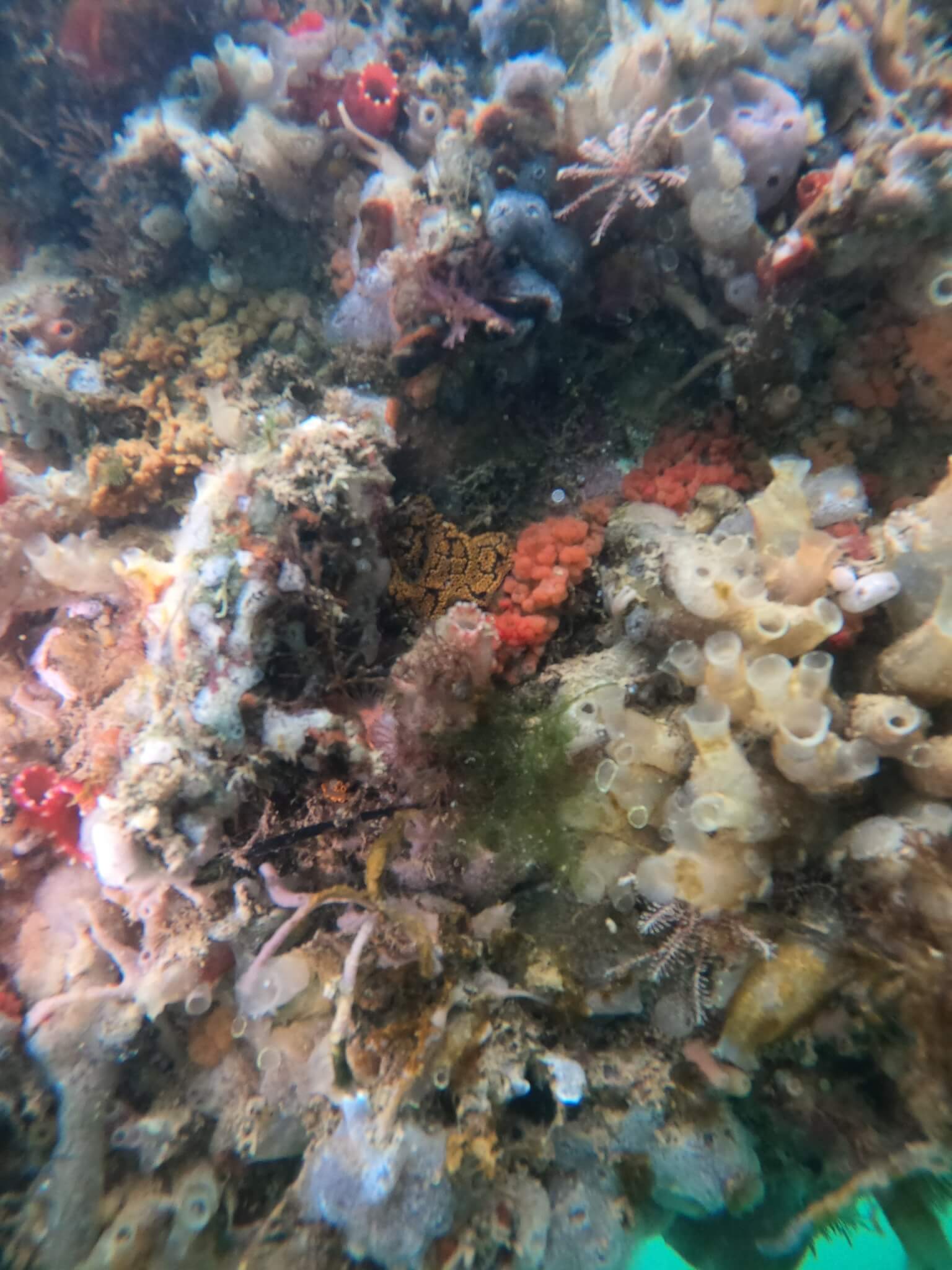
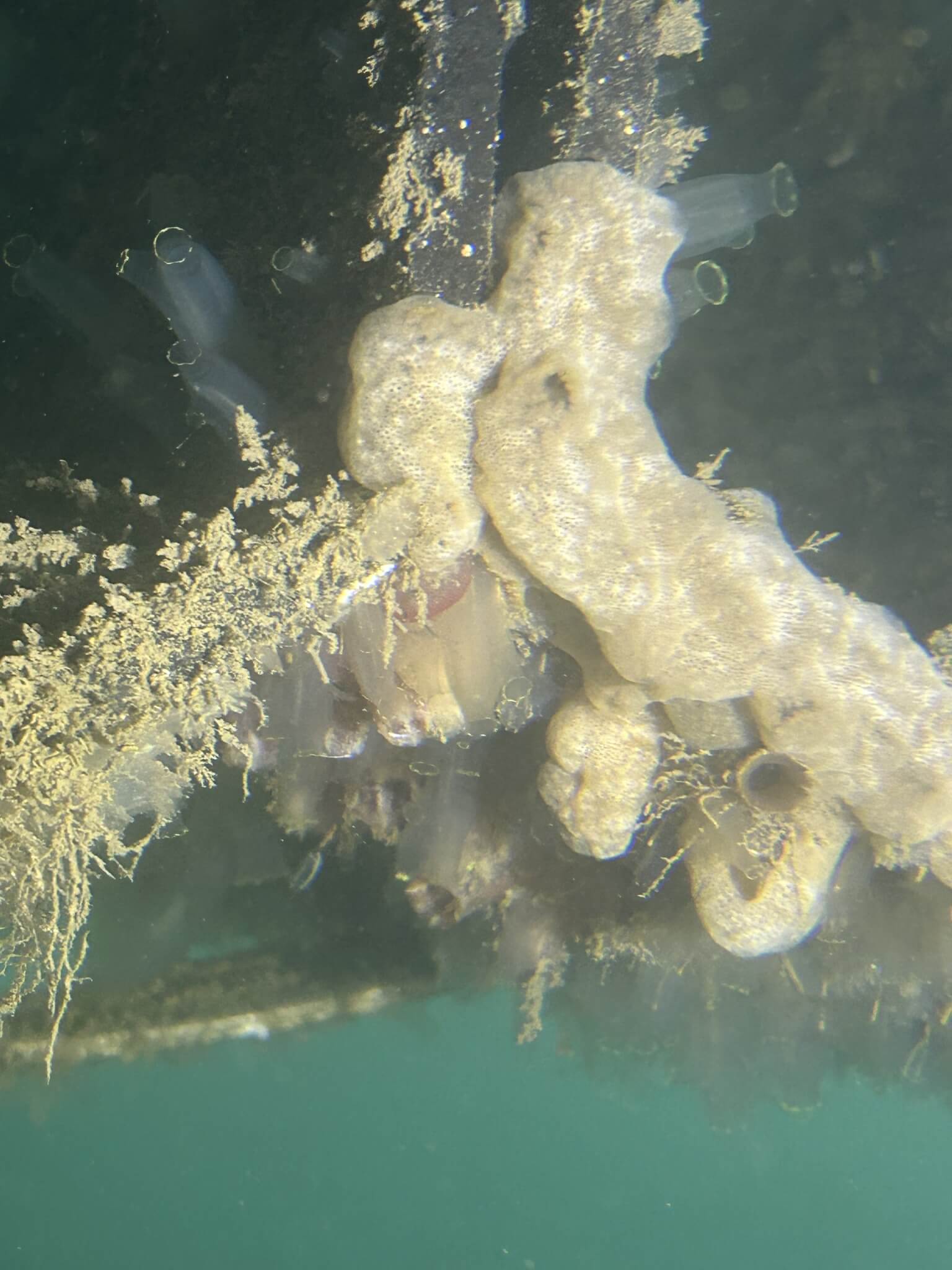
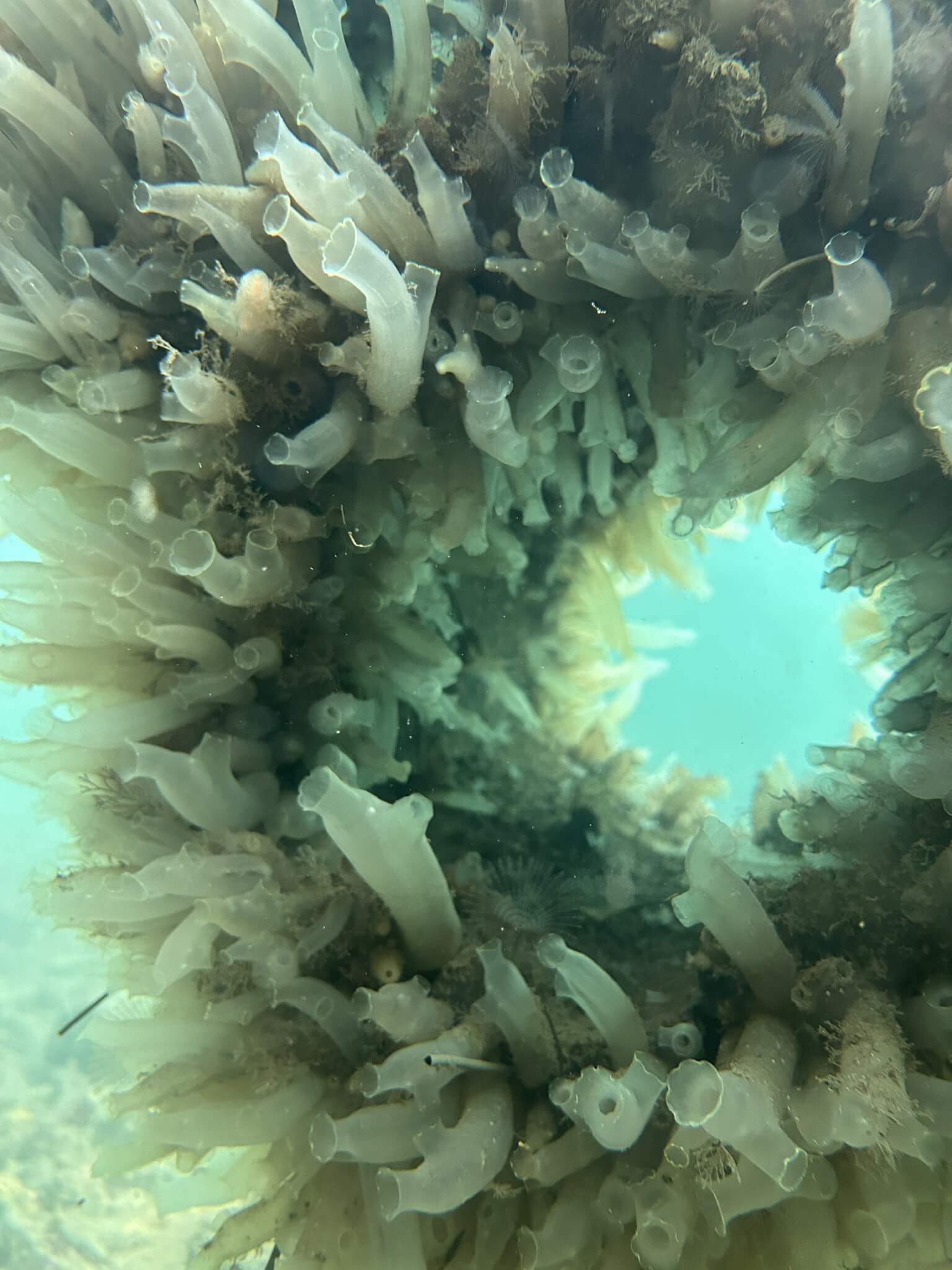
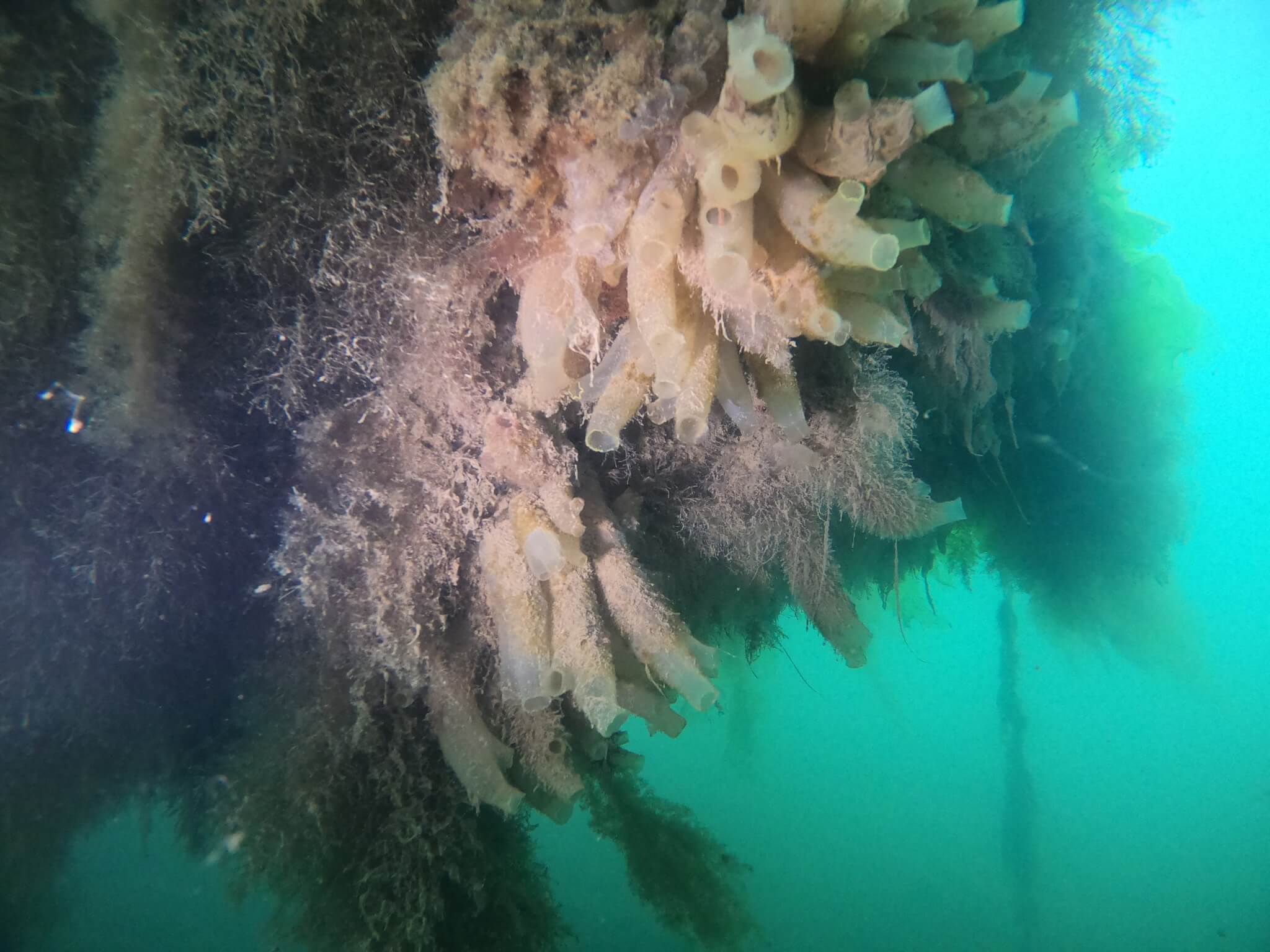
“Filter feeding animals like Sea Squirts, Fan and Keel Worms quickly cover the available surfaces, creating new ecosystems that attract fish and other animals. It has been great to see SeaHives in Devon and Cornwall being densely colonised with species taking advantage of the rich plankton flowing in from the Atlantic ocean twice a day.”
The structures are built to resemble a rocky marine environment, giving fish and other marine life a wide variety of habitats and encouraging their natural behaviour. Images and videos of the underwater worlds forming in and around them are already being used in an education outreach programme with primary schools in Devon and Cornwall, encouraging children to explore and protect life beneath the waves.
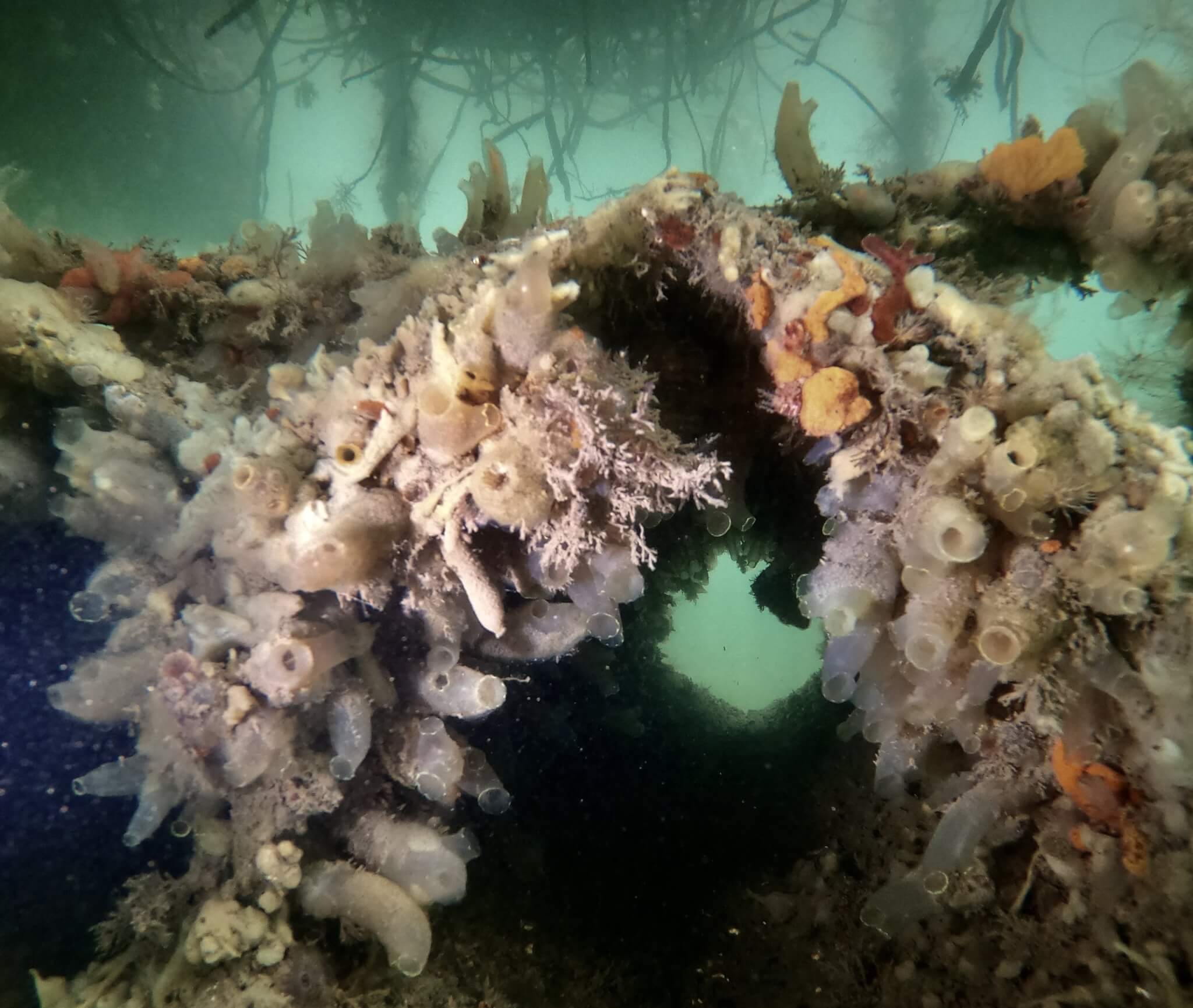
Falmouth’s first SeaHive is already busy
The town already has one. Installed outside the Tidal Zone at the National Maritime Museum Cornwall (NMMC), it was funded by the charity Sea-Changers and is already teeming with life, making it a popular attraction for visitors of all ages.
Stuart Slade, interim director at the museum, says: “We have already seen lots of marine activity, and it’s wonderful to offer visitors the chance to see an underwater ecosystem thriving in front of them. The variety of marine life living on, in and around the SeaHive has started some great conversations with school children and families.
“Our Tidal Zone is a firm favourite with visitors and a powerful opportunity to showcase the incredible biodiversity of our waters.”
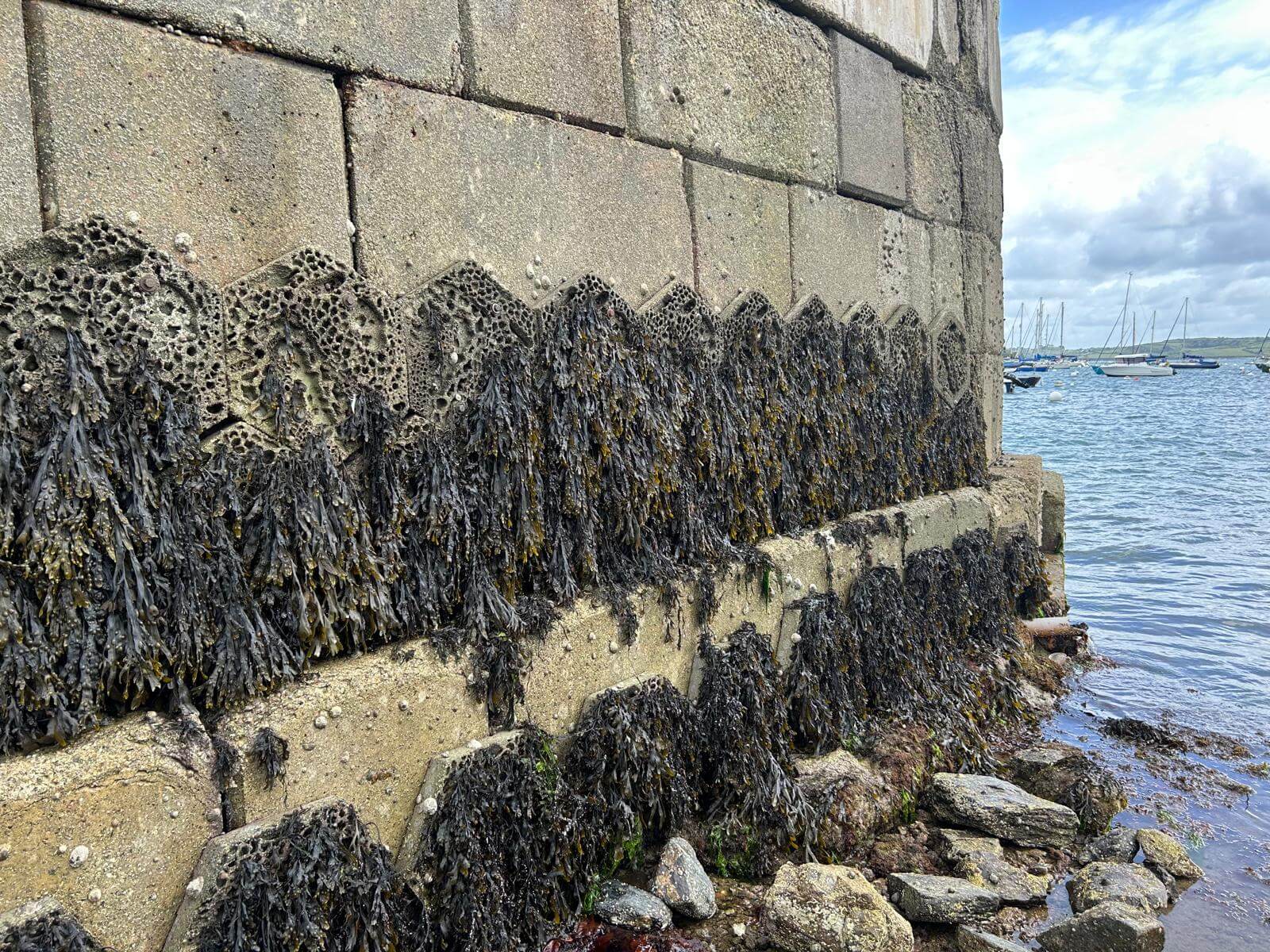
Habitiles, Reef Cubes and now a hive
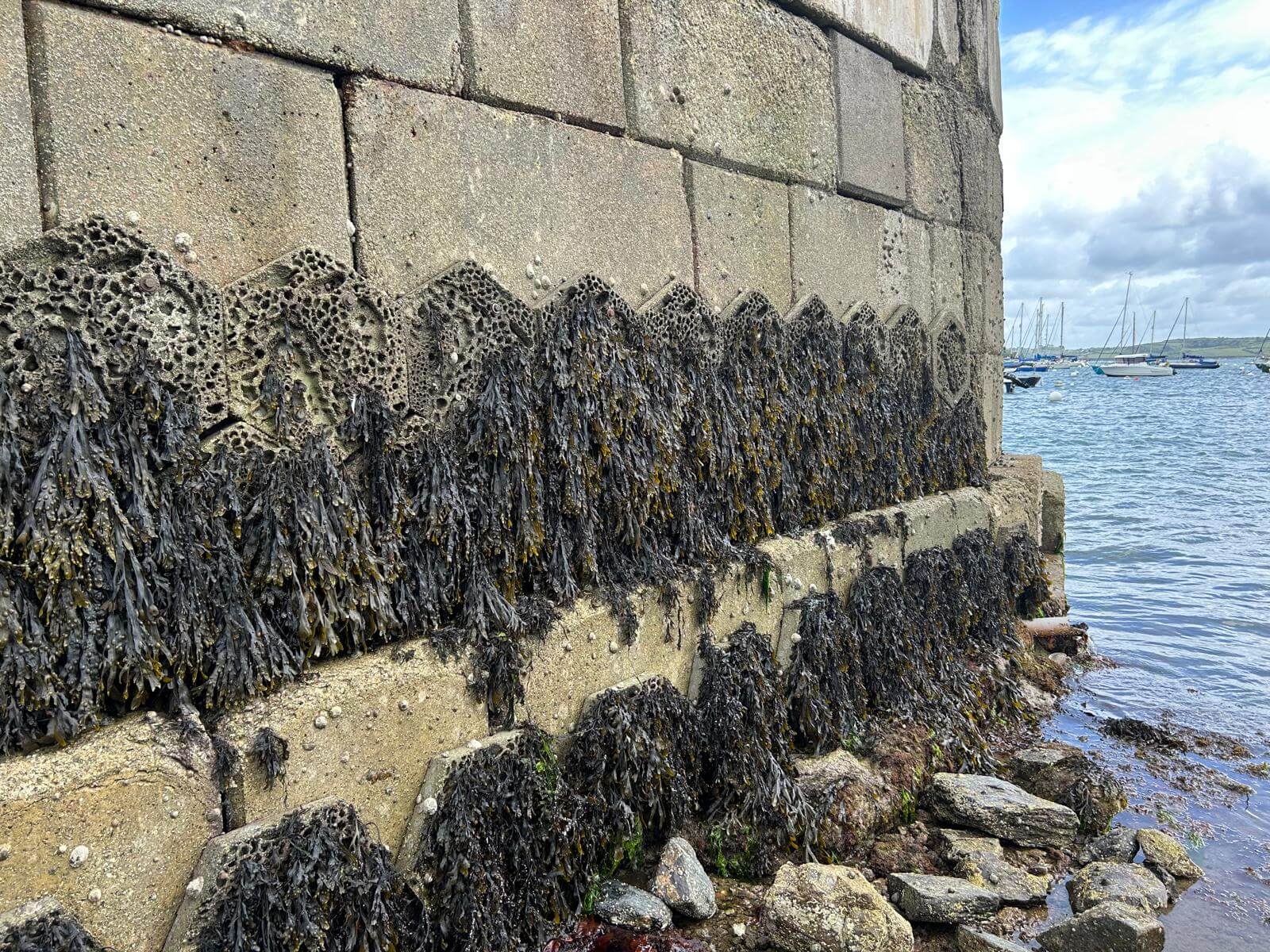
The Harbour has already created artificial habitats with sponsor-partners. “Habitiles” are attached to an intertidal sea wall, and there are “Reef Cubes” too. Both have proven highly effective at encouraging sealife, according to rigorous studies carried out over the past two years by Masters students at the University of Plymouth.
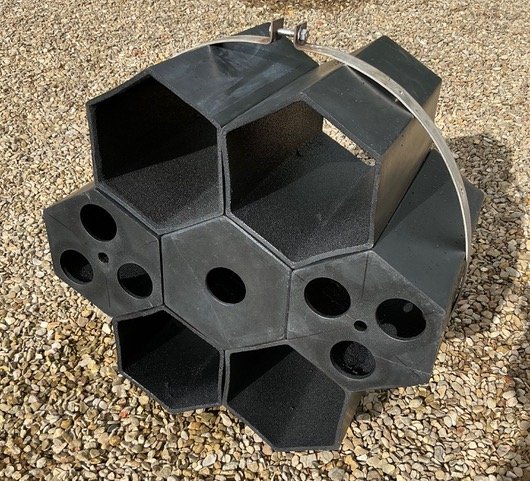
How a SeaHive is built
Each SeaHive reef costs around £3,000 installed. It is formed from seven hexagonal tubes bound together, creating nearly eight square metres of habitat for filter-feeding animals to colonise.
They are rotomoulded in South Wales from recycled nets and discarded, lost and abandoned fishing gear collected from wrecks and beaches around the UK. Stainless steel chains and retaining bands keep them suspended above the sea bed, so they avoid being damaged and breaking into smaller pieces.
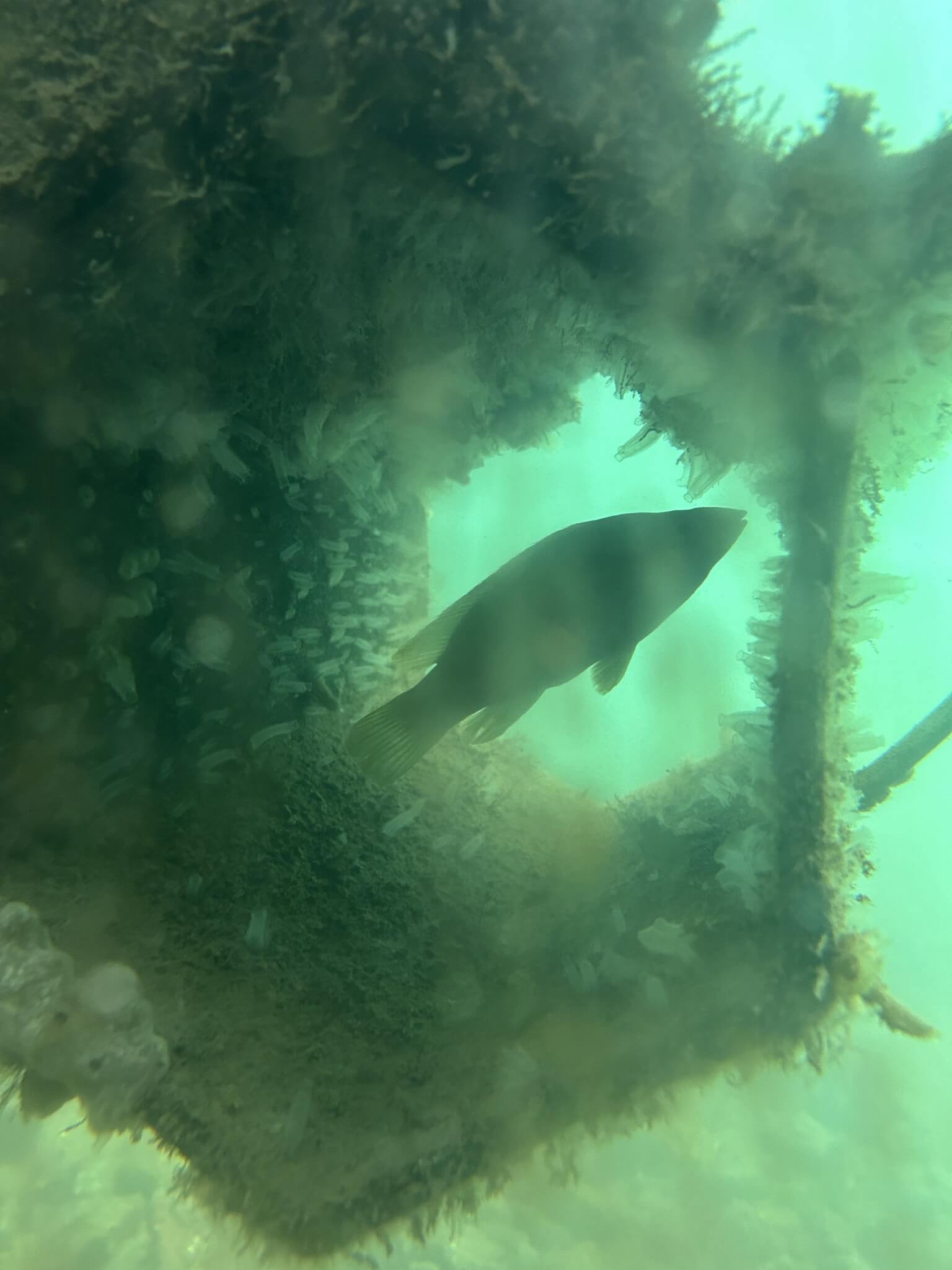
Why the Harbour wants partners
Falmouth Harbour’s Environment Manager Vicki Spooner says: “We see the use of structures that provide more niches for marine life as key to help us work towards our biodiversity goals as an organisation. The hope is these structures work in harmony with the already amazing habitats we have in our waters.
“Just as our Harbour’s Habitiles and Reef Cubes are now bristling with marine organisms, we’d love to share the story of a new SeaHive with partners in Cornwall’s hospitality and retail sectors so clients and visitors can enjoy watching sea creatures as they colonise these lodgings in an undersea world.”
How businesses can get involved
Businesses interested in joining forces with Falmouth Harbour on a SeaHive can contact Vicki on [email protected] or 01326 213537.
More on the Harbour’s natural and artificial reefs, along with its wider environmental, leisure and commercial work, is on the Falmouth Harbour website.
Read Next
- MiningA tungsten, tin, copper and silver project in the hills near Callington has become the first to be handed money from a brand new £30 million pot set up to grow Cornwall's key industries.
Share This Story, Choose Your Platform!
To keep up with the latest cornish news follow us below
Follow CornishStuff on Facebook - Like our Facebook page to get the latest news in your feed and join in the discussions in the comments. Click here to give us a like!
Follow us on Twitter - For the latest breaking news in Cornwall and the latest stories, click here to follow CornishStuff on X.
Follow us on Instagram - We also put the latest news in our Instagram Stories. Click here to follow CornishStuff on Instagram.
- 1
- 2
- 3
- 4
- 5
- 6