Hearing that the person who hurt you could spend less time behind bars than you expected is a gut punch, whoever you are and whatever happened to you. That is the reality some victims in Devon, Cornwall and the Isles of Scilly are facing as the Government presses ahead with further changes to prison release arrangements, and it is why the region’s Police and Crime Commissioner has set out what the changes actually mean.
Your daily dose of Cornwall
News, events and goings on across the Duchy
What is changing
The Government has announced further changes to prison release arrangements, part of reforms intended to address pressures on the prison estate while trying to maintain public safety. Alongside changes to eligibility, ministers have introduced additional safeguards for victims, stronger supervision requirements for offenders and increased funding for victim support services.
Writing on behalf of the Office of the Police and Crime Commissioner for Devon, Cornwall and the Isles of Scilly, Alison Hernandez says her priority is ensuring victims can secure justice with the help of the police, Crown Prosecution Service and courts, so they are protected, informed and supported at every stage of the criminal justice process. She says too many victims must fight for justice with great bravery to help remove dangerous criminals from the streets and from people’s homes, and that any change to release arrangements is alarming for victims and communities, particularly when offenders may spend less time in custody than originally expected.
The safeguards attached to release
That is why Alison says the protections surrounding release matter so much. The Justice Secretary has confirmed that offenders released under the new arrangements will be subject to strict licence conditions and enhanced supervision in the community. These can include electronic tagging, curfews, restrictions on where offenders can go, and bans on contacting victims or their families. Offenders who breach these conditions can be recalled to prison.
The measures also include the use of exclusion zones and, for some serious violent and sexual offenders, new restriction zones limiting where individuals can travel. Alison says these controls are designed to help victims feel safer in their everyday lives and reduce the risk of further criminal activity or intimidation. But she is clear that effective victim protection is about more than offender management. It also means victims getting timely information, clear communication and access to support when they need it most, from therapeutic services to restorative justice.
£18.9 million, and what it means locally
One of the most significant parts of the announcement, Alison says, is an additional £18.9 million investment in victim services nationally, recognising something police and crime commissioners have long argued for: that victims must not be an afterthought when changes are made elsewhere in the justice system.
Her office, along with those of other commissioners, will receive funding to provide local support to victims until March 2029. In Devon and Cornwall that comes to £195,000. Her team is currently putting together a plan for how it will be spent, and Alison says she will update residents in the coming weeks.
Your daily dose of Cornwall
News, events and goings on across the Duchy
Getting information about an offender’s release
Victims eligible for the Victim Contact Scheme already have support through dedicated Victim Liaison Officers via the Probation Service. These officers explain what an offender’s release means for individual cases and help victims make representations about licence conditions they believe are necessary for their protection, including requests for non-contact conditions or exclusion zones around their home, workplace or other important locations. Victims can join the scheme at any point during an offender’s sentence, even if they previously declined to.
Not every victim is eligible for that scheme, so new arrangements are being introduced to let affected victims outside it request information about offenders whose release dates may be changing. Where contact details are available, those victims will be contacted directly and given information on how to access updates about their case.
A new dedicated 24/7 victim helpline is also being set up, offering emotional support, practical advice and signposting to further services. It will not provide case specific release information, but Alison says it adds another layer of support for those affected. It will be run by Victim Support and is due to open by the beginning of October.
Reducing the number of future victims
Alison is clear that prison capacity pressures are real and that space must always be available for the most dangerous offenders, which needs investment in both the prison estate and prison officers, at pace. But she argues that managing prison numbers alone will not solve the problem. Long term reform has to focus on reducing reoffending and preventing crime in the first place, since too many offenders leave prison only to return months or years later. Rehabilitation, addiction treatment, mental health support, stable housing, employment opportunities and strong probation supervision all play a part in breaking that cycle.
She points to the Prisoners Building Homes scheme, which started in Devon and Cornwall and has since gone national, as an example, though she says it now needs investment and grip from government now that its leadership sits outside the hands of police and crime commissioners. Every time reoffending is reduced, she argues, future victims are prevented and community safety improves, which benefits not just the justice system but the people and communities it serves.
Where to get support now
Victims in Devon, Cornwall and the Isles of Scilly can contact the police’s Victim Care Unit or Victim Support’s existing Supportline and online chat now, via victimcare-dc.org. The Government’s guide for victims affected by the early release scheme is also available, titled Progression model: changes to prison release arrangements.
Other national helplines victims can access include the Domestic Abuse Helpline on 0808 200 0247, the Rape and Sexual Abuse Helpline on 0808 500 2222, the Stalking Helpline on 0808 802 0300, and the NSPCC on 0808 800 5000.
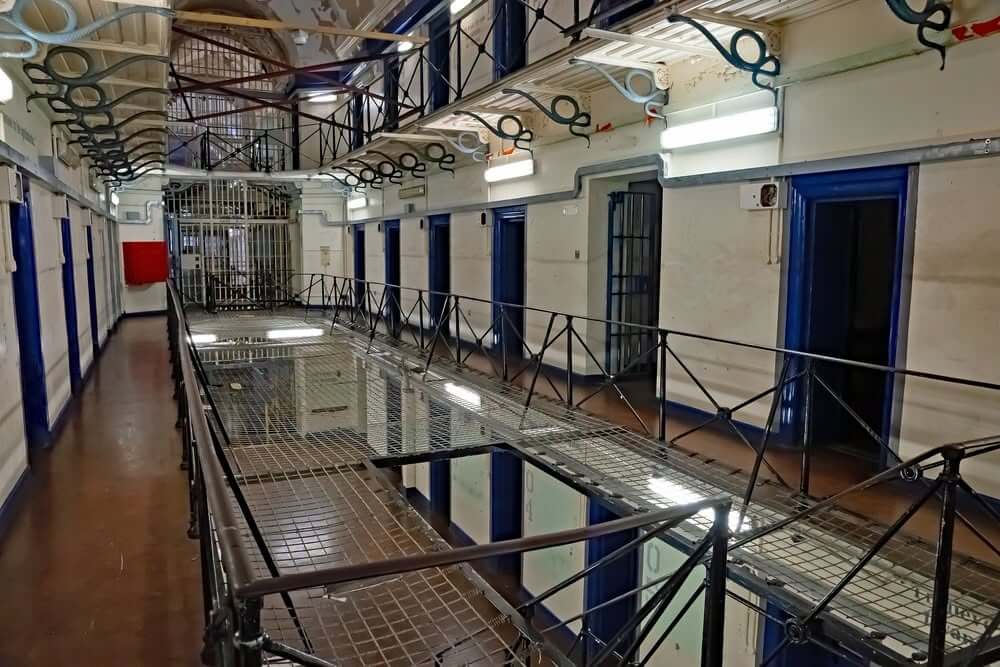






Alison Hernandez: prison releases must protect Cornwall’s victims
Hearing that the person who hurt you could spend less time behind bars than you expected is a gut punch, whoever you are and whatever happened to you. That is the reality some victims in Devon, Cornwall and the Isles of Scilly are facing as the Government presses ahead with further changes to prison release arrangements, and it is why the region’s Police and Crime Commissioner has set out what the changes actually mean.
Your daily dose of Cornwall
News, events and goings on across the Duchy
What is changing
The Government has announced further changes to prison release arrangements, part of reforms intended to address pressures on the prison estate while trying to maintain public safety. Alongside changes to eligibility, ministers have introduced additional safeguards for victims, stronger supervision requirements for offenders and increased funding for victim support services.
Writing on behalf of the Office of the Police and Crime Commissioner for Devon, Cornwall and the Isles of Scilly, Alison Hernandez says her priority is ensuring victims can secure justice with the help of the police, Crown Prosecution Service and courts, so they are protected, informed and supported at every stage of the criminal justice process. She says too many victims must fight for justice with great bravery to help remove dangerous criminals from the streets and from people’s homes, and that any change to release arrangements is alarming for victims and communities, particularly when offenders may spend less time in custody than originally expected.
The safeguards attached to release
That is why Alison says the protections surrounding release matter so much. The Justice Secretary has confirmed that offenders released under the new arrangements will be subject to strict licence conditions and enhanced supervision in the community. These can include electronic tagging, curfews, restrictions on where offenders can go, and bans on contacting victims or their families. Offenders who breach these conditions can be recalled to prison.
The measures also include the use of exclusion zones and, for some serious violent and sexual offenders, new restriction zones limiting where individuals can travel. Alison says these controls are designed to help victims feel safer in their everyday lives and reduce the risk of further criminal activity or intimidation. But she is clear that effective victim protection is about more than offender management. It also means victims getting timely information, clear communication and access to support when they need it most, from therapeutic services to restorative justice.
£18.9 million, and what it means locally
One of the most significant parts of the announcement, Alison says, is an additional £18.9 million investment in victim services nationally, recognising something police and crime commissioners have long argued for: that victims must not be an afterthought when changes are made elsewhere in the justice system.
Her office, along with those of other commissioners, will receive funding to provide local support to victims until March 2029. In Devon and Cornwall that comes to £195,000. Her team is currently putting together a plan for how it will be spent, and Alison says she will update residents in the coming weeks.
Your daily dose of Cornwall
News, events and goings on across the Duchy
Getting information about an offender’s release
Victims eligible for the Victim Contact Scheme already have support through dedicated Victim Liaison Officers via the Probation Service. These officers explain what an offender’s release means for individual cases and help victims make representations about licence conditions they believe are necessary for their protection, including requests for non-contact conditions or exclusion zones around their home, workplace or other important locations. Victims can join the scheme at any point during an offender’s sentence, even if they previously declined to.
Not every victim is eligible for that scheme, so new arrangements are being introduced to let affected victims outside it request information about offenders whose release dates may be changing. Where contact details are available, those victims will be contacted directly and given information on how to access updates about their case.
A new dedicated 24/7 victim helpline is also being set up, offering emotional support, practical advice and signposting to further services. It will not provide case specific release information, but Alison says it adds another layer of support for those affected. It will be run by Victim Support and is due to open by the beginning of October.
Reducing the number of future victims
Alison is clear that prison capacity pressures are real and that space must always be available for the most dangerous offenders, which needs investment in both the prison estate and prison officers, at pace. But she argues that managing prison numbers alone will not solve the problem. Long term reform has to focus on reducing reoffending and preventing crime in the first place, since too many offenders leave prison only to return months or years later. Rehabilitation, addiction treatment, mental health support, stable housing, employment opportunities and strong probation supervision all play a part in breaking that cycle.
She points to the Prisoners Building Homes scheme, which started in Devon and Cornwall and has since gone national, as an example, though she says it now needs investment and grip from government now that its leadership sits outside the hands of police and crime commissioners. Every time reoffending is reduced, she argues, future victims are prevented and community safety improves, which benefits not just the justice system but the people and communities it serves.
Where to get support now
Victims in Devon, Cornwall and the Isles of Scilly can contact the police’s Victim Care Unit or Victim Support’s existing Supportline and online chat now, via victimcare-dc.org. The Government’s guide for victims affected by the early release scheme is also available, titled Progression model: changes to prison release arrangements.
Other national helplines victims can access include the Domestic Abuse Helpline on 0808 200 0247, the Rape and Sexual Abuse Helpline on 0808 500 2222, the Stalking Helpline on 0808 802 0300, and the NSPCC on 0808 800 5000.
Read Next
Newquay RNLI rescue swimmer missing for two hours off Goose Rock
Your daily dose of Cornwall
News, events and goings on across the Duchy
Share This Story, Choose Your Platform!
To keep up with the latest cornish news follow us below
Follow CornishStuff on Facebook - Like our Facebook page to get the latest news in your feed and join in the discussions in the comments. Click here to give us a like!
Follow us on Twitter - For the latest breaking news in Cornwall and the latest stories, click here to follow CornishStuff on X.
Follow us on Instagram - We also put the latest news in our Instagram Stories. Click here to follow CornishStuff on Instagram.
Latest News In Cornwall
Why you’ll see emergency crews on the Tamar Bridge tonight
Newquay RNLI rescue swimmer missing for two hours off Goose Rock
Grade Ruan footpath reopens after new timber bridges built
Cornwall and Devon justice chiefs meet over 4-in-1,000 gap
Omaha Road in Bodmin shut all week after burst water main
Land’s End Coastguard’s busy week: a search and a Nanjizal rescue
Got A News Story Or Event To Share With Cornwall?
Want to share your event or story with cornwall?
Send us the details and we will spread the word!
Other News In Cornwall
Why you’ll see emergency crews on the Tamar Bridge tonight
Newquay RNLI rescue swimmer missing for two hours off Goose Rock
Grade Ruan footpath reopens after new timber bridges built
Cornwall and Devon justice chiefs meet over 4-in-1,000 gap
Omaha Road in Bodmin shut all week after burst water main
Land’s End Coastguard’s busy week: a search and a Nanjizal rescue
St Stephen in Brannel launches its first Speed Watch patrol
Cornwall’s new electric buses get a sneak peek in Truro
Truro shop to Pendeen barns: Cornwall’s 27 auction lots
Cornwall weather: Tuesday 8 September, heavy rain before a drier week
Nisha Parmar and matblak head to Truro for rare masterclasses
Penryn T-shirt workshop gives Falmouth children a voice
Ben and Tom Waters bring boogie-woogie to Minack Theatre
Noah Law to update St Austell on town centre pledge
Treveth marks 500th Cornwall home with Blackwater handover
Cyber Choices: free police course for Cornwall schools
Scott Temple joins CHAOS Radio’s new-look breakfast show
Leeds study finds zebra crossings confuse autistic children most
Biscovey Primary wins epilepsy care award for Grace, 5
Tony Palmer brings his Beatles films to Wadebridge
Where Devon and Cornwall’s speed cameras are this week
Boscawen Street and Lemon Street closures start in Truro today
Duchy College’s Holly Wins West Country Dairy Award
Padstow Coastguard’s race against the tide at Constantine Bay