South West Set to Receive £67m a Year from New Crisis and Resilience Fund

The South West is set to receive £67m a year as part of a new £1bn Crisis and Resilience Fund, as legislation to remove the two-child limit reaches its second reading in Parliament.
The funding forms part of the government’s Child Poverty Strategy and is aimed at preventing families from falling into poverty by providing longer-term, locally delivered support.
£67m a Year for the South West
Under the plans, Local Authorities across the South West will share £67m annually through the Crisis and Resilience Fund. The fund will launch in April and will be distributed across England, replacing the Household Support Fund.
For the first time, crisis support funding will be agreed on a multi-year basis, with funding confirmed until 31st March 2029. This is intended to give councils the certainty to plan ahead and deliver long-lasting support based on local needs.
The fund will also bring together Discretionary Housing Payments into a single grant, reducing administrative work for councils while helping families access support when they need it.
Two-Child Limit Bill Reaches Second Reading
The announcement comes as legislation to end the two-child limit reaches its second reading stage in Parliament.
According to the government, the two-child limit is the single biggest driver of growth in child poverty. Removing it is described as the quickest and most cost-effective way to lift 450,000 children out of poverty in the final year of this Parliament, with a total of 550,000 children expected to benefit overall.
What the Funding Can Be Used For
Guidance released alongside the funding outlines how councils could use the money. This includes joining up local services such as debt advice and financial support, helping households facing a shortfall in housing costs, and running programmes to ensure children do not go hungry during school holidays.
The guidance was co-designed with councils and charities.
What Ministers and Charities Are Saying
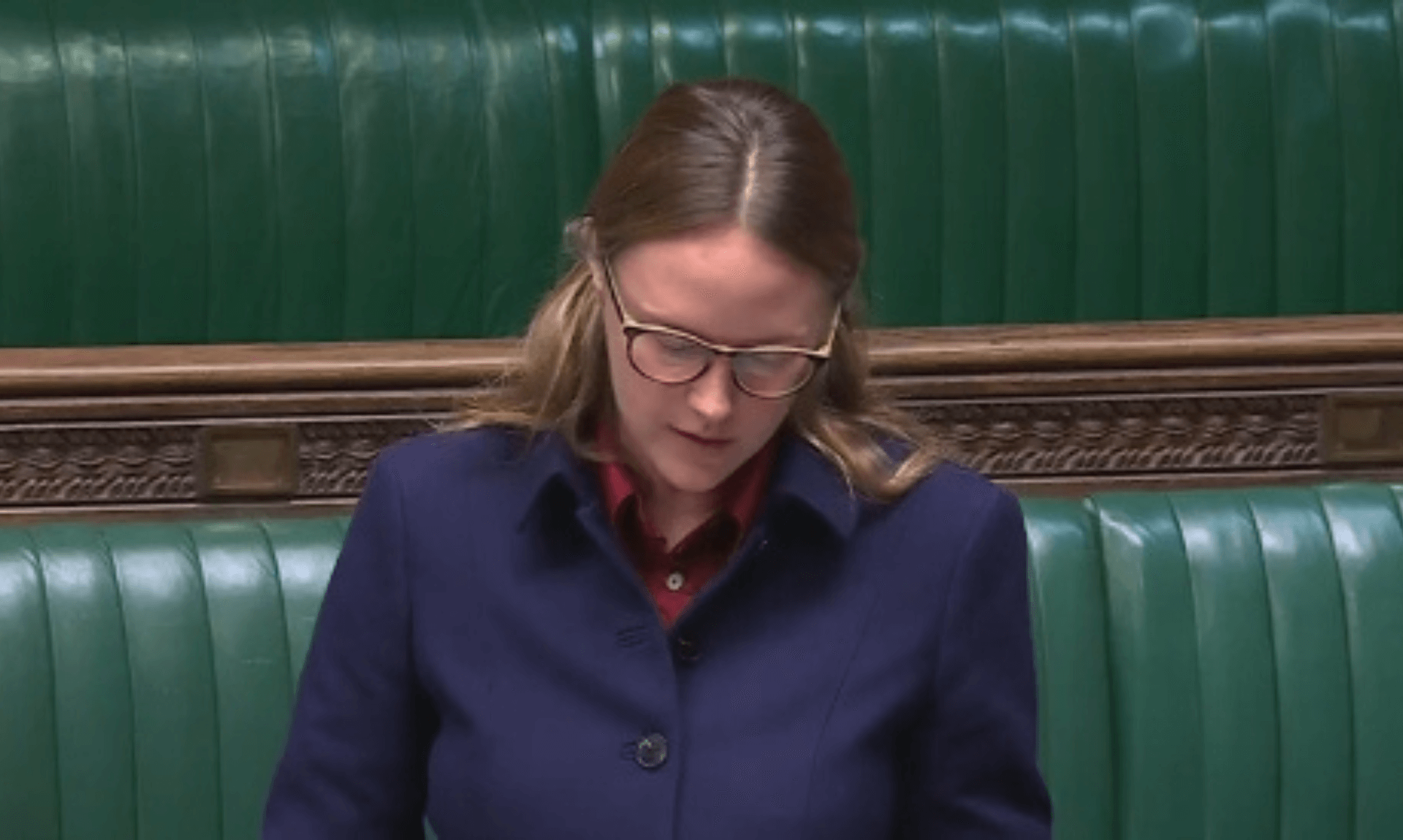
Dame Diana Johnson, Minister for Employment, said:
“Families deserve support before a crisis hits, not after. By scrapping the two-child limit and launching a £1bn Crisis and Resilience Fund, we’re giving councils the tools to help families build real financial security.
“Growing up in poverty has a significant impact on health, education and employment and lifting 550,000 children out of these circumstances isn’t just about fairness today, it’s about building a stronger Britain for the future.”
Sabine Goodwin, Director of the Independent Food Aid Network, said:
“The eagerly awaited Crisis and Resilience Fund is set to be groundbreaking for households living on low incomes in English local authorities. Its newly published guidance outlines the delivery of effective crisis support via prioritised cash payments enabling choice and dignity as well as the need to help residents build financial resilience through bolstered community support.
“Taking a cash-first approach to poverty, this multi-year funding pot has the capacity to reduce the number of people having to turn to charitable food providers and to help fulfil the Government’s commitment to end mass dependence on emergency food parcels.”
Emma Revie, co-chief executive at Trussell, said:
“We are delighted to see the Crisis and Resilience Fund launched this year, and to have been able to work with the government and our partners to ensure it is designed to provide effective support for people at risk of needing a food bank.
Every day, food banks see how people living on the lowest incomes can be quickly tipped into crisis by an unexpected cost or financial shock such as illness or a job loss. Effective crisis support is crucial to prevent people from falling into severe hardship, so they can still afford the essentials we all need.
“The new Crisis and Resilience Fund is a vital step towards ensuring no-one is forced to turn to a food bank to get by, and represents important progress on the government’s manifesto commitment to ending the need for emergency food. We welcome its development, which is based on the evidence and insights from our community of food banks and other experts in the Crisis Support Working Group and we look forward to continuing this work in partnership to help end the need for food banks for good.”
Wider Cost of Living Measures
Alongside the Crisis and Resilience Fund and the proposed removal of the two-child limit, the government says it is also acting to reduce the cost of living by increasing the National Living Wage, cutting an average £150 from household energy bills, and freezing rail and prescription charges.
The Minister for Employment is visiting Hope4All in Sunderland today, Tuesday 3rd February 2026, where a community-led food club and advice service has reduced local food bank reliance by 40 per cent, highlighting the role of locally run support services.
Provisional funding allocations have already been shared with councils as they prepare for the fund to launch in April.
Share This Story, Choose Your Platform!
To keep up with the latest cornish news follow us below
Follow CornishStuff on Facebook - Like our Facebook page to get the latest news in your feed and join in the discussions in the comments. Click here to give us a like!
Follow us on Twitter - For the latest breaking news in Cornwall and the latest stories, click here to follow CornishStuff on X.
Follow us on Instagram - We also put the latest news in our Instagram Stories. Click here to follow CornishStuff on Instagram.
You Might Also Be Interested In







Don’t Miss What’s Happening in Cornwall
Join others in Cornwall by receiving the latest daily news in Cornwall, sent direct to your inbox.