Forgotten Temperance Buildings in Cornwall Brought Back Into Focus
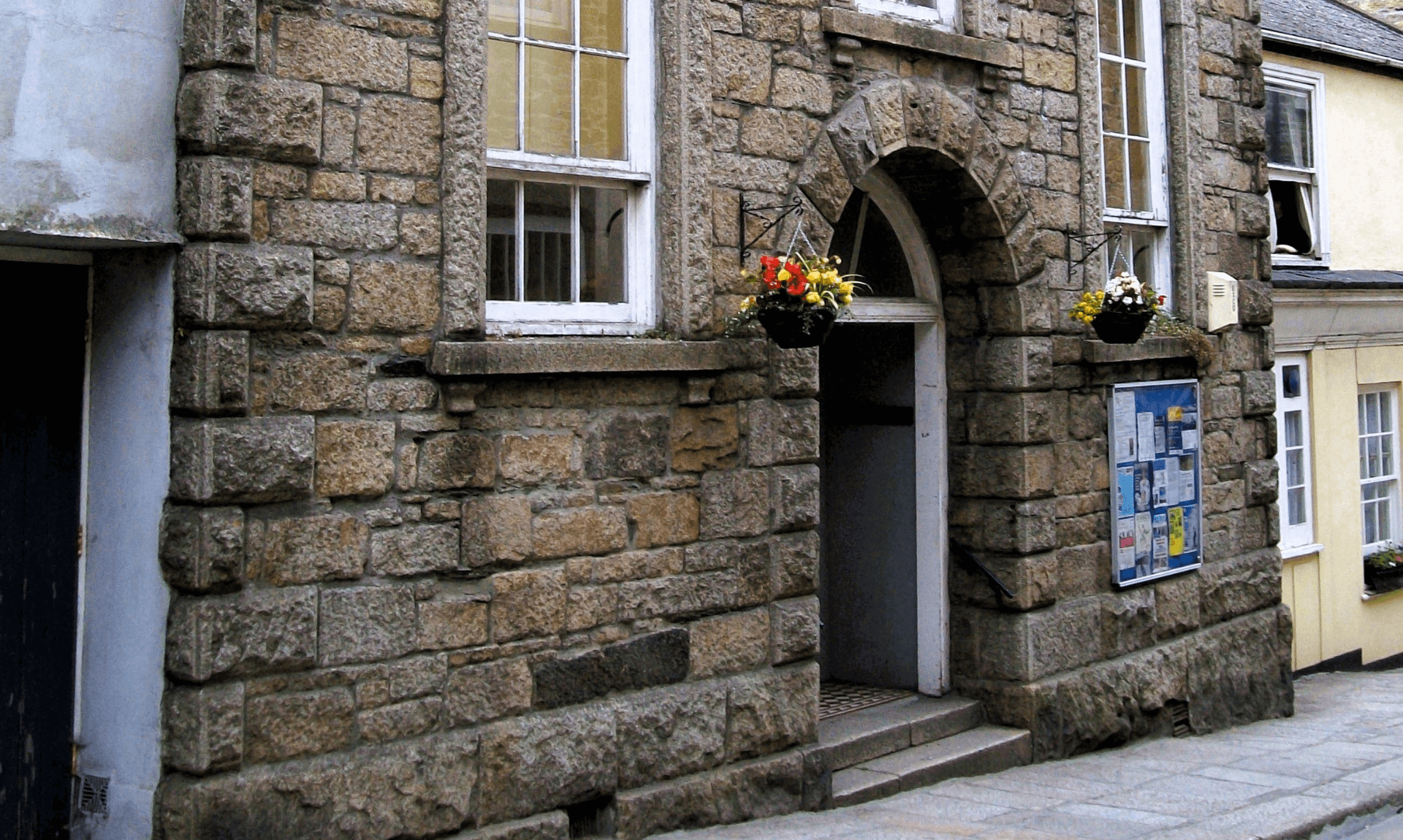
During Dry January, a new book is shining a light on a largely forgotten social movement that once reshaped towns and cities across England, including parts of Cornwall and the wider South West.
Historic England and Liverpool University Press have today announced the publication of The Built Heritage of the Temperance Movement: ‘The Way Out of Darkest England’ by Andrew Davison. It is the first comprehensive study of the buildings created by the Temperance movement, once the largest social campaign in England. The book is available now via Amazon.
A Parallel World Without Alcohol
The Temperance movement emerged in the 19th century in response to what campaigners saw as the damaging effects of alcohol. Millions signed the pledge to abstain, leading to the creation of a parallel, alcohol-free world.
This included Temperance halls, coffee taverns, billiard halls, drinking fountains, hospitals and even insurance companies that only dealt with teetotallers. At its height between 1880 and 1914, there were as many as 500 Temperance hotels across the country.
By 1853 alone, more than 300 Temperance halls existed in England, with over 90 in London. Despite this scale, many of these buildings have since disappeared or lost their original identity.
Cornwall’s Temperance Buildings Up Close
Several Temperance buildings survive in Cornwall, although their original purpose is often overlooked.
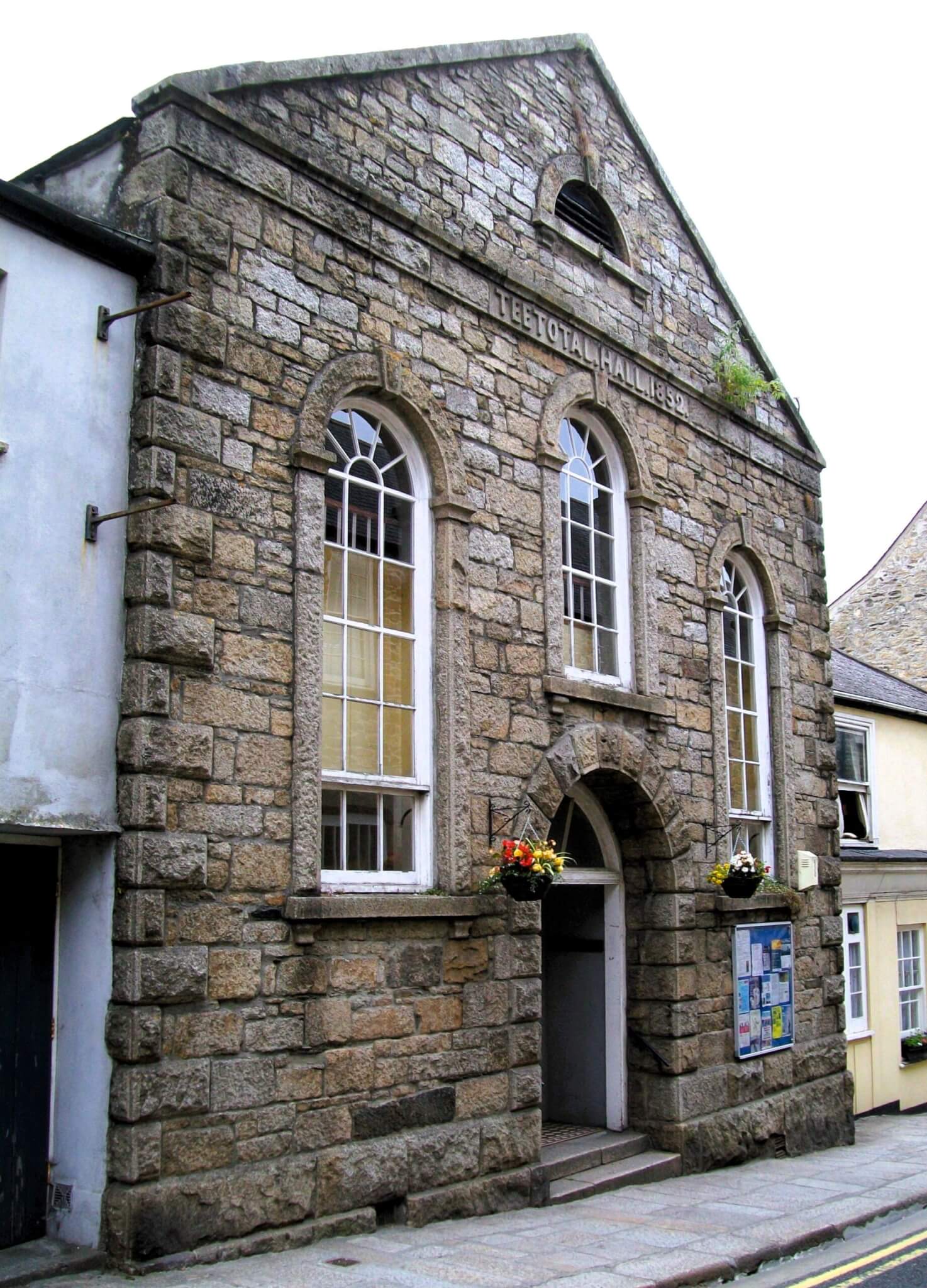
The Teetotal Hall in Penryn is a Grade II listed building dating back to 1852. Built in granite, the modest two storey hall features a classical facade and still displays its Temperance heritage through an inscribed frieze reading “TEETOTAL HALL” beneath its pediment. It was created as a dedicated alcohol free meeting space for the local community during the height of Victorian Temperance reform.
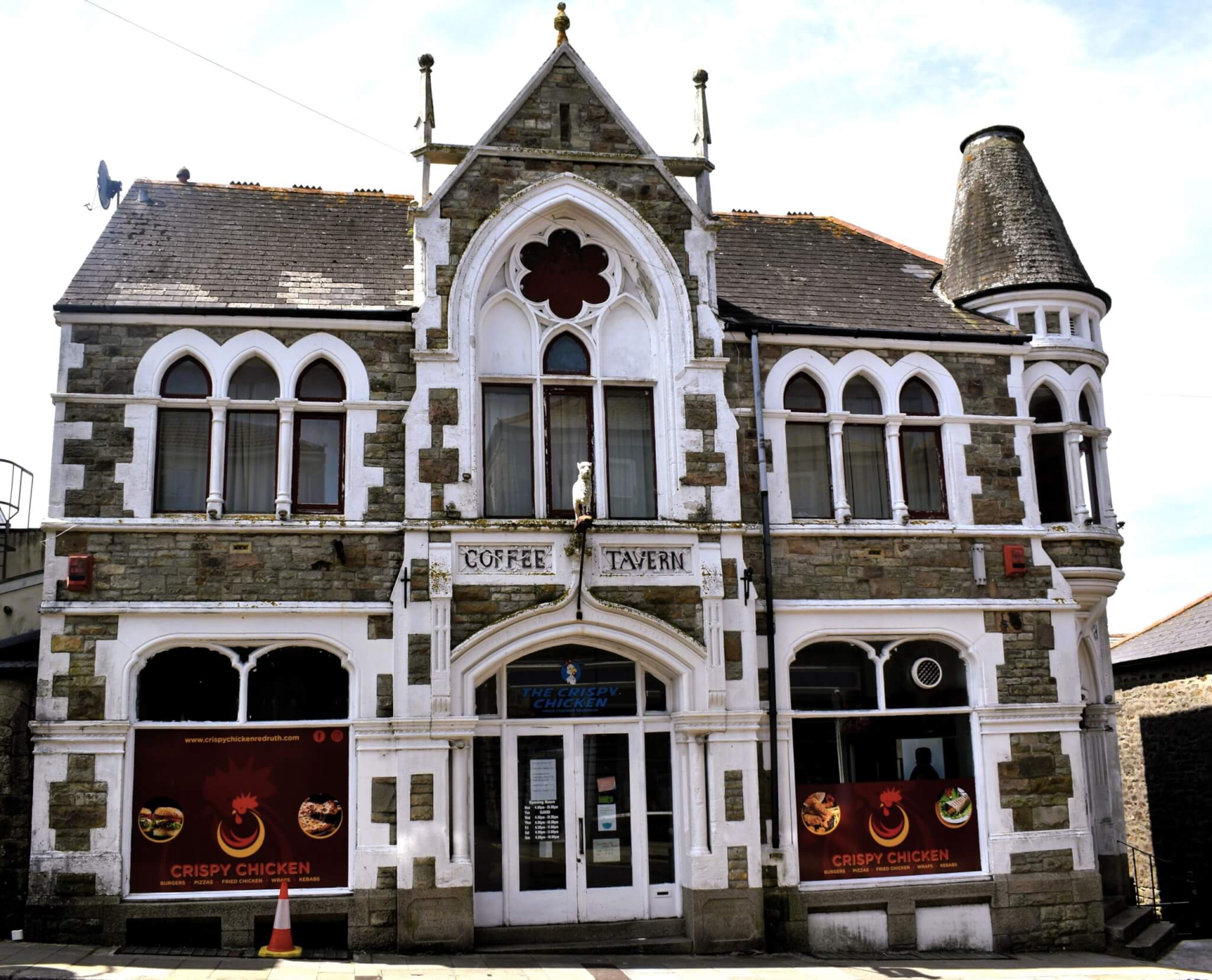
Also in Cornwall is the former Lamb Coffee Tavern in Redruth, now a Grade II listed building, which once formed part of the wider network of alcohol free social spaces promoted by the movement.
Surviving Buildings Across the South West
Elsewhere in the South West, surviving Temperance buildings include the former Raleigh Hotel in Dartmouth, Devon, now Grade II listed, and the Royal Albert Temperance Hall in South Molton. The Queen Victoria drinking fountain at the Market Building in Bristol and the Temperance Hall in Cirencester, Gloucestershire, are also listed reminders of the movement’s reach.
Built by Communities, For Communities
The book reveals how this vast building programme was funded through a mix of community donations, shares in specially formed companies, private sponsorship and voluntary, unpaid labour.
Working-class communities played a major role. In some places, local people provided excavation, joinery and painting work for free. This level of community involvement anticipated modern ideas of community-led regeneration by more than a century.
The movement was also closely linked with other social causes of the time, including campaigns against slavery, and efforts to secure universal education and voting rights for both men and women. It offered rare opportunities for women to take on public leadership roles, with groups such as the British Women’s Temperance Association funding major building projects.
Forgotten Origins in Plain Sight
Many surviving Temperance buildings are still in use today, often as village halls, community centres, churches or private homes. In most cases, their connection to the Temperance movement has faded from memory.
Some well-known buildings have surprising pasts. The Old Vic theatre in London, for example, spent many years operating as a Temperance music hall. Across the country, drinking fountains and village halls continue to stand as quiet reminders of this once powerful campaign.
A Call to Fill in the Gaps
Andrew Davison from Historic England said:
“This research has revealed one of the most remarkable but forgotten chapters in English social and architectural history. The Temperance movement created a parallel world that touched every aspect of Victorian life, yet the origins of these buildings have become invisible to us. Every surviving Temperance building connects us to ancestors who believed passionately that they could change society for the better.”
Historic England is now encouraging people to share their knowledge of Temperance buildings through the Missing Pieces Project, helping to uncover more of this hidden history across the country.
Share This Story, Choose Your Platform!
To keep up with the latest cornish news follow us below
Follow CornishStuff on Facebook - Like our Facebook page to get the latest news in your feed and join in the discussions in the comments. Click here to give us a like!
Follow us on Twitter - For the latest breaking news in Cornwall and the latest stories, click here to follow CornishStuff on X.
Follow us on Instagram - We also put the latest news in our Instagram Stories. Click here to follow CornishStuff on Instagram.
You Might Also Be Interested In





Don’t Miss What’s Happening in Cornwall
Join others in Cornwall by receiving the latest daily news in Cornwall, sent direct to your inbox.