Learning Disabilities Nurse Supports Teen to Overcome Needle Phobia
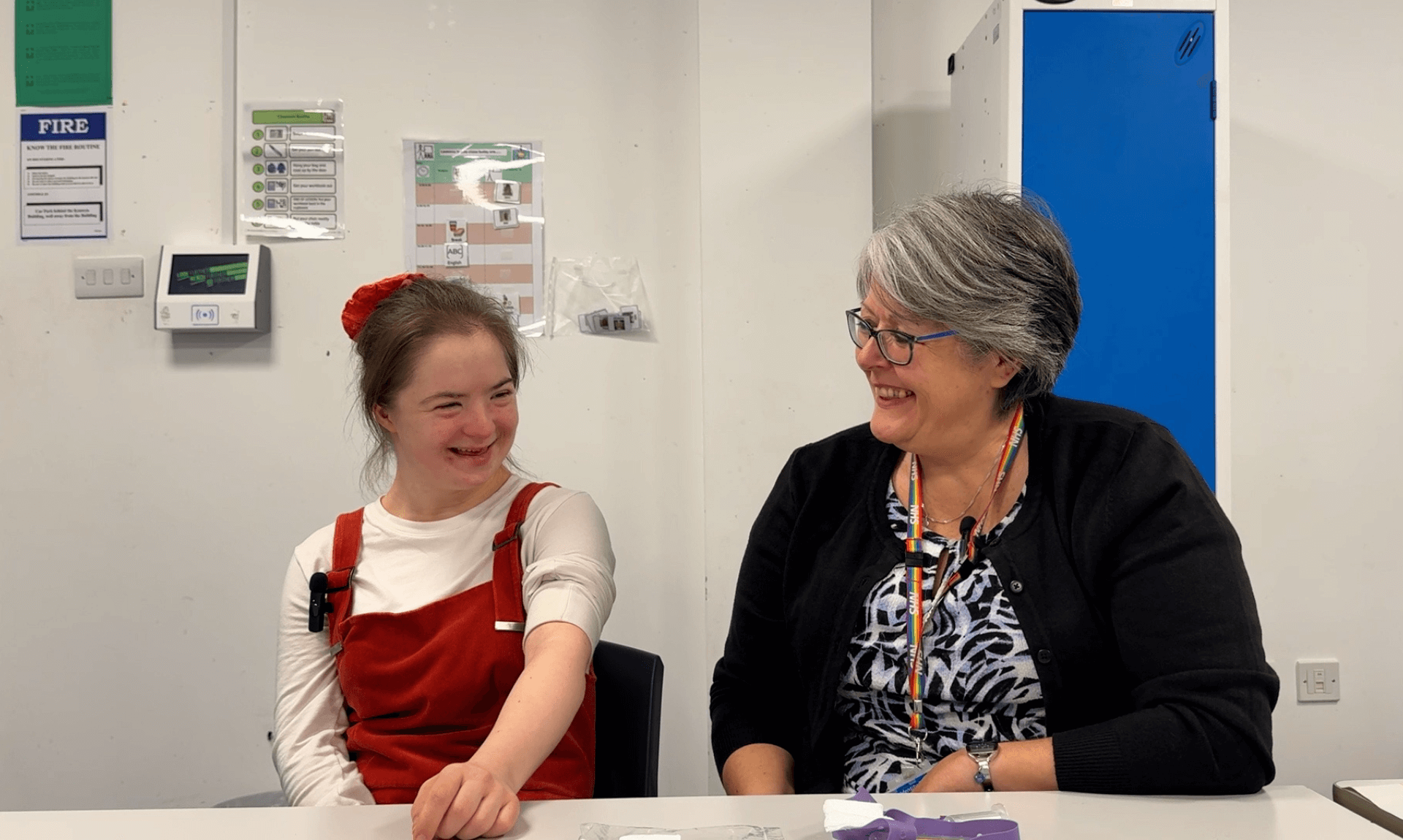
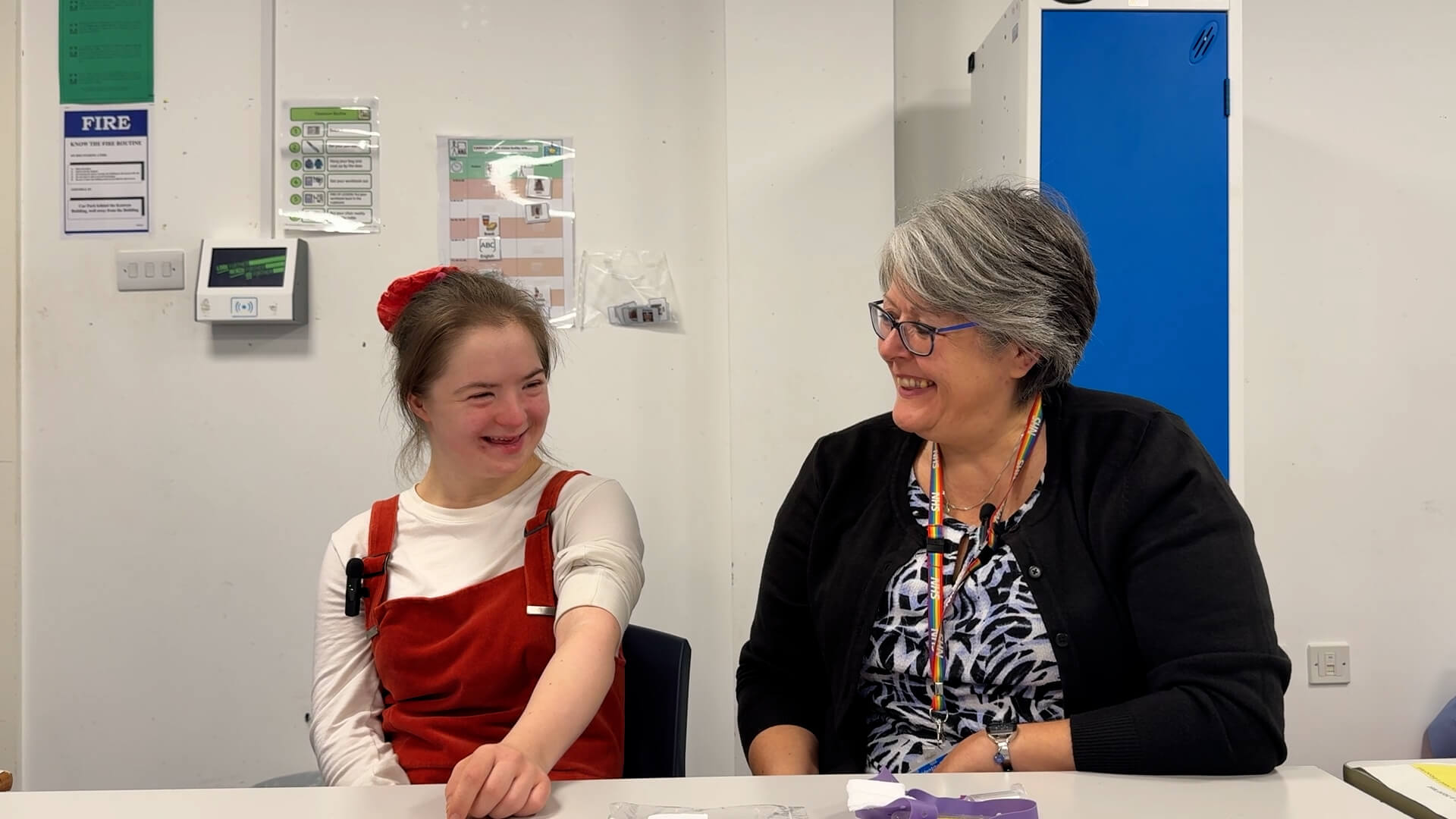
A learning disabilities nurse has helped a young woman with a severe needle phobia to successfully have a blood test, after weeks of careful preparation built around trust, patience and choice.
Natty is 19 and has a learning disability. She developed a needle phobia in her teens, something that can make routine health checks stressful for both the person affected and their family.
Needle phobia can make blood tests anxiety provoking for everyone involved, and over time Natty’s experiences became increasingly distressing.
A phobia that grew harder to manage
Natty’s mum, Hayley, explained how things changed as Natty got older.
“Each blood test became more traumatic. Where we had once been able to coax Natty into having a blood test and distracted her with cuddles, toys and even Entonox, we found that as she got older, every attempt became more distressing for her.”
When Natty turned 18, she was referred into the adult learning disability service. That is where she met her learning disabilities nurse, Zahra Harper, who works within the Trust’s adult learning disability service.
Zahra highlighted the wider issue faced by many people with learning disabilities.
“Evidence suggests that people with a learning disability can be at a greater risk of health inequalities. This includes barriers to health investigations, such as blood tests. This can lead to people’s health not being monitored.”
Breaking down barriers, step by step
When Zahra first met Natty, they talked through her fears and experiences and created a person-centred care plan focused on how best to support her at the GP surgery.
“I visited Natty to work closely with her and to help understand her fears and past experiences with needles.
“I suggested that together we create a step-by-step desensitisation plan to help her have a positive blood test. The visual guide was to help Natty get a better understanding of how a blood test would be taken. It was broken down into easy-to-read steps with pictures. Natty even modelled in the photos!”
Zahra also brought practical resources to her visits.
“I started to bring props to my meetings with Natty, like imitation needles and cream. This was to give her the opportunity to see and hold the things the nurse at her GP surgery would use.
“I took photos of the GP surgery, the equipment that would be used and the nurse’s room to prepare Natty. By taking away the element of surprise, we helped to prepare Natty for what was going to happen at her blood test.”
Working together and staying flexible
Zahra worked closely with Natty’s personal assistant, Helen, to break each stage into manageable steps. They practised each part of the process until Natty felt comfortable enough to move forward.
“The plan was tailored to Natty’s specific needs. We even included a hot chocolate treat at the end!
“Natty engaged in the decision-making throughout. This gave her a sense of control and confidence. The plan was flexible, evolving with her comfort level.
“The plan is regularly reviewed and updated dependent on the person’s needs. We always ensure the person is involved as much as possible in each step of the plan.
“By supporting and empowering people with learning disabilities to create and use these plans, it is hoped that we can help reduce health inequalities.”
Zahra added: “If one step on the plan felt like too much, or was a bit overwhelming, we would stay there and practice it for a bit longer. Then when Natty was ready, we moved onto the next step.”
A proud moment
After weeks of preparation, it was Natty who decided when she was ready to book a real blood test. Zahra worked with the GP surgery to arrange the appointment and agree reasonable adjustments for the day.
When the appointment arrived, Natty felt prepared and went ahead with the blood test.
Afterwards, Natty said she “felt less frightened and proud.”
Reflecting during UK Disability History Month
The story was shared during UK Disability History Month, which ran from 14th November to 20th December. The Trust marked the month as a time to reflect on the experiences of people living with a disability or long-term condition and to renew its commitment to an inclusive workplace.
More information about UK Disability History Month can be found on the UK Disability History Month website. You can also read how the Trust supported staff during the month via Cornwall Partnership NHS Foundation Trust.
Share This Story, Choose Your Platform!
To keep up with the latest cornish news follow us below
Follow CornishStuff on Facebook - Like our Facebook page to get the latest news in your feed and join in the discussions in the comments. Click here to give us a like!
Follow us on Twitter - For the latest breaking news in Cornwall and the latest stories, click here to follow CornishStuff on X.
Follow us on Instagram - We also put the latest news in our Instagram Stories. Click here to follow CornishStuff on Instagram.
You Might Also Be Interested In




Don’t Miss What’s Happening in Cornwall
Join others in Cornwall by receiving the latest daily news in Cornwall, sent direct to your inbox.