Cornwall Practitioner’s BLS Training Tested Hours After Course
What are the chances of needing to use life-saving skills the very same day you refresh them? For one Cornwall NHS practitioner, that exact scenario played out within hours of leaving a training room.
Your daily dose of Cornwall
News, events and goings on across the Duchy
A Call That Came Sooner Than Expected
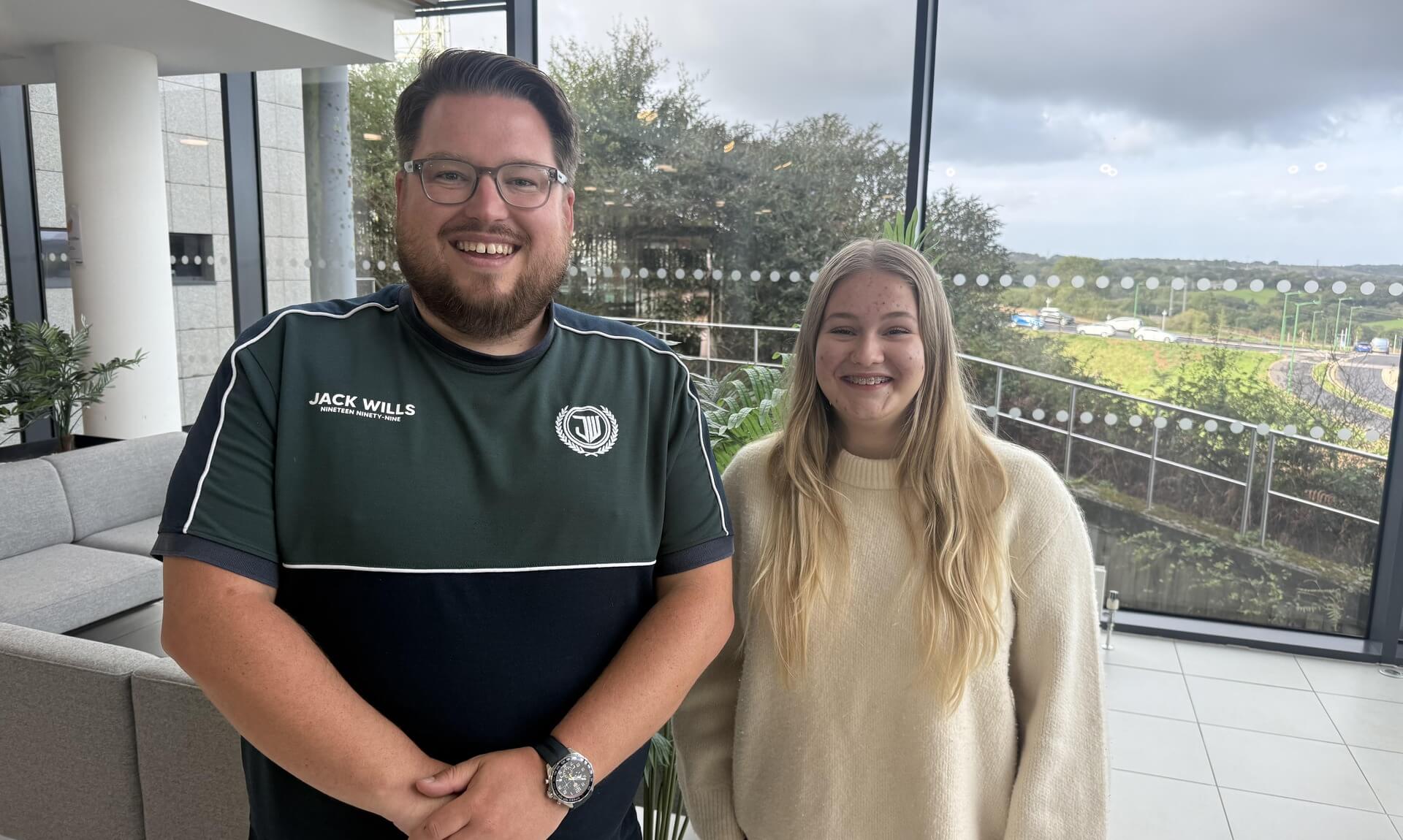
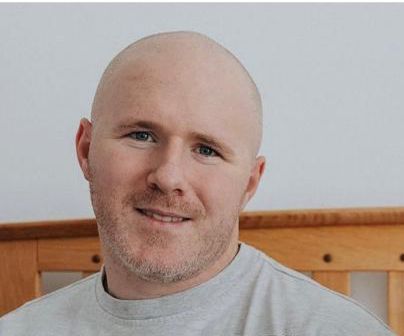
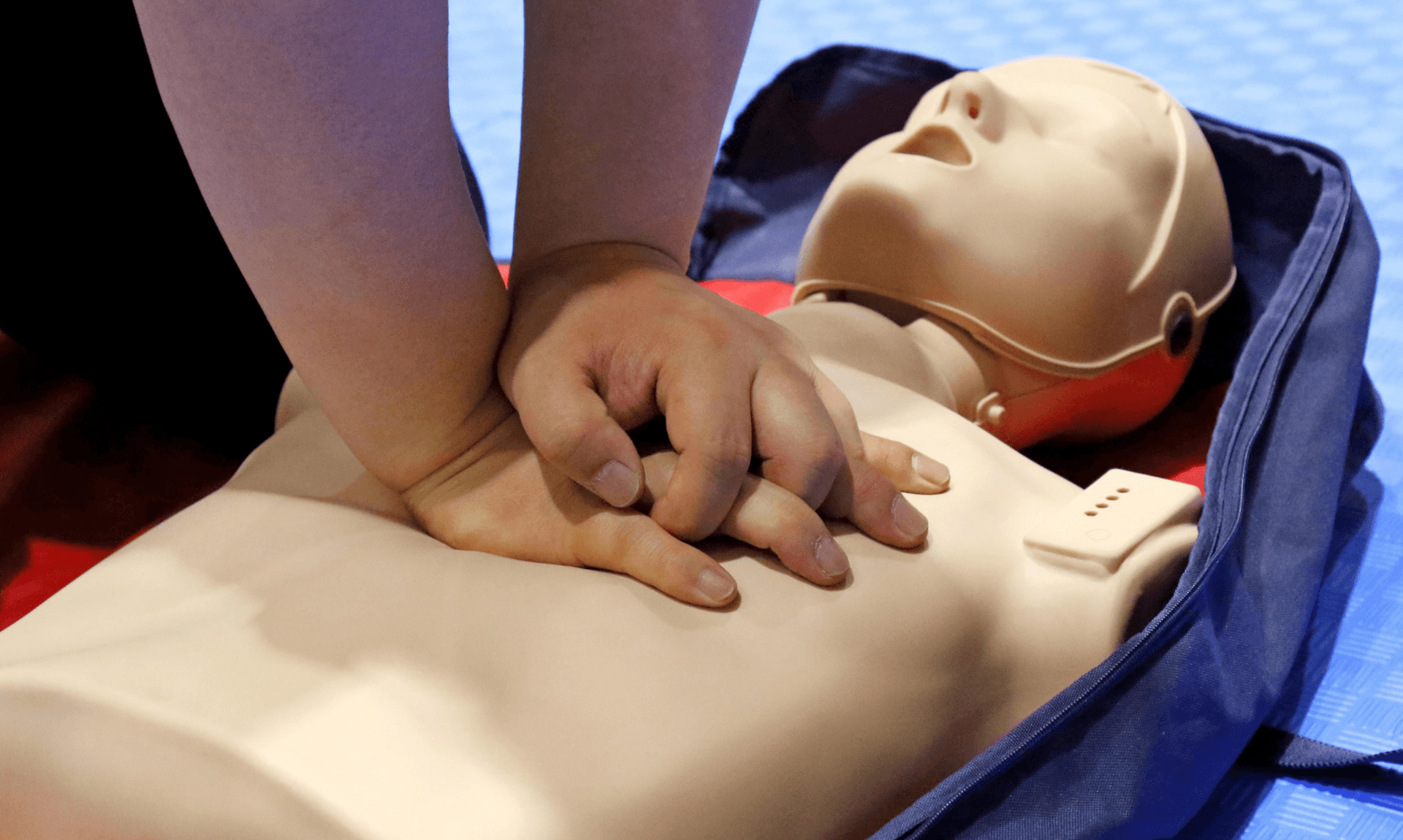
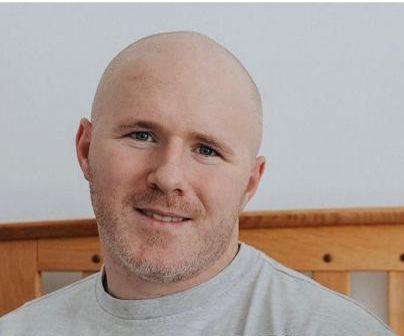
Liam Button, the infection prevention lead practitioner for the Trust, had just arrived home after attending a basic life support (BLS) training session for Trust staff when his phone alerted him to a cardiac arrest nearby.
The session he attended was delivered by Kate Hawkins, the acute deterioration and resuscitation lead for the Trust’s resuscitation team.
Shortly after Liam got home, the GoodSAM app on his phone notified him that someone in his neighbourhood was in cardiac arrest.
“I could not believe that after returning home following my BLS training that morning my GoodSAM app went off for the first time,” Liam said.
“There was a cardiac arrest at a home just round the corner. There was also an off-duty paramedic who had received the same alert. Together, we administered cardiopulmonary resuscitation (CPR). We used an automated external defibrillator (AED) to try and restart the heart before an ambulance could arrive.”
He added: “It’s such a valuable app and refreshing my BLS training that morning helped.”
Why Training Makes the Difference
Kate said the timing showed exactly why these courses matter.
“After attending the BLS training, Liam had the confidence to attend the incident,” she said.
“Knowing CPR, how to use an AED, and being on apps like GoodSAM can literally be the difference between life and death in an emergency.
“Learning these skills means you’re prepared to act in the critical first minutes of an emergency, when intervention matters most. It’s one of the most practical and impactful ways to help others in real life.”
What Each Element Does
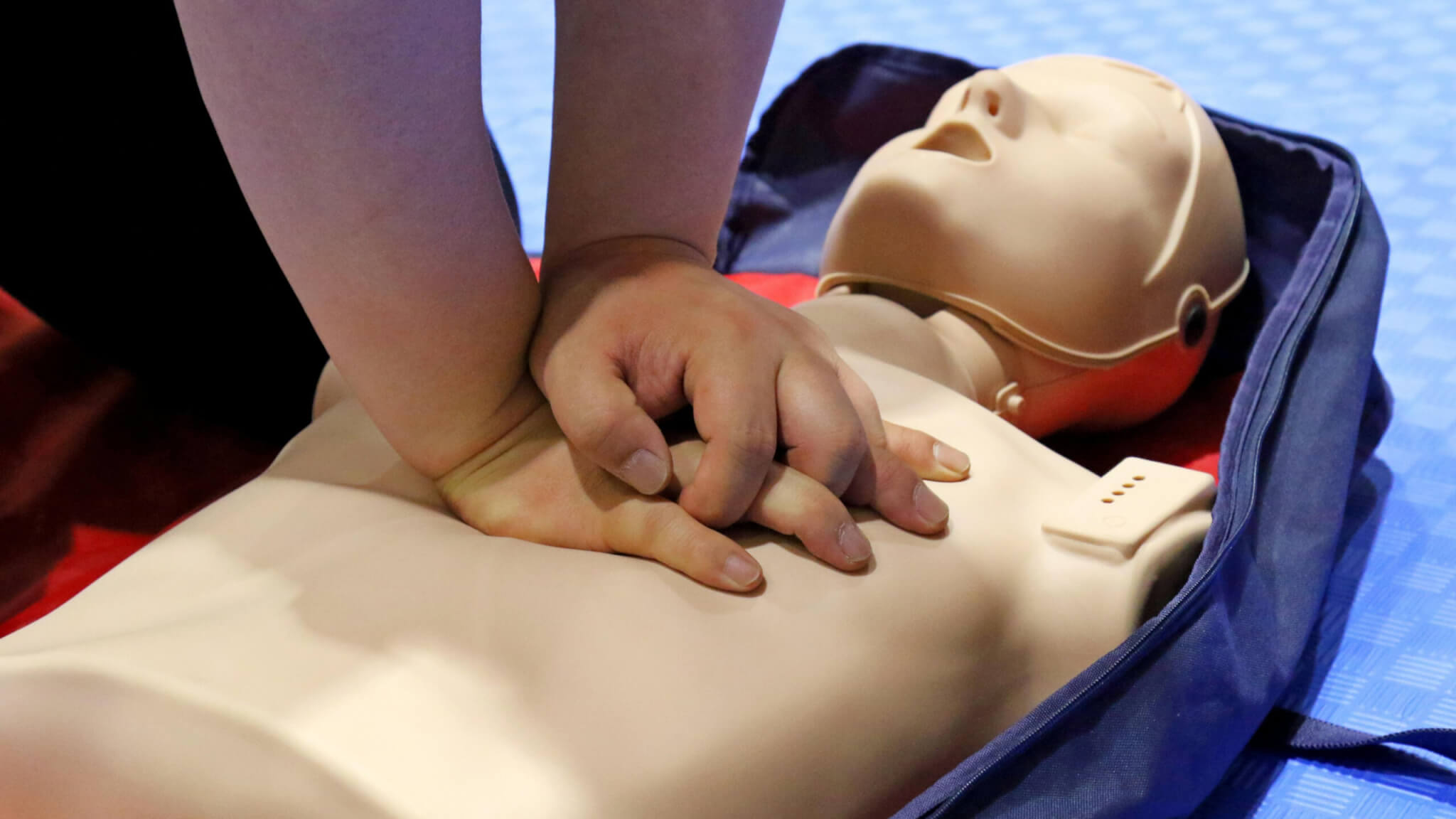
CPR keeps blood, and therefore oxygen, flowing to the brain when someone’s heart has stopped. Organ damage begins within minutes of cardiac arrest, so CPR buys time until the heart can be restarted.
AEDs deliver a controlled electric shock to correct abnormal heart rhythms such as ventricular fibrillation, which cause many cardiac arrests. Modern AEDs are designed for members of the public to use, guiding the operator step by step, and will only deliver a shock if one is needed.
The GoodSAM app alerts trained volunteers nearby when someone is in cardiac arrest. It is linked to South Western Ambulance Service, putting users into a rapid-response network that can reach a patient before an ambulance arrives.
Read Next
- Liberal DemocratsA domestic abuse survivor from North Cornwall stood up in family court with no lawyer beside her.
Share This Story, Choose Your Platform!
To keep up with the latest cornish news follow us below
Follow CornishStuff on Facebook - Like our Facebook page to get the latest news in your feed and join in the discussions in the comments. Click here to give us a like!
Follow us on Twitter - For the latest breaking news in Cornwall and the latest stories, click here to follow CornishStuff on X.
Follow us on Instagram - We also put the latest news in our Instagram Stories. Click here to follow CornishStuff on Instagram.
- 1
- 2
- 3
- 4
- 5
- 6