Truro boy who lost seven litres of blood thanks donors before 14th birthday
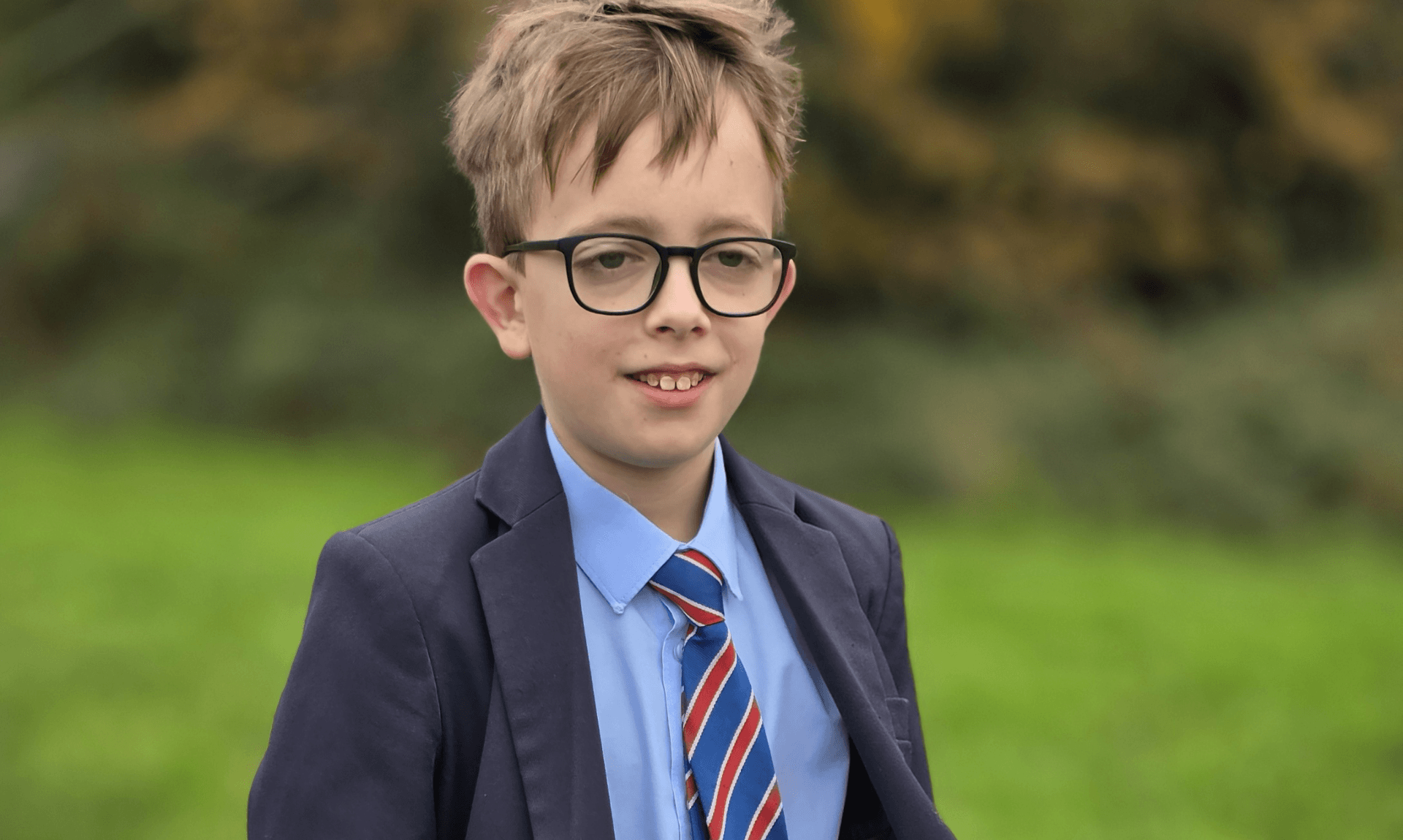
When the alarm sounded in room one at Bristol Royal Hospital for Children, a doctor found Phill Wills in the corridor and told him it did not look good. His 13 year old son had lost a drastic amount of blood. What came next was a three hour race involving 20 staff and 23 units of donated blood, and a father waiting through the night for a phone call he was terrified to answer.
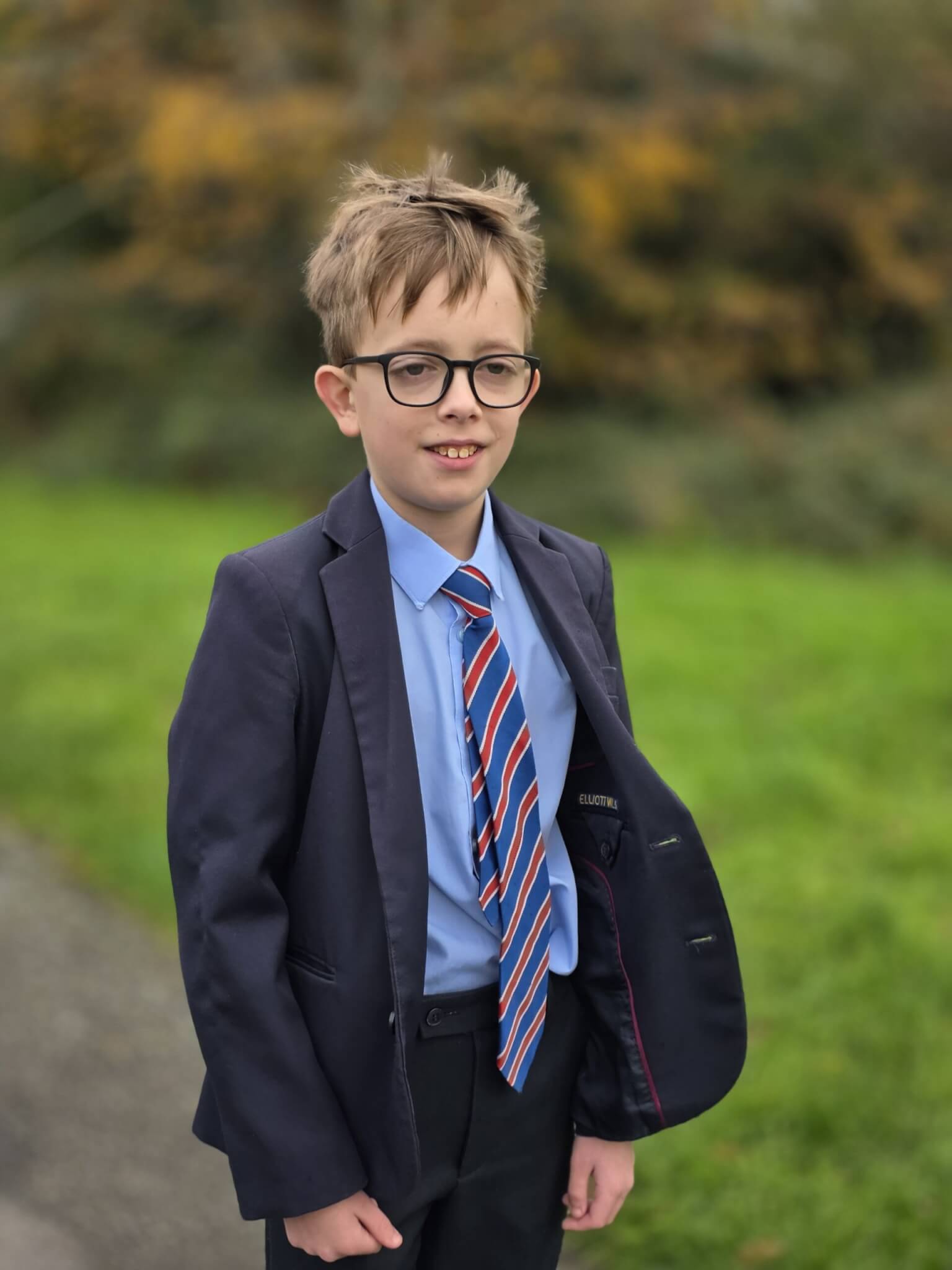
Elliott Wills, from Truro, is now getting ready to turn 14. His family say that without blood donors, he would not have lived to see it. This National Blood Week, which runs from the 8th to the 14th of June, Elliott and his family are asking more people to start giving blood regularly.
Your daily dose of Cornwall
News, events and goings on across the Duchy
A routine operation that went wrong
Elliott lives with a blood disorder called spherocytosis, which causes severe anaemia. He has the rare B negative blood type and receives routine transfusions of B negative blood to stay well. Last year, complications from a virus left him needing his spleen and gall bladder removed.
The five hour procedure took place at Bristol Royal Hospital for Children. Three units of B negative blood were kept on standby to replace what he lost, and the surgery appeared to go well. Then later that evening Elliott’s blood pressure suddenly dropped. An emergency ultrasound revealed massive internal bleeding caused by a burst main artery.
That day was also the 25th birthday of Phill’s eldest son, Josh.
“The alarm went off and a tannoy call went out for the crash team to scan room one. The room Elliott was in. The doctor appeared and told me: ‘It doesn’t look good’. He said Elliott had lost a drastic amount of blood,” said Phill, 53.
“All of a sudden people appeared from nowhere. A chain of porters came running past me carrying bags of blood. As they whisked Elliott away I had just enough time to tell him I loved him.”
Elliott’s mum, Gill, had been unable to travel to the hospital for health reasons and was at the family home in Truro with Elliott’s 12 year old sister, Marnie. Phill, who is a carer for Gill, waited for news alongside two parents of other children on the ward.
“That day was my eldest son’s 25th birthday and all I could think was, please don’t take Elliott on Josh’s birthday,” Phill said.
“At 1am my phone rang from a private number. I was terrified to answer. Then one of the other parents said it meant Elliott was alive, because if it was bad news they would tell me in person.”
Seven litres of blood
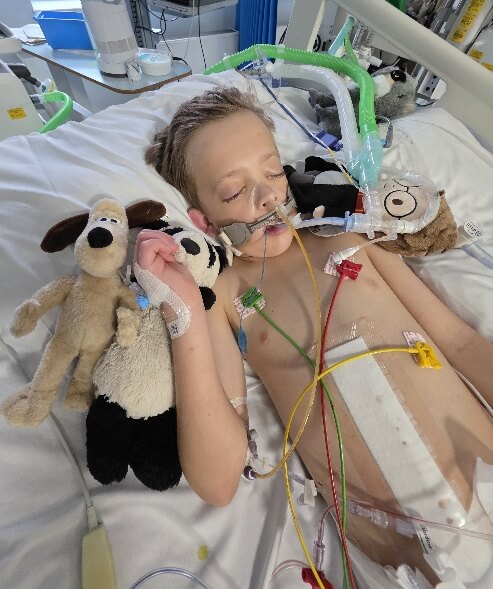
A team of 20 people fought for three hours to save Elliott. As fast as donated blood went in, he was bleeding it out again.
He survived thanks to 23 units of blood products, potentially from 23 individual donors. That is the equivalent of seven litres, or three times his body’s entire circulatory volume.
“The surgeon said Elliott basically lost all his blood. It was a race against time to get the donated blood into him. But he was losing that too. When Elliott’s notes said he’d lost seven litres I thought it was a typo. Surely no-one can survive losing that much blood. But Elliott is living proof they can, as long as the vital supplies of donated blood are there,” Phill said.
Although Elliott has B negative blood, his life was saved by emergency supplies of O negative. O negative can be given to anyone and is used in trauma situations when a patient’s blood type is not yet known, or when a hospital cannot reach stocks of their type quickly enough.
Elliott spent three days in an induced coma. He then suffered two seizures triggered by trauma to his brain. After three weeks in hospital he was well enough to continue recovering at home.
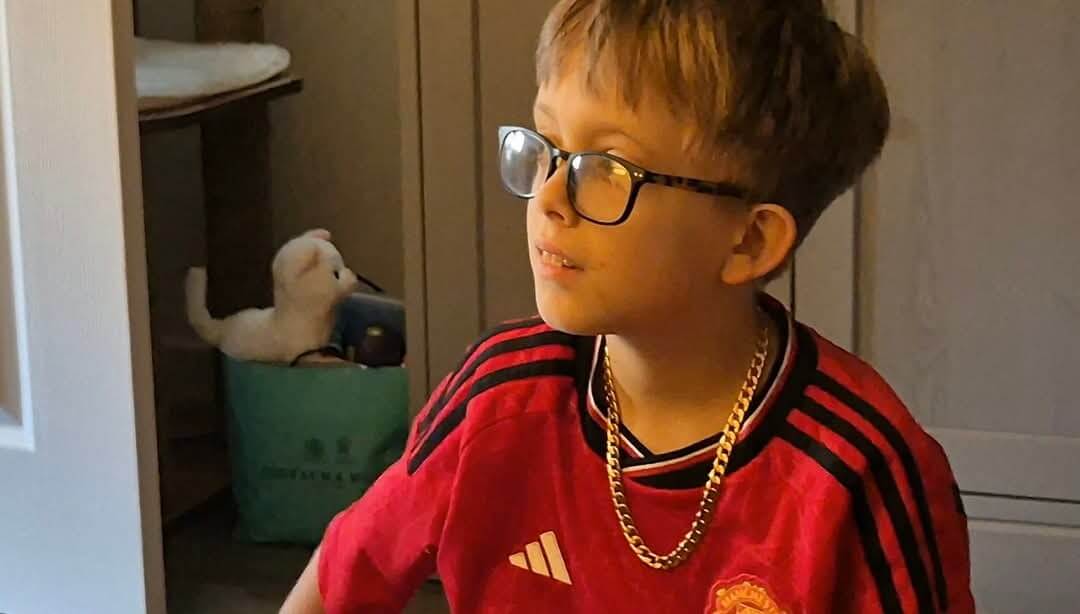
He returned to Penair School in Truro in April and is making good progress. He tires easily and has to take extra care playing sport, but the Manchester United fan is back to playing football with his friends.
“Elliott is kicking a ball about again and that is because blood donors gave him a second chance at life. While Elliott was packing his hospital bag, someone out there was donating the blood that would save his life. Donors are heroes and so are the NHS teams who get the blood from the donor’s arm into the veins of a desperately ill patient like Elliott,” Phill said.
The ‘missing types’ the NHS is short of
Elliott’s appeal comes as NHS Blood and Transplant reveals that the number of regular donors with the in-demand O negative and B negative types has fallen five percent since 2020.
Around 107,000 people with O negative blood donate regularly, which is 6,000 fewer than in 2020. The number of regular B negative donors has dropped by 1,000 over the same period to just over 20,000.
Just eight percent of the population have O negative blood, but it makes up around 16 percent of hospital orders, keeping it in constant high demand. Only two percent of people have B negative blood, although it can be safely given to up to 13 percent of patients. Both groups are highly vulnerable to shortfalls.
People with O negative, B negative and Ro blood now get priority access to appointment slots. The NHS needs more than 155,000 new donors this year to keep the right mix of blood types for patients. That includes 18,500 donors with the priority O negative and B negative groups, plus 16,000 extra donors of Black heritage to help improve treatment for patients with sickle cell.
“For Elliott, blood donations not only ensured he survived a life-threatening bleed but also helped him to manage the blood disorder he lives with. His experiences shine a light on just some of the many ways that donors save and improve lives every day,” said Gerry Gogarty, Director of Blood Supply for NHS Blood and Transplant.
“All donations are vital but new donors with O negative, B negative and Ro blood are especially needed. You don’t need to know your blood type as you will find out after your first donation.”
Robin Garrett-Cox, Consultant Paediatric Surgeon at Bristol Royal Hospital for Children, said: “It is wonderful to see how well Elliott has recovered and how he is highlighting the importance of blood donation, so that in emergencies such as these, patients are able to benefit from available blood thanks to the generosity of those who donate.”
Your daily dose of Cornwall
News, events and goings on across the Duchy
‘The birthday I didn’t think I would have’
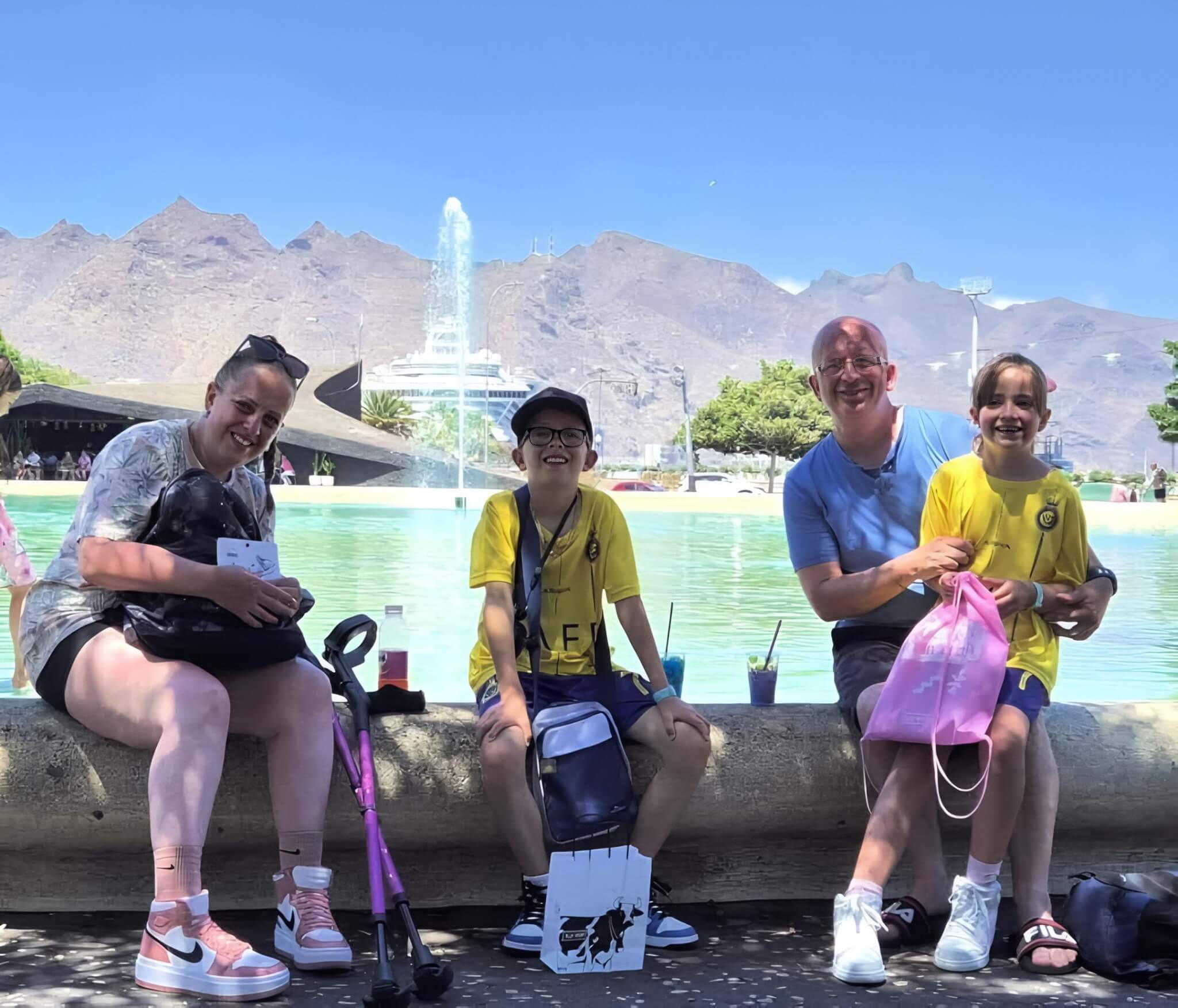
Elliott’s mum, Gill, knows the value of donated blood herself. She had major spinal surgery in March and also needed several transfusions.
Elliott turns 14 on the 29th of June.
“Thank you to everyone who gives blood. It helped saved my life. If you are thinking of giving blood please do,” he said.
“My mummy Gill had major spinal surgery back in March and also needed lots of blood. I’m looking forward to my 14th birthday on June 29th, a birthday I didn’t think I would have. Thank you blood donors for my gift of life.”
You can register and book an appointment at blood.co.uk or through the NHS Give Blood app.
Read Next
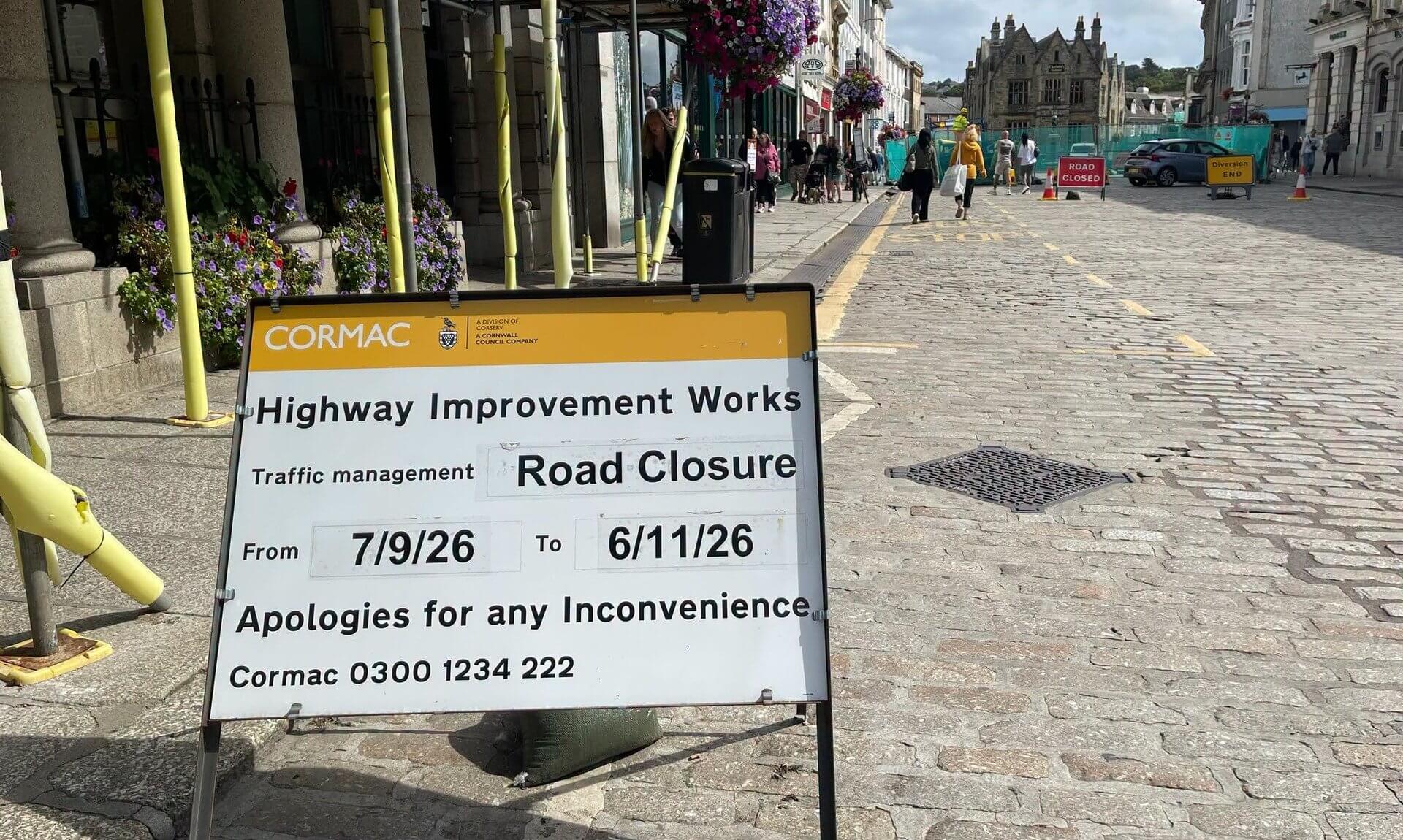
- TruroThe barriers, the green-fenced compound and the red Road Closed signs on Boscawen Street are going to be part of the view in Truro for a while yet.
Share This Story, Choose Your Platform!
To keep up with the latest cornish news follow us below
Follow CornishStuff on Facebook - Like our Facebook page to get the latest news in your feed and join in the discussions in the comments. Click here to give us a like!
Follow us on Twitter - For the latest breaking news in Cornwall and the latest stories, click here to follow CornishStuff on X.
Follow us on Instagram - We also put the latest news in our Instagram Stories. Click here to follow CornishStuff on Instagram.
- 1
- 2
- 3
- 4
- 5
- 6