South West Water’s plea as dry summer drains Cornwall’s rivers
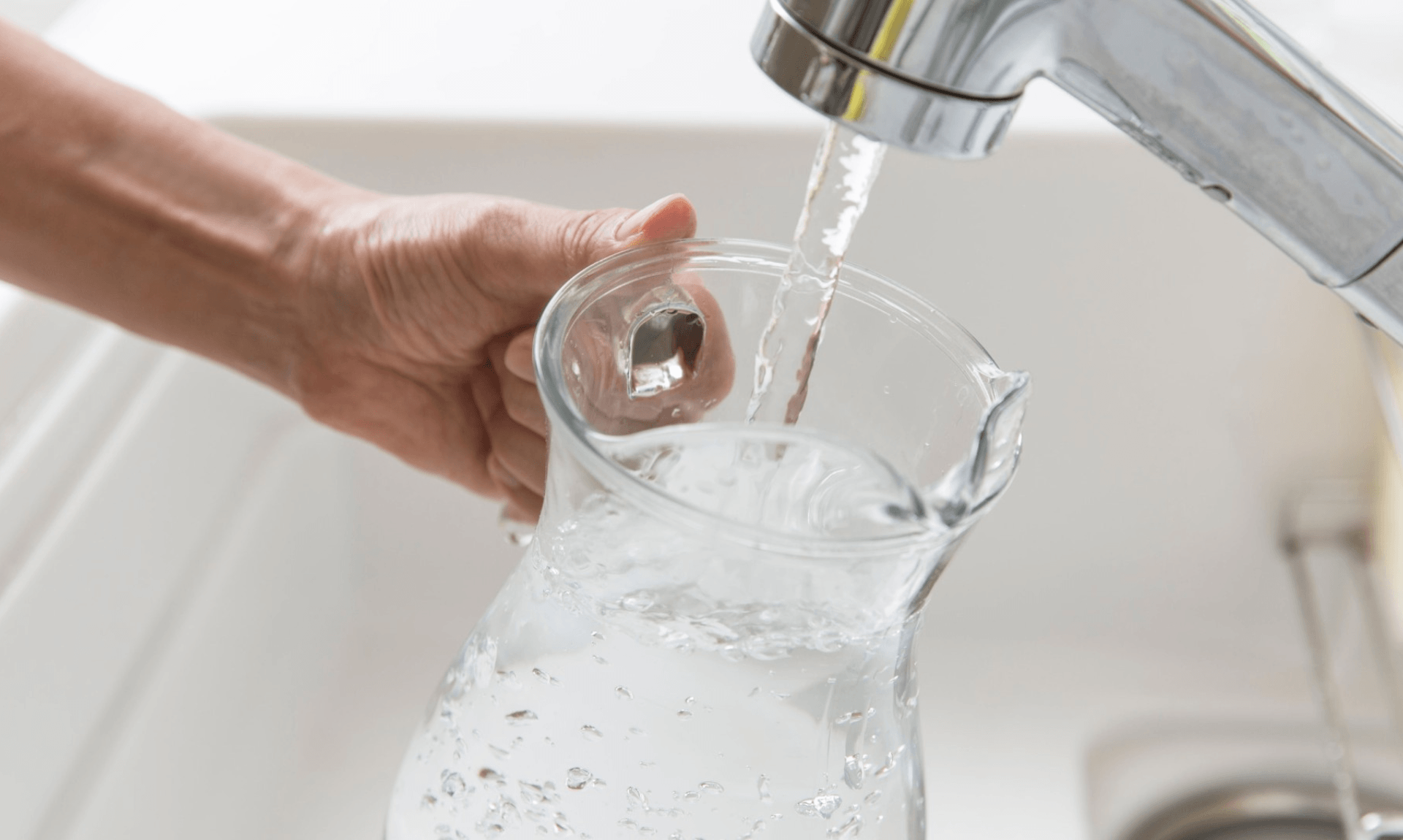
You have probably noticed it in your own garden. Weeks of sunshine, barely a drop of rain, and a hosepipe that gets more use than the kettle. That long dry spell is now putting real pressure on the water flowing through Cornwall and the wider South West, and South West Water is asking customers to think about every drop they use.
The region has been through an exceptionally warm and dry stretch, with prolonged sunshine, low rainfall and high temperatures across the board. According to the Met Office, the UK has already had three heatwaves in 2026, with another possible one arriving this week, and the March to July period has been one of the driest on record.
With less rain topping up rivers, reservoirs and groundwater, and demand climbing as the mercury rises, water resources are being squeezed from both sides. River levels in some areas are lower than you would normally expect for the time of year. To protect the environment through the dry weather, South West Water releases water from its reservoirs to help keep rivers flowing, while still supplying drinking water across the region.
Your daily dose of Cornwall
News, events and goings on across the Duchy
What the Met Office is forecasting
Hot weather does not only stress the environment, it also drives up how much water people use. That is the reason behind the company’s push for customers to use water wisely this summer.
Met Office Chief Meteorologist Will Lang said: “The South West, like much of southern England, has experienced a notably warm and dry first half of summer. July has been particularly dry, with some locations recording very little or no rainfall so far this month.
“The UK has already seen three heatwaves in 2026 and, while there are some signs of more unsettled weather at times into early August, any rainfall across southern areas is unlikely to be widespread or substantial. As a result, many parts of the South West are likely to continue experiencing predominantly dry conditions over the coming weeks, and it remains uncertain how much meaningful rainfall will reach those areas that have been driest in recent weeks.
“The Met Office will continue to work closely with partners, including the water sector, providing forecasts and guidance to support planning and decision-making during this period of prolonged dry weather.”
Not the same as 1976
Dry spells have always been part of British weather, but climate scientists expect hotter summers and longer dry runs to become more common. The current conditions have drawn comparisons with the drought of 1976, one of the most significant the UK has seen. The weather can be measured against that summer, but the way water is managed has changed enormously in the 50 years since.
Alongside better forecasting, close monitoring of reservoir and groundwater levels and detailed drought planning, South West Water now has extra storage from its three largest reservoirs, Colliford, Roadford and Wimbleball, none of which existed in 1976.
The company is spending £2.5 billion up to 2030 to improve water and wastewater services, strengthen resilience and lift environmental performance across the region. That covers upgrading treatment works, cutting leakage, expanding smart metering, connecting strategic reservoirs and shoring up the region against future dry weather.
There is a natural side to the work too. To protect and improve the water environment, South West Water is active in more than 80% of drinking water catchments, creating reed beds, restoring peatlands and growing its award-winning Upstream Thinking programme to improve water quality through natural solutions.
Kim Williams, Head of Water Resources at South West Water, said: “The hot and dry weather we have experienced this year is affecting rivers, wildlife, agriculture and communities across the South West.
“Periods of prolonged dry weather create a challenge because water sources receive less replenishment from rainfall at the same time as demand increases.
“We’re investing in both our infrastructure and the natural environment to strengthen resilience, but customers can help too. Small changes made by lots of people can make a real difference in supporting the environment and protecting water resources.”
Small changes that add up
That is where you come in. South West Water suggests a handful of easy habits at home that, multiplied across the region, take real pressure off rivers, reservoirs and groundwater:
- Take shorter showers
- Turn off the tap while brushing your teeth
- Only run washing machines and dishwashers with full loads
- Fix dripping taps and leaking toilets
- Use a watering can rather than a hosepipe
- Collect rainwater in a water butt for the garden
- Water plants in the early morning or evening to cut down on evaporation
Do those, and you help keep water available for communities, businesses and wildlife through the driest stretches. More tips are on the South West Water save water pages, and with the forecast pointing to more dry weeks ahead, Will Lang’s warning stands: it remains uncertain how much meaningful rain will reach the areas that need it most.
Read Next
- St Columb MajorIf you drove past the primary school in St Columb Major on Monday morning, there is a chance someone was checking your speed.
Share This Story, Choose Your Platform!
To keep up with the latest cornish news follow us below
Follow CornishStuff on Facebook - Like our Facebook page to get the latest news in your feed and join in the discussions in the comments. Click here to give us a like!
Follow us on Twitter - For the latest breaking news in Cornwall and the latest stories, click here to follow CornishStuff on X.
Follow us on Instagram - We also put the latest news in our Instagram Stories. Click here to follow CornishStuff on Instagram.
- 1
- 2
- 3
- 4
- 5
- 6