What South West Water keeps pulling out of Cornwall’s sewers
A wet wipe dropped in the loo because the bin was full. The fat from Sunday’s roast tipped down the sink while it was still warm. Each one disappears in a second. Further down the pipe, they meet up, and that is where the trouble starts.
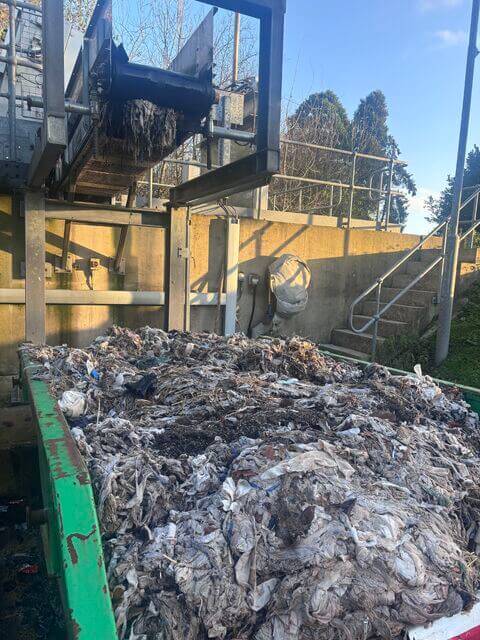
South West Water says its teams tackled more than 5,500 avoidable sewer blockages across the region in the last year. That is more than 15 every day, and a large share of them came from things that should never have gone down the toilet or the drain in the first place.
Your daily dose of Cornwall
News, events and goings on across the Duchy
Two culprits behind most of the blockages
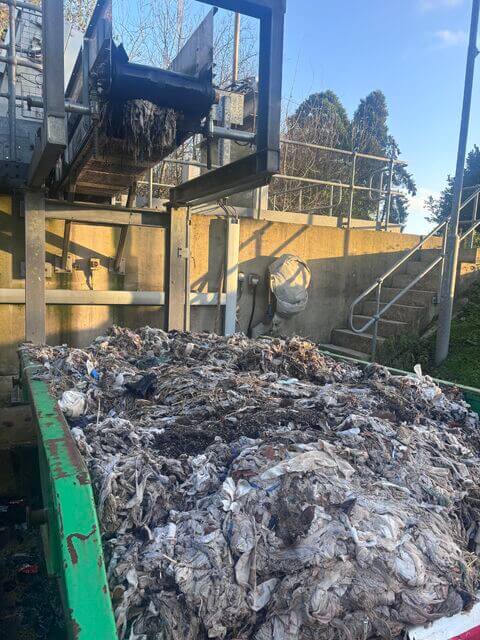
Many were caused by wet wipes, sanitary products and fats, oils and grease (known as FOG) being flushed or poured away. Around three-quarters of the avoidable blockages came down to just two of them: wet wipes and fats.
Left unchecked, a blockage can flood homes, gardens and streets. It can also cause unpleasant smells, damage the sewer network and raise the risk of pollution reaching rivers and seas.
Why wipes and fat are such a bad mix
Plenty of people flush wipes or pour leftover cooking fat away without realising what happens next. Unlike toilet paper, wet wipes do not break down easily.
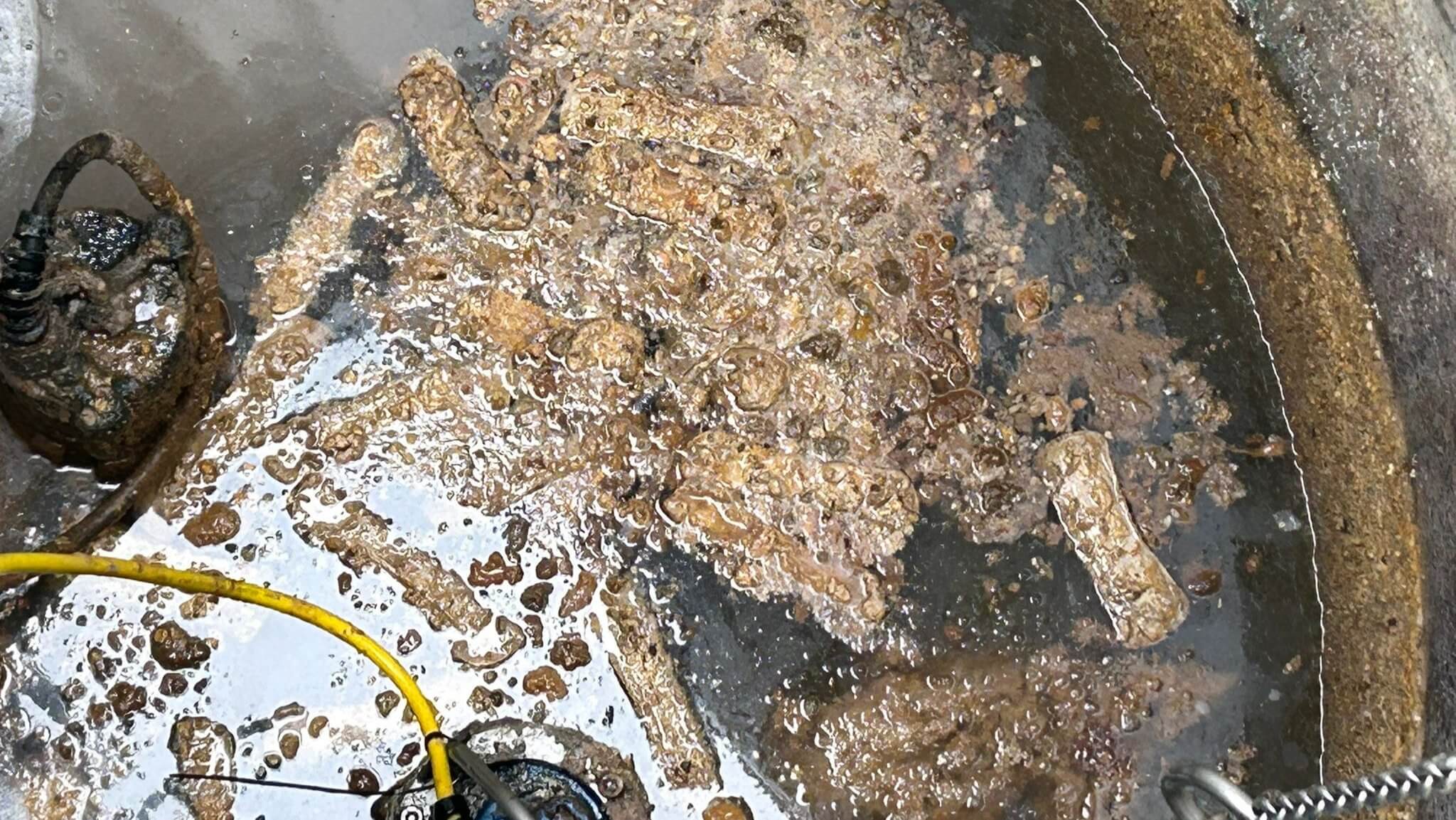
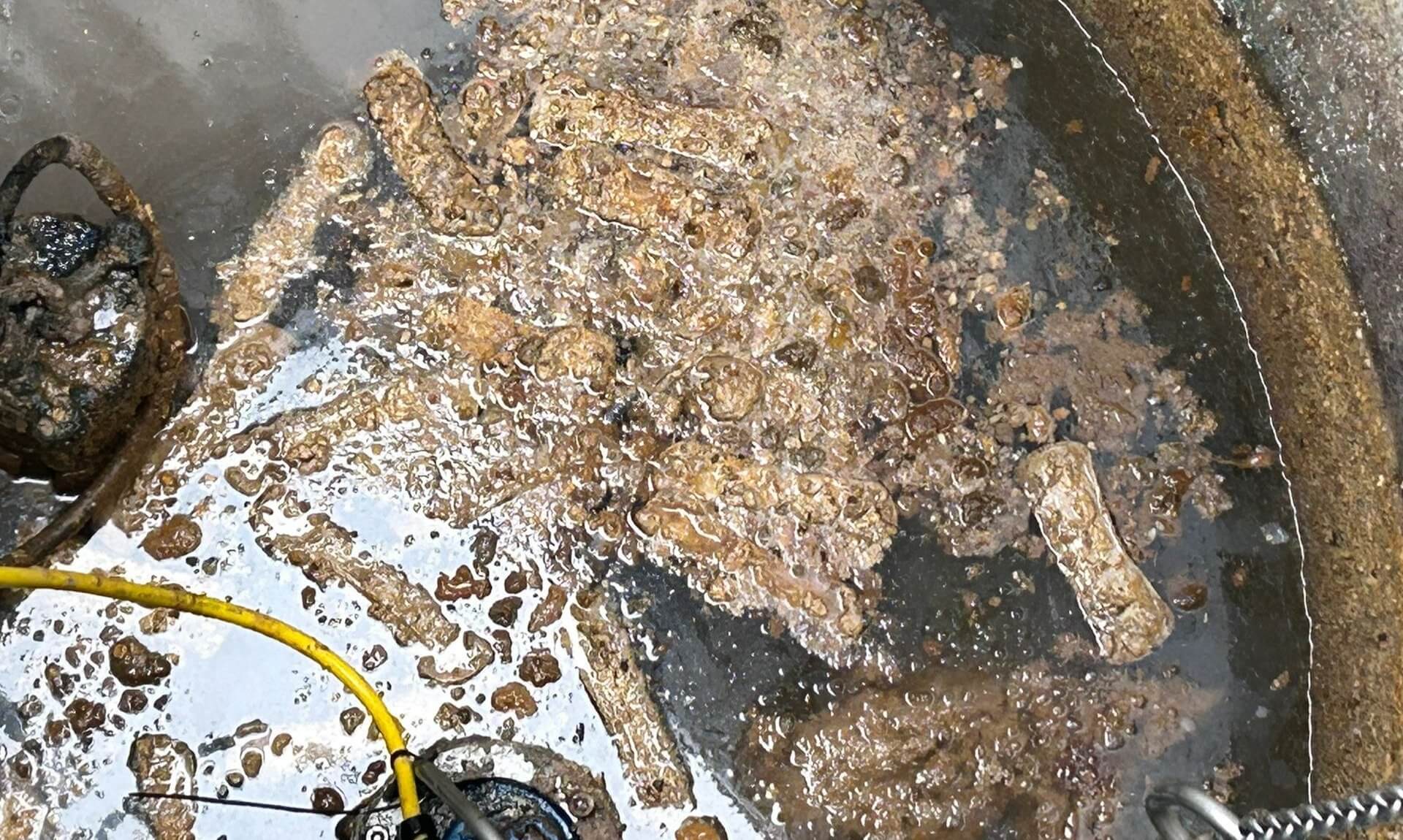
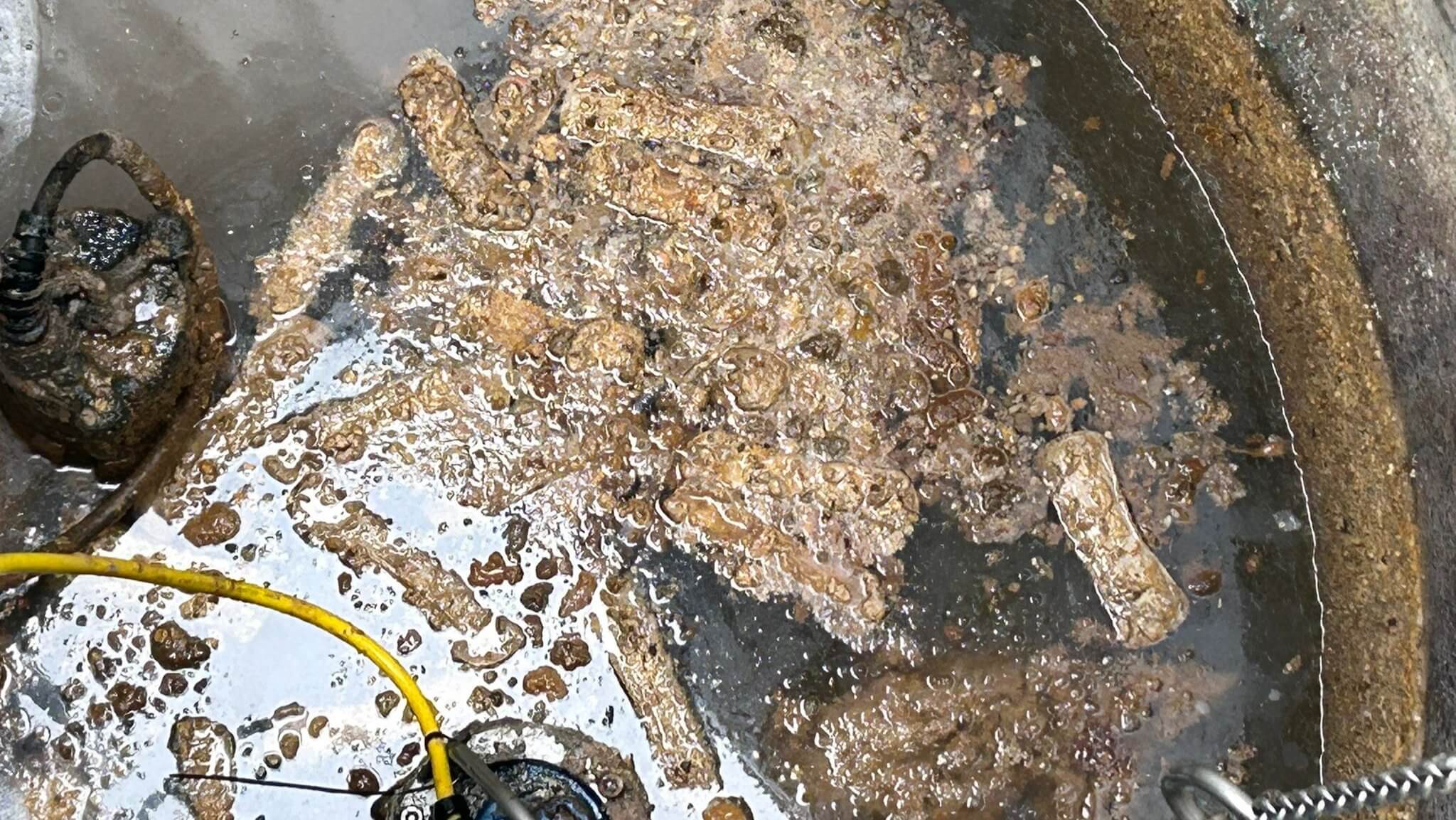
When wipes meet fats, oils and grease, they stick together. The result is a stubborn blockage that can keep growing into a giant, concrete-like mass, the kind better known as a fatberg. Those can lead to flooding, pollution incidents and costly repairs.
Finding the problem before it blocks
Clearing blockages is only part of the job. The water company also tries to stop them forming, using monitoring technology to spot problem hotspots before they become an issue, carrying out targeted sewer cleaning, and working with food businesses on how they manage and dispose of fats, oils and grease.
Jay Harris, Director of Wastewater Services at South West Water, said: “Every day, our teams work hard to keep wastewater flowing through more than 25,000 kilometres of sewer network across the South West, but many of the blockages we deal with are entirely avoidable.
“Wet wipes, fats, oils and grease continue to be the biggest causes of blockages. When these materials enter the sewer network, they can build up over time, restricting flows and increasing the risk of flooding, pollution and damage to the network.”
Your daily dose of Cornwall
News, events and goings on across the Duchy
Unblocktober and the three Ps
October is Unblocktober, a month-long UK campaign encouraging people and businesses to prevent drain blockages and protect waterways by getting rid of waste responsibly. South West Water is backing it with its own message: Bin It, Don’t Block It.
The thinking is simple. Blockages feed on what goes down drains and toilets, and without that supply they cannot grow. A few changes at home help starve them:
- Only flush the three Ps: pee, poo and paper.
- Let fats, oils and grease cool, then put them in a container or the food waste bin.
- Keep wipes, sanitary products and anything else unflushable out of the toilet.
- Food businesses should install and maintain grease management equipment and follow good kitchen practice.
Jay said the company is investing in new technology, targeted sewer cleansing and closer work with businesses, but that customers have an important part to play too.
“By only flushing the three Ps and keeping fats, oils and grease out of sinks and drains, we can all help protect our communities, our rivers and the environment.”
Read Next
- Cornwall Air AmbulanceBrass, a male voice choir and a church full of people singing along to the carols.
Share This Story, Choose Your Platform!
To keep up with the latest cornish news follow us below
Follow CornishStuff on Facebook - Like our Facebook page to get the latest news in your feed and join in the discussions in the comments. Click here to give us a like!
Follow us on Twitter - For the latest breaking news in Cornwall and the latest stories, click here to follow CornishStuff on X.
Follow us on Instagram - We also put the latest news in our Instagram Stories. Click here to follow CornishStuff on Instagram.
- 1
- 2
- 3
- 4
- 5
- 6