Doomscrolling: what Cornwall parents and teachers need to know
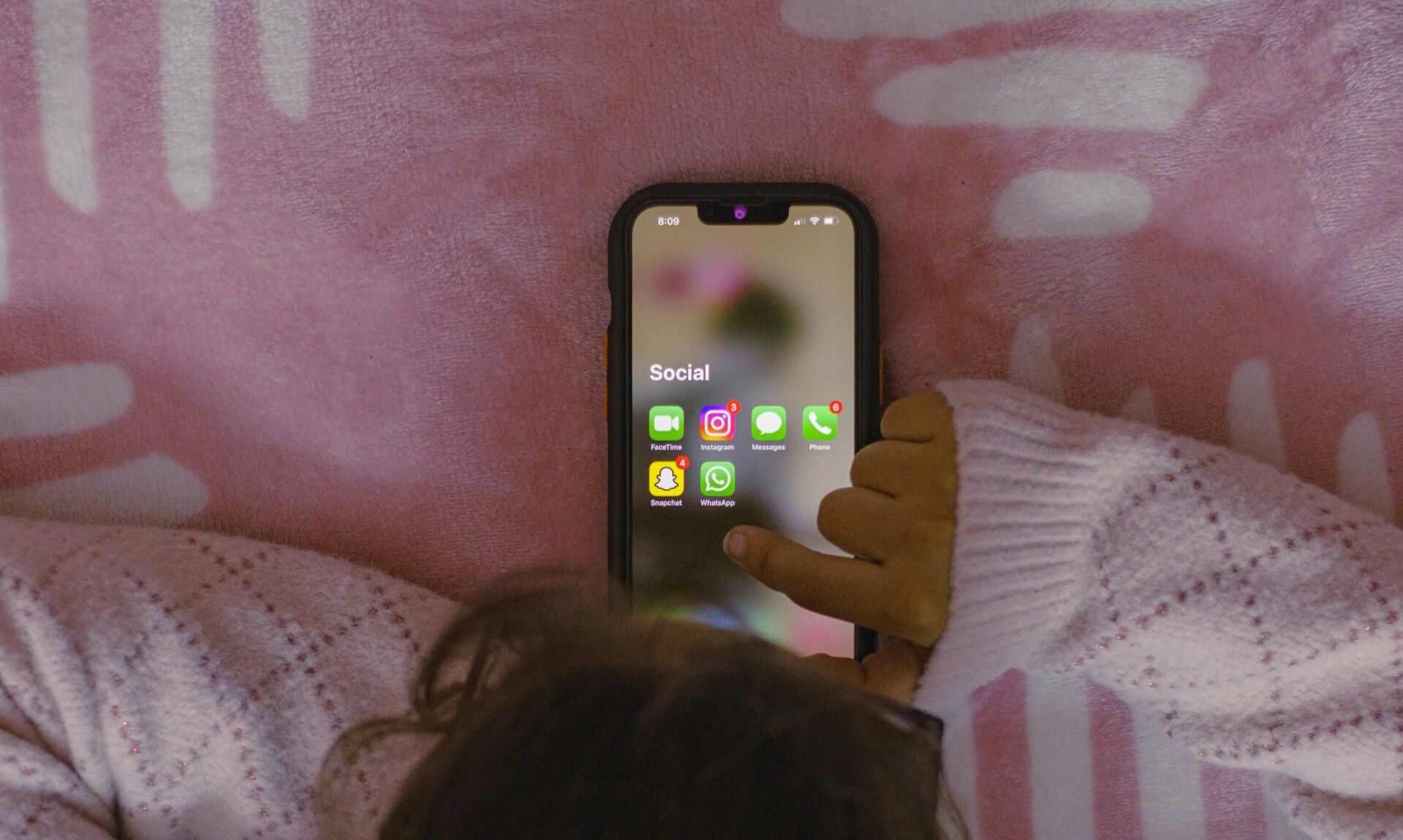
You hand over the tablet for a few videos before bed. An hour later the screen is still glowing, and the child holding it could not tell you what they have watched or why.
That habit has a name, and it is one a lot of parents and teachers in Cornwall will recognise. The safeguarding training experts at High Speed Training have set out what doomscrolling is, where the risks lie and what adults can do about it.
Your daily dose of Cornwall
News, events and goings on across the Duchy
What doomscrolling means
Dr Richard Anderson, Learning Experience Director at High Speed Training, said: “Doomscrolling is not automatically harmful for children and young people, but it is important to note both the amount of prolonged time they are spending on screens and what kind of content is being consumed.
“Doomscrolling refers to repeatedly scrolling through social media, news feeds or other online content for long periods, particularly when the content is negative, distressing or worrying. A child might intend to watch a few videos before bed, but then continue scrolling for another hour, moving from one piece of content to the next without really choosing what they are watching.”
The advice is to look at what a child is doing online, and at whether screen time is taking the place of sleep, physical activity, time with other people or other activities. If it is, relationships, schoolwork and wellbeing can all be affected.
What the risks are
Long periods spent consuming online content can increase a child’s exposure to harmful material and make it harder for them to switch off. High Speed Training lists the potential dangers as:
- Poor sleep
- Impact on mental wellbeing
- Exposure to cyberbullying
- Harmful body image messages
- Self-harm and suicide content
- Violent or abusive content
- Radicalisation and extremism
- Misogynistic and racist content
- AI-generated abuse
- Reduced time for non-screen activities

How the feed gets there on its own
Richard said: “Doomscrolling can be particularly concerning because children and young people do not necessarily have to seek out or search for harmful material themselves, recommendation algorithms use information about the user and suggest content for them.”
High Speed Training points to three pieces of research to back that up.
- An experimental University College London study used simulated teenage boys’ TikTok accounts. Over five days, the proportion of recommended videos containing misogynistic content rose fourfold, from 13% to 56%. The researchers also found harmful ideas could be presented in humorous or entertaining formats.
- A study by 5Rights Foundation reported that simulated child accounts on platforms including TikTok, Instagram and Facebook were exposed within hours to content relating to eating disorders, self-harm, suicide, sexualised imagery and extreme dieting.
- Research from 2026 found simulated child accounts on TikTok, Instagram and X were directed towards violent, sexualised and emotionally harmful material within a short period of use.
Your daily dose of Cornwall
News, events and goings on across the Duchy
What parents and teachers can do
1. Keep talking
Regular conversations about online activity can make it easier for children to tell an adult when something has upset or worried them.
2. Set clear boundaries
Boundaries that suit the child’s age and circumstances can help manage doomscrolling.
Your daily dose of Cornwall
News, events and goings on across the Duchy
3. Explain how algorithms work
Children may not realise their feed is personalised. Explain that watching, liking, sharing or searching for certain content can influence what an app recommends next.
4. Treat internet safety as an ongoing conversation
It should not be a one-off lesson. Children should know they can come across harmful or misleading content online, and understand what to do when that happens.
5. Watch for changes at school
Teachers may notice changes in a child’s behaviour, relationships, attendance or engagement that could suggest they are struggling with something online. In England, Keeping Children Safe in Education (KCSIE) states that staff should understand different types of abuse, neglect and exploitation, including online harms, and act on safeguarding concerns without delay.
Your daily dose of Cornwall
News, events and goings on across the Duchy
No single fix
Richard said: “There’s no single solution to doomscrolling. Instead, children need support to understand how online platforms work, recognise when scrolling is becoming unhelpful and know how to develop healthier habits around technology.
“Regular conversations, sensible boundaries and a strong safeguarding approach can all help children stay safer online and prevent doomscrolling from causing damage.”
High Speed Training has published a longer guide, What is Doomscrolling?: A Guide for Parents and Teachers.
Read Next
Share This Story, Choose Your Platform!
To keep up with the latest cornish news follow us below
Follow CornishStuff on Facebook - Like our Facebook page to get the latest news in your feed and join in the discussions in the comments. Click here to give us a like!
Follow us on Twitter - For the latest breaking news in Cornwall and the latest stories, click here to follow CornishStuff on X.
Follow us on Instagram - We also put the latest news in our Instagram Stories. Click here to follow CornishStuff on Instagram.
- 1
- 2
- 3
- 4
- 5
- 6