Inside the job of clearing Cornwall’s 90,000 roadside gullies
There are around 90,000 of them along Cornwall’s roads, and most of us only notice one when it stops working.
Gullies (the grated drains at the edge of the road) are getting their pre-winter check, with Cornwall Council highways crews out clearing them so rainwater can drain away before the wet weather sets in.
70 or 80 gullies a day
Liam Jolly, a highways operative, said the number his crew gets through changes with the type of road.
“So most days I’d say we do between like 70 or 80, sometimes more, sometimes less,” he said. “Obviously it depends on the roads you’re on. If you’re on an estate like this, obviously you can go in and out of gullies very quick and move in and out.
“If you’re on country roads, you get a lot of digging off and bushes obviously covering them over, so it takes a bit more time.”
How a gully gets cleared
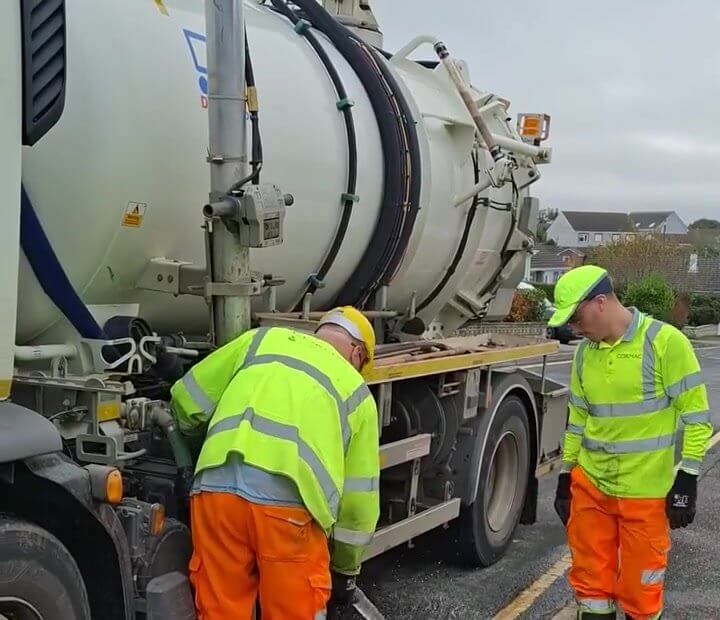
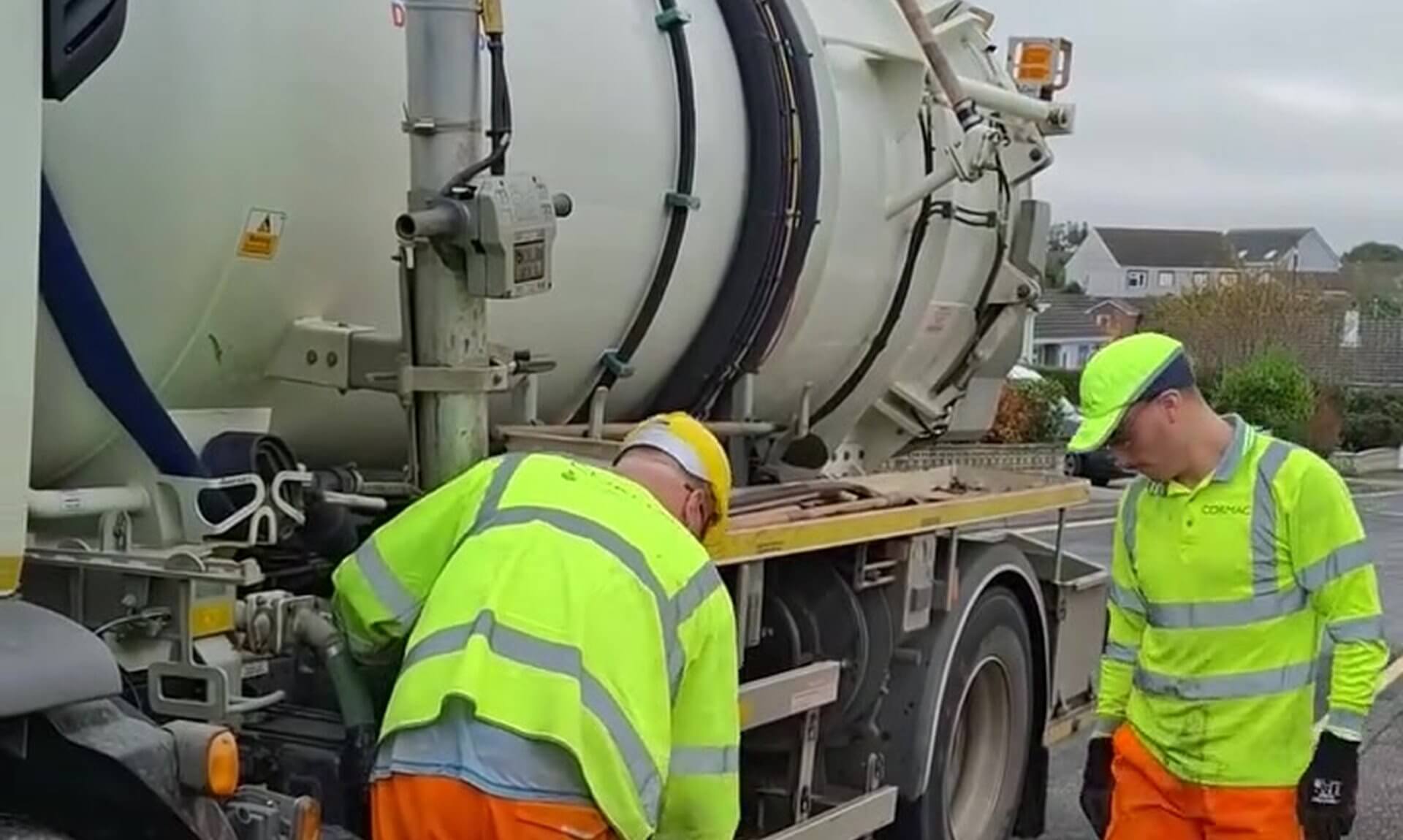
Liam usually drives the tanker. He pulls up alongside the gully, lines the boom up over it, then the crew lift the grate and switch the boom on.
There are three controls. One turns the boom on so it sucks the gully out. Another jets water (“you pull the handle up and it squirts water out,” Liam said). The third raises and lowers the boom.
“So that’s the process really.”
Leaves, mud and tractors
Autumn brings its own problems.
“So, at this time of year you’ll get a lot of leaves and stuff that are falling off trees and then just mud from country roads,” Liam said. “You get tractors driving down the road, which causes a lot of mud blockage. So sometimes we do have to jet as well as gullying.”
Why the council wants to get ahead of winter
Councillor Dan Rogerson, the cabinet member for transport, joined the team with Councillor Thalia Marrington, portfolio holder for community safety.
“We’ve got about 90,000 highway gullies across Cornwall, so it’s a huge number to stay on top of,” Dan said. “It’s important we get ahead of the wet weather and the winter for a number of reasons.
“We can stop standing water on the road, which is bad for motorists and can be a hazard. We’re also stopping that water getting into the surface because that’s what can cause potholes later on as well. So we’re trying to save money in terms of road maintenance.
“And also, of course, there can be at times risk to property flooding and those sorts of things.”
The council’s own video on the work makes the same point. Blocked gullies can lead to surface flooding, affect homes and businesses, and cause problems with the road surface.
Spotted a blocked gully? Here’s what to do
Thalia said residents can help by keeping an eye out, particularly after heavy rain when fallen leaves have covered the drains.
“When you see water running down the road, it might be because of something like that,” she said. She pointed people to the council’s online reporting tool, where you can report a problem and request gully clearing, adding that it helps “because we can all look at that in our area and just make sure we’re a bit more resilient.”
The council’s drainage and flooding on the highway page is where to start. From there you can:
- Report a blocked drain on the highway.
- Report flooding on the highway, such as small areas of standing water or water flowing onto the road from neighbouring land.
- Call the 24-hour highway safety line on 0300 1234 222 for anything urgent, giving the exact location. Work is prioritised by the weather, severity, risk and the resources available.
What highway drains are not for
Cormac maintains the highway drainage on the council’s behalf, including inspections, emptying gullies and clearing ditches. How often a road gets cleaned depends on how important that route is.
The system is there to deal with surface water on the road. It isn’t designed to drain neighbouring land or property, take overflow from land drains, rivers or sewers, or act as a flood defence. Sewage problems go to the water authority on 0344 346 2020, and flood warnings for rivers and the coast come from the Environment Agency.
And if you’re after sandbags, the council has no legal duty to supply them. Local builders’ merchants sell them.
Read Next
Share This Story, Choose Your Platform!
To keep up with the latest cornish news follow us below
Follow CornishStuff on Facebook - Like our Facebook page to get the latest news in your feed and join in the discussions in the comments. Click here to give us a like!
Follow us on Twitter - For the latest breaking news in Cornwall and the latest stories, click here to follow CornishStuff on X.
Follow us on Instagram - We also put the latest news in our Instagram Stories. Click here to follow CornishStuff on Instagram.
- 1
- 2
- 3
- 4
- 5
- 6