Cornwall Fire and Rescue Service Share Advice on Storing Fuel at Home
Storing Fuel at Home? The Rules Many People Miss
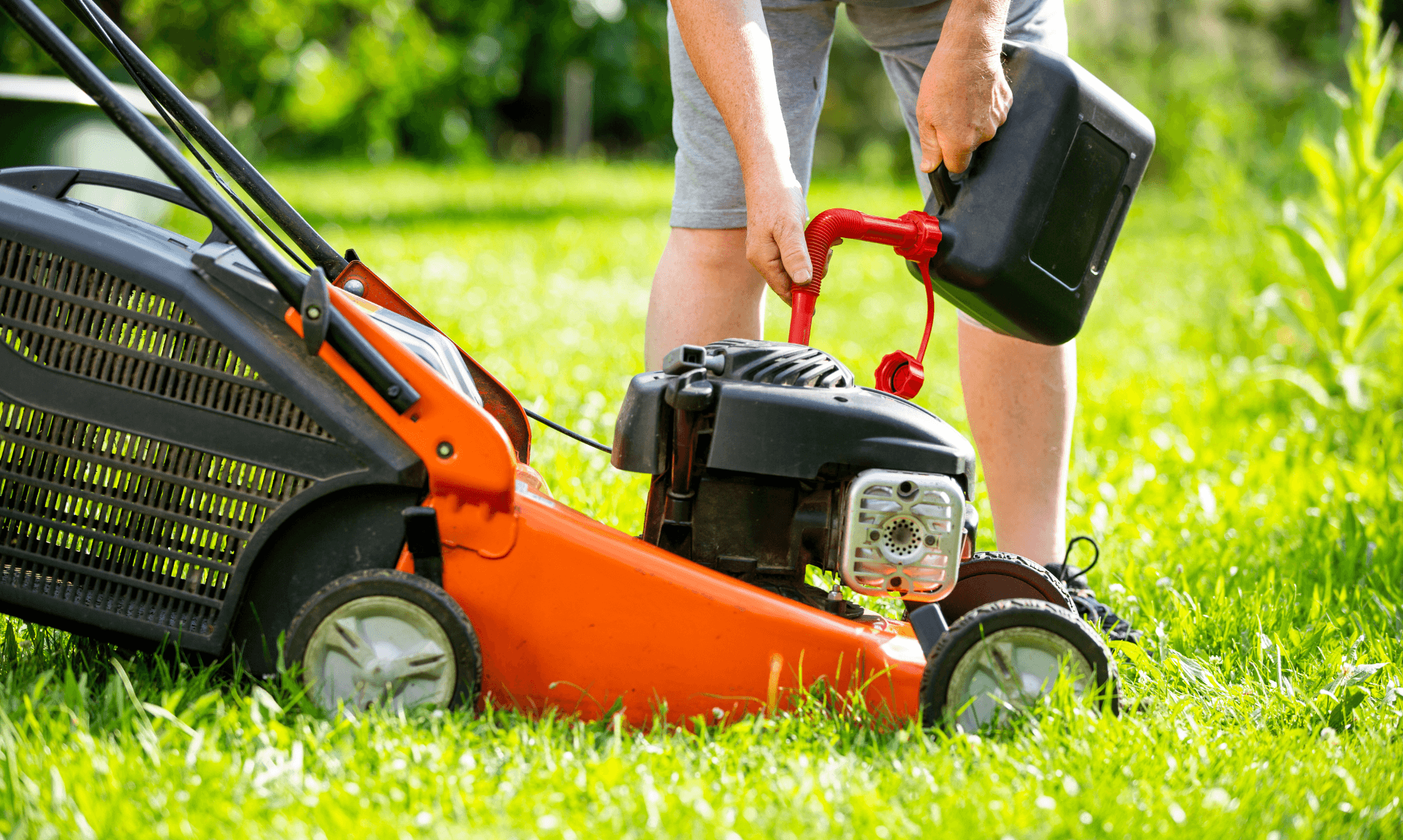
Cornwall Fire and Rescue Service is reminding people to take care when storing fuel at home, warning that petrol, diesel and gas are highly flammable and should never be kept in living areas.
The advice highlights the importance of storing fuel safely, away from direct sunlight and ideally in a block-built structure. More detailed guidance is available via the Health and Safety Executive on their website: https://www.hse.gov.uk/fireandexplosion/petrol-storage-club-association.htm
Your daily dose of Cornwall
News, events and goings on across the Duchy
How Much Petrol Can You Store?
For households and non-workplace premises, there are clear limits on how much petrol can be stored without notifying authorities.
You can store up to 30 litres of petrol without informing your local Petroleum Enforcement Authority (PEA). This can be kept in suitable portable metal or plastic containers, a demountable fuel tank, or a combination of both, as long as the total does not exceed 30 litres.
This definition of premises includes places such as motor vehicles, boats and aircraft.
Storing More Than 30 Litres
If you want to store more than 30 litres, up to a maximum of 275 litres, you must follow legal requirements.
This includes notifying your local PEA in writing with your name and the address where the petrol is stored. Storage can still be in portable containers or demountable fuel tanks, or a mix of both, provided the total does not go over 275 litres.
Key Safety Rules to Follow
For anyone storing petrol at home or similar premises, several safety measures should always be followed:
- Petrol must not be stored in living accommodation
- It must not be dispensed at the storage place
- Indoor storage areas must have ventilation and a direct exit to open air
- Steps should be taken to prevent ignition sources or heat near stored fuel
- Petrol should only be used in fuel tanks or in small amounts, not exceeding 150 millilitres, for cleaning or repair purposes
Where petrol is stored in an attached structure such as an integral garage, existing fire resistance measures may still be acceptable if they met previous regulations.
Your daily dose of Cornwall
News, events and goings on across the Duchy
When a Licence Is Required
It is possible to store more than 275 litres of petrol, but only with a licence from the local PEA.
Existing licences issued before 1st October 2014 remain valid until expiry. If you do not already have a licence and wish to store more than 275 litres, you must apply for one. Licences can last up to three years and may include specific storage conditions.
What Containers Are Allowed?
There are also strict rules on the types of containers that can be used:
- Plastic containers can hold up to 10 litres
- Metal containers can hold up to 20 litres
- Demountable fuel tanks can hold up to 30 litres
These containers must meet recognised safety standards, such as UN approval.
Petrol in Vehicles and Transport
Petrol in the fuel tank of a vehicle does not count towards the total storage limit.
However, you can carry up to 30 litres of petrol in a vehicle using a maximum of two suitable containers. This applies to all types of vehicles, including boats and aircraft, and counts towards the total allowed at non-workplace premises.
Your daily dose of Cornwall
News, events and goings on across the Duchy
Dispensing Petrol at Home
You are only allowed to dispense petrol into a vehicle at home if you have a licence issued by your local PEA.
Without a licence, petrol must not be dispensed into a vehicle’s fuel tank, whether manually or electrically.
Cornwall Fire and Rescue Service’s advice serves as a reminder that while storing fuel at home is permitted within limits, following the correct safety rules is essential to reduce the risk of fire.

Read Next
- Waste & RecyclingYou pay someone a few quid to take away the old mattress and a pile of rubbish from the garden.
Share This Story, Choose Your Platform!
To keep up with the latest cornish news follow us below
Follow CornishStuff on Facebook - Like our Facebook page to get the latest news in your feed and join in the discussions in the comments. Click here to give us a like!
Follow us on Twitter - For the latest breaking news in Cornwall and the latest stories, click here to follow CornishStuff on X.
Follow us on Instagram - We also put the latest news in our Instagram Stories. Click here to follow CornishStuff on Instagram.
- 1
- 2
- 3
- 4
- 5
- 6