Cornwall wildfires up 80% as drought raises the risk
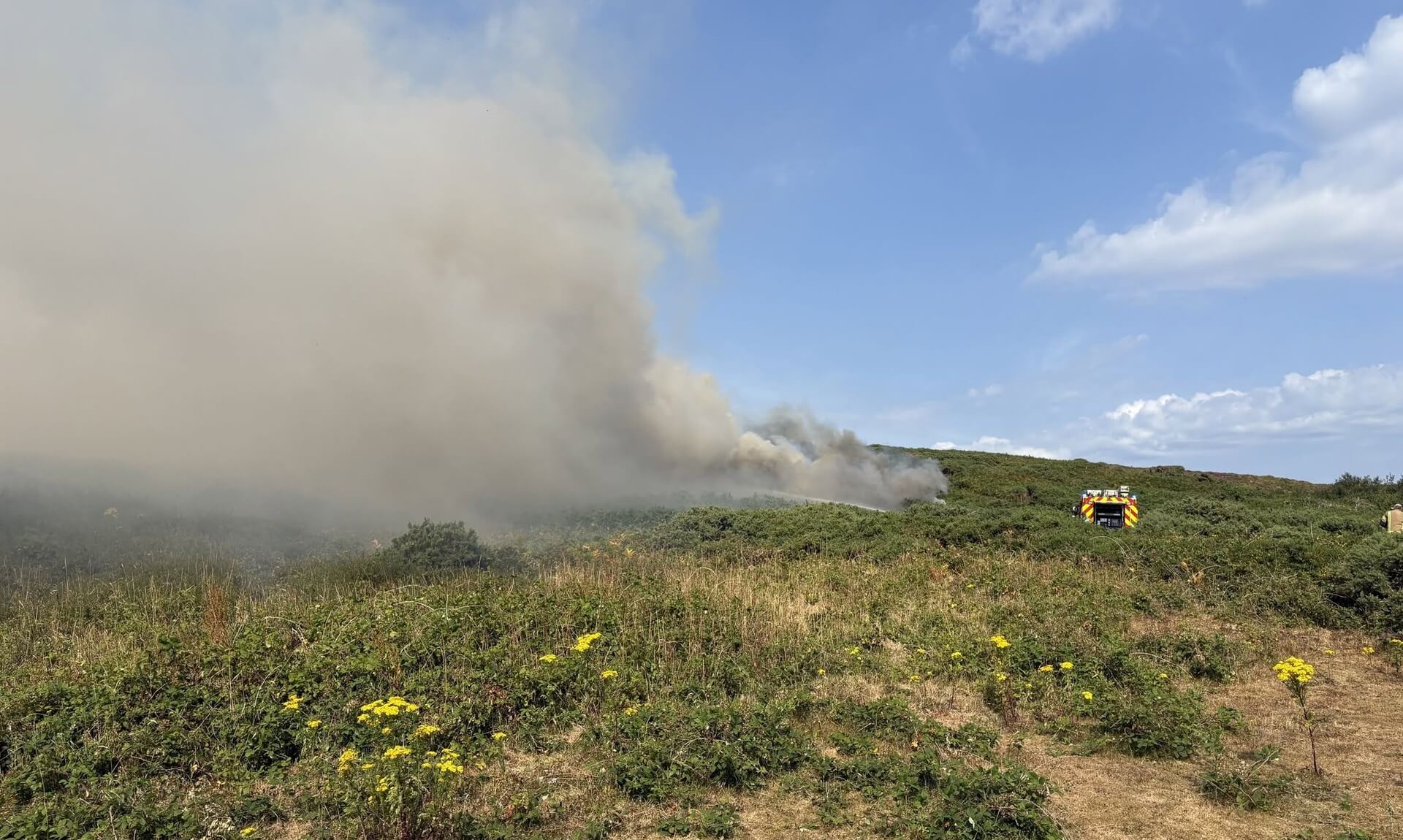
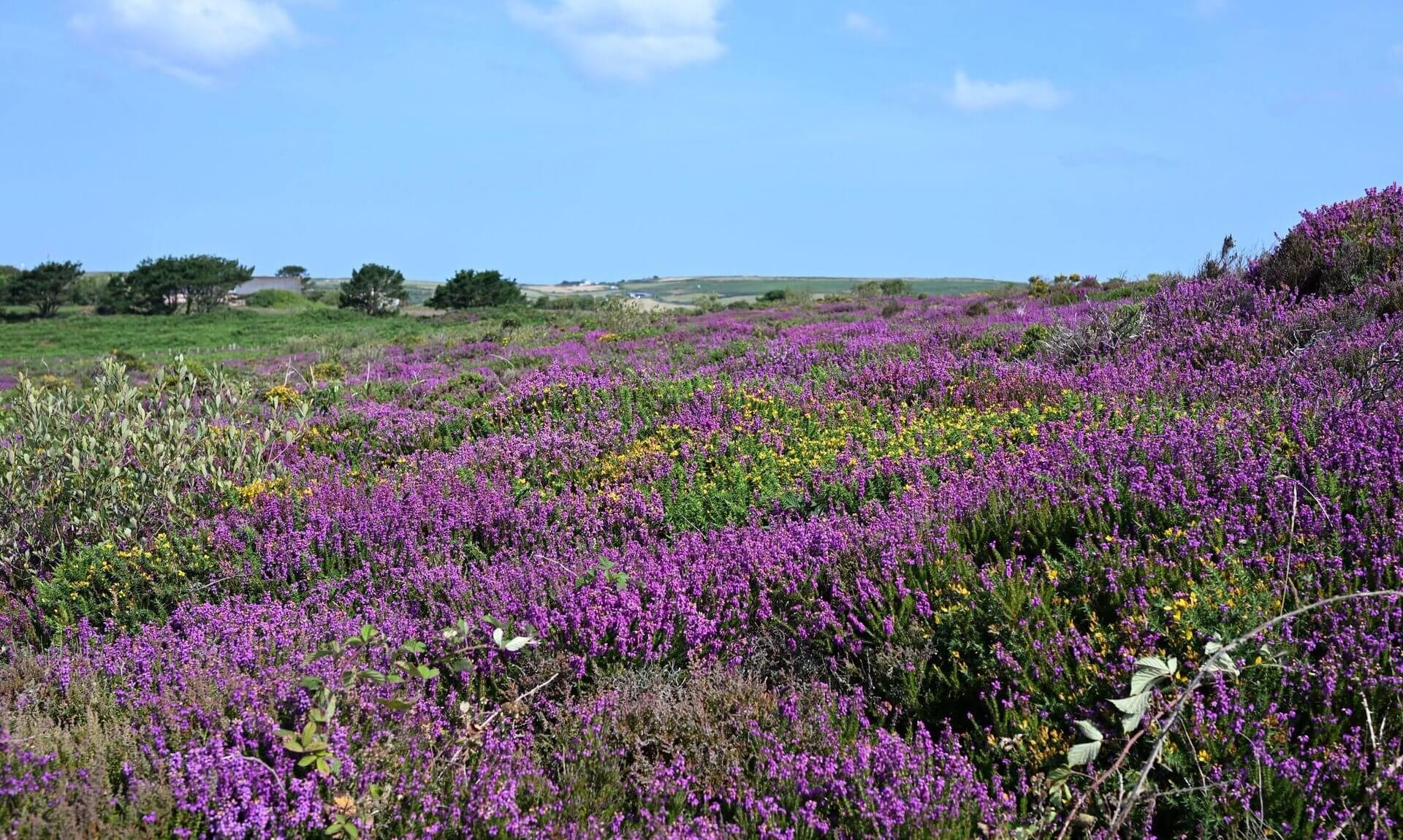
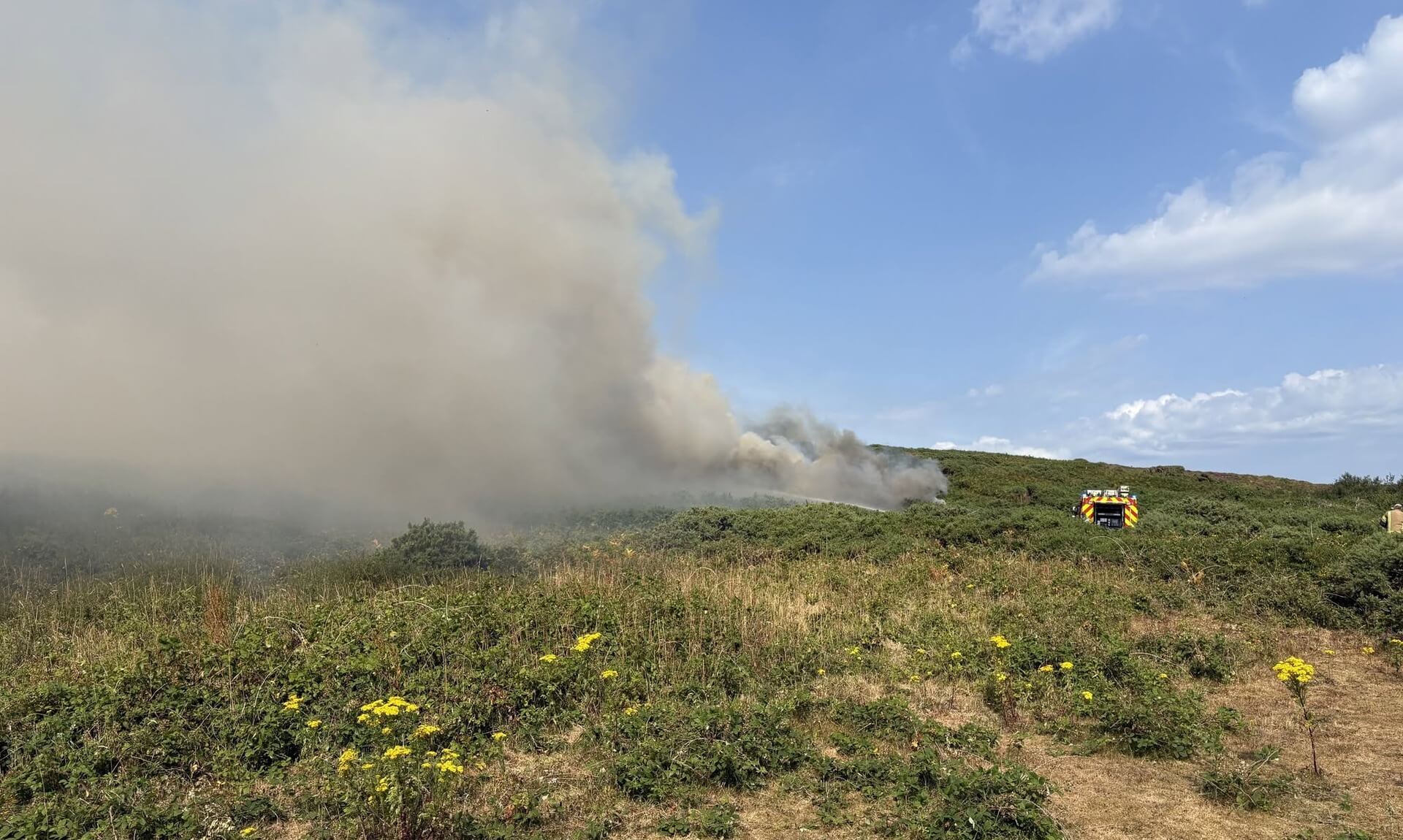
The moor looks tinder-dry for a reason. Devon and Cornwall are now officially in drought, the ground has lost its moisture, and every discarded cigarette or unattended barbecue is a fire waiting to happen. Cornwall Fire and Rescue Service and the UK Health Security Agency are asking everyone heading outdoors this summer to take extra care, because the vast majority of wildfires are started by people and almost all of them could be prevented.
Your daily dose of Cornwall
News, events and goings on across the Duchy
Why the risk is so high right now
When landscapes go several days with dry weather and little or no rain, plants and soils lose moisture faster than they can recover. Vegetation turns into an available fuel source, and it takes very little of it for a fire to catch and spread. Drought conditions dry out that fuel across whole hillsides at once, which is why the warnings have sharpened over the past week.
Last year the number of wildfires in Cornwall increased by 80% compared with the previous year, an average of almost two wildfires every week. The national picture is climbing too. In 2025, fire and rescue services in England and Wales responded to nearly 1,000 wildfire incidents, surpassing the previous record set in 2022. Widespread fires this year have led to headlines about a “firewave”, and climate change is making UK summers hotter and drier, the ideal conditions for fire. In 2025, Scotland experienced the UK’s first ever ‘mega fire’, burning over 10,000 hectares in the Highlands.
What actually counts as a wildfire
A wildfire is any uncontrolled vegetation fire serious enough to require an emergency response. Typically that means a blaze covering at least a hectare of land (roughly the size of two rugby pitches), with flames over 1.5 metres high, or an incident that keeps fire crews on scene for six hours or more. They can burn grassland, moorland, woodland and peat, and they can start and spread remarkably quickly.
How to help prevent one
Most UK wildfires are started by human actions, whether deliberate or accidental. Fires from cigarettes, litter, barbecues, campfires and fireworks in very dry areas are entirely preventable, so the simplest advice is the most important:
- Avoid lighting barbecues or campfires in dry areas. Pack a picnic, or a pasty, instead.
- If you smoke, dispose of cigarettes responsibly and never discard them in the countryside.
- Take your rubbish home, and do not leave glass items around after a picnic or barbecue.
- Only light fires or barbecues in designated areas using the facilities provided.
- If you spot signs of a wildfire, move to a safe location and call 999 immediately.
If you do use a permitted fire or barbecue, build it at least 10m downwind from vegetation, tents and caravans, clear a patch of bare earth to build it on, and make sure it collapses inwards as it burns. Never use petrol or paraffin on a fire, never put batteries, aerosols or gas cylinders on it, and never leave it unattended. The service has more detail in its fire safety information on barbecues and its wildfire prevention advice. Do not attempt to tackle a fire that cannot be put out with a bucket of water. Leave the area as quickly as possible.
Your daily dose of Cornwall
News, events and goings on across the Duchy
Why the smoke is a health risk
All smoke is potentially harmful, and wildfire smoke carries a complex mixture of fine particles, carbon monoxide, nitrogen oxides and volatile organic compounds. The fine particles are the real concern, because they can penetrate deep into your lungs and even enter your bloodstream. Breathing it in can irritate your eyes, nose and throat and bring on coughing, wheezing and breathlessness.
For most people the symptoms are temporary and clear up quickly once you are away from the smoke. But the effects can be more serious for people with asthma, heart disease or other respiratory conditions, and children, older adults and pregnant women are also at greater risk. If you have an asthma action plan or another agreed health management plan, follow it and keep any prescribed inhalers or medication to hand. If symptoms persist or get worse, seek health advice. Face masks such as surgical masks are not usually recommended, as they do not necessarily protect against all the pollutants in the smoke.
What to do if there is a wildfire nearby
Fire can spread rapidly and presents a real threat to life and property, so follow the advice of the emergency services and stay safe. Avoid areas affected by smoke where you can. If you have to stay in the area and there is no risk from the spreading fire, the single most effective thing you can do is stay indoors with doors and windows closed. It cuts your exposure significantly, even in older, draughtier homes.
- Stay inside and keep windows and doors shut.
- Turn off any air conditioning that draws air in from outside.
- Limit time spent outdoors in areas affected by smoke.
- Follow local media for updates and follow official advice.
In hot weather it helps to draw curtains and blinds to limit heat building up indoors, use a fan to keep air circulating, stay hydrated with cool drinks, avoid strenuous activity, and move to the coolest part of your home if it gets uncomfortable, particularly when sleeping. If you have to drive through a smoky area, keep the windows up, close the air vents and switch the air conditioning to recirculate. Never leave children or pets in a closed vehicle. There is more in the UKHSA blog on how to stay well in hot weather.
When smoke conditions improve you may want to open up to cool and ventilate the house, but conditions can change quickly and smoke may return, so keep monitoring official advice and only ventilate when it is safe. Short-term contact with ash and soot afterwards is unlikely to pose a significant health risk, though it is sensible to take care. Ash can irritate your airways, so avoid sweeping it into the air, and wash it off cars and outdoor furniture with water. During a hosepipe ban, a bucket or watering can does the job.
Thinking of a controlled burn on your land
If you are planning to burn on your own land, read the rules first. Getting it wrong can mean prosecution and a fine, and the guidance sits with the government’s page on heather and grass burning and applying for a licence. Cornwall Fire and Rescue Service asks anyone considering a controlled burn to put an effective burn plan in place, to draw on the service’s knowledge, and to inform the Critical Control Centre of intended burns by calling 0203 162 2240. In some cases the service can make limited resources available, such as beaters or a Land Rover crew, to observe specific burns.
Your daily dose of Cornwall
News, events and goings on across the Duchy
Reporting fires and arson
If you see a fire in the countryside, report it immediately. Anyone with information about fires being started deliberately can call Crimestoppers anonymously and free on 0800 555 111, or contact Devon and Cornwall Police on 101. Arson puts both the public and firefighters at unnecessary risk and ties up resources needed for other serious incidents. Much of Cornwall is covered by on-call firefighters, so there is a significant cost attached to every call-out. Landowners dealing with deliberate fires can download the service’s arson prevention poster to use around their land.
For more on protecting your health in adverse weather, UKHSA has published its Adverse Weather and Health Plan resources on GOV.UK, and the government’s Prepare site has a page on being ready for wildfires. The message from Cornwall Fire and Rescue Service, as the warm, dry weather holds, is short. Avoid barbecues and bonfires, put cigarettes out completely, take your rubbish home, and pack a picnic or a pasty instead.
Read Next
- St Columb MajorIf you drove past the primary school in St Columb Major on Monday morning, there is a chance someone was checking your speed.
Share This Story, Choose Your Platform!
To keep up with the latest cornish news follow us below
Follow CornishStuff on Facebook - Like our Facebook page to get the latest news in your feed and join in the discussions in the comments. Click here to give us a like!
Follow us on Twitter - For the latest breaking news in Cornwall and the latest stories, click here to follow CornishStuff on X.
Follow us on Instagram - We also put the latest news in our Instagram Stories. Click here to follow CornishStuff on Instagram.
- 1
- 2
- 3
- 4
- 5
- 6