What new students in Cornwall need to know this fresher’s week

You’ve just moved to a new town, the fridge is still empty, and somewhere between unpacking boxes and working out where the nearest shop is, someone will ask if you fancy going out. Devon & Cornwall Police wants that night to end exactly how it started, with you getting home safely.
Your daily dose of Cornwall
News, events and goings on across the Duchy
Patrols out in popular nightlife spots
Neighbourhood policing teams will be working alongside university welfare teams and street marshals, carrying out patrols in popular nightlife areas during fresher’s welcome weeks. The aim is straightforward: make sure thousands of new and returning students feel safe while they’re out in the evenings.
Assistant Chief Constable Glen Mayhew said Devon and Cornwall are great places to study and have fun, and one of the safest parts of the country to live if it’s your first time away from home. “Nevertheless, when you are out in the evenings, try to stick with your friends, look out for one another and have a plan for getting home safely, including using well-lit routes where possible. Only use licensed taxis, and check for night bus services, which run on Saturday nights across the region, before you go out.”
Getting home safely
Glen added that anyone who sees or experiences something that doesn’t seem right should tell venue staff, a police officer or a street marshal. If someone is in immediate danger, always call 999. As he put it, reporting behaviours of concern can prevent more serious crimes further down the line.
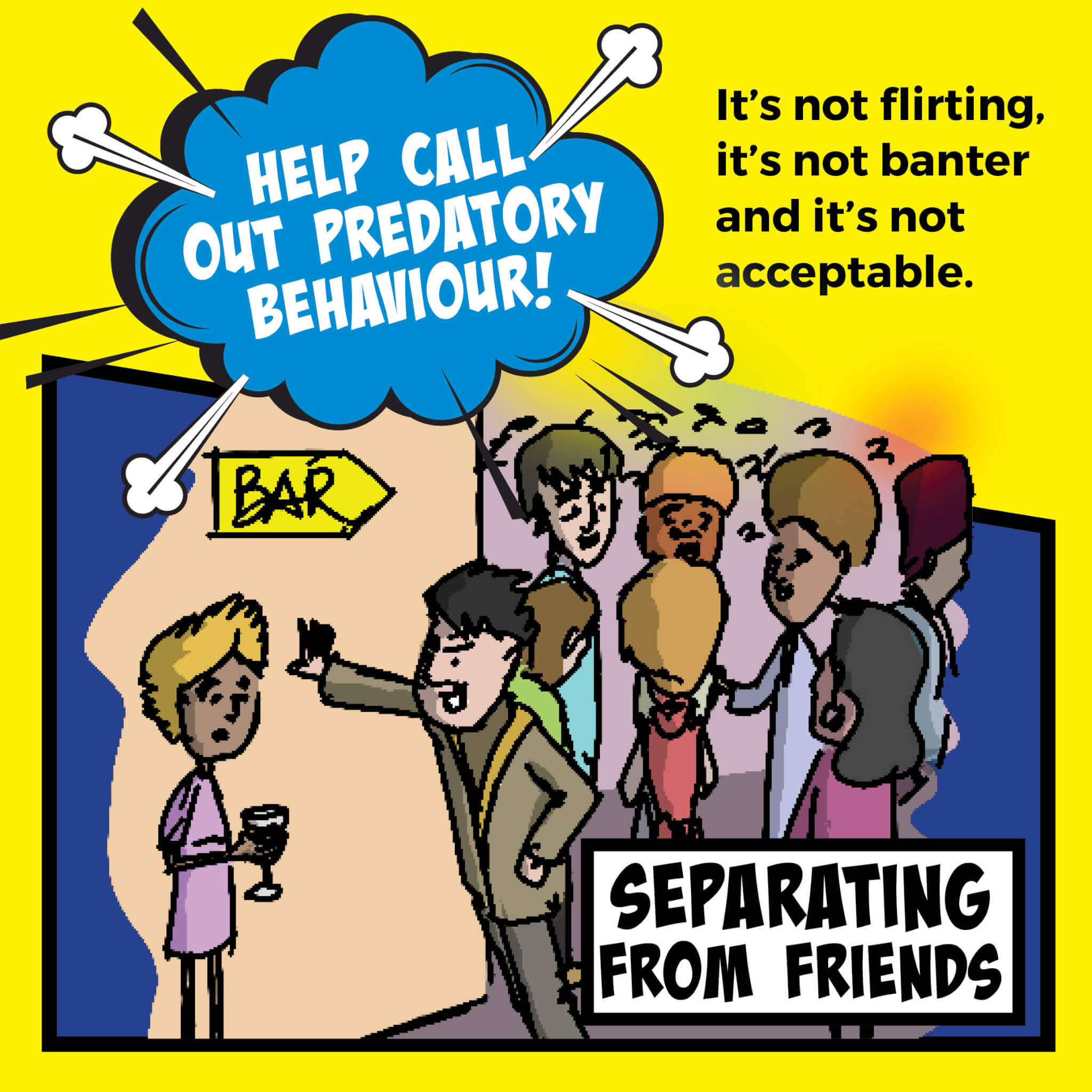
Calling out predatory behaviour
Devon & Cornwall Police says it’s committed to tackling violence against women and girls, and is urging anyone who finds themselves in an uncomfortable situation to speak to venue staff or contact the police directly. That covers predatory behaviour such as verbal harassment, unwanted messages or images, and unwanted physical contact. Full information on what to do if you’ve been sexually assaulted is on the force’s website.
Your daily dose of Cornwall
News, events and goings on across the Duchy
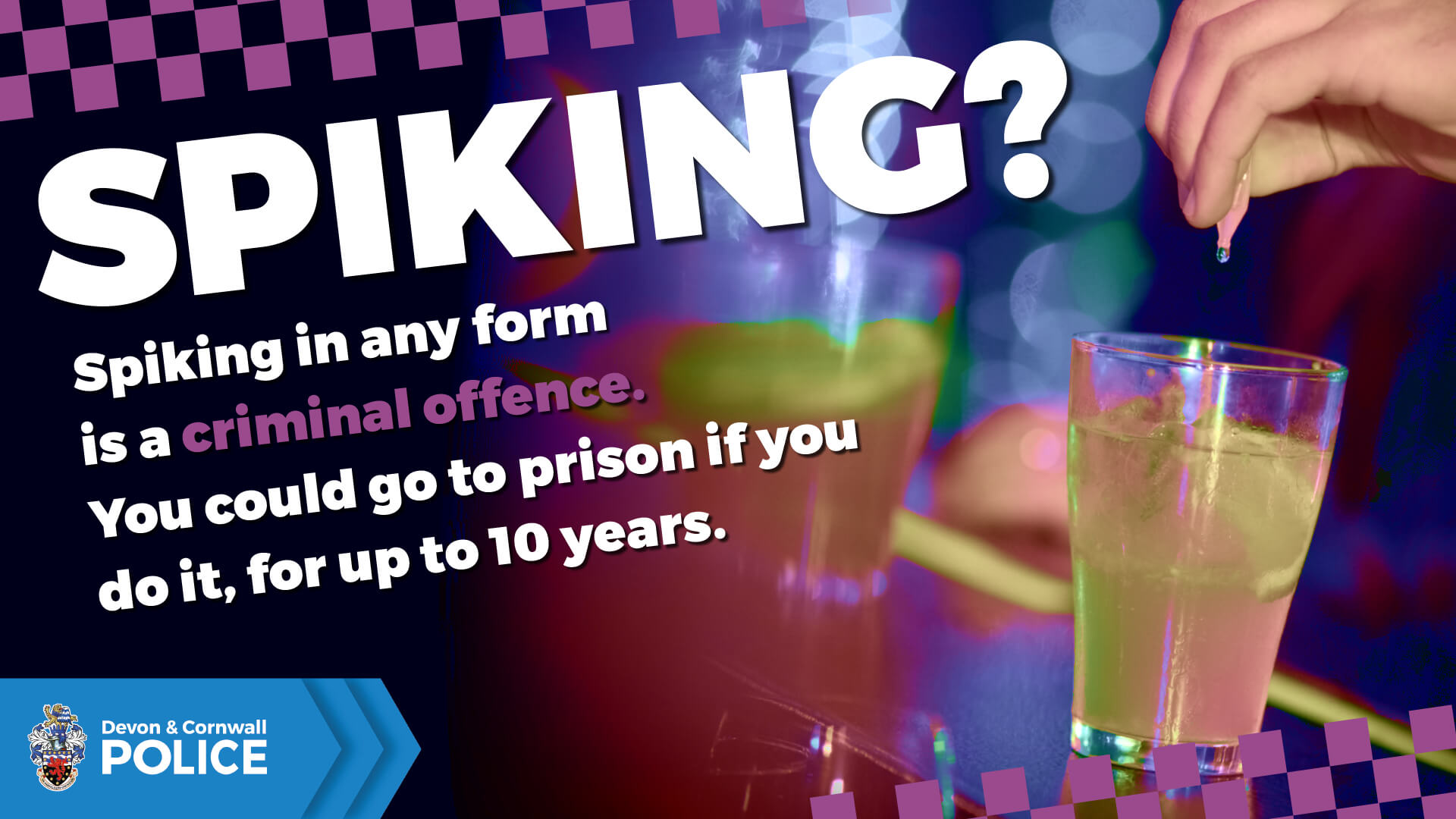
What to do if you think you’ve been spiked
Confirmed spiking incidents are rare across Devon and Cornwall, but the force is clear it can happen to anyone. Most nights out pass without a problem, but the advice stands: keep an eye on your drink, don’t accept drinks from strangers or pick up ones left unattended, and be wary of vapes offered by someone you don’t know.
Anyone who thinks they may have been spiked should tell a trusted friend or a member of venue staff or security as soon as possible. Once you’re safe, and whatever the circumstances or however long ago it happened, the force encourages people to report suspected cases of spiking online or by calling 101. Full guidance is on the spiking advice page.
The e-scooter rule that could catch new students out
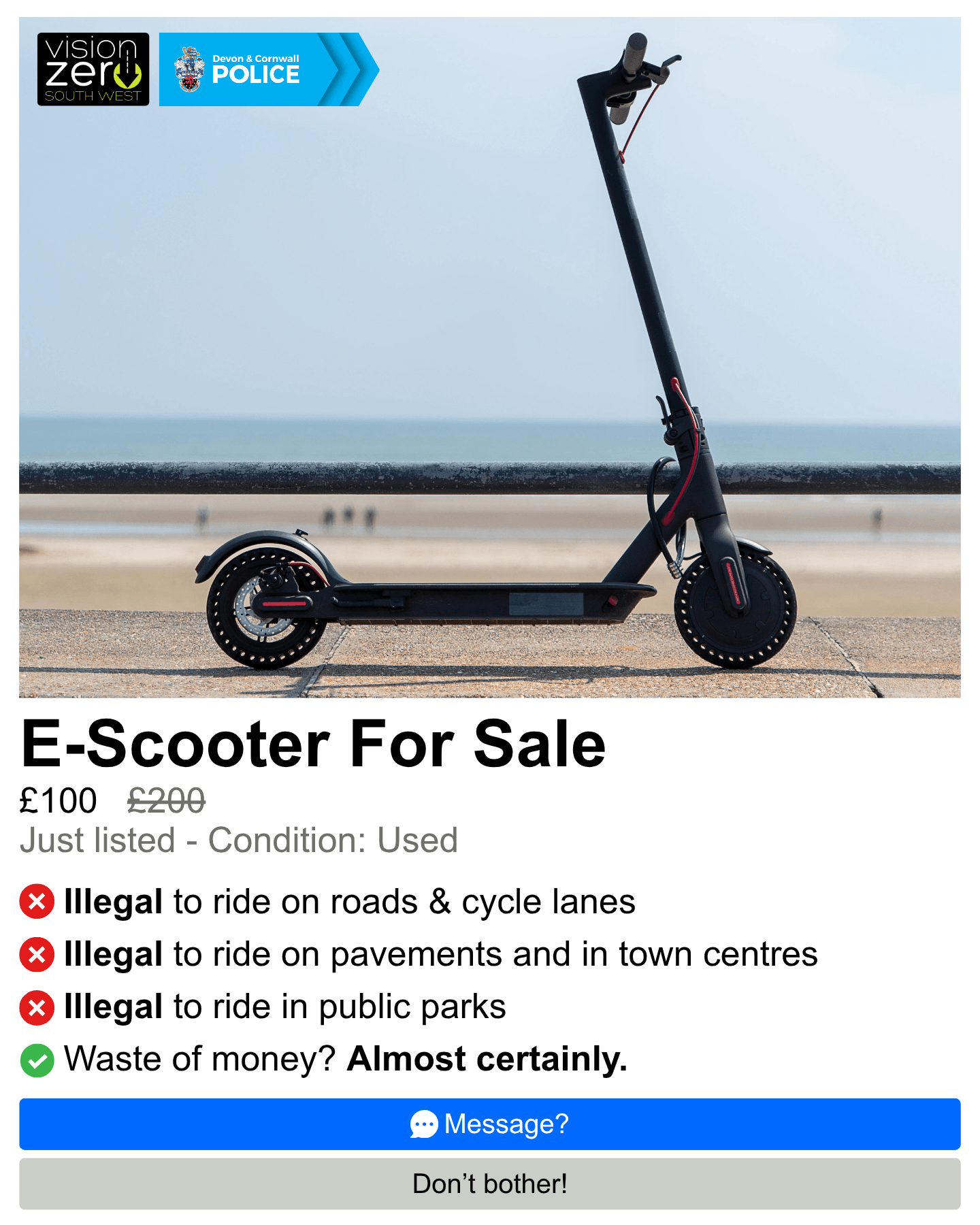
ACC Mayhew also wants to flag something a lot of new arrivals don’t realise. “As thousands of new students arrive in our communities, we also want to help keep our roads and public spaces safe by reminding people of the rules around e-bikes, a popular way to get around, and e-scooters.”
It is illegal to ride a privately owned e-scooter on public roads, cycle paths, pavements or in parks. They can only legally be ridden on private land, with the landowner’s permission. Some towns run rental e-scooter schemes with their own rules, so check with the local provider before hopping on one of those. But for a privately owned scooter, police can seize and destroy it if it’s ridden illegally, so students who’ve brought one with them may want to think about sending it home. The full rules on e-scooters are on gov.uk.
E-bikes: what’s legal and what isn’t
Electrically assisted pedal cycles, or EAPCs, are legal on the road and on cycle paths. But if a bike has a throttle, or pedals that don’t actually propel it, it will almost certainly count as an e-motorbike in the eyes of the law. That means it’s illegal to ride on the road unless you have a valid motorcycle licence, insurance, a motorcycle helmet, and the vehicle itself is taxed and registered. Full detail on what separates an EAPC from an e-motorbike is on gov.uk’s e-bike rules page.
There’s more advice for new arrivals, including posters and support links for university welfare teams, on the force’s fresher’s week resources page.

Read Next
- NewquayIf you're driving through Newquay town centre on the morning of Sunday 8 November, you may end up waiting a few minutes while a parade goes by.
Share This Story, Choose Your Platform!
To keep up with the latest cornish news follow us below
Follow CornishStuff on Facebook - Like our Facebook page to get the latest news in your feed and join in the discussions in the comments. Click here to give us a like!
Follow us on Twitter - For the latest breaking news in Cornwall and the latest stories, click here to follow CornishStuff on X.
Follow us on Instagram - We also put the latest news in our Instagram Stories. Click here to follow CornishStuff on Instagram.
- 1
- 2
- 3
- 4
- 5
- 6