TB found in South West wild beavers: what Cornwall farmers are told
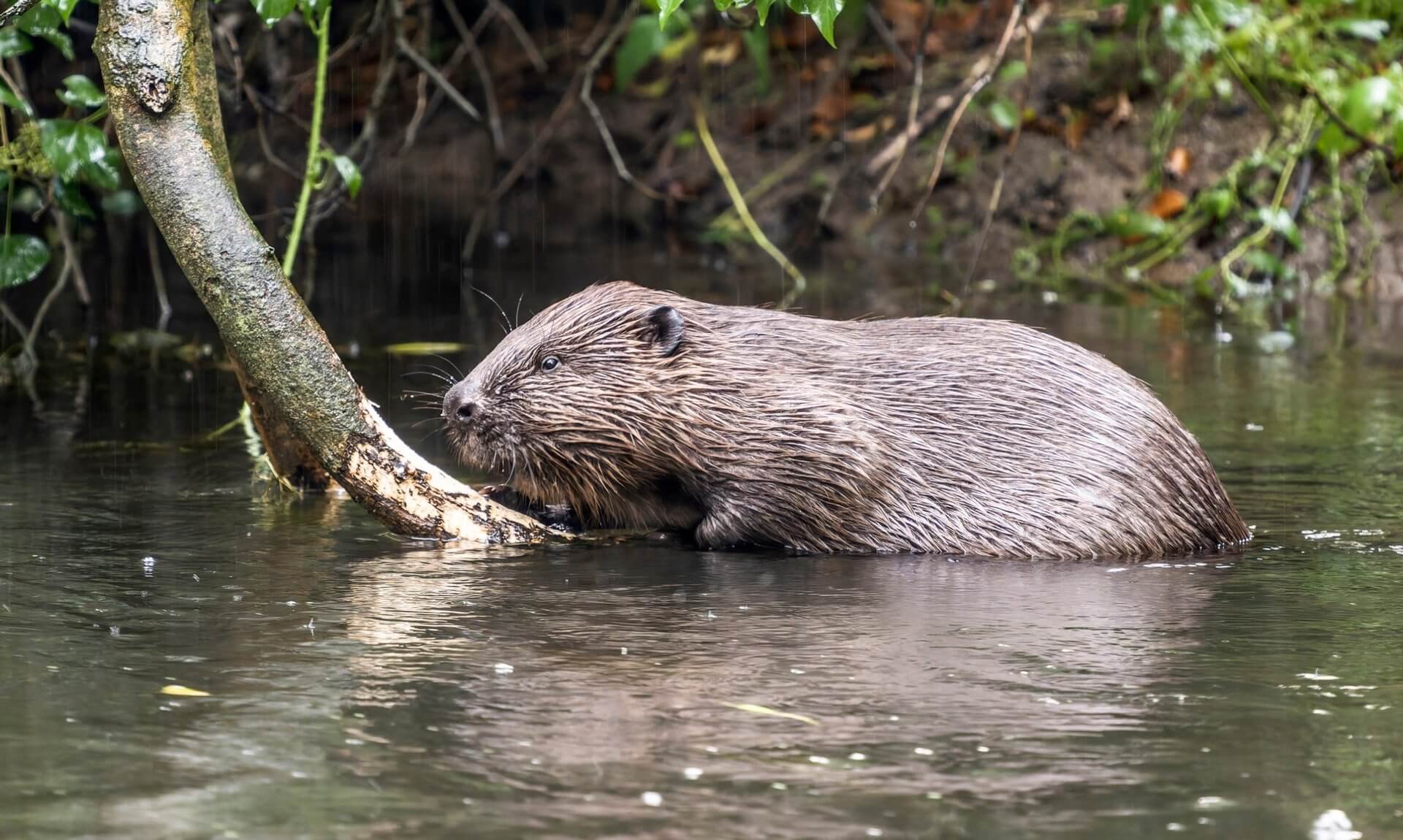
If you keep cattle anywhere in the South West, Defra has new advice for you after an unusual find in two wild beavers.
The Animal and Plant Health Agency (APHA) has confirmed Mycobacterium bovis, the bacteria that causes tuberculosis, in two wild beavers in south-west England. It is the first time TB has been recorded in beavers in the UK.
Defra has not said where in the region the two beavers were found.
How the cases were found
Both cases came to light through Natural England’s wildlife surveillance programme, which includes specialist post-mortem examinations supported by APHA.
The first case was detected this autumn. The second turned up when more than 70 earlier beaver post-mortem reports, collected in spring 2025, were reviewed.
APHA considers the two cases isolated and independent of each other.
Is there a risk to livestock or people?
Defra says there is currently no evidence that beavers increase the risk of TB passing to livestock, other wildlife or people.
UK Deputy Chief Veterinary Officer Ele Brown said: “We are reviewing the evidence for the source of infection, and colleagues in Natural England will be updating their biosecurity advice for beaver release. However, at present there is no evidence that beavers increase the risk of TB transmission to livestock, other wildlife or people.”
What livestock keepers are asked to do
The advice to farmers is to keep following existing TB controls and strict farm biosecurity. Specifically:
- Restrict livestock access to watercourses.
- Give cattle clean drinking water from troughs instead.
- Cut down the chances of cattle and wildlife meeting at water sources.
What happens next for beaver releases
Natural England says every beaver is health screened before release, and that it remains committed to reintroductions through its licensing process.
Matt Heard, a Director at Natural England, said the licensing process is “designed to strike the right balance”, ambitious enough to restore the species but careful enough to co-exist with other wildlife and farming businesses.
APHA is still investigating how the beavers became infected and whether there are wider implications. It is also working with Natural England to review risk assessments and management plans for beavers in England. Both organisations have published more detail on the Natural England blog and the APHA science blog.
Earlier this month the government formally adopted a long-term strategy aimed at eradicating TB from England by 2038.
Read Next
Share This Story, Choose Your Platform!
To keep up with the latest cornish news follow us below
Follow CornishStuff on Facebook - Like our Facebook page to get the latest news in your feed and join in the discussions in the comments. Click here to give us a like!
Follow us on Twitter - For the latest breaking news in Cornwall and the latest stories, click here to follow CornishStuff on X.
Follow us on Instagram - We also put the latest news in our Instagram Stories. Click here to follow CornishStuff on Instagram.
- 1
- 2
- 3
- 4
- 5
- 6