UK salmonella outbreak: what to do if you’ve eaten recalled meat
You’ve had the meat sitting in the fridge for a couple of days, and now there’s a recall notice attached to it. That exact moment is playing out in more kitchens than usual right now. A national outbreak of salmonella food poisoning has left hundreds of people ill and one person dead, and food hygiene experts say public concern has shot up as a result.
Your daily dose of Cornwall
News, events and goings on across the Duchy
What’s actually happened
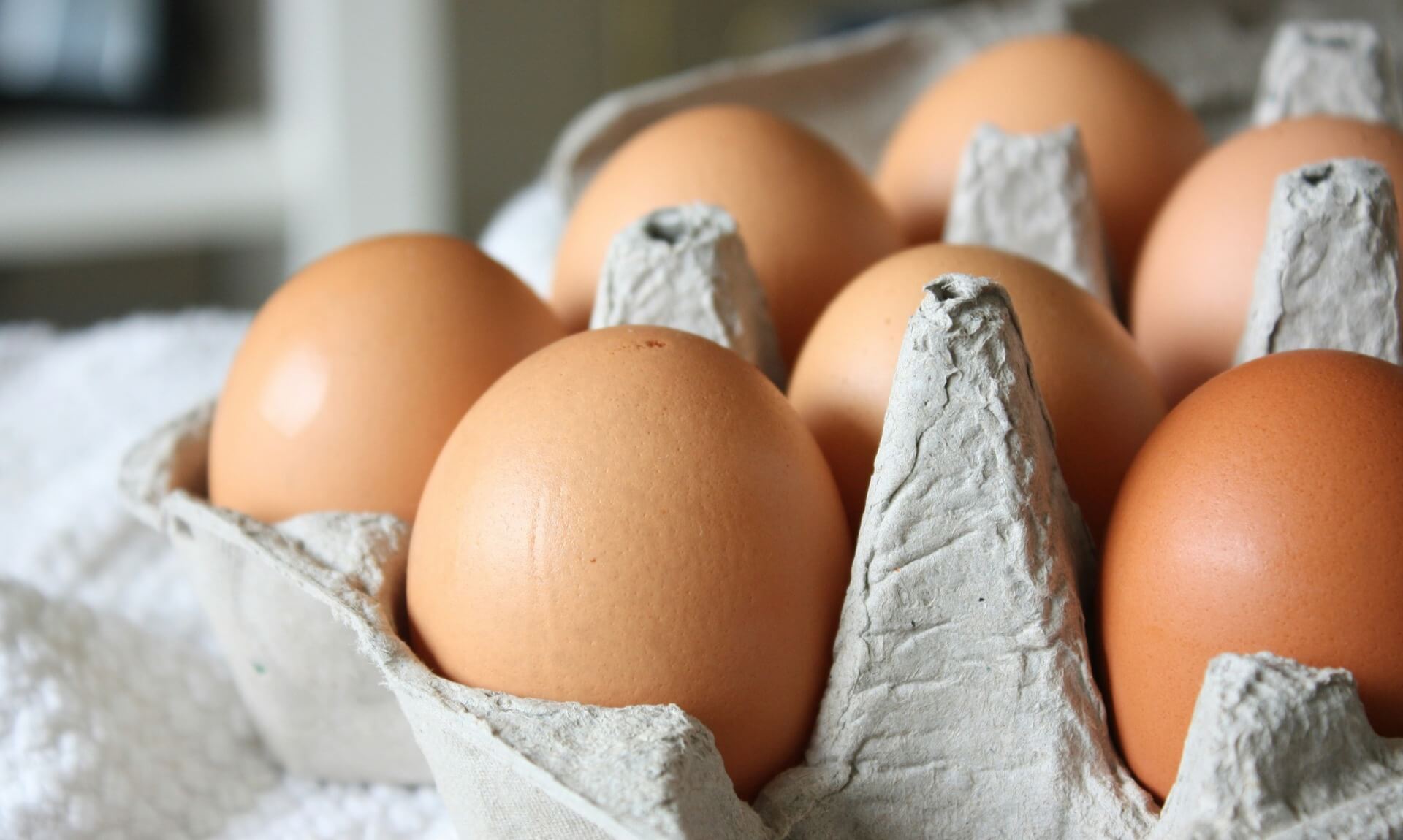
Experts at High Speed Training have recorded a 900% increase in online searches for “salmonella outbreak,” with public interest reaching its highest point in more than 20 years. UK experts believe the outbreak could be linked to food made with imported eggs, and it follows a significant meat recall.
Foodborne pathogens as a group, including norovirus, Campylobacter, Listeria, Salmonella and Shiga toxin-producing Escherichia coli (STEC), cause around 2.4 million cases of disease in the UK population every year, at an annual cost to society equivalent to £9.1 billion.
Why salmonella is taken so seriously
Dr Richard Anderson, Learning Experience Director at High Speed Training, explains where the risk comes from.
“Salmonella is a common bacterial disease that is most often caused by the cross-contamination of faeces with our food or drink, making food hygiene and safety absolutely vital in prevention,” he said. “Salmonella is more common in raw food, fruit and veg, eggs and seafood, giving any establishment that deals with food a major responsibility to be trained sufficiently when preparing and cooking food, so that salmonella doesn’t become an issue for them.”
The symptoms range from mild to severe. “Salmonella can have some serious side effects for those who contract it, from a fever to diarrhoea, and in some very serious cases, it can be life-threatening,” Richard said. “This makes it all the more important for establishments to put the right practices in place to prevent occurrences of the bacteria.”
What to do if you’ve bought a recalled product
Richard explains why product recalls matter even though they’re aimed at retailers first. “Product recalls are generally issued as a precautionary measure, and are mainly for the notice of the retailers themselves, who will be required to remove the products in question from sale as quickly as possible.”
But there’s a reason the public needs to know too. “Knowledge of product recalls is beneficial to the public for two reasons,” he said. “Firstly, if they haven’t yet eaten the product in question, they can dispose of the product safely. And secondly, if they have already eaten the product, they can monitor for potential signs and symptoms of food poisoning.”
In practice, that means two simple steps. If the product is still in your fridge or freezer, throw it away rather than cooking or eating it. If you’ve already eaten it, keep an eye out for fever, diarrhoea or stomach pain over the following days, and get medical advice if symptoms appear or worsen.
Your daily dose of Cornwall
News, events and goings on across the Duchy
What food businesses are supposed to be doing about it
For anyone running or working in a food business, the outbreak is a reminder of what proper training is meant to cover. High Speed Training’s Level 2 Food Hygiene course explains how to prevent cross-contamination and the differences between low-risk and high-risk foods, along with the importance of maintaining high personal hygiene standards. That includes effective handwashing procedures, protective clothing, reporting illness, and managing wounds and sores.
Whether the current spike in searches settles down or not likely depends on how the outbreak develops from here, and on how quickly the recalled products actually come off shelves.
Read Next
- St Columb MajorIf you drove past the primary school in St Columb Major on Monday morning, there is a chance someone was checking your speed.
Share This Story, Choose Your Platform!
To keep up with the latest cornish news follow us below
Follow CornishStuff on Facebook - Like our Facebook page to get the latest news in your feed and join in the discussions in the comments. Click here to give us a like!
Follow us on Twitter - For the latest breaking news in Cornwall and the latest stories, click here to follow CornishStuff on X.
Follow us on Instagram - We also put the latest news in our Instagram Stories. Click here to follow CornishStuff on Instagram.
- 1
- 2
- 3
- 4
- 5
- 6