Are You Using Your Food Thermometer Properly? Experts Explain
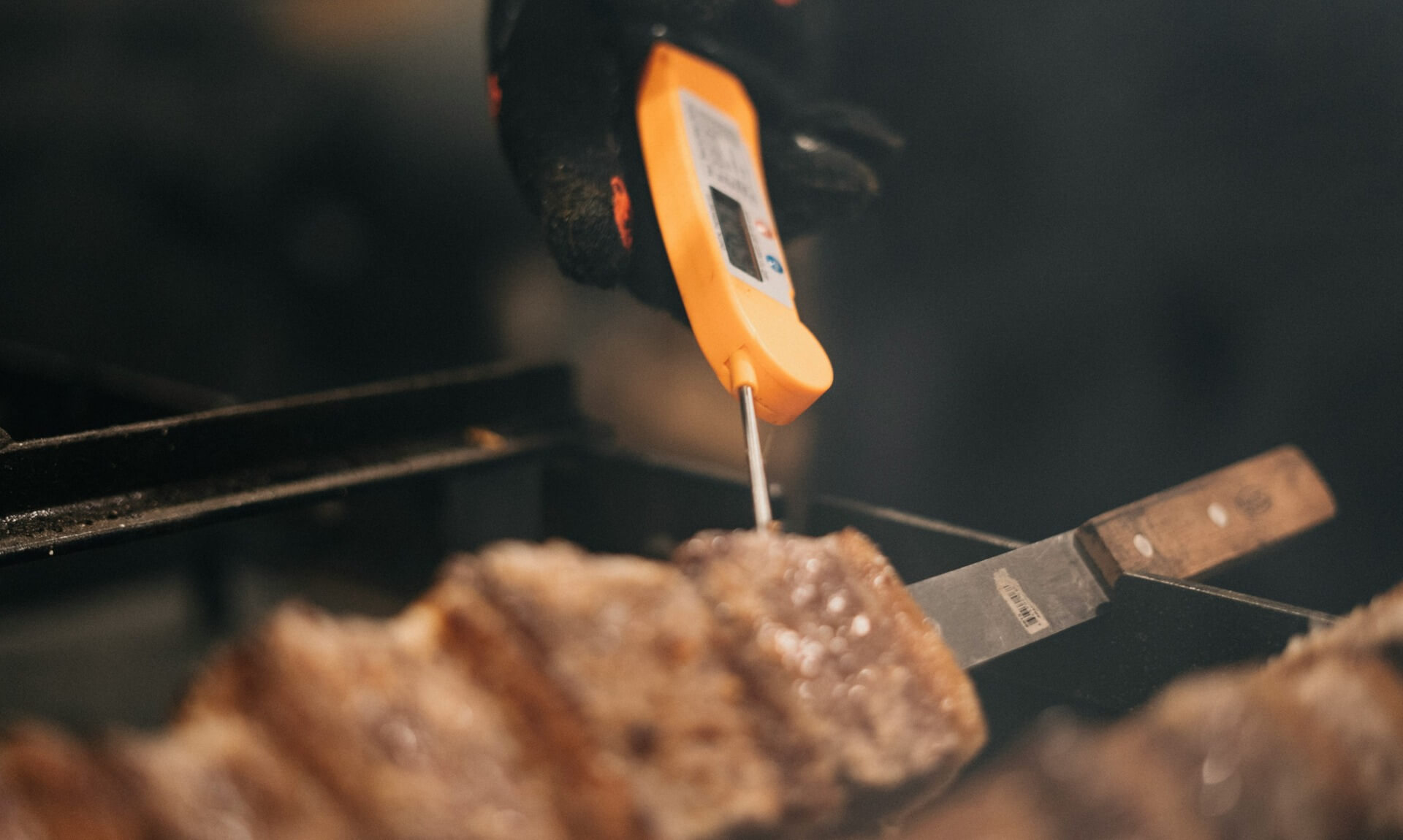
That steak or chicken breast might look done on the outside, but colour alone can’t tell you whether it’s actually safe to eat. A food thermometer takes the guesswork out of it, and it’s a piece of kit most people already have somewhere in the kitchen. The question is whether it’s being used correctly.
Guidance from experts at High Speed Training sets out exactly how to use, and clean, a food thermometer properly.
Your daily dose of Cornwall
News, events and goings on across the Duchy
How to properly use a food thermometer
Dr Richard Anderson, Learning Experience Director at High Speed Training, said the method depends on the type of thermometer in your hand.
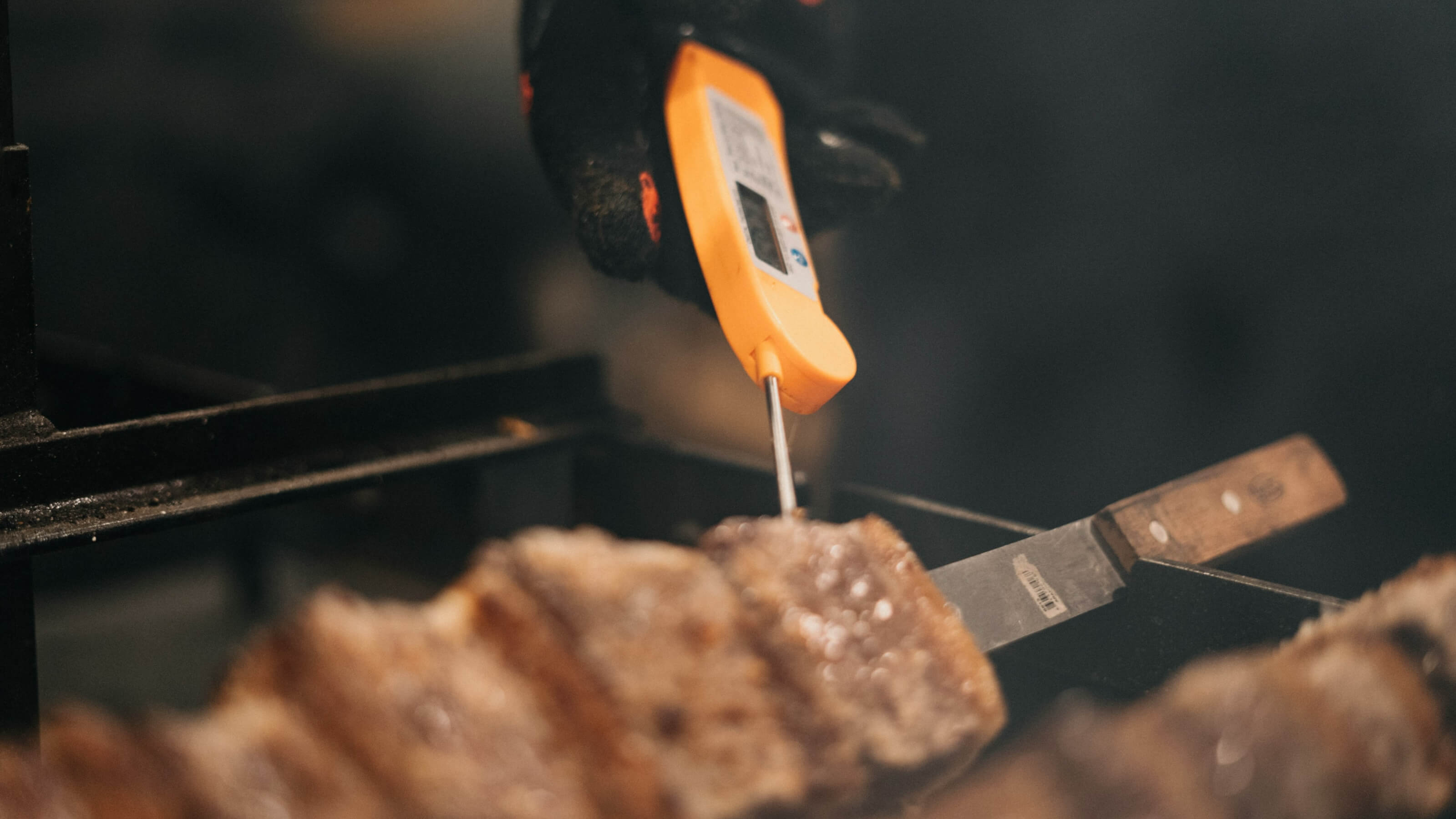
“Food thermometers are easy to use, but the method of use will depend on the type of food thermometer that you have. For example, a meat probe thermometer will need to be inserted into the thickest part of the meat, whereas a sugar thermometer can often be left attached to the side of a pot during cooking. As a general guideline, it is always best to read the manufacturer’s instructions beforehand to ensure that you are using it properly,” Richard said.
With that in mind, most food thermometers can be used in the following way:
- Ensure the thermometer is clean and disinfected before use.
- Insert or place the thermometer into the food. If using a probe thermometer, ensure it is inserted into the thickest part. If the food is still cooking or has only just been removed from the stove or oven, avoid touching the heated pan or placing the thermometer too close to the heat source, as this will give an inaccurate reading.
- Measure the temperature. The reading is likely to rise rapidly (or fall, depending on the situation), so wait until it has settled before noting it down.
- Remove the thermometer, then clean and disinfect it.
Richard also flagged a step that’s easy to overlook once a thermometer has earned its place in the kitchen drawer.
“Your thermometer should be calibrated regularly to ensure that they continue to give accurate readings. How frequently you choose to do this is up to you, the type of thermometer you use and how regularly you use it. It is also worth reading the manufacturer’s instructions on calibration to see whether they recommend a specific timeframe and/or method,” he said.
How to clean a food thermometer
Keeping a thermometer clean and disinfected matters just as much as using it correctly, to avoid cross-contamination between foods.
Most food thermometers can be cleaned in the following way, though it’s worth checking your own manufacturer’s instructions too:
- Wipe off any food or visible contaminants.
- Wash the probe in hot soapy water. Be careful not to submerge the whole thing in water, and focus on the part that has been inserted into the food.
- Disinfect the probe using an appropriate, food-safe sanitiser, or by leaving it in boiling water for a few minutes.
- Dry it thoroughly.
For more tips and in-depth guidance, High Speed Training’s hub has a full guide to using a food thermometer.
Read Next
Share This Story, Choose Your Platform!
To keep up with the latest cornish news follow us below
Follow CornishStuff on Facebook - Like our Facebook page to get the latest news in your feed and join in the discussions in the comments. Click here to give us a like!
Follow us on Twitter - For the latest breaking news in Cornwall and the latest stories, click here to follow CornishStuff on X.
Follow us on Instagram - We also put the latest news in our Instagram Stories. Click here to follow CornishStuff on Instagram.
- 1
- 2
- 3
- 4
- 5
- 6