CQC maternity survey finds some women’s concerns still go unheard
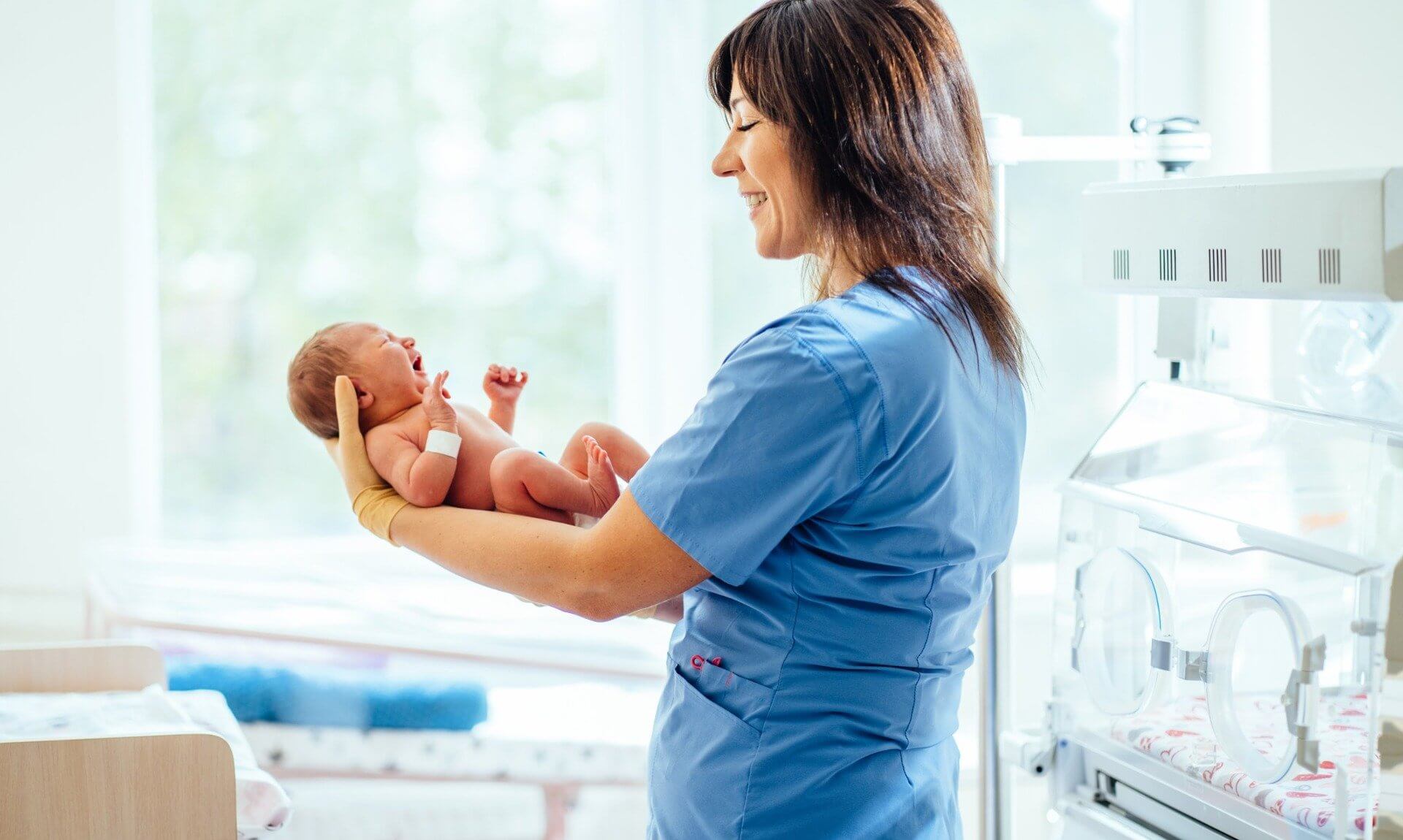
Most women who gave birth in England this February say midwives listened to them, gave them time and let their partners stay. But a national survey published on Thursday 26 November also found that some felt they were treated unfairly. And when almost one in five raised a concern during labour, they say it wasn’t taken seriously.
The Care Quality Commission (CQC) asked more than 16,750 women who used NHS maternity services in 2026 about their care. The questions covered pregnancy, labour and birth in hospital, and the weeks at home after their baby arrived.
Better communication during pregnancy
The antenatal results are the strongest. 83% of respondents said they were “always” given enough time to ask questions or talk about their pregnancy at check-ups. That’s up from 81% in 2025 and 77% in 2022.
85% said their midwives “always” listened to them during pregnancy, compared with 80% in 2022. And 82% said they were “always” involved in decisions about their antenatal care, up from 78% in 2022.
More women also felt better informed. 79% said they were “definitely” told about warning signs to look out for while pregnant, up from 77% last year.
Partners far more involved
The biggest shift over the last few years is in how much partners can be there.
96% of women said their partner or someone close to them could be involved as much as they wanted during labour and birth. That’s up from 95% in 2025 and 90% in 2022.
The change after birth is much bigger. 79% said their partner could stay as long as they wanted once the baby had arrived. In 2025 the figure was 72%. In 2022 it was just 39%.
Mental health support holding steady
90% said they had enough mental health support during pregnancy. That’s the same as 2025 but up from 85% in 2022.
61% said they were “definitely” told about changes they might notice in their mental health after having their baby. Again, that matches last year and is up from 58% in 2022.
Where care fell short
17% of women said a concern they raised during labour and birth wasn’t taken seriously. More than a third (36%) said they had thought about complaining about their maternity care, the same as in 2025.
For the first time this year, the survey asked whether people felt healthcare professionals had treated them unfairly or differently from others. 77% said this didn’t happen. But 7% said it happened during antenatal care, 8% during labour and birth, and 9% during postnatal care.
Of those who said they were treated unfairly or differently, 14% linked it to race, ethnicity or nationality. Another 14% linked it to their age.
Fewer women felt their midwives and doctors always worked well together during labour and birth (75%, down from 77% in 2025). And only 58% of those who needed help in hospital after the birth said they could “always” get a member of staff to help them. That figure was 57% in 2025, which the CQC says isn’t a statistically significant change.
Seeing the same midwife made a difference
At national level, women who saw the same midwife more often through pregnancy, labour and birth, and postnatal care were more positive about their experience in a number of areas.
What the Chief Inspector said
Dr Toli Onon, the CQC’s Chief Inspector of Hospitals, said: “It is encouraging to see women reporting better experiences of communication and compassion, and partners being far more involved in their care. This reflects the hard work of maternity staff, who are delivering care under real pressure.
“However, too many women still tell us their concerns are not being taken seriously, and some feel they have been treated unfairly. That is not good enough. Safe, high-quality maternity care must be the experience for everyone.
“It’s also disappointing that fewer people felt that the midwives or doctors caring for them during labour consistently worked well together. Patient-centred, mutually respectful working across the multi-disciplinary clinical team is critical for the provision of safe, effective, compassionate care. Three-quarters of women did experience this collaborative care, but every trust and clinician must strive for all women to feel that way.”
The Chief Inspector added that the CQC will keep reporting findings from its inspections of NHS trust maternity services across England, and said: “I hope that all trusts will use their individual survey results to understand what women are telling them and to help identify any changes they can make to improve safety and quality in their own service.”
About the survey
The survey ran from April to July 2026. It included women aged 16 or over who gave birth in February 2026 at any NHS acute trust providing maternity services (smaller trusts also included January 2026 births). In total, 119 trusts took part.
It’s carried out every year as part of the NHS Patient Survey Programme. The CQC uses the results in its wider monitoring of hospital services, and they’ll feed into future maternity inspections.
Results for every participating trust, plus the national report, are on the CQC maternity survey page.
Read Next
- JobsMost people finish an apprenticeship hoping it leads to a promotion.
Share This Story, Choose Your Platform!
To keep up with the latest cornish news follow us below
Follow CornishStuff on Facebook - Like our Facebook page to get the latest news in your feed and join in the discussions in the comments. Click here to give us a like!
Follow us on Twitter - For the latest breaking news in Cornwall and the latest stories, click here to follow CornishStuff on X.
Follow us on Instagram - We also put the latest news in our Instagram Stories. Click here to follow CornishStuff on Instagram.
- 1
- 2
- 3
- 4
- 5
- 6