Sunburn, stings and heatstroke: Cornwall’s bank holiday NHS tips

You’ve got the picnic packed, the paddleboard strapped to the roof and a decent forecast for once. Before you head out this bank holiday, the NHS in Devon, Cornwall and the Isles of Scilly has a shorter list of things worth packing too, and a few reminders that could save you a trip to the minor injuries unit.
Your daily dose of Cornwall
News, events and goings on across the Duchy
Getting ready before you go
NHS Devon, Cornwall and Isles of Scilly Chief Population Health Officer Dr Peter Collins said preparation is most of the battle.
“We’re all hoping to enjoy the bank holiday, but it’s important to stay safe while you have fun. You can do this by getting prepared in advance and following our summer health tips, such as stocking up your first aid, making sure to have sun cream, packing a reusable water bottle and sun hat,” Peter said.
“It’s always a good idea to think about and check on elderly or younger members of the family, as they can become dehydrated more easily. Remind them to drink more and keep topping up on sun cream or avoid going out at the hottest part of the day.
“If you need medical help, know where to go. Local pharmacies are your first port of call as they can offer expert advice for minor illnesses, helping you to get the right care quickly.”
Sun safety: protect your skin and stay hydrated
- Wear a high-factor sunscreen and reapply regularly, especially after swimming. Sunburn increases your risk of skin cancer and can happen even on cloudy days.
- Stay in the shade during peak sun hours, 11am to 3pm.
- Wear a hat and sunglasses, keep hydrated with plenty of water, and go easy on the alcohol in the sun.
- Older adults, people with long-term health conditions, and young children are particularly at risk during periods of extreme heat, especially if they live alone or have limited mobility.
Watch for the signs of heat exhaustion: headache, dizziness or confusion, nausea or a loss of appetite, pale and clammy skin with heavy sweating, muscle cramps, extreme thirst, and a high temperature with rapid breathing or pulse.
Heatstroke is more serious, and needs a 999 call. Signs include still feeling unwell after resting in a cool place for 30 minutes, not sweating despite feeling hot, a body temperature of 40°C or higher, rapid breathing or shortness of breath, confusion or disorientation, seizures, or unconsciousness.
Treating sunburn if it catches you out
Do cool the skin with a cold shower or a damp cloth, drink plenty of fluids, use aftersun lotion or aloe vera gel, and cover the area and stay out of the sun until it heals.
Don’t use petroleum jelly, butter or ice directly on the skin, don’t pop any blisters, as that raises the risk of infection, and don’t scratch or peel the skin.
Your daily dose of Cornwall
News, events and goings on across the Duchy
Insect bites and stings
“Most insect bites and stings are not serious and will improve within hours or days. Your local pharmacist can recommend treatments such as painkillers, creams and antihistamines to help relieve symptoms,” Peter added.
To treat a bite or sting at home, remove the sting or tick if it’s still in the skin, wash the area with soap and water, apply a cold compress or ice pack for at least 10 minutes, raise the affected area if you can, and try not to scratch it.
For symptoms that stick around, over-the-counter paracetamol or ibuprofen can help with pain (never give aspirin to a child under 16), a pharmacist can advise on treatments such as crotamiton cream, hydrocortisone or antihistamine tablets for itching, and a cold compress or antihistamines can help with swelling.
Get in touch with your GP or call NHS 111 if symptoms get worse or don’t improve after a few days, if the bite or sting is in the mouth, throat or near the eyes, if an area around 10cm or more turns red, swollen or fills with pus, or if you develop a fever, swollen glands or other signs of a wider infection.
Call 999 straight away for signs of a severe allergic reaction: wheezing or difficulty breathing, swelling of the face, mouth or throat, nausea or vomiting, a fast heart rate, dizziness or fainting, difficulty swallowing, or a loss of consciousness.
If you run out of your regular prescription
The best way round this is ordering your repeat prescription in good time and checking you have enough to last until the next one lands. If you’re running low, contact your own GP practice as soon as you can, and that still applies if you’re visiting Cornwall, the Isles of Scilly or Devon but live elsewhere.
If you do run out and need medication urgently, contact NHS 111 by phone or online. They can assess what you need and point you to the right service, which may mean a referral to a pharmacy. A pharmacist may be able to provide an emergency supply of certain medications, although charges can apply.
Beach safety: know the flags and respect the water
Visit a lifeguarded beach and swim between the red and yellow flags, and check tide times and the local weather before you head out.
If you do get into trouble in the water, remember to float to live: lie on your back with your arms and legs out, and try to stay calm rather than fight the current. Keep a close eye on children and novice swimmers, and never use inflatables in the sea, they can be swept away by currents and wind in moments.
Your daily dose of Cornwall
News, events and goings on across the Duchy
Staying safe on the coast path
Cornwall’s coastline is one of the best reasons to be here, but it can also be rugged, remote and quick to change. A little preparation goes a long way, whether it’s your first walk or your fiftieth.
- Check the weather before you set off. Strong winds, heavy rain or sea mist can make paths slippery and disorientating.
- Wear sturdy, supportive footwear for uneven, narrow and rocky sections.
- Stay on the marked path. Shortcuts can be dangerous and some cliff edges are unstable.
- Carry enough water and snacks, since facilities can be few and far between on longer stretches.
- Plan your route and know your limits. Be realistic about distance, terrain and daylight, and turn back if you need to.
- Tell someone your plans, a friend, family member or accommodation host, and let them know when to expect you back.
- Be tide aware. Some sections can only be crossed at low tide, so check local tide times first.
- Keep dogs on a lead near cliffs and livestock.
- Carry a map, a phone and a charged power bank, since mobile signal can be patchy along the coast.
- Take your litter home and leave no trace, so the path stays this good for whoever walks it next.
Know where to get help
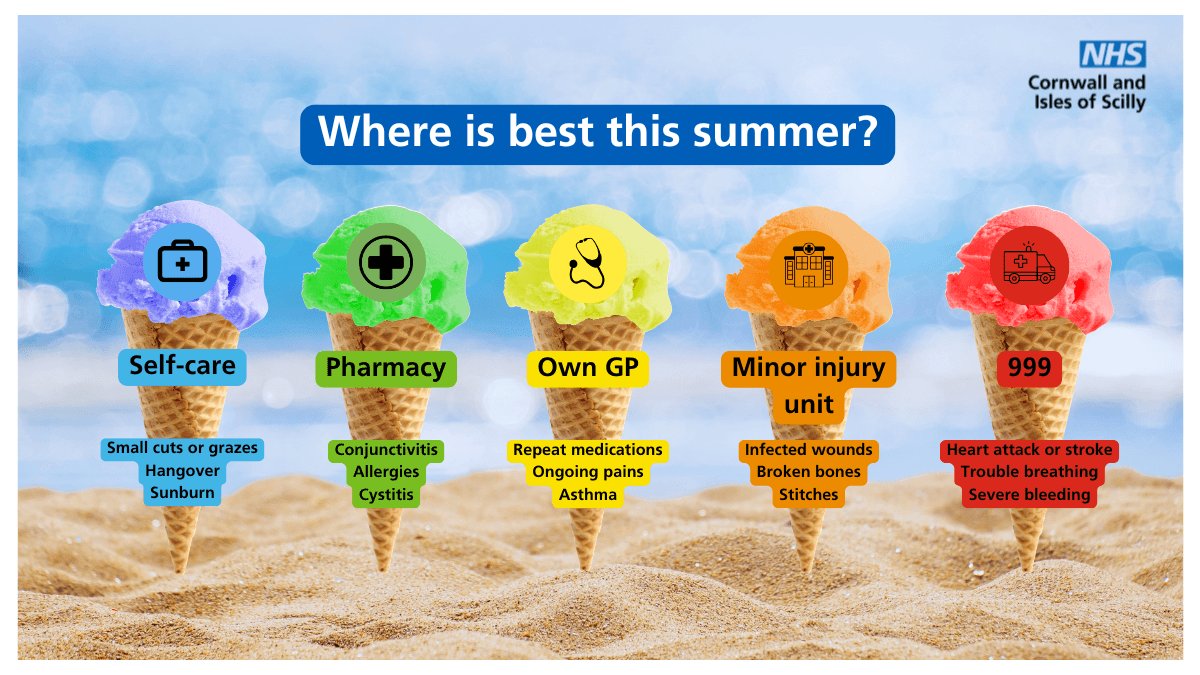
For minor injuries or sunburn, your local pharmacy or NHS 111 online are the quickest routes to the right advice. For general summer health guidance, the NHS’s live well pages have more on staying well through the season.
In an emergency at the beach, call 999 and ask for the coastguard, and if you see someone else in trouble in the water, dial 999 rather than going in after them yourself. RNLI’s beach safety advice has more on reading a beach before you get in.
Reach for the same 999 call and ask for the coastguard if you get into difficulty on the coast path itself. The rest of it, from a mild sting to a stubborn case of sunburn, is usually something a local pharmacist can sort in five minutes flat.

Read Next
- St Columb MajorIf you drove past the primary school in St Columb Major on Monday morning, there is a chance someone was checking your speed.
Share This Story, Choose Your Platform!
To keep up with the latest cornish news follow us below
Follow CornishStuff on Facebook - Like our Facebook page to get the latest news in your feed and join in the discussions in the comments. Click here to give us a like!
Follow us on Twitter - For the latest breaking news in Cornwall and the latest stories, click here to follow CornishStuff on X.
Follow us on Instagram - We also put the latest news in our Instagram Stories. Click here to follow CornishStuff on Instagram.
- 1
- 2
- 3
- 4
- 5
- 6