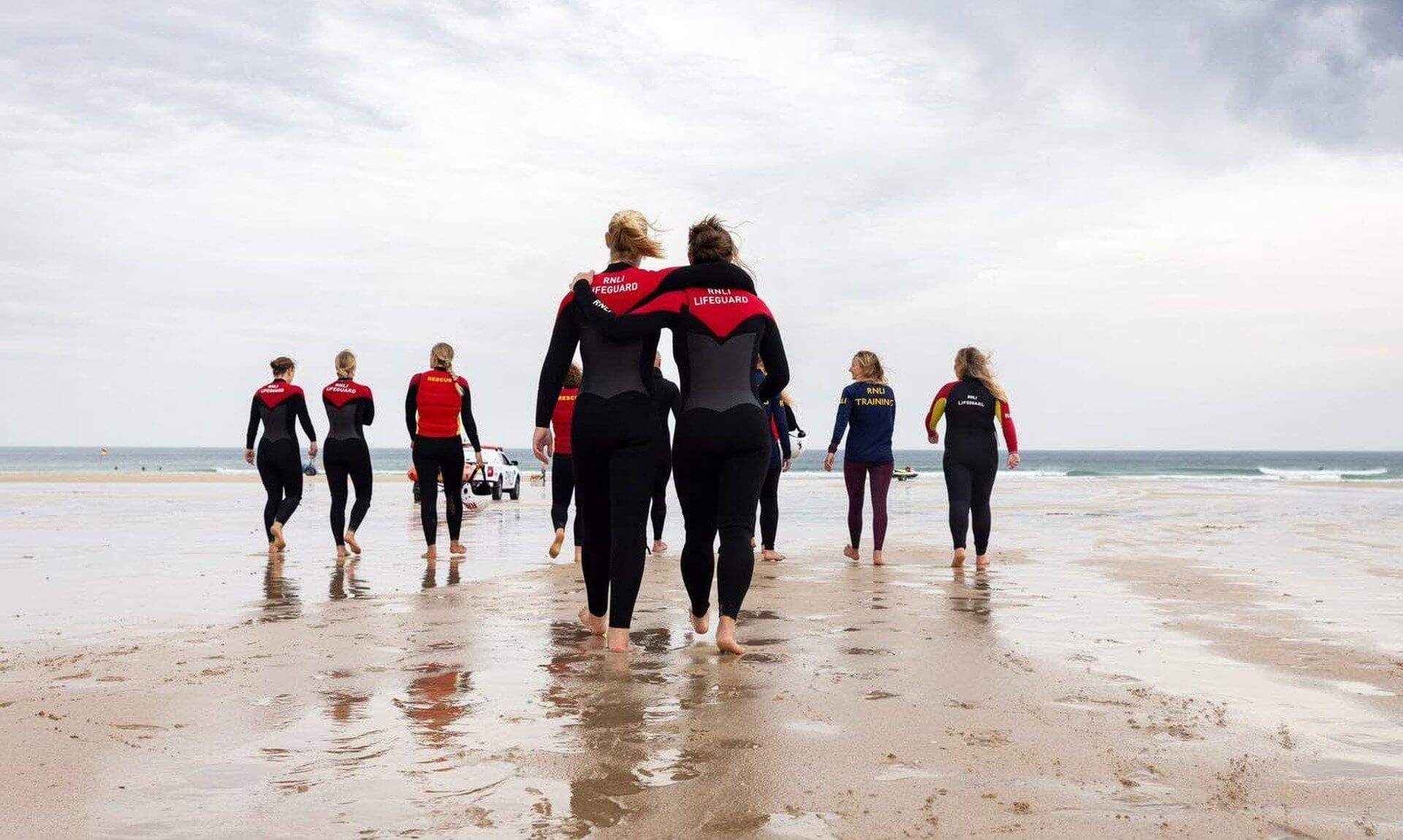
How to Spot and Escape a Rip Current
Caught in a Rip Current? Here’s Exactly What To Do
Heading to the beach should be relaxing, but the sea can turn dangerous quickly if you don’t know what to look for. Rip currents are one of the most serious risks around the UK coastline, and understanding them could make all the difference.
For more detailed safety advice, the RNLI provides guidance on how to stay safe in the water.
Your daily dose of Cornwall
News, events and goings on across the Duchy
What Is a Rip Current?
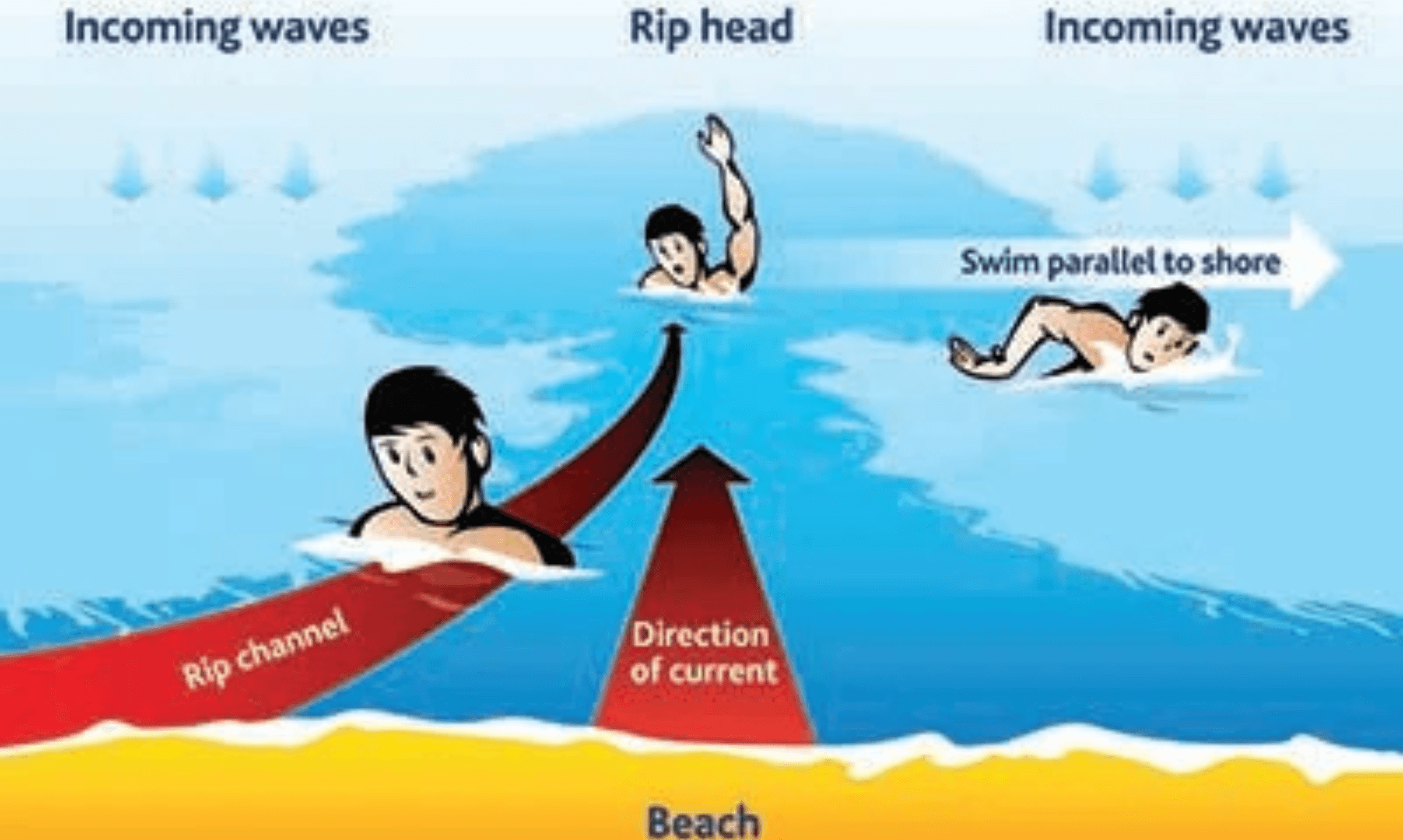
A rip current is a strong flow of water moving away from the shore, often forming in channels between sandbanks. These currents can quickly carry swimmers out to deeper water, sometimes before they even realise what is happening.
They are not waves pulling you under, but powerful currents pulling you away from the beach. This is an important difference, as it changes how you should respond.
Rip currents can form on any beach with breaking waves, including many popular spots around Cornwall and the wider UK coast. They are often present even on days when the sea looks relatively calm.
Where Rip Currents Commonly Form
Rip currents are more likely to appear in certain areas, including:
- Between sandbanks where water is funnelling back out to sea
- Near structures such as groynes, piers and harbour walls
- On beaches with strong incoming waves and surf
Being aware of these locations can help you make safer choices about where to enter the water.
How to Spot a Rip Current
There are several warning signs to look out for:
- A calmer patch of water where waves are not breaking
- A channel of darker water, which can indicate deeper water
- Foam, seaweed or debris moving steadily out to sea
- A rippled or choppy surface compared to surrounding areas
Sometimes it is not about spotting something obvious, but noticing where the sea looks different from the rest.
If in doubt, it is always safer to stay out of that area.
Your daily dose of Cornwall
News, events and goings on across the Duchy
What To Do If You’re Caught in One
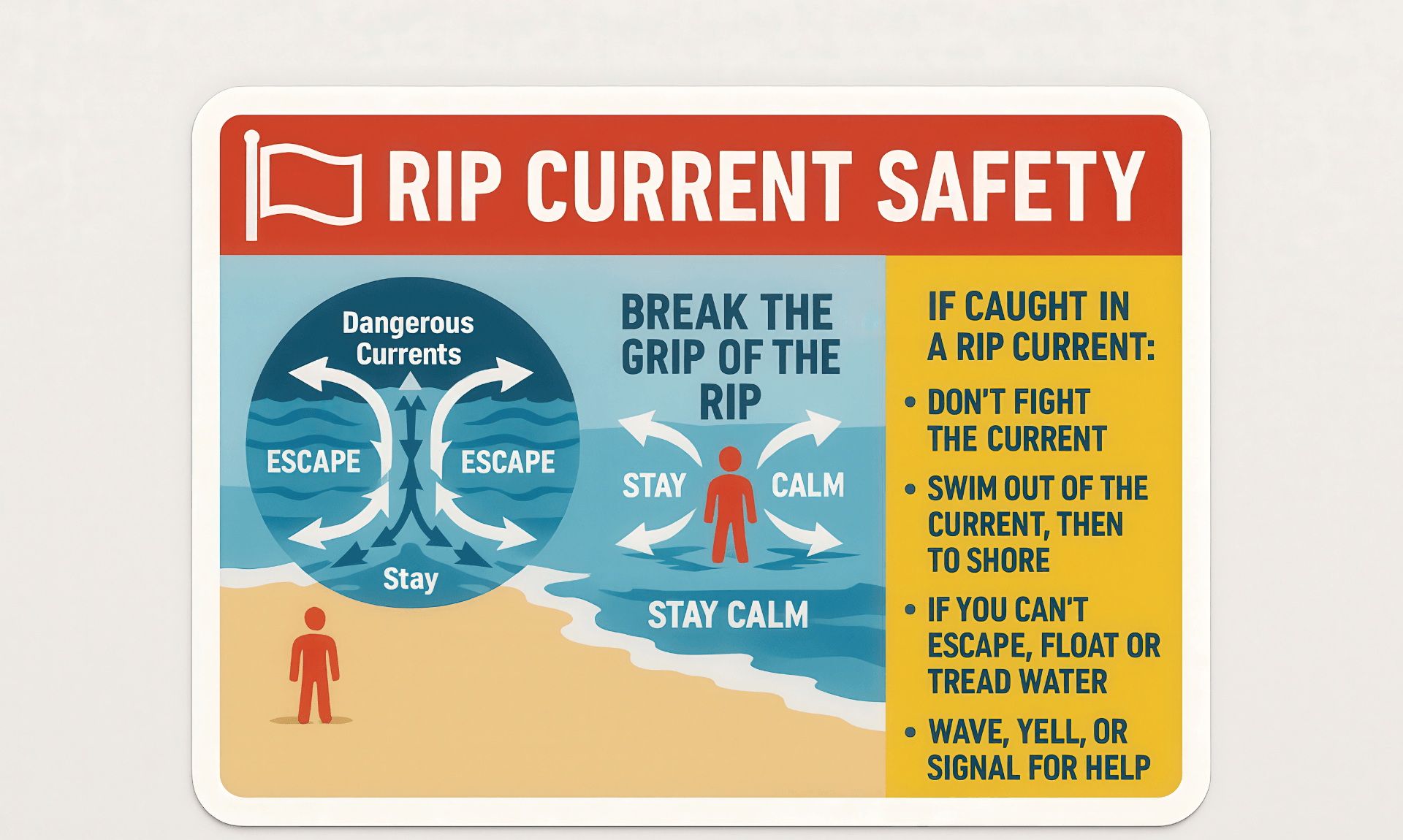
If you find yourself being pulled out to sea, the key advice is simple but crucial:
Stay Calm and Float
Try not to panic. Control your breathing and float on your back. This keeps your airway clear and helps you conserve energy.
Do Not Swim Against It
Rip currents are strong, and even experienced swimmers can quickly become exhausted trying to fight them.
Your daily dose of Cornwall
News, events and goings on across the Duchy
Swim Parallel to the Shore
Once you feel able, swim across the current rather than directly back to the beach. Rip currents are usually narrow, so moving sideways can help you escape.
Raise Your Hand and Call for Help
If you cannot get free, make yourself visible. Raise one arm and shout to attract attention from lifeguards or people on the beach.
The RNLI’s Key Advice
The RNLI promotes a simple approach known as Float to Live. This focuses on staying calm, floating on your back, and allowing your breathing to settle before attempting to move.
You can read more here:
👉 <a href=”https://rnli.org/safety/know-the-risks/rip-currents”>RNLI safety advice on rip currents</a>
Your daily dose of Cornwall
News, events and goings on across the Duchy
How to Stay Safe at the Beach
Taking a few precautions before entering the water can reduce the risk:
- Always swim between lifeguard flags where they are present
- Take note of any safety signage on the beach
- Check tide times and sea conditions before heading in
- Avoid using inflatables in offshore winds
- Never swim alone if possible
- Keep a close eye on children and less confident swimmers
Lifeguarded beaches are always the safest option, particularly during busy periods.
Why This Matters
Rip currents are not always easy to spot, and they can affect anyone, regardless of swimming ability. Many people get into difficulty simply because they panic or try to fight the current.
Taking a few minutes to understand how rip currents work and how to react could prevent a dangerous situation.
Knowing what to look for and what to do means you can enjoy Cornwall’s coastline, and beaches across the UK, with greater confidence and peace of mind.
Read Next
- Cornwall AirportThere is now somewhere to go at Newquay's airport that isn't the departure gate.
Share This Story, Choose Your Platform!
To keep up with the latest cornish news follow us below
Follow CornishStuff on Facebook - Like our Facebook page to get the latest news in your feed and join in the discussions in the comments. Click here to give us a like!
Follow us on Twitter - For the latest breaking news in Cornwall and the latest stories, click here to follow CornishStuff on X.
Follow us on Instagram - We also put the latest news in our Instagram Stories. Click here to follow CornishStuff on Instagram.
- 1
- 2
- 3
- 4
- 5
- 6