Cornwall drought: why old quarries now hold our drinking water
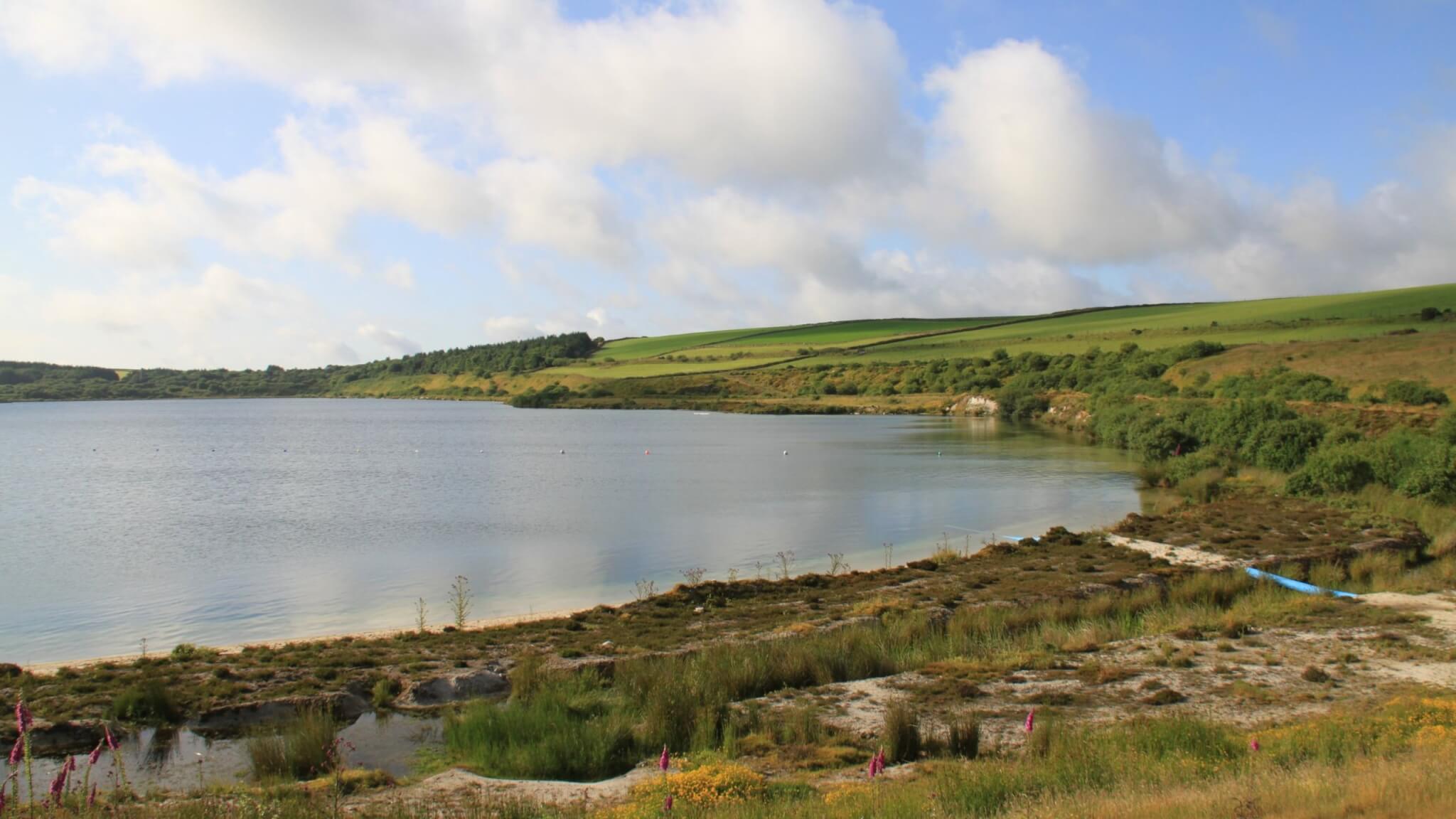
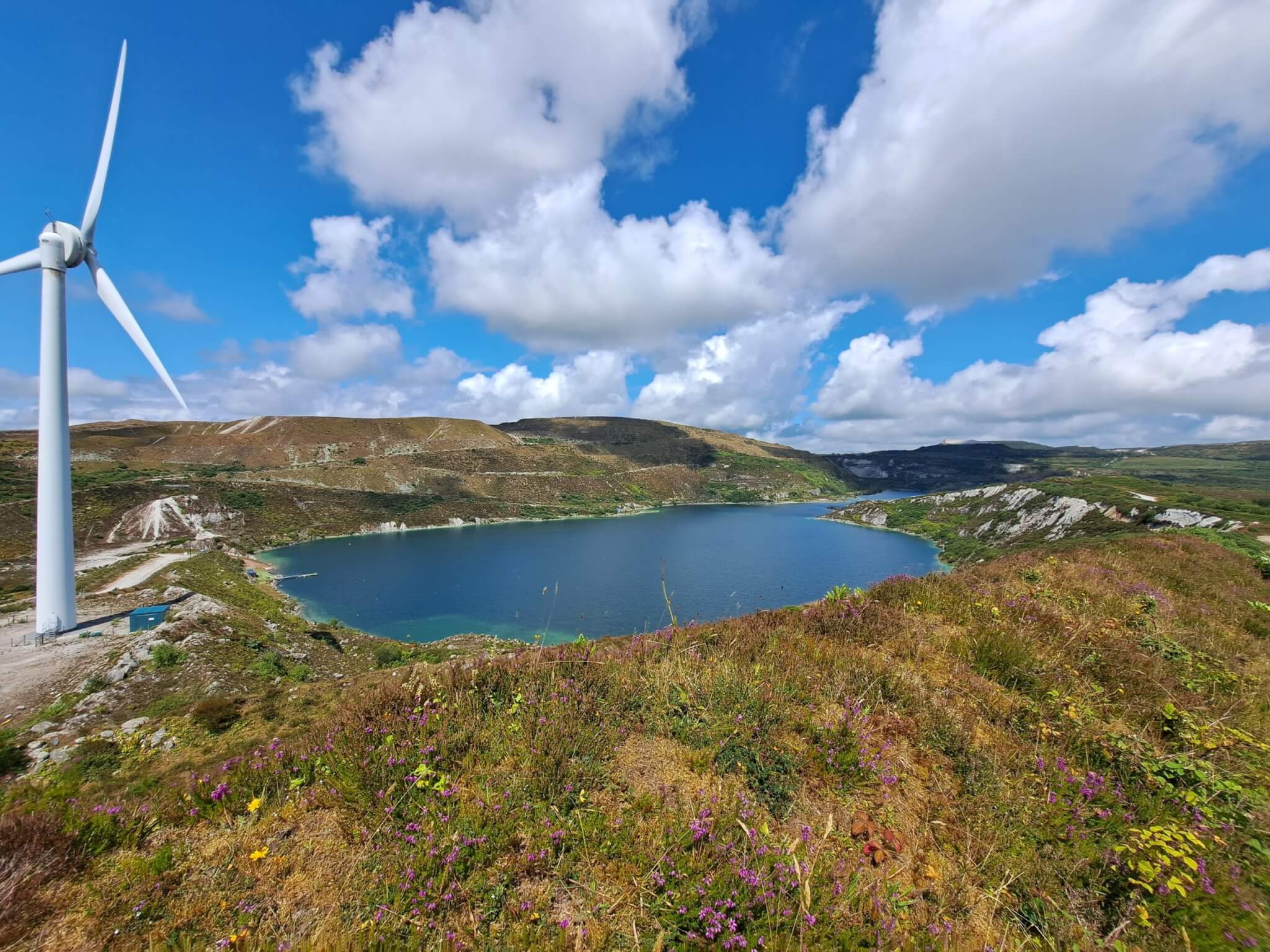
Long before they held water, some of the South West’s reservoirs were working quarries. Dug out, worked to the end of their lives, then left behind. Now, with the region in its worst dry spell in years, those old pits are pulling their weight.
South West Water is highlighting the raw water resources it has built up across the region over the last two decades, as it works to make supplies more resilient in the face of a changing climate.
Your daily dose of Cornwall
News, events and goings on across the Duchy
Why the drought isn’t over yet
Parts of Devon and Cornwall are now in severe drought. Months of exceptionally dry weather and the hottest summer on record have put water resources under significant pressure, and some reservoirs have dropped to critically low levels.
Recent rainfall has brought some welcome relief. But the South West needs a lot more of it to secure a sustained recovery over the coming months.
The weather may have turned, yet the pressure on supplies remains. The Environment Agency has said England still needs at least 120% of average rainfall for the next six months to be considered out of drought by spring.
Four former quarries in the network
South West Water is pressing ahead with plans for its Cheddar 2 reservoir, which will provide 20 million litres of additional water to customers a day when complete. Still, many people ask why more reservoirs haven’t been built.
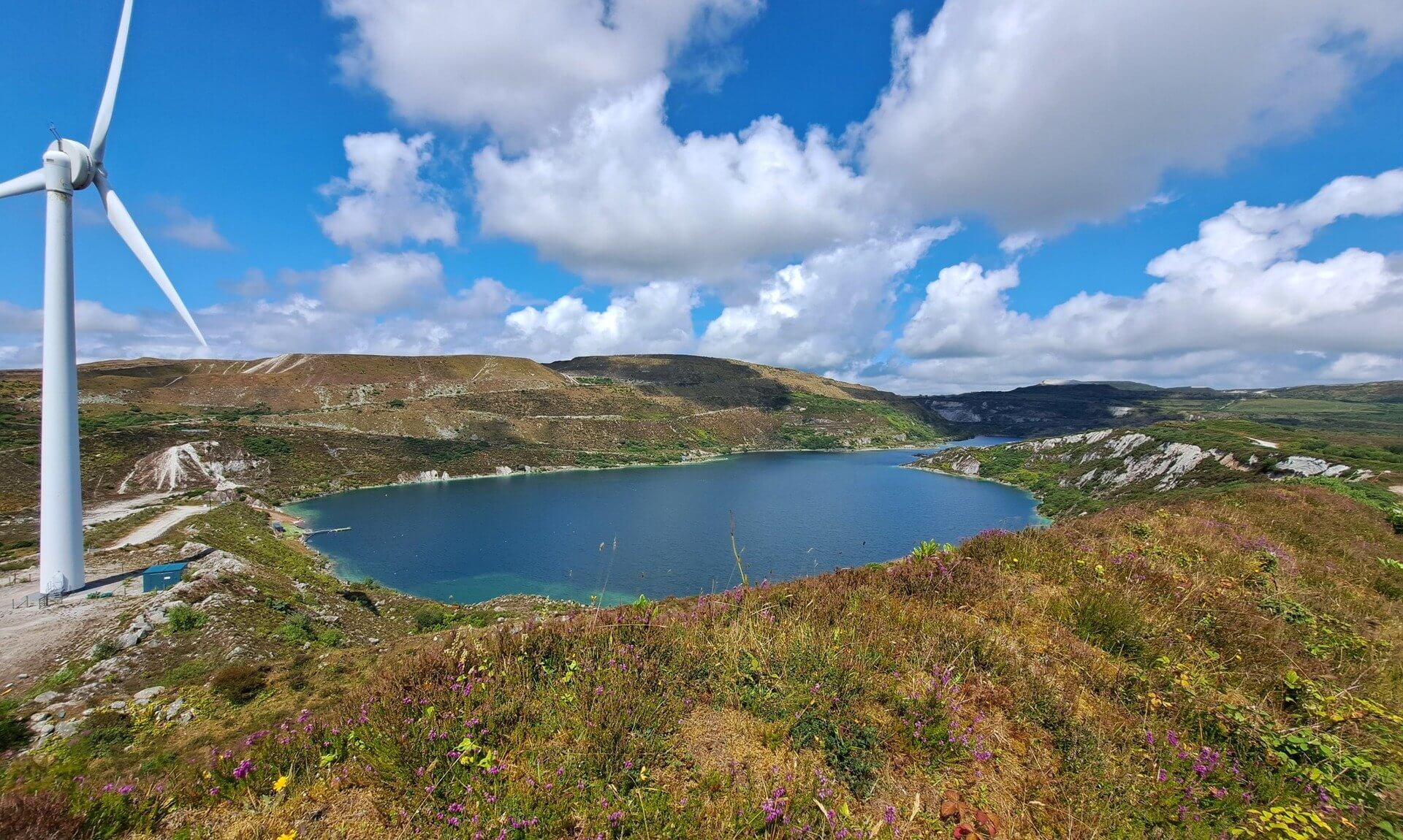
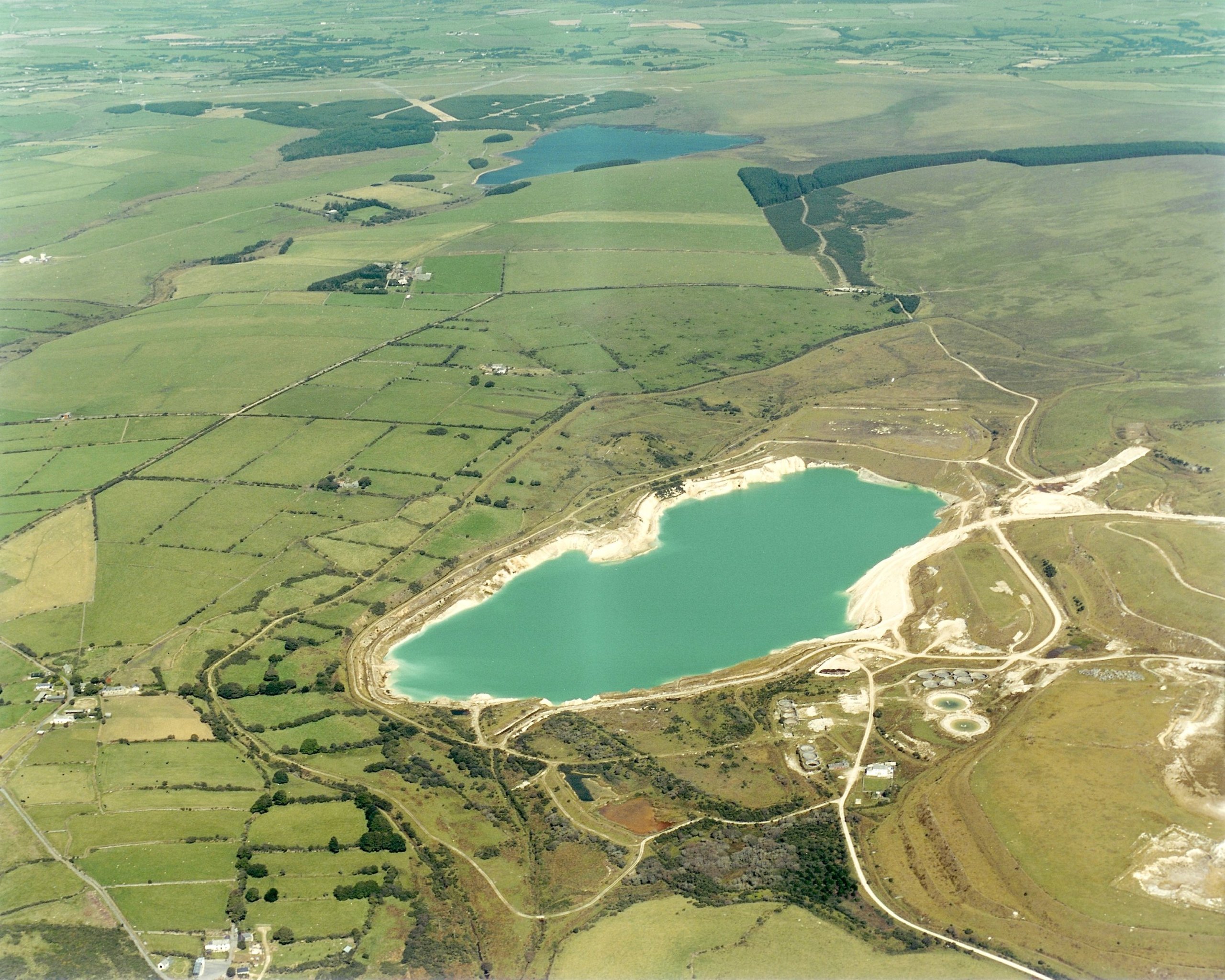
Part of the answer sits in old quarries. Over the past 20 years the company has brought several former quarry sites into its water network:
- Park Lake, acquired in 2009
- Stannon Lake, acquired in 2011
- Blackpool Pit, acquired in 2024
- Hawks Tor, a disused quarry obtained in direct response to the 2022 drought, which can be used during drought conditions
Together, these sites provide up to an additional 24 million litres of drinking water a day. And repurposing them is a quicker way to strengthen supplies than building entirely new reservoirs from scratch.
What the old quarries add
Repurposed quarries can store raw water and give the company more flexibility in how it uses its resources. That extra storage capacity helps improve resilience, supports drought planning and allows better use of the water available across the region.
Your daily dose of Cornwall
News, events and goings on across the Duchy
Planning years ahead
South West Water makes detailed plans to understand what water the region will need in future. It looks at population growth and climate change, along with water efficiency and how much water is lost through leaks.
Through its Water Resource Management Plan, the company weighs up new reservoirs alongside other options that could make the network more resilient. Those include pipelines to move water between regions, water recycling schemes and storage facilities that increase reserves.
Details of the current drought status, what the company is doing to protect supplies and how customers and businesses can help are on the South West Water severe drought page.
“A more efficient way”
Paul Merchant, Senior Water Resources Business Partner for South West Water, said: “Some of our reservoirs started life as quarries, which then reached the end of their operational life, allowing us to repurpose them as reservoirs. Repurposing existing sites like this provides a more efficient way of strengthening the water resources network than building a new reservoir.
“By transforming these existing sites into valuable water resources, we can capture and store water when it is available and use it to support supplies throughout the year. Making use of existing infrastructure and landscapes allows us to enhance the network while reducing the need for new large-scale developments and helping to secure reliable drinking water supplies for customers both now and in the future.”
Read Next
- FalmouthThe wreaths go down at 11am.
Share This Story, Choose Your Platform!
To keep up with the latest cornish news follow us below
Follow CornishStuff on Facebook - Like our Facebook page to get the latest news in your feed and join in the discussions in the comments. Click here to give us a like!
Follow us on Twitter - For the latest breaking news in Cornwall and the latest stories, click here to follow CornishStuff on X.
Follow us on Instagram - We also put the latest news in our Instagram Stories. Click here to follow CornishStuff on Instagram.
- 1
- 2
- 3
- 4
- 5
- 6