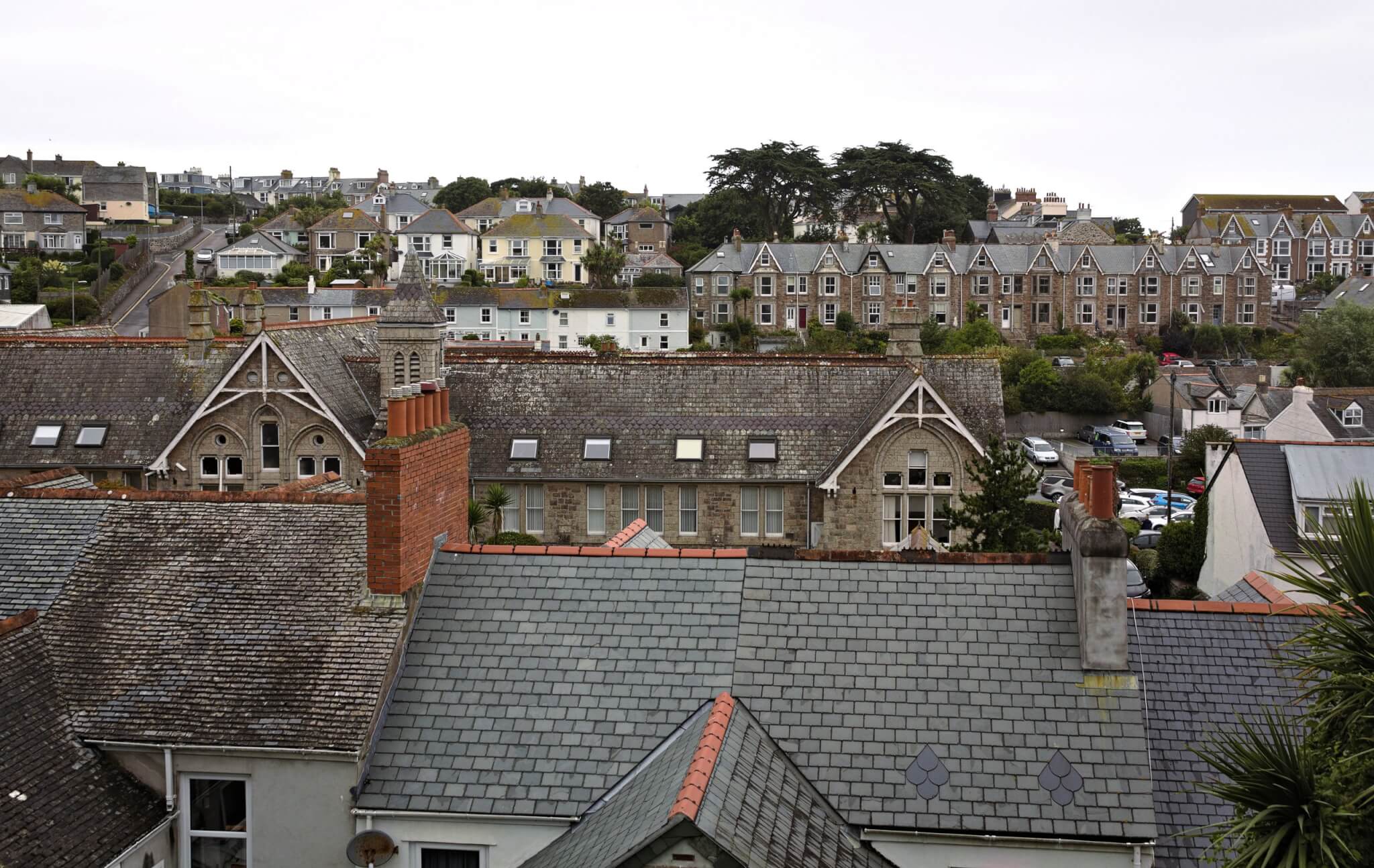
Cornwall energy bills: the October rise, and why it’s smaller here

Your gas bill went up on 1 October. That’s the bad news. The better news is that households in Cornwall are taking one of the smallest hits in Britain, and some families up the country will pay three times as much extra.
New research by building warranty provider Buildsafe has worked out what the new October rates mean for each local authority. It compares a year of typical local energy use at the July to September rates with the same usage at the October to December rates.
Cornwall comes sixth on the list of areas facing the smallest increases.
Your daily dose of Cornwall
News, events and goings on across the Duchy
What the October rates mean for Cornwall
The average household’s estimated yearly electricity and gas bill in Cornwall moves from £1,794.82 to £1,828.23. That’s an extra £33.41 a year, or a little under £3 a month.
Almost all of it is gas. Gas adds £32.64 a year, and electricity accounts for the remaining 77p.
For most homes in Cornwall, then, the rise is a heating and hot water story more than a lights and appliances one.
Why gas is doing almost all the work
Across Britain, the new rates hit electricity and gas very differently. Electricity bills barely move, because lower standing charges cancel out most of the rise in the unit rate. Gas bills rise much more.
Some areas will even pay slightly less for electricity than they did over the summer. But gas more than wipes out that saving, so every area in the study still ends up paying more overall.
That’s why the size of the rise depends so much on how much gas a household uses. The areas at the top of the table use far more gas than the areas at the bottom.
How Cornwall compares with the rest of the South West
The South West has three areas in the ten least affected. Torridge, just over the Tamar in North Devon, is third with a £31.26 rise. Mid Devon is eighth at £36.29.
Wales takes three spots too. Ceredigion has the smallest increase anywhere in the study, at £19.76 a year.
The 10 areas facing the smallest annual increases
| Rank | Local authority | Annual increase |
|---|---|---|
| 1 | Ceredigion | £19.76 |
| 2 | Tower Hamlets | £26.91 |
| 3 | Torridge | £31.26 |
| 4 | Powys | £32.10 |
| 5 | Mid Suffolk | £33.30 |
| 6 | Cornwall | £33.41 |
| 7 | Highland | £34.78 |
| 8 | Mid Devon | £36.29 |
| 9 | Gwynedd | £38.70 |
| 10 | Breckland | £38.78 |
Highland shows that a small rise doesn’t mean a small bill. It ranks seventh for the size of its increase, but its estimated annual cost is already over £2,000, rising from £2,002.26 to £2,037.04.
Your daily dose of Cornwall
News, events and goings on across the Duchy
Where bills are rising most
At the other end of the table, Elmbridge in Surrey is the most affected area. Households there face a rise of £101.96 a year, taking estimated energy costs from £2,669.49 to £2,771.44. Gas accounts for £100.66 of that.
The average Elmbridge household uses 15,381 kWh of gas a year. The difference between the top and bottom of the table is £82.20.
The 10 areas facing the biggest annual increases
| Rank | Local authority | Annual increase |
|---|---|---|
| 1 | Elmbridge | £101.96 |
| 2 | Surrey Heath | £96.01 |
| 3 | Harrow | £94.19 |
| 4 | Waverley | £94.04 |
| 5 | Oadby and Wigston | £93.66 |
| 6 | East Dunbartonshire | £91.52 |
| 7 | East Renfrewshire | £91.49 |
| 8 | Brentwood | £91.03 |
| 9 | St Albans | £90.42 |
| 10 | Hertsmere | £90.12 |
The South East has three of the top four. Every area in the top ten will pay at least £90 more a year.
What you can do about it
Giles Fallan, CEO at Buildsafe, said the timing makes the gas rise easier to feel.
“A rise in gas prices during summer can be less noticeable when the heating is off. From October, households will be paying the higher rate just as they start using more of it.
“The electricity figures might look reassuring on their own. Some areas even get a small saving. But if gas is heating the home and providing the hot water, that is where most of the extra cost will come from.”
He said cutting back further isn’t the answer for many people, and suggested looking at the house instead.
“For someone who has already cut back, being told to use less again is not much help. The next question is whether the home is making it harder than it should be to stay warm. If a room loses its heat quickly, or never gets warm in the first place, find out why before spending money trying to fix it.
“Start with the things you can check, such as draughts and heating controls. For insulation or bigger work, get advice based on the property itself. A house that holds its heat better needs less heating, and that continues to matter whichever way the next price cap moves.”
Read Next
- TrainsIf your Christmas plans involve a long train journey out of Cornwall, there is one station worth checking before you book anything.
Share This Story, Choose Your Platform!
To keep up with the latest cornish news follow us below
Follow CornishStuff on Facebook - Like our Facebook page to get the latest news in your feed and join in the discussions in the comments. Click here to give us a like!
Follow us on Twitter - For the latest breaking news in Cornwall and the latest stories, click here to follow CornishStuff on X.
Follow us on Instagram - We also put the latest news in our Instagram Stories. Click here to follow CornishStuff on Instagram.
- 1
- 2
- 3
- 4
- 5
- 6