Cornwall tops Britain’s invasive weed list, and knotweed is why
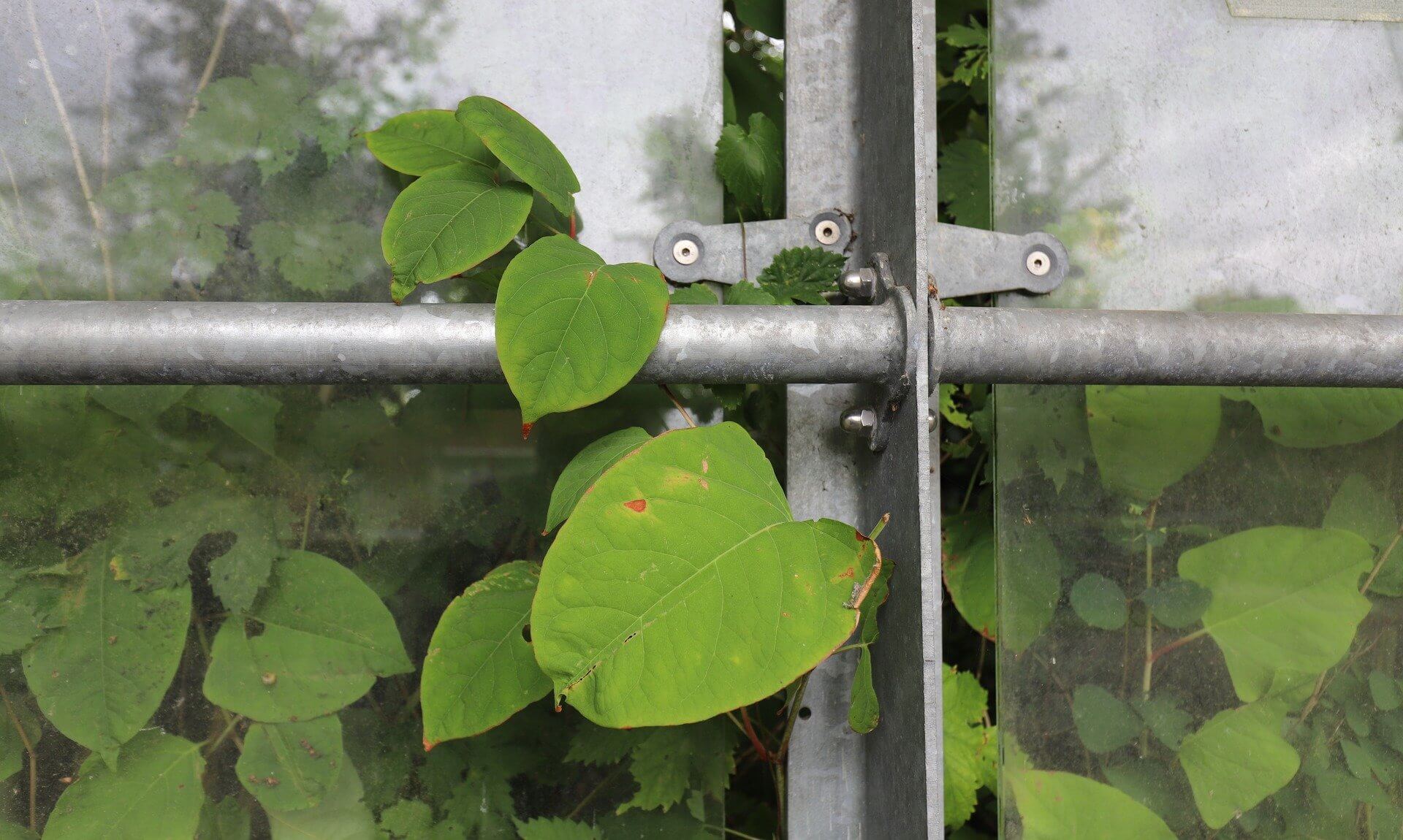
Somewhere in Cornwall right now, someone is peering over a garden fence at a plant they don’t like the look of. Plenty have gone further than peering. Over five years, people in Cornwall made more complaints to their council about invasive weeds than anywhere else in Britain, and one plant accounts for almost all of them.
Your daily dose of Cornwall
News, events and goings on across the Duchy
The numbers behind Cornwall’s top spot
The figures come from Freedom of Information requests sent to councils across the UK by invasive weed removal specialists Environment Controls. The company asked for complaints about four invasive plants (Japanese knotweed, Giant hogweed, bamboo and Himalayan balsam) logged between 2021 and 2025.
Cornwall Council came out on top with 633 complaints. Surrey was second with 546, and North Lanarkshire third with 517.
| Ranking | Council | Complaints since 2021 |
|---|---|---|
| 1 | Cornwall Council | 633 |
| 2 | Surrey County Council | 546 |
| 3 | North Lanarkshire Council | 517 |
| 4 | Argyll and Bute Council | 357 |
| 5 | Gloucestershire County Council | 281 |
| 6 | Kent County Council | 268 |
| 7 | Merthyr Tydfil County Borough Council | 257 |
| 8 | Rochdale Metropolitan Borough Council | 243 |
| 9 | Torfaen County Borough Council | 242 |
| 10 | Bromley Borough Council | 196 |
Across Britain, councils received 7,899 complaints about the four plants over the five years. The busiest year was 2024, when more than 2,000 cases (2,028) were logged.
Japanese knotweed makes up most of it
Knotweed is the plant driving Cornwall’s figure. Of the county’s 633 complaints, 552 were about Japanese knotweed, which makes Cornwall the UK’s knotweed hotspot by a distance. Argyll and Bute came second with 315 and North Lanarkshire third with 295.
It dominates nationally too. Knotweed accounted for 5,755 complaints over the five years, around 73% of the total.
Cornwall also topped the table for Himalayan balsam, with 43 complaints. Argyll and Bute and Cheltenham were joint second on 35 each. Balsam is a much smaller part of the picture overall, at 272 complaints nationally, or about 3% of the total.
The plant you should never touch
Giant hogweed was the second most reported plant, with 1,382 complaints, and it brings a very different worry. Its sap can cause painful blistering and inflamed skin, and the affected skin can become extremely sensitive to sunlight. North Lanarkshire topped the hogweed table with 222 complaints, followed by Gloucestershire with 125 and Fife with 121.
“Homeowners should never cut, dig up or handle a plant they suspect may be Giant hogweed,” said Jennifer Holmes, from Environment Controls. “If you think you have found it, keep children and pets away from the area and arrange for it to be identified by a suitably qualified professional.”
Bamboo made up a further 490 complaints. Surrey was the hotspot there, with 174, more than a third of all UK bamboo cases. It looks harmless enough, but fast-spreading varieties can creep across property boundaries.
Your daily dose of Cornwall
News, events and goings on across the Duchy
What to do if it’s coming from next door
A plant doesn’t have to be growing in your own garden to become your problem. Environment Controls has shared five tips for anyone who suspects a neighbour has an invasive weed:
- Don’t cut or dig it up. Trying to remove some species without knowing what they are can spread them further.
- Take a photo instead. The company runs a free identification service where you can send pictures for expert advice.
- Keep children and pets away from Giant hogweed. Contact with the sap can cause painful skin reactions that sunlight makes worse.
- Check plants near your boundary. Species such as bamboo can spread into neighbouring gardens through underground rhizomes.
- Talk to your neighbour. If the problem can’t be sorted between you, contact your council’s environmental health or neighbourhood enforcement team.
Jennifer also suggests learning to recognise other harmful plants, such as Hemlock and Horsetail, through the Invasive Plants Directory on the company’s website.
When the council can step in
Where it’s appropriate, councils may investigate complaints about invasive plants. Depending on the circumstances, they can issue a Community Protection Notice requiring a landowner to take reasonable steps to control the problem.
Failing to comply with a notice is an offence. A fixed penalty of up to £100 can be issued, and a breach dealt with in court can bring a fine of up to £2,500 for an individual. Powers and procedures vary from council to council.
“Early identification is important because different plants require different treatment methods,” Jennifer said. “Trying to remove an invasive weed without understanding what it is can make the problem worse, increase the risk of spreading it and, in the case of Giant hogweed, create a serious health hazard.”
The requests went out on 10 August 2026, and 171 councils responded. The rankings only reflect the councils that replied.
Read Next
- NewquayMost people watch a lantern parade from the side of the path.
Share This Story, Choose Your Platform!
To keep up with the latest cornish news follow us below
Follow CornishStuff on Facebook - Like our Facebook page to get the latest news in your feed and join in the discussions in the comments. Click here to give us a like!
Follow us on Twitter - For the latest breaking news in Cornwall and the latest stories, click here to follow CornishStuff on X.
Follow us on Instagram - We also put the latest news in our Instagram Stories. Click here to follow CornishStuff on Instagram.
- 1
- 2
- 3
- 4
- 5
- 6