Eight beavers and a rainforest: Cornwall Wildlife Trust’s big year
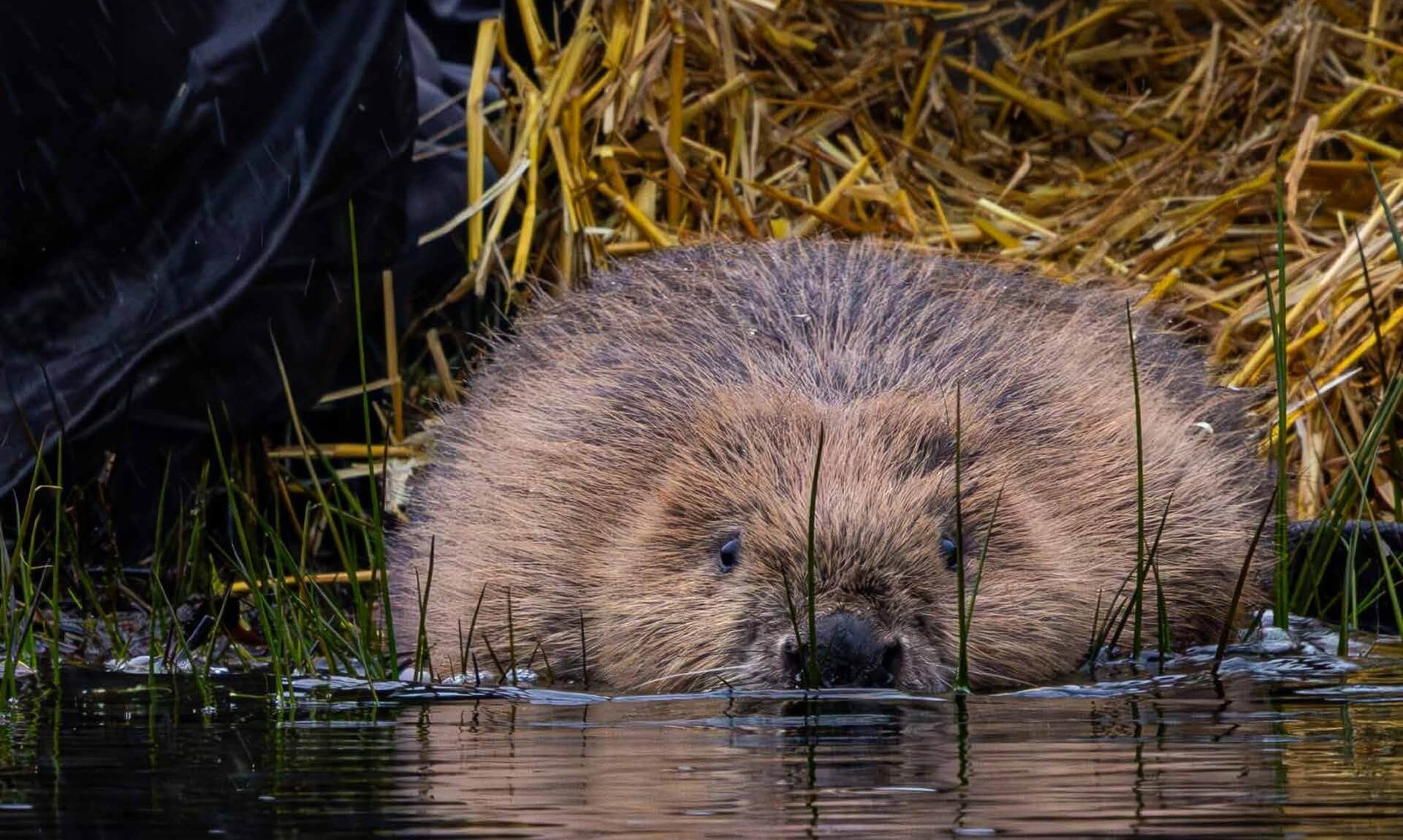
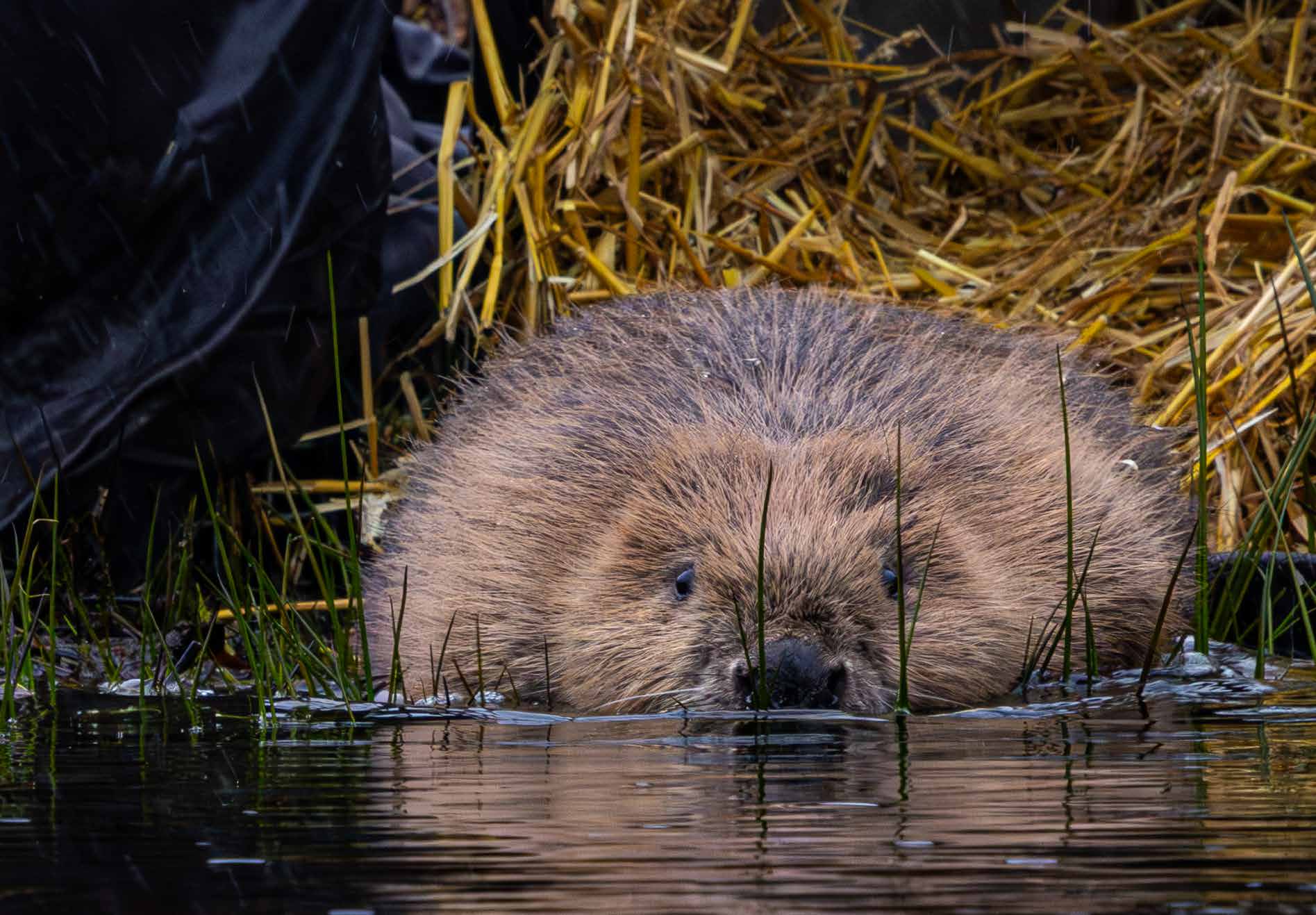
Somewhere in a wetland at Helman Tor, beaver kits born in the wild were recorded in July 2025. It was the clearest sign yet that the site can support a breeding population, and it sits near the heart of a year Cornwall Wildlife Trust has now tried to put into numbers.
The charity’s Impact Review for 2025-26 is its yearly check on progress towards its 2030 Strategy for Nature Recovery in Cornwall. It covers beavers, rainforest, seagrass, volunteers and money, and it lands with a direct invitation for readers to get involved.
Your daily dose of Cornwall
News, events and goings on across the Duchy
The year the beavers came back
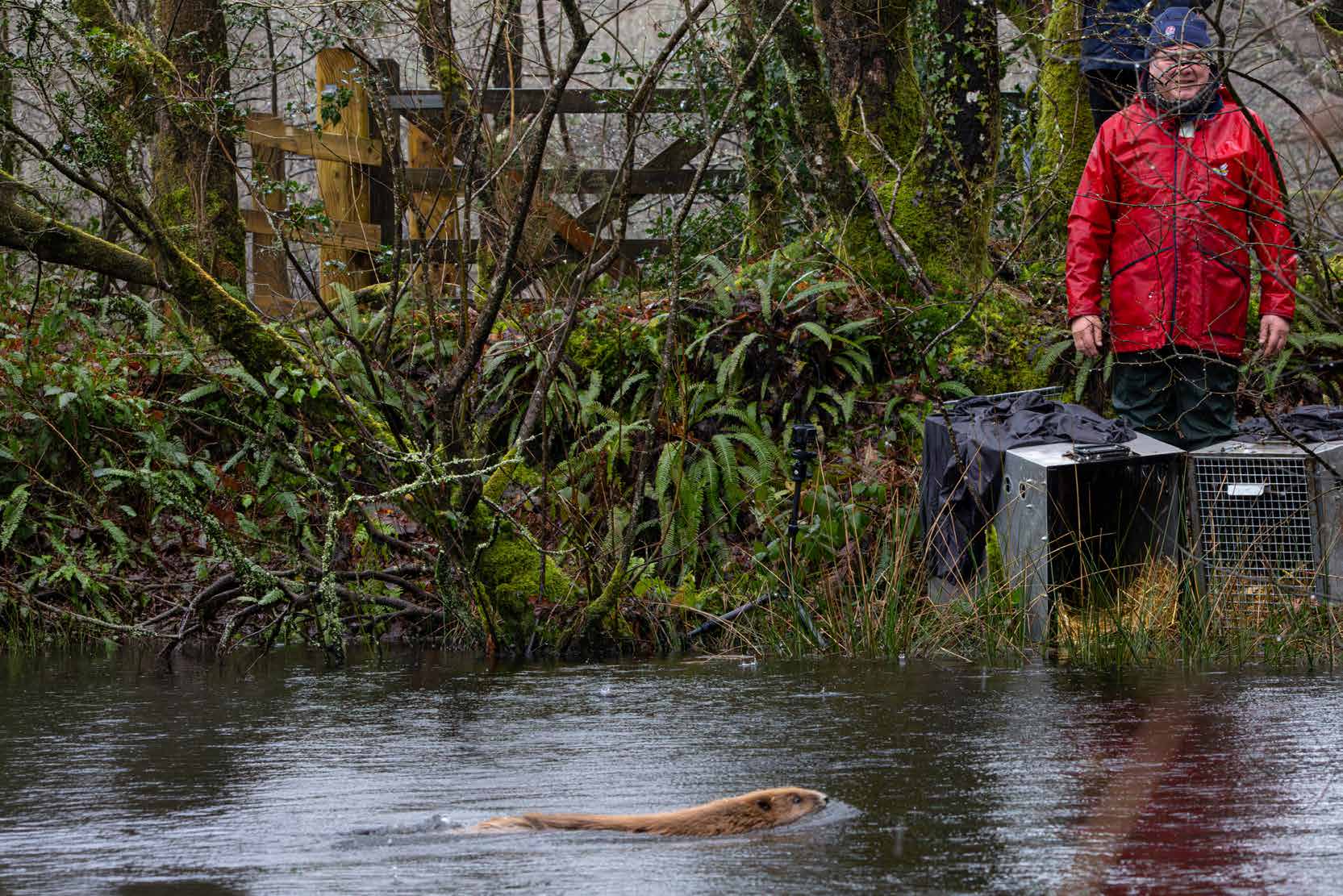
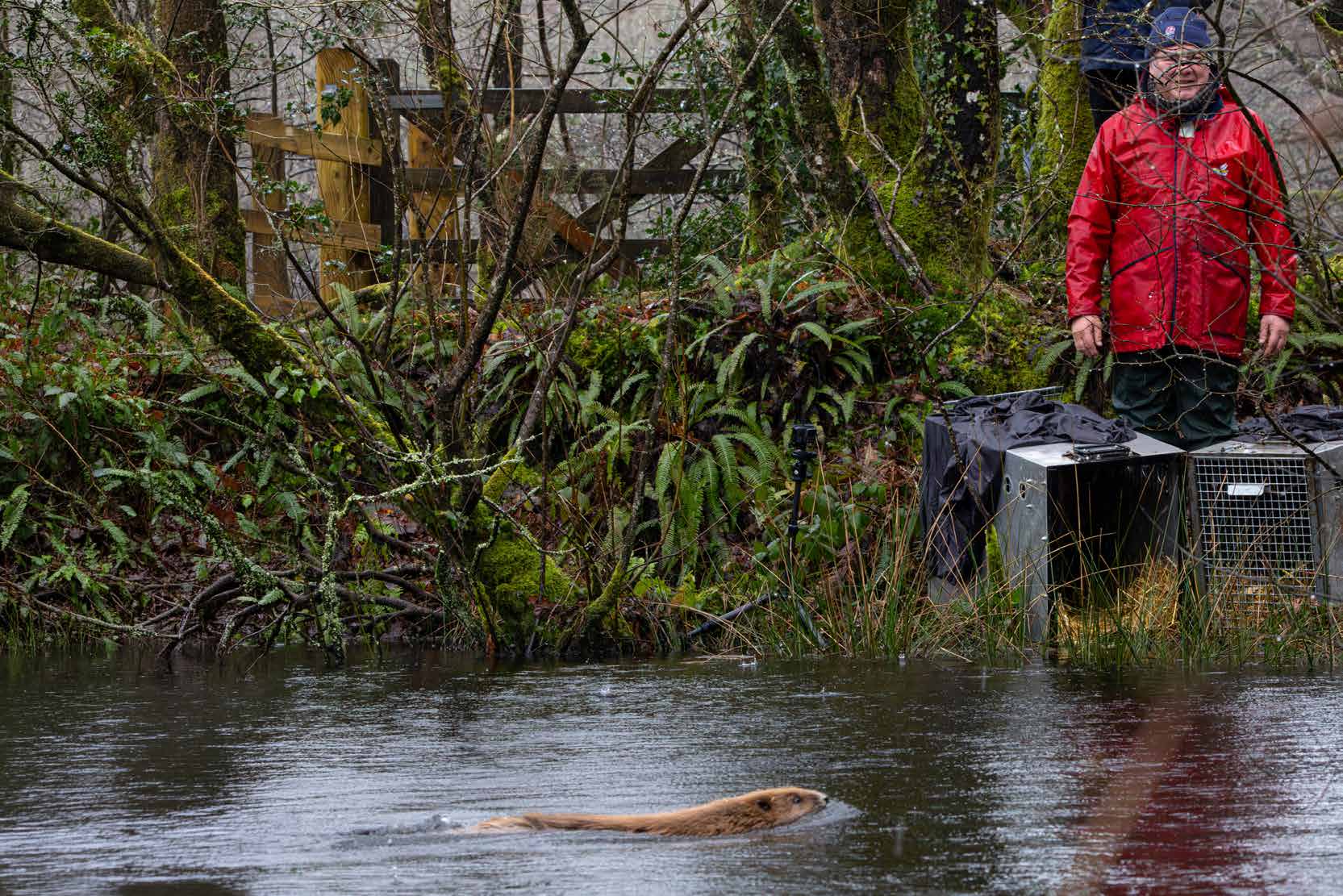
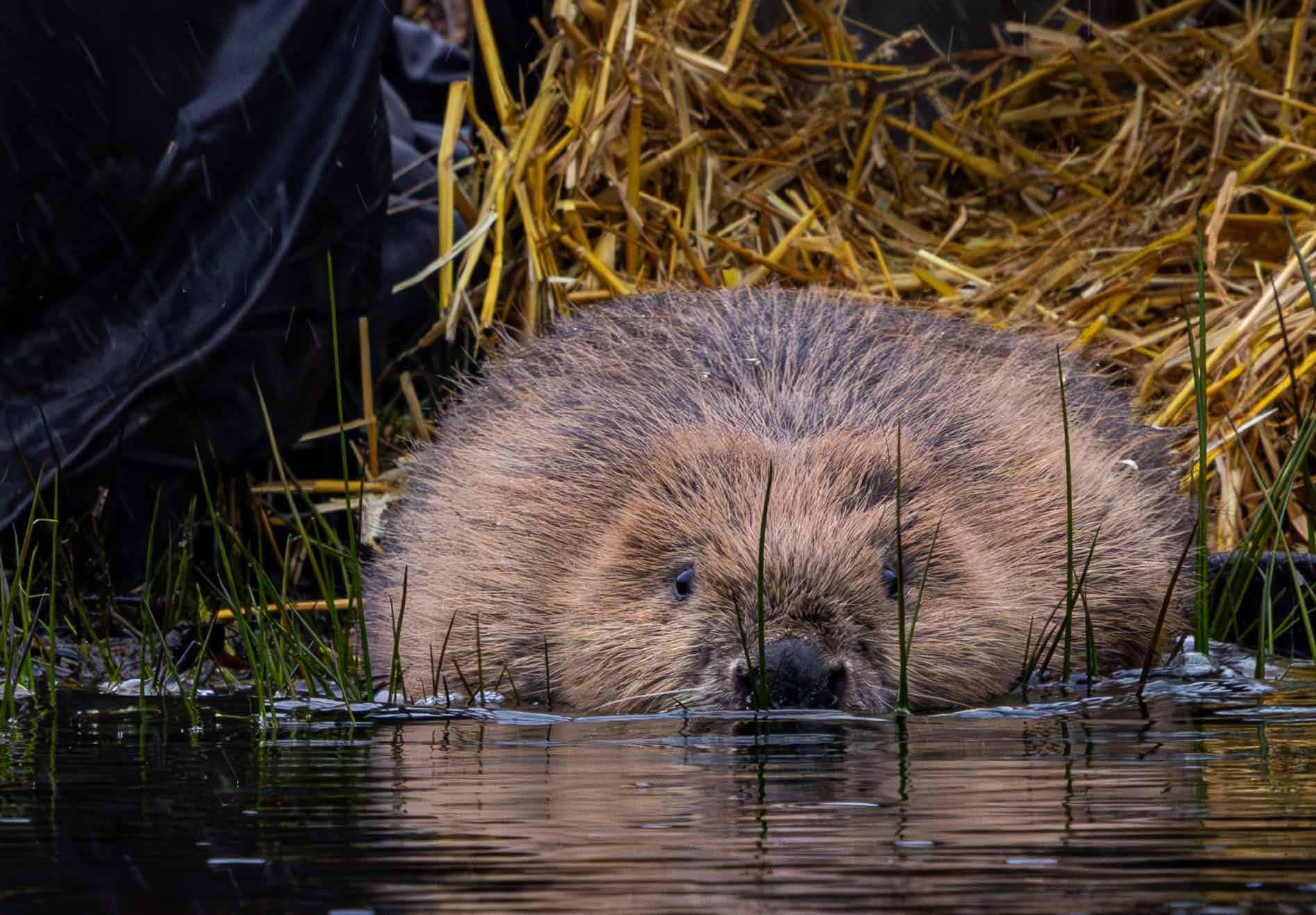
Beavers were hunted to extinction in Britain more than 400 years ago. In February 2026, Cornwall Wildlife Trust released four pairs into the wild, eight animals in all, after more than a decade of work to secure the licence. Partners included Natural England, the Beaver Trust and the Environment Agency.
At Helman Tor nature reserve, the first pair (found there in 2024) have been busy. They have created or influenced up to six acres of wetland and built nine woody dams so far, slowing the flow of water and reducing flooding further downstream. Herons, water rails, otters, grass snakes, harvest mice and the nationally scarce small red damselfly have all been recorded using the new habitat.
The release went a long way beyond Cornwall too. The review says influencer content about it reached more than two million people, and coverage by The Wildlife Trusts became that organisation’s most successful Instagram post ever. More than 450 gifts came in to the Wild Beaver Appeal.
A rainforest near Looe, and seagrass under the waves
At West Muchlarnick nature reserve, near Looe, around 5,000 trees were planted to create 12 acres of new temperate rainforest. Monitoring there has already found more than 130 species of lichen, including two rare rainforest lichens, plus the globally rare hazel glove fungus.
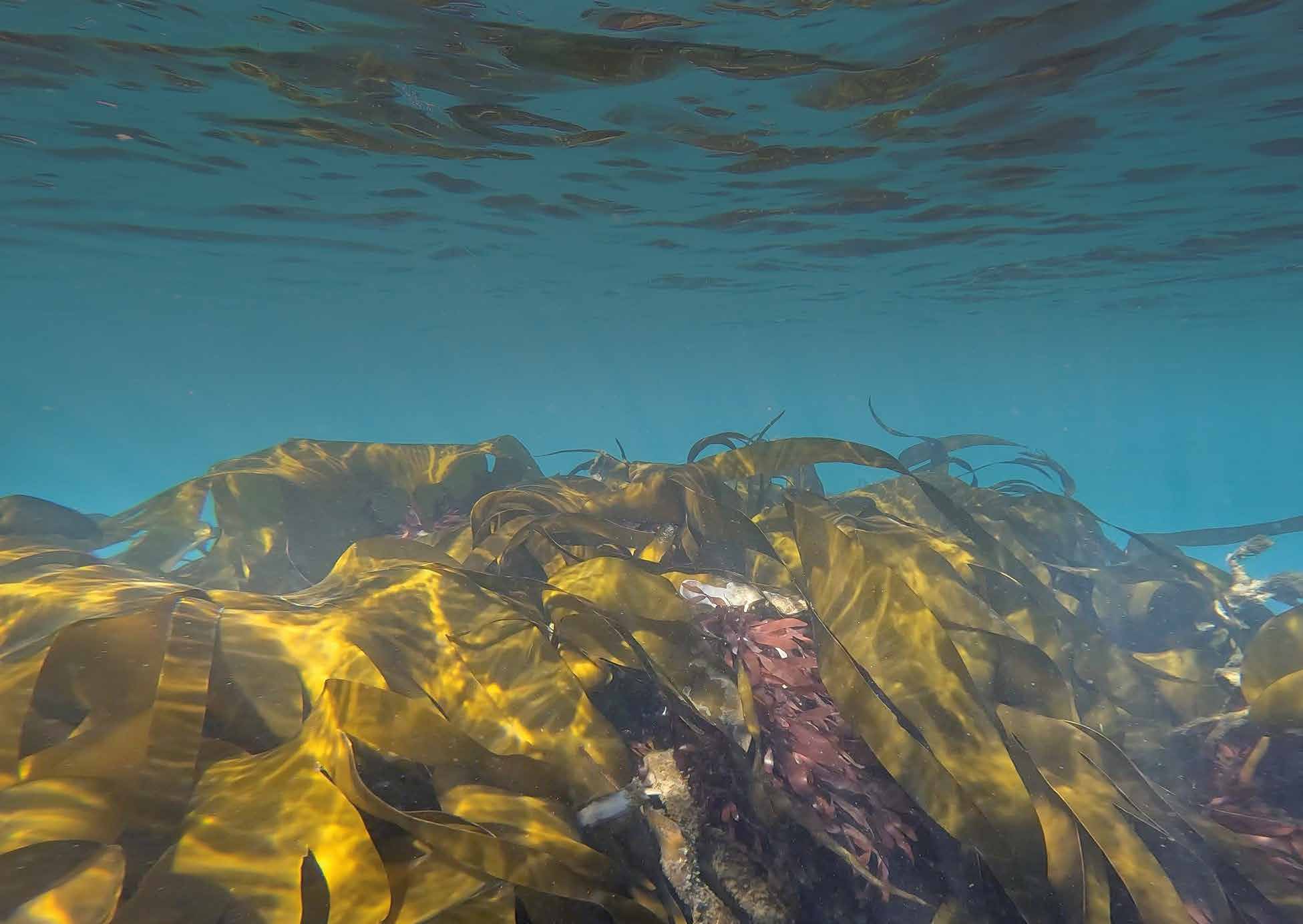
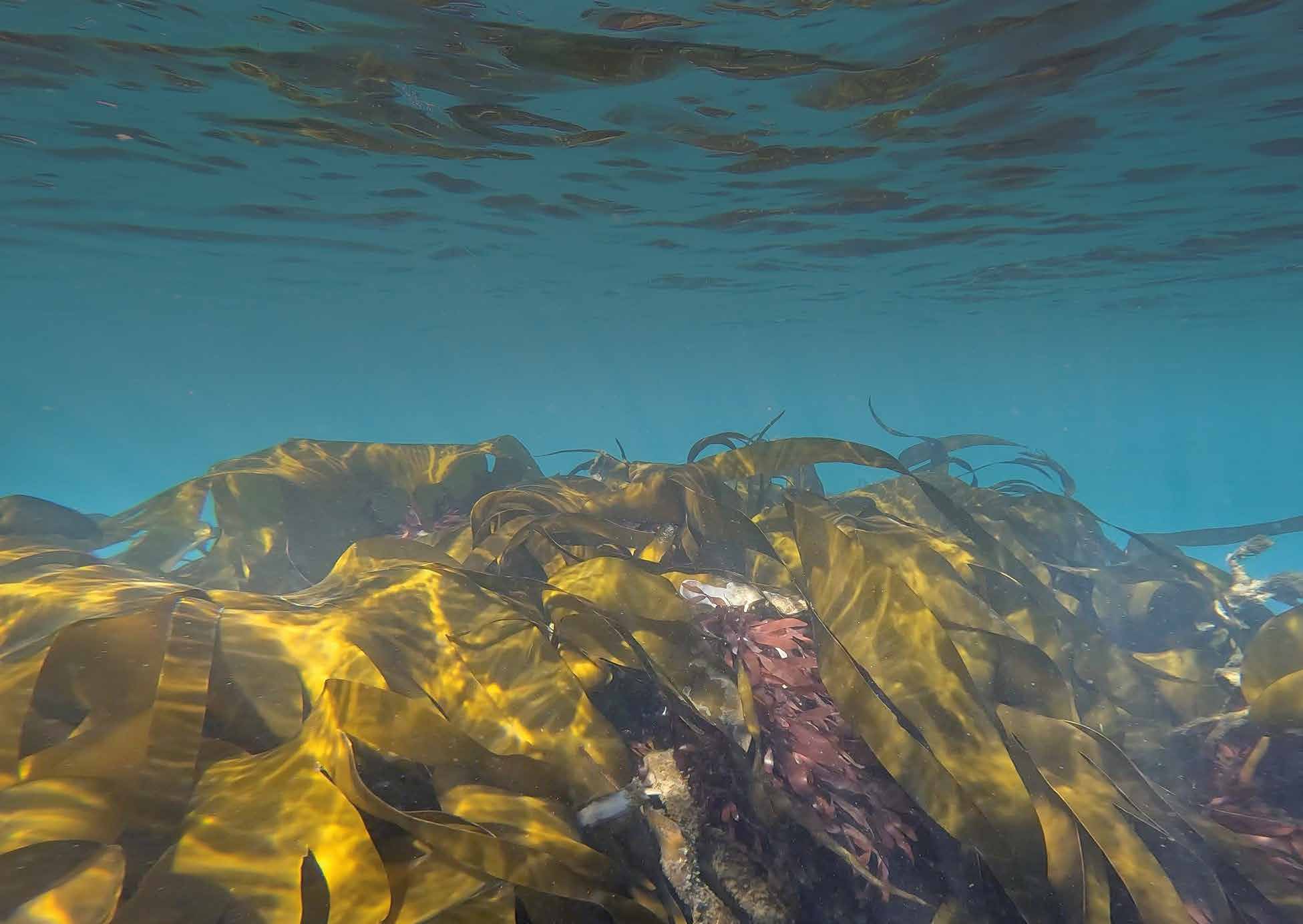
Out at sea, 21,000 seagrass seeds were planted, and the Trust says seagrass restoration on the Helford has seen new plants establish and grow. With funding from Cornwall Council, long-term monitoring has also begun on the St Mawes Bank maerl beds.
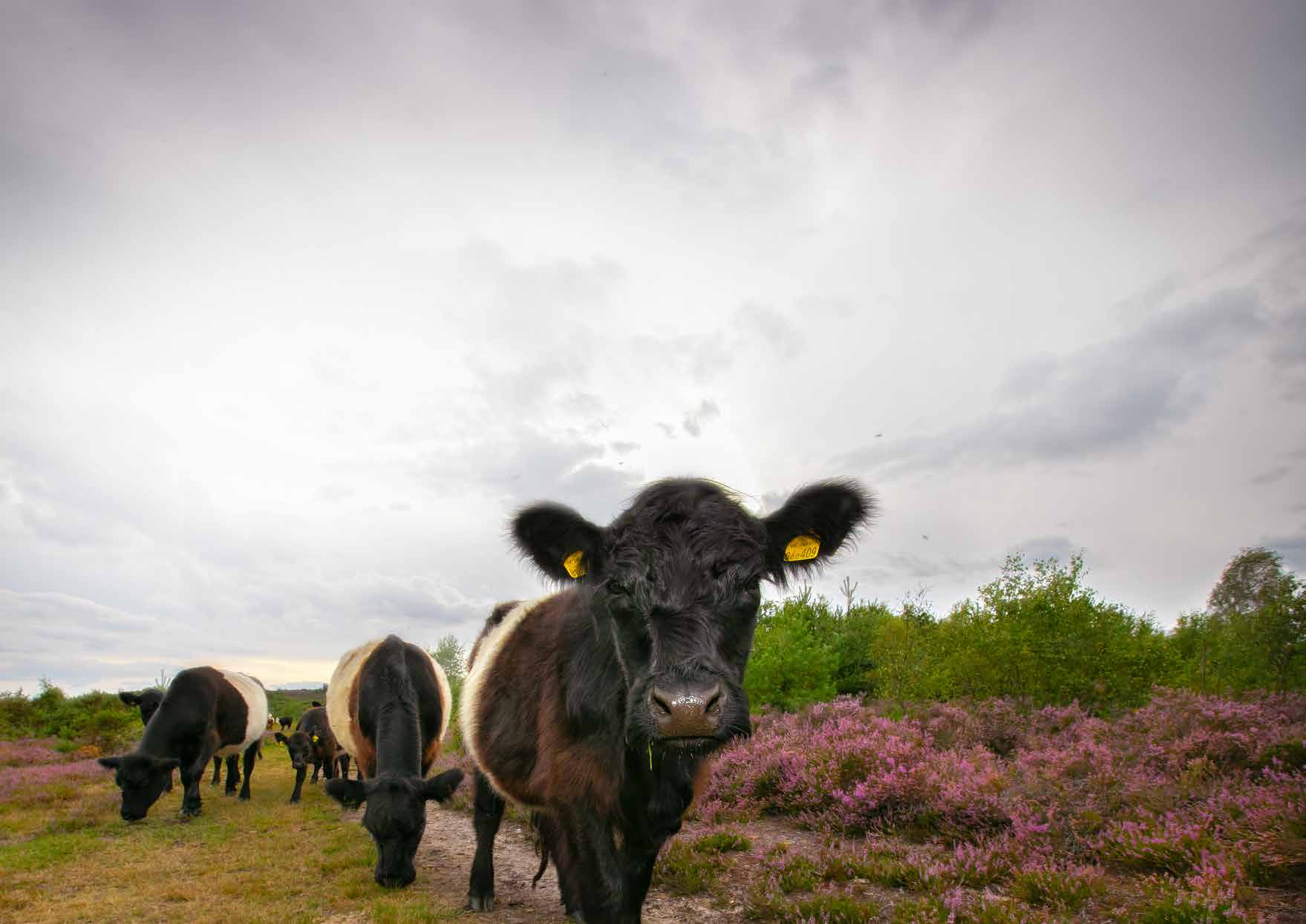
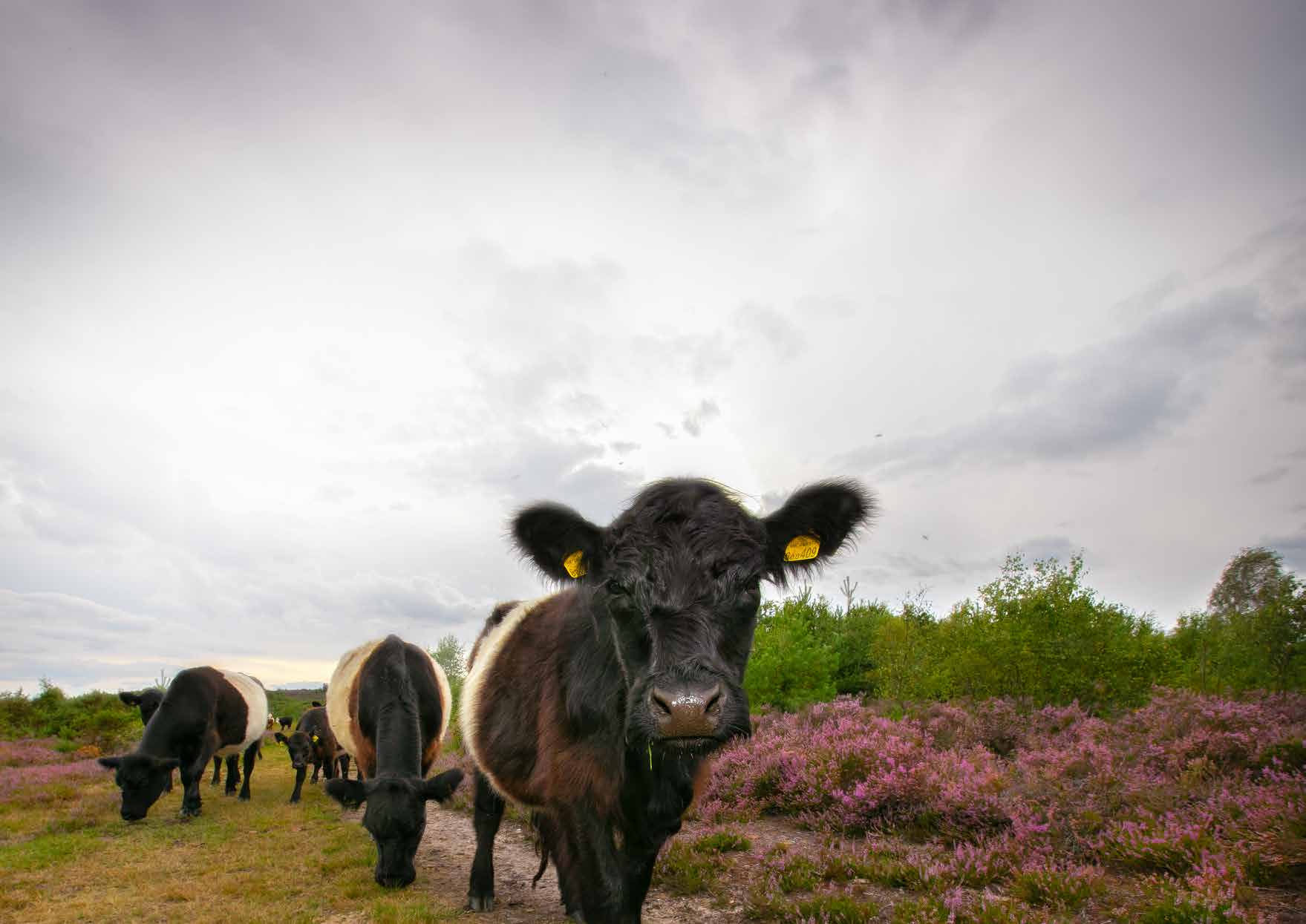
Elsewhere, three English goats joined 11 Exmoor ponies and 30 North Devon cattle grazing Penhale Dunes, where surveys counted more than 1,350 early gentians. At Bartinney, a new pair of Dartford warblers was recorded on heathland still recovering from the 2021 wildfire. Across all its reserves, the Trust puts 85 per cent in favourable or improving condition.
A £186.7 million plan for Penwith
In early 2026, the Trust submitted a 20-year, £186.7 million landscape recovery proposal for West Penwith. It was built over two years with farmers, land managers and more than 1,000 community stakeholders, and covers 4,843 acres under partnership, including heathland, wetland and peatland earmarked for restoration.
In the Par catchment, the Trust secured £3.3 million from The National Lottery Heritage Fund for its Tor to Shore project, which links nature recovery on land and at sea across 5,700 acres from Helman Tor to St Austell Bay.
Your daily dose of Cornwall
News, events and goings on across the Duchy
Twice the volunteers
The number of registered volunteers almost doubled in a year, from 593 to 1,075, and between them they gave 12,224 hours. Five new community groups joined the Trust’s network of Associated Groups, taking the total to 47. Its Your Shore marine programme has grown from 2,000 people in 2008 to 17,000 in 2025.
One volunteer, Terri, described what the experience had changed. “You’ve gone from a dull, get up in the morning, everything is the same old thing and uneventful to something that is full of enjoyment and enthusiasm,” Terri said.
The review also records more than 18,000 members, 571 reports to the Marine Strandings Network, and 18,425 responses to The Wildlife Trusts’ bottom trawling campaign.
Where the money went
Total income for the year was just under £7.5 million, up from £5.87 million in 2023-24. Members contributed £793,000, gifts in wills passed £640,000, and the Trust’s consultancy arm, Cornwall Environmental Consultants, made more than £385,000 in profit. The Trust says 85p of every £1 it spends goes on work directly for nature.
What comes next
Five more pairs of beavers are due to be released into the upper Fowey catchment, with work starting to identify where else in Cornwall they could go. Native oyster recovery is set to begin in the Fal Estuary, a new community hub is planned at Creney Farm, and the renovation of the Trust’s headquarters at Five Acres, Allet, will bring a new visitor centre.
For more on the work of Cornwall Wildlife Trust, the full review is on its website, along with ways to become a member, volunteer or donate. The Trust has set itself a target of 100,000 people taking meaningful action for nature by 2030.
“With your help, it’s been a year of real impact across Cornwall, restoring and protecting nature on land and at sea,” said Oliver Blount, Chair of Cornwall Wildlife Trust. “That progress gives us hope and momentum to achieve even greater change in the year ahead.”
Read Next
Share This Story, Choose Your Platform!
To keep up with the latest cornish news follow us below
Follow CornishStuff on Facebook - Like our Facebook page to get the latest news in your feed and join in the discussions in the comments. Click here to give us a like!
Follow us on Twitter - For the latest breaking news in Cornwall and the latest stories, click here to follow CornishStuff on X.
Follow us on Instagram - We also put the latest news in our Instagram Stories. Click here to follow CornishStuff on Instagram.
- 1
- 2
- 3
- 4
- 5
- 6