
Geevor: the Cornish tin mine you can walk right inside
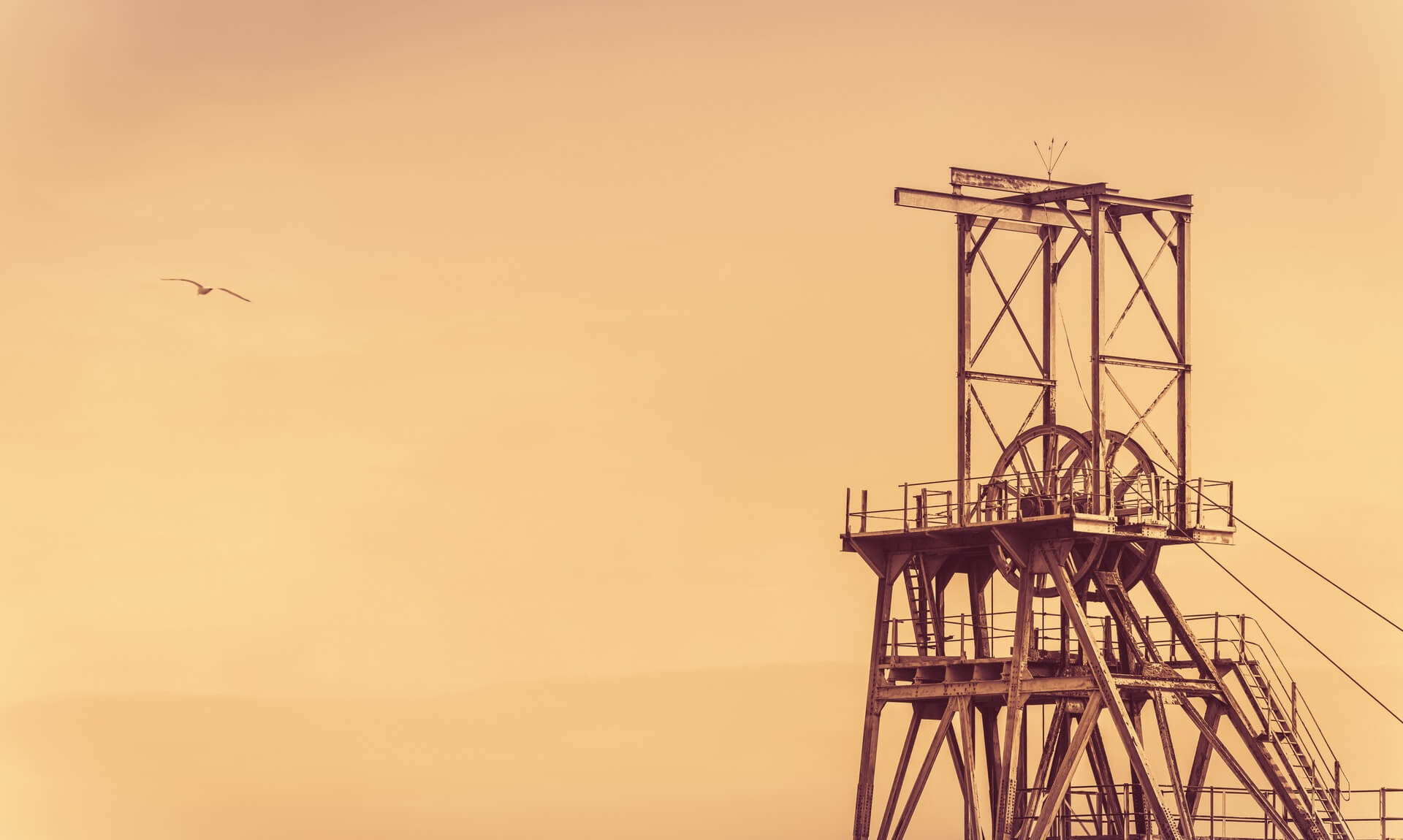
Most museums keep you behind a rope. At Geevor, near Pendeen on the far west coast, they hand you a hard hat and point you at a low black opening in the hillside, and then you go in. The tunnel was cut by hand, by men and boys, more than two hundred years ago. You walk the same ground they did, stooped under the same rock, in the same cold air. It is one of the more honest bits of history you can explore in Cornwall, because nobody has tidied away the part where it was hard.
Your daily dose of Cornwall
News, events and goings on across the Duchy
Walking into Wheal Mexico
The underground section at Geevor Tin Mine is called Wheal Mexico, an 18th-century working that predates the huge mine that grew up around it. Guides take you down into the tunnels on foot, no train, no lift, just a doorway in the ground and a passage that gets narrow and low. It stays cool underground whatever the weather is doing on the surface. The walls are close enough to touch on both sides, and the roof drops low enough in places that you understand quickly why the men who cut it were often boys, and why nobody down there stood up straight for long.
What lands is the quiet. Out of the wind, away from the sea, the noise stops and it is just rock and lamplight. The people who made this space had none of the light you are walking in with. They had a candle stuck to their helmet with a lump of clay, and a shift that did not end when the candle did.
A mine that ran out under the sea
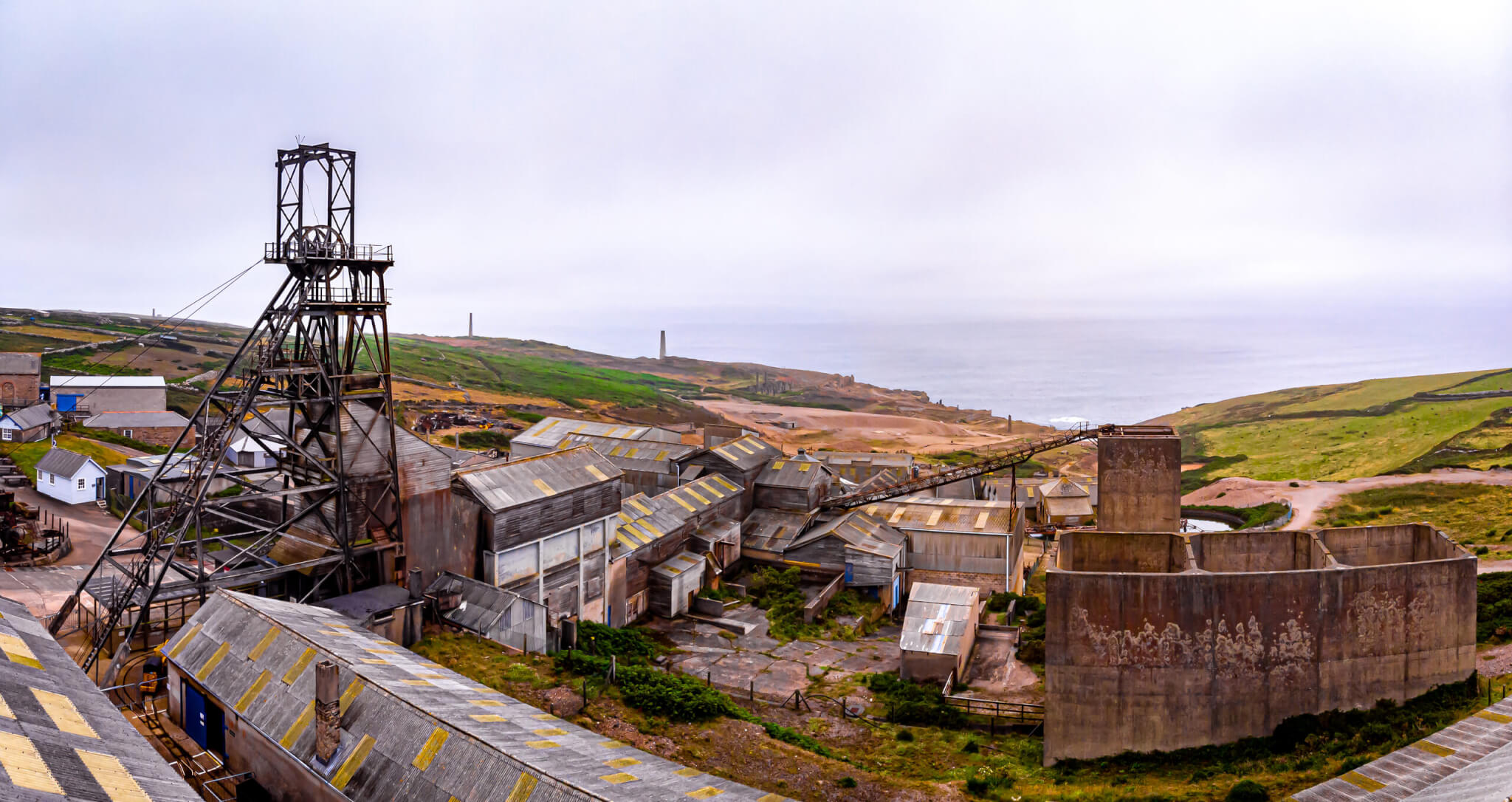
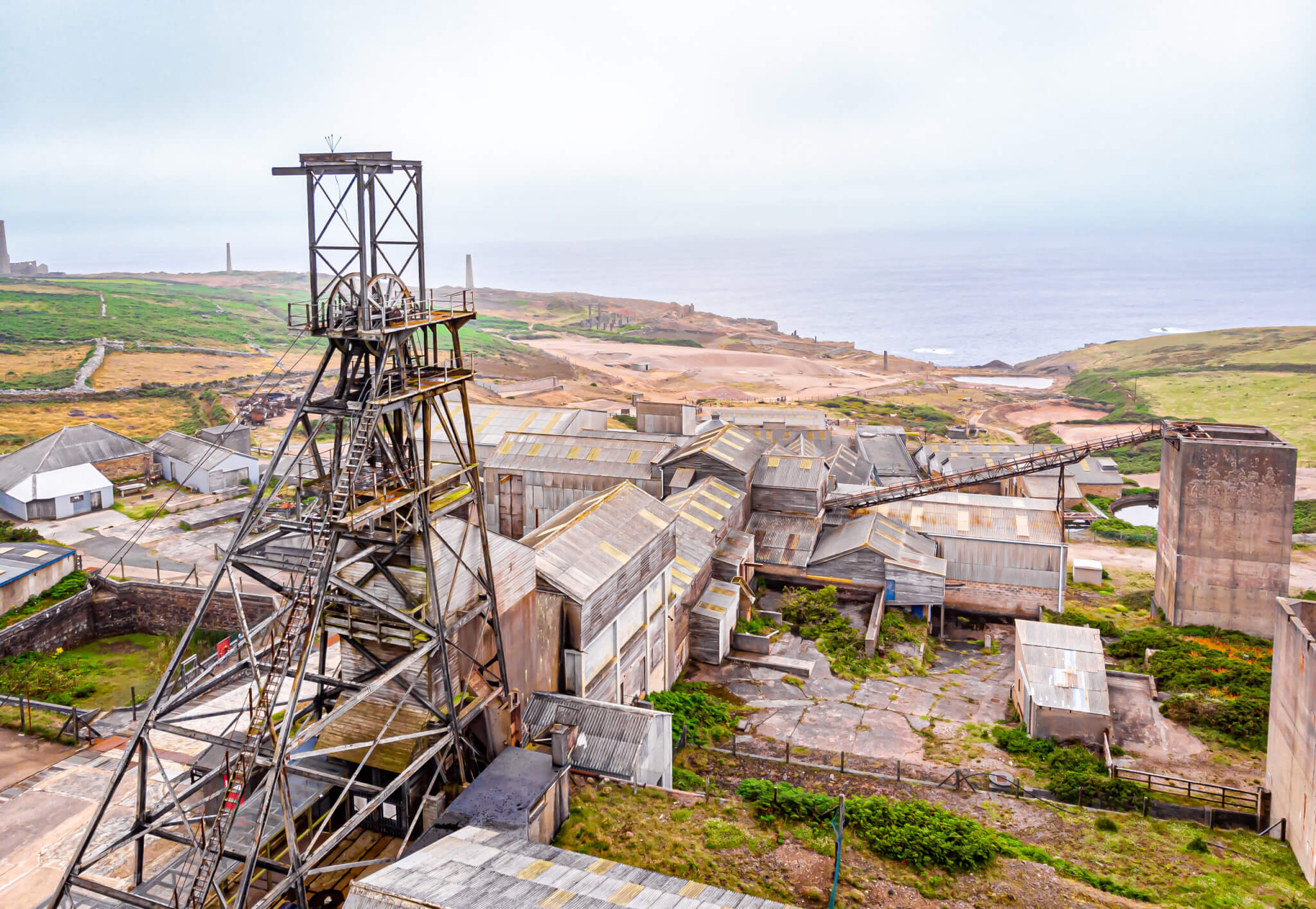
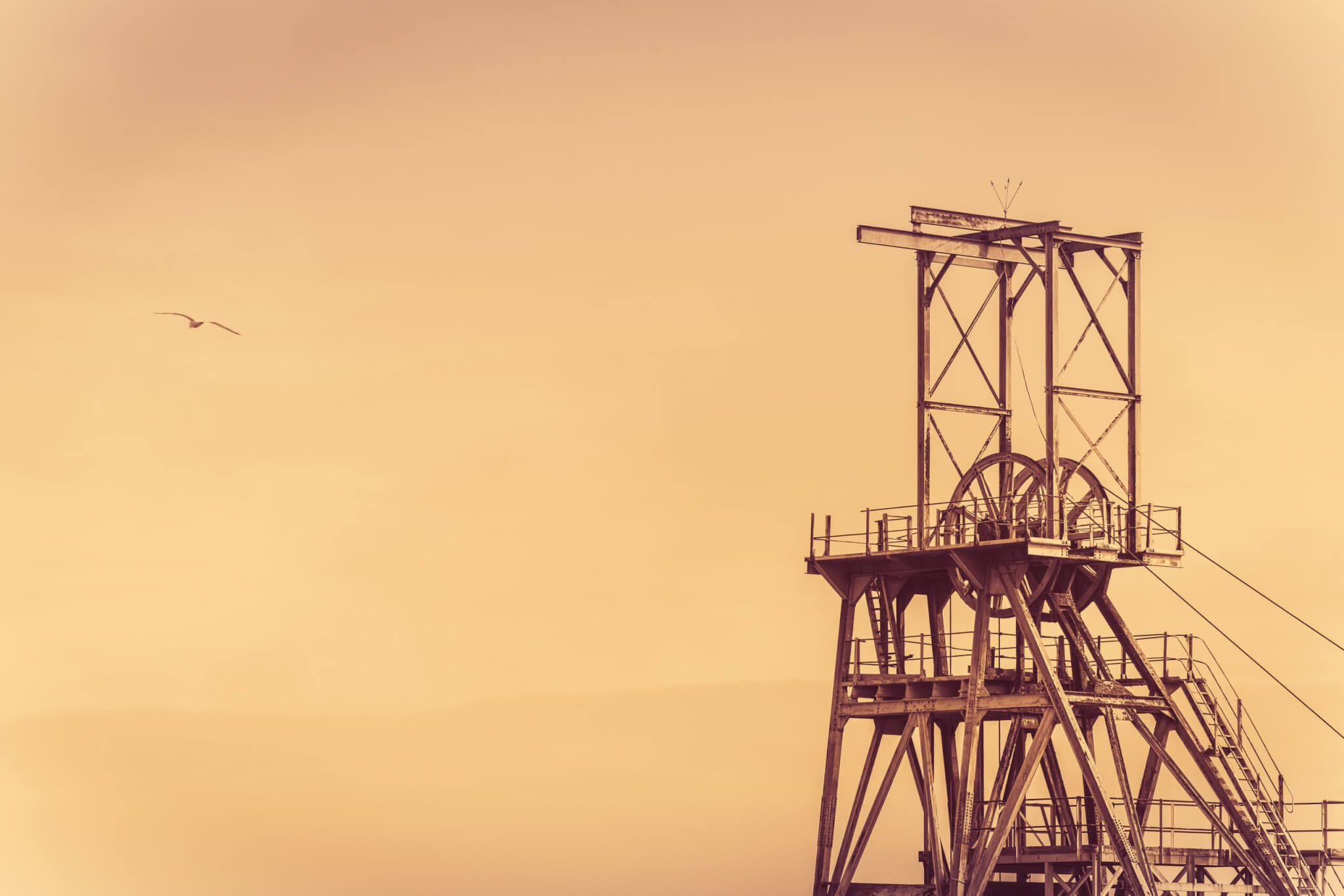
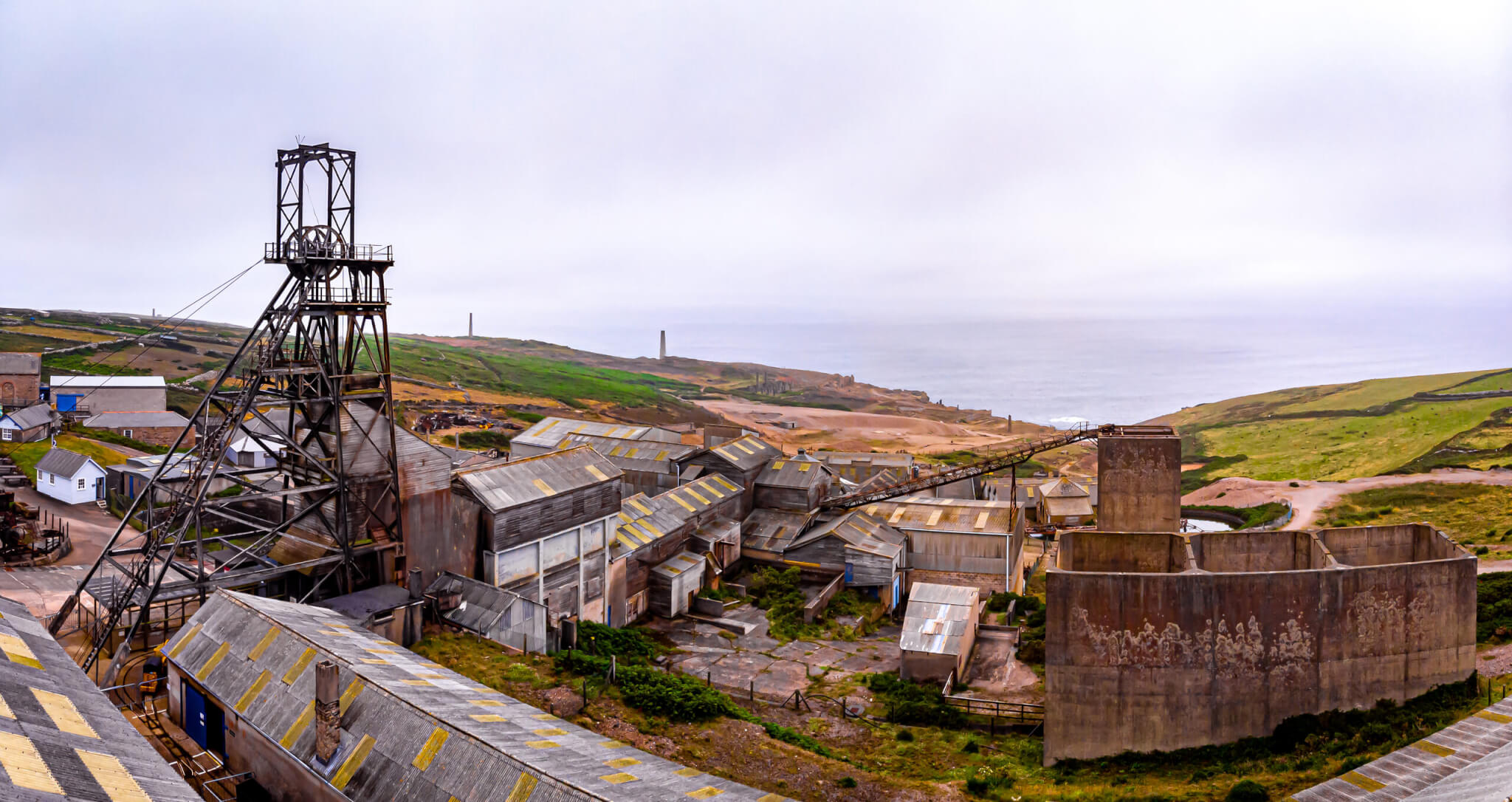
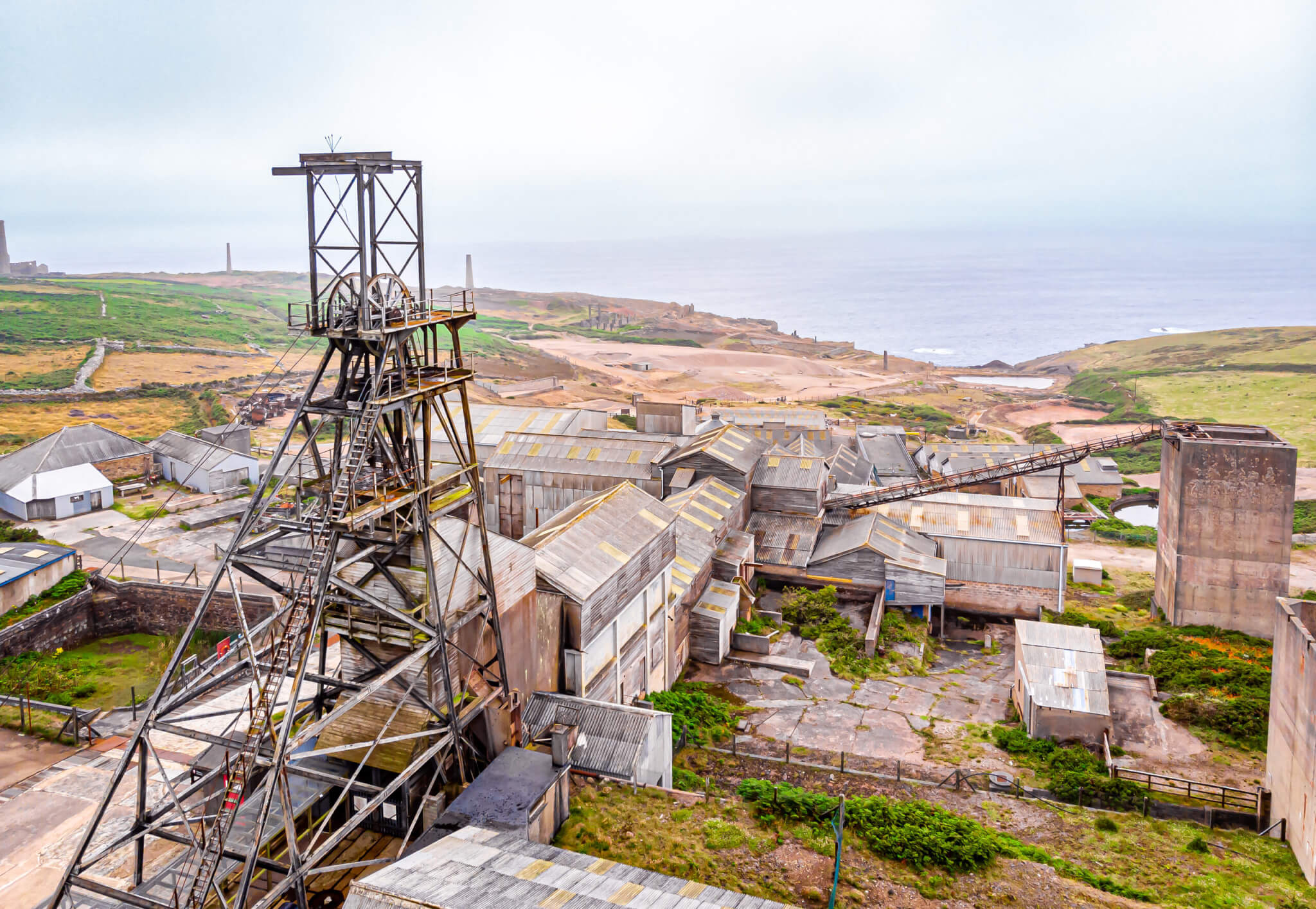
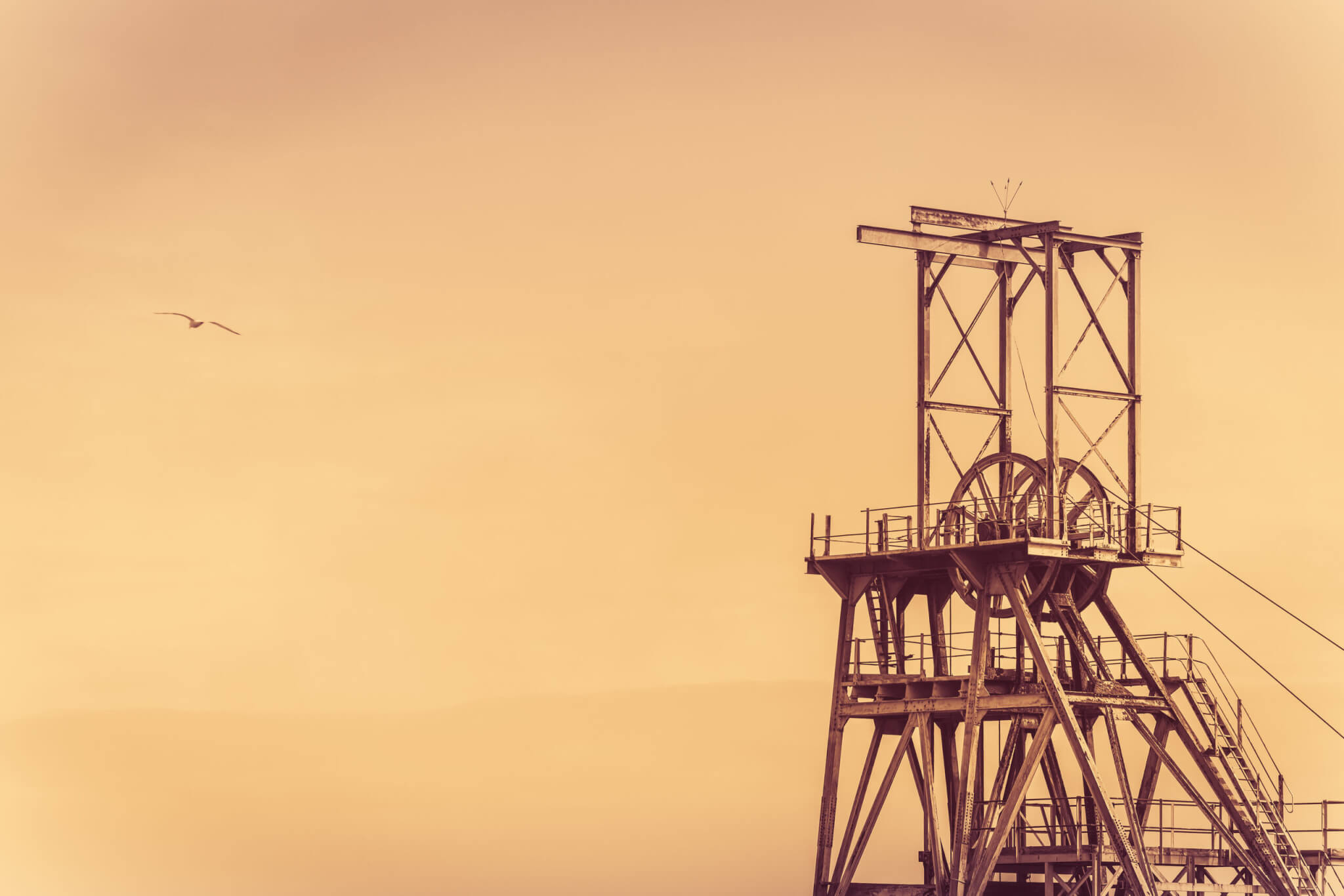
Wheal Mexico is the shallow, walkable start of the story. The rest of Geevor goes down and out in a way that is hard to picture standing on the cliff. Victory Shaft, the tall headframe that still marks the site, was sunk from 1919 and eventually reached around 480 metres. From the bottom, miners drove a sub-incline that connected through to the neighbouring Levant workings and dropped to roughly 630 metres below the surface. That put men at work nearly a quarter of a mile beneath the seabed, out under the Atlantic, cutting tin while the sea rolled over their heads.
Queen Elizabeth II opened that deep connection in November 1980. Ten years later the pumps that held back the water were switched off, and the whole system below the surface flooded and stayed flooded. It is all still down there now, filled to the brim.
Levant and the engine that never stopped
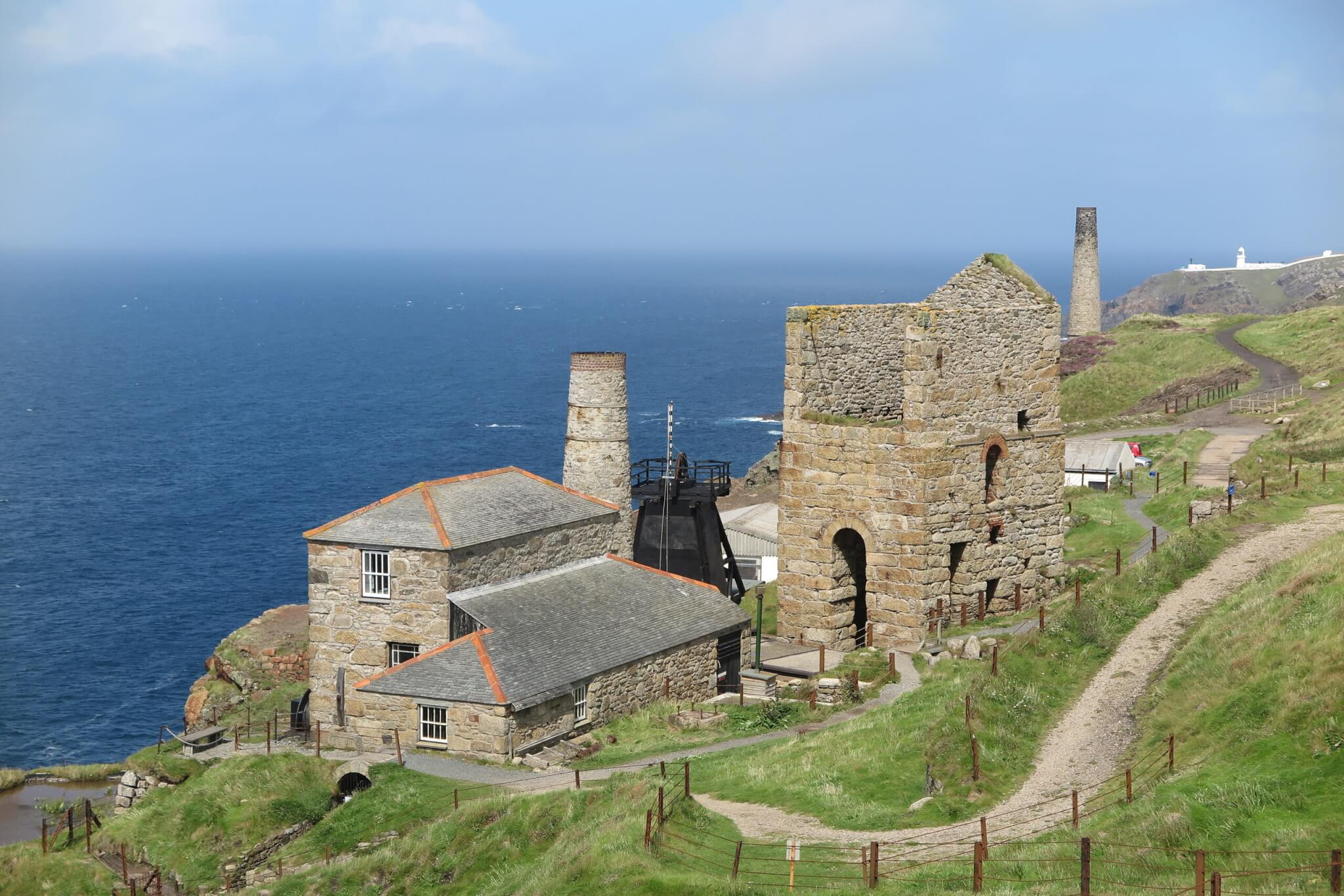
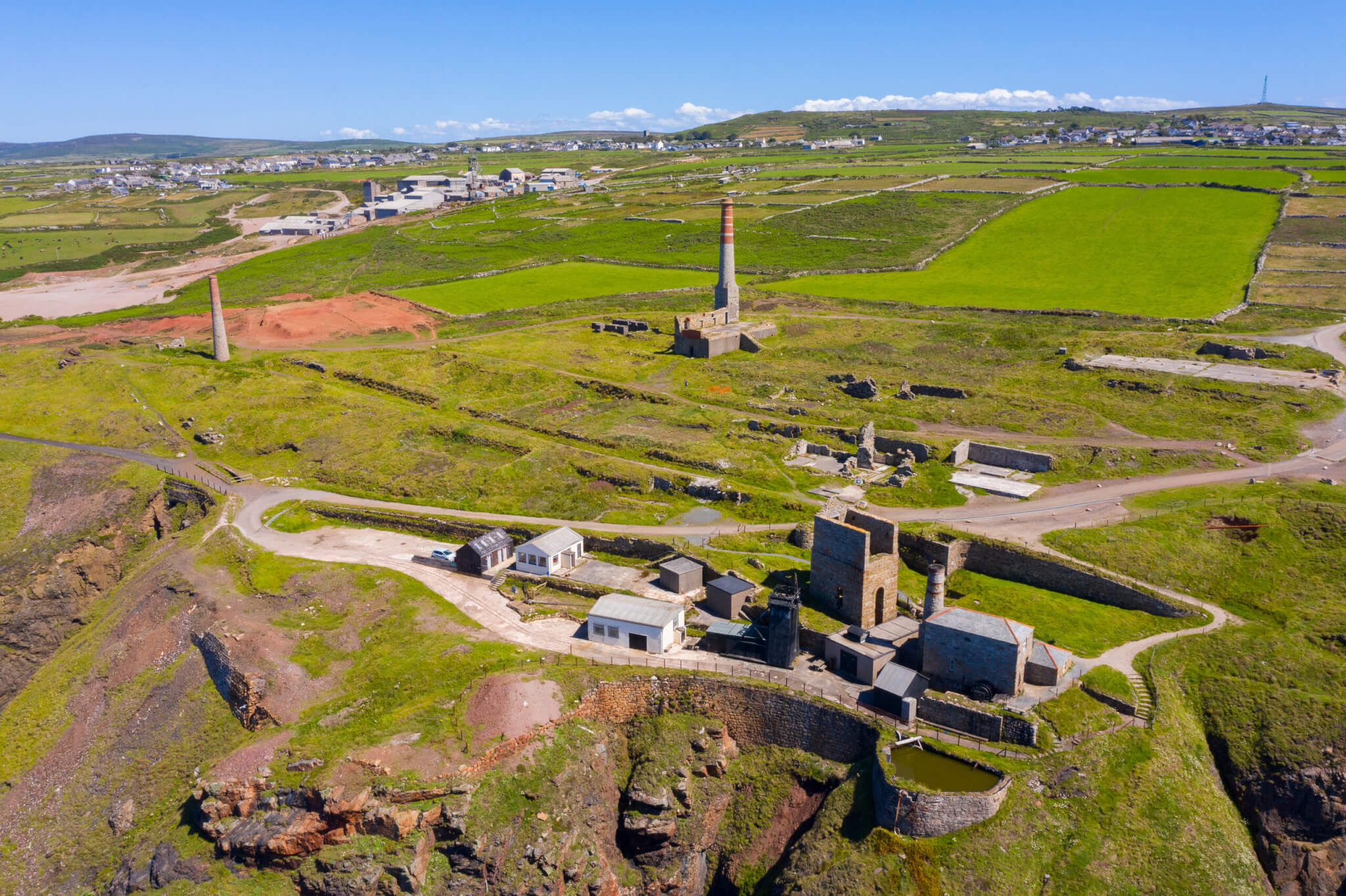
A fifteen-minute walk along the coast from Geevor sits Levant Mine, where the National Trust keeps a beam engine that is genuinely one of a kind. Built by Harvey’s of Hayle to a design by Cornish engineer Francis Mitchell, the engine dates to 1840 and is the only one in the world still working on steam in the spot it was first installed. On a running day you get the smell of hot oil, the hiss, and the slow clank of the beam as it turns, the exact sound this coast ran on for a century.
Levant is also where the coast keeps its saddest date. On 20 October 1919, at the change of shift, the rod of the man engine that carried miners up and down the shaft snapped. The whole apparatus dropped, with men riding it. Thirty-one miners were killed. The entrance to that tunnel is still there to stand at, and the workings behind it once reached more than a mile out under the sea.
Your daily dose of Cornwall
News, events and goings on across the Duchy
The Crowns, Botallack and the cliffs off the telly
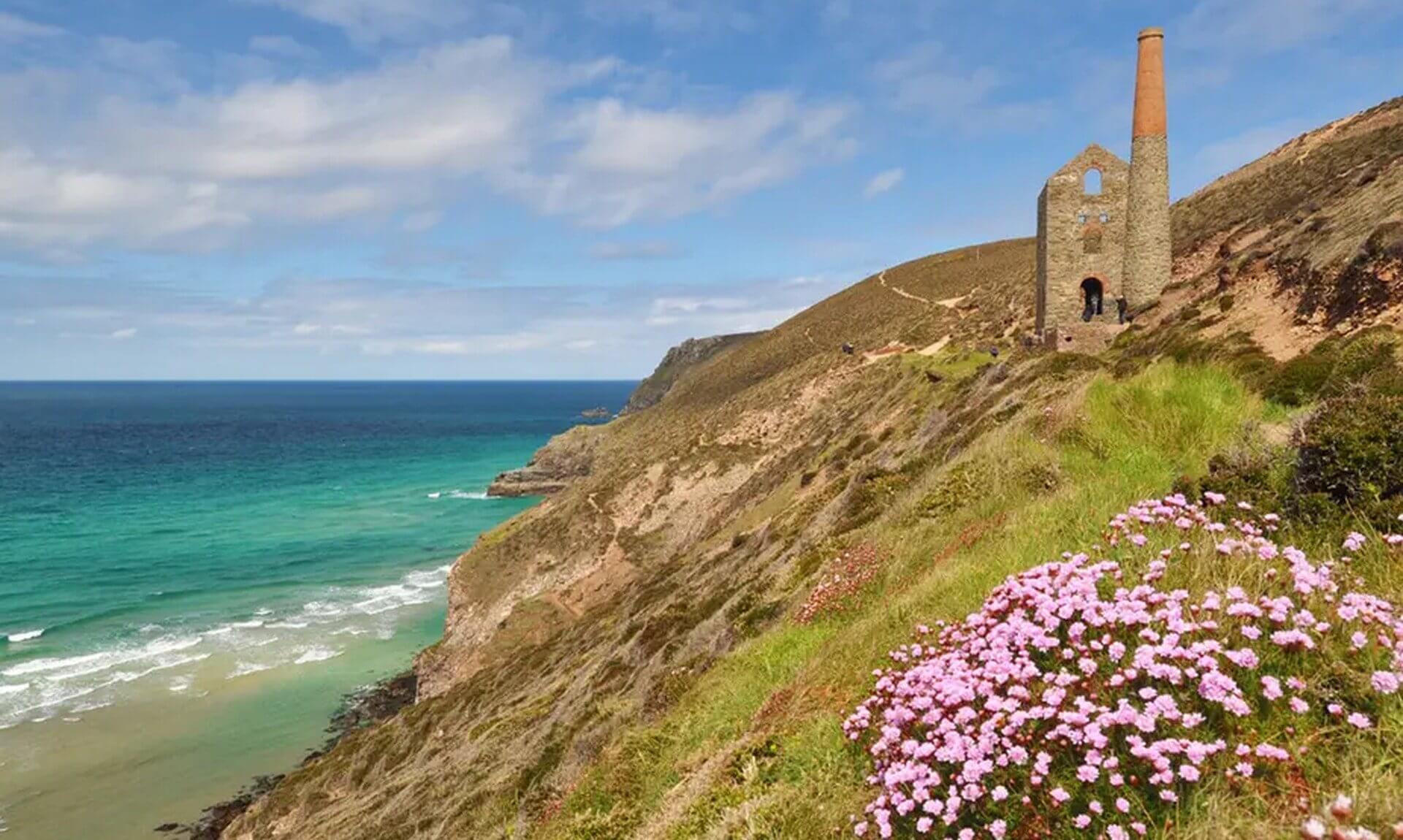
Carry on along the same stretch and you reach Botallack, where two ruined engine houses known as the Crowns cling to a ledge of cliff barely above the waves. They are probably the most photographed mine buildings in Britain, and if they look familiar it is because this is where a lot of Poldark was filmed. The whole area, from St Just up through Pendeen, sits inside a UNESCO World Heritage Site, recognised for what Cornish mining sent out into the world. The tin and copper cut here fed mills, foundries and shipyards across Britain, and Cornish miners carried the skill to every continent.
The men who worked it, and the day the price fell
Geevor is the last complete 20th-century tin mine left standing in Cornwall, and what makes it hold you is that its ending is recent enough to still have people in it. Mining on the site goes back to around 1791, and Geevor Tin Mines Limited was formed in 1911. At the end it was still a working mine with real men on the payroll, not a memory.
Then, in October 1985, the world price of tin collapsed. It fell from about £10,000 a tonne to £3,400 more or less overnight, and Cornwall’s last mines had no way to survive it. Geevor closed in 1986 in a mess of protest and emotion. There was a brief, stubborn reprieve: the mine went back into production in January 1988 with fewer than a hundred men, some of whom came home from Australia, Canada, South Africa and Saudi Arabia to work it again. It did not hold. Production stopped in 1990, and in May 1991 the pumps went off for the last time.
What happened next is the reason you can visit at all. Rather than watch the machinery go for scrap, Cornwall County Council bought the site, and a group of volunteers, most of them ex-Geevor men, spent the winter of 1992 and 1993 working through the cold with no heating and no mains power to get it ready. Geevor opened as a heritage centre in August 1993. It has been run by the local community, through Pendeen Community Heritage, ever since. The people showing you round are, often as not, connected to the men who were down there when the price crashed.
Planning a visit
Geevor is open daily through the summer, roughly 9am to 5pm, with free parking on site, a shop and a café that has recently been done up. As well as the Wheal Mexico tour there is the Hard Rock Museum, the surface buildings and dressing floors to walk round at your own pace, the changing room known as The Dry left much as it was, and mineral panning for anyone who wants to keep what they find. Levant is a short walk along the coast path and the two sites sell a joint ticket, so a single day can take in the underground tour, the steam engine and the Crowns at Botallack without moving the car.
Wear something you do not mind getting mucky, and take a layer. It is cold in the tunnel, the same cold the last shift walked out into on the day the pumps stopped, and everything they left below that line is still under water.
Share This Story, Choose Your Platform!
To keep up with the latest cornish news follow us below
One Comment
Leave A Comment
Follow CornishStuff on Facebook - Like our Facebook page to get the latest news in your feed and join in the discussions in the comments. Click here to give us a like!
Follow us on Twitter - For the latest breaking news in Cornwall and the latest stories, click here to follow CornishStuff on X.
Follow us on Instagram - We also put the latest news in our Instagram Stories. Click here to follow CornishStuff on Instagram.
- 1
- 2
- 3
- 4
- 5
- 6




You Might Also Be Interested In




Discover More In Cornwall


Daily Cornish news by email
The latest daily news in Cornwall, sent direct to your inbox.












My dad worked in geevor for decades