Why Bodmin Moor hides Cornwall’s oldest secret
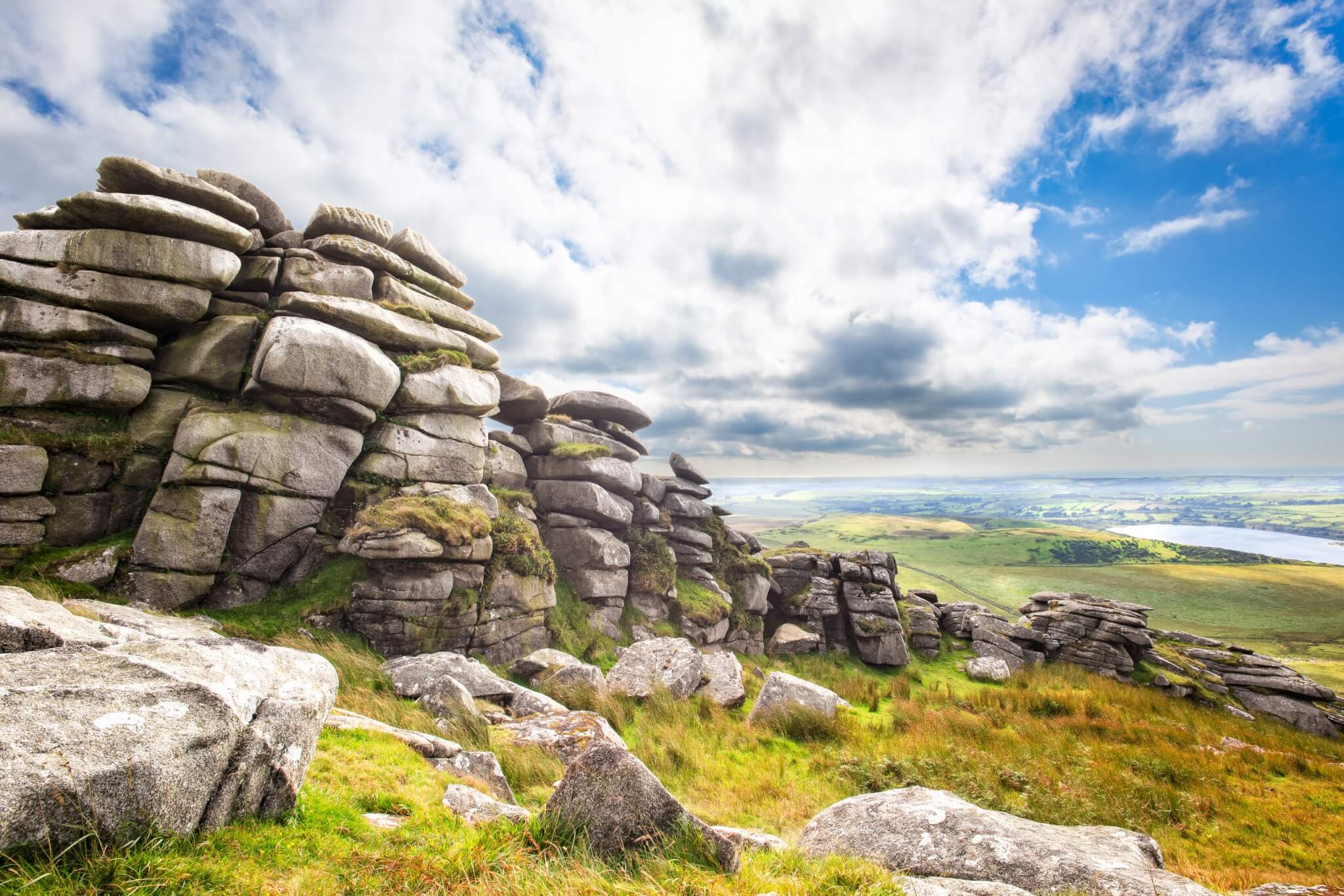
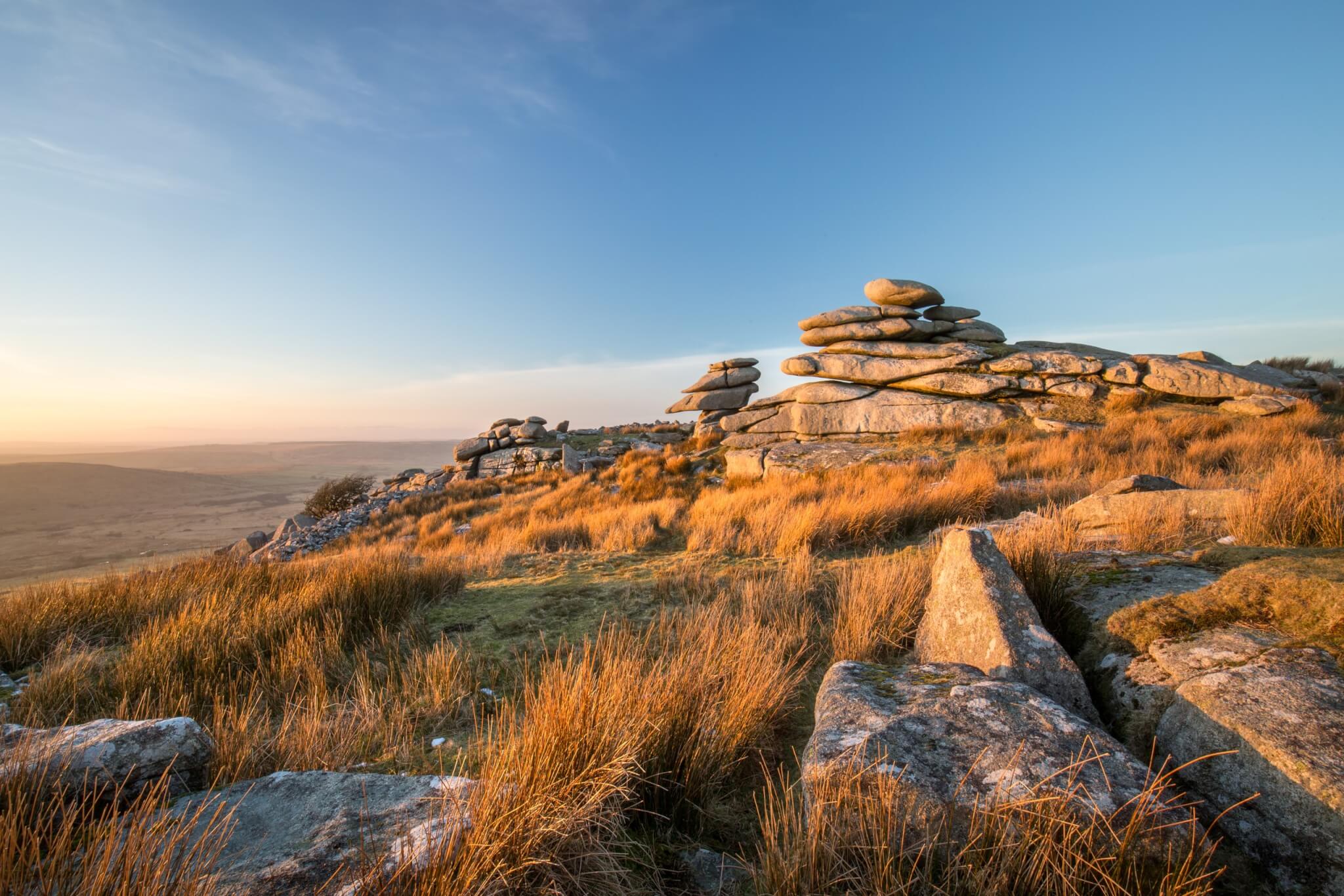
Drive up onto Bodmin Moor on a grey afternoon and it can feel like the emptiest place in Cornwall. Sheep, granite, weather, and not much else. But that emptiness is the trick. Scattered across this high ground is one of the densest collections of prehistoric monuments anywhere in Britain, stone circles and burial mounds and tombs that were already old when the Romans landed. Some of it has been standing for more than five thousand years. Most people drive straight past. For anyone who wants to explore the wilder side of Cornwall, the moor rewards the detour.
Your daily dose of Cornwall
News, events and goings on across the Duchy
The Hurlers, and the men who played on a Sunday
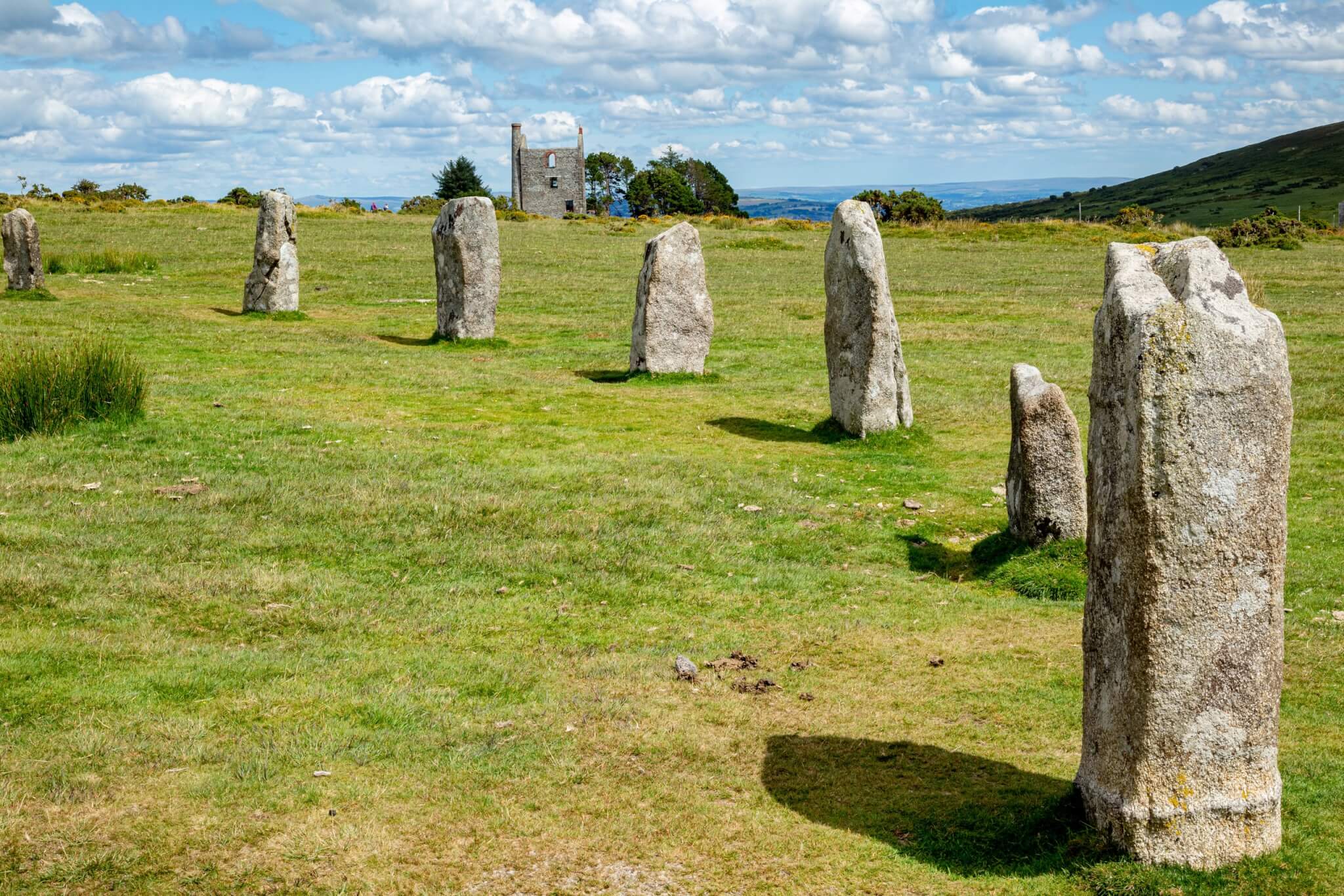
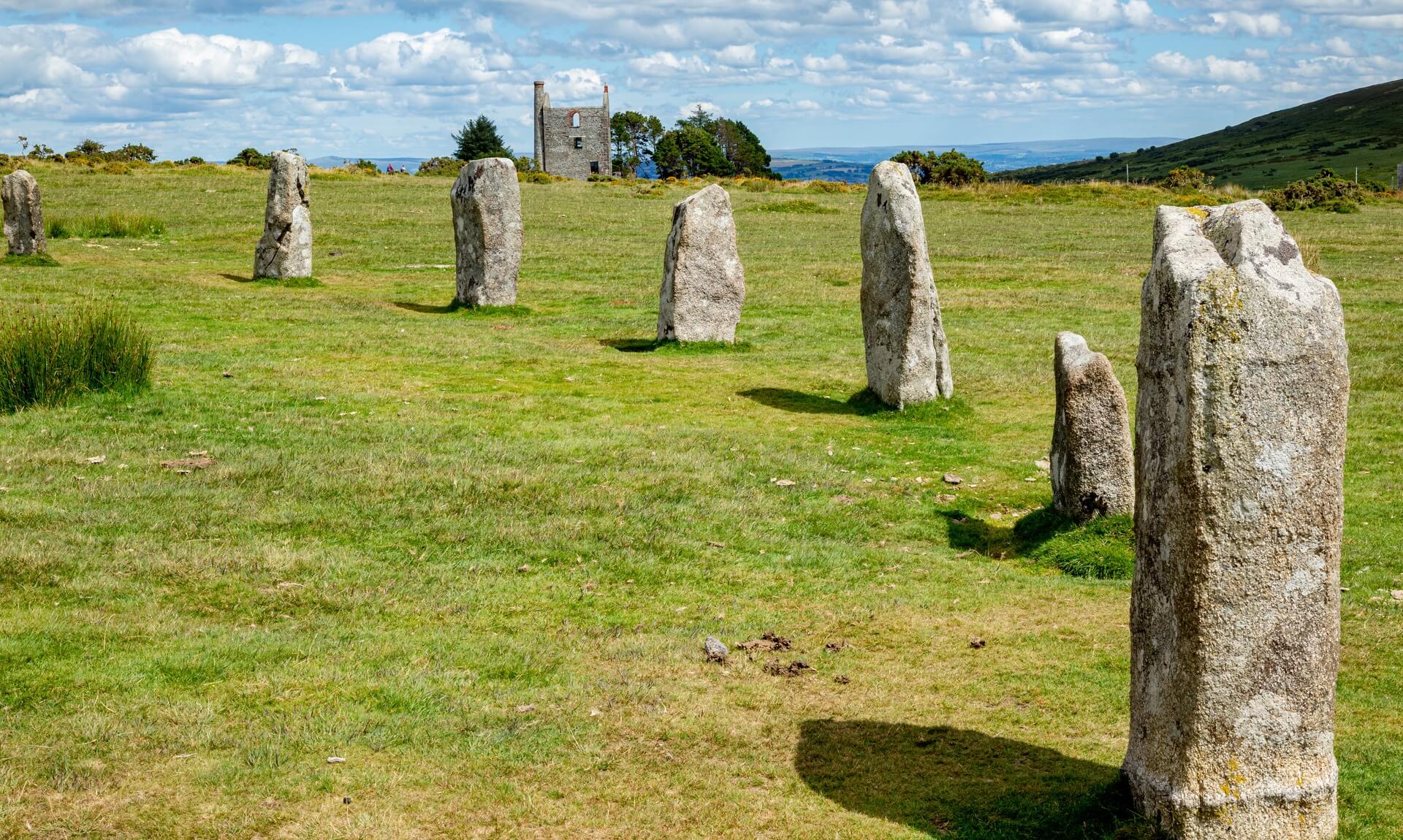
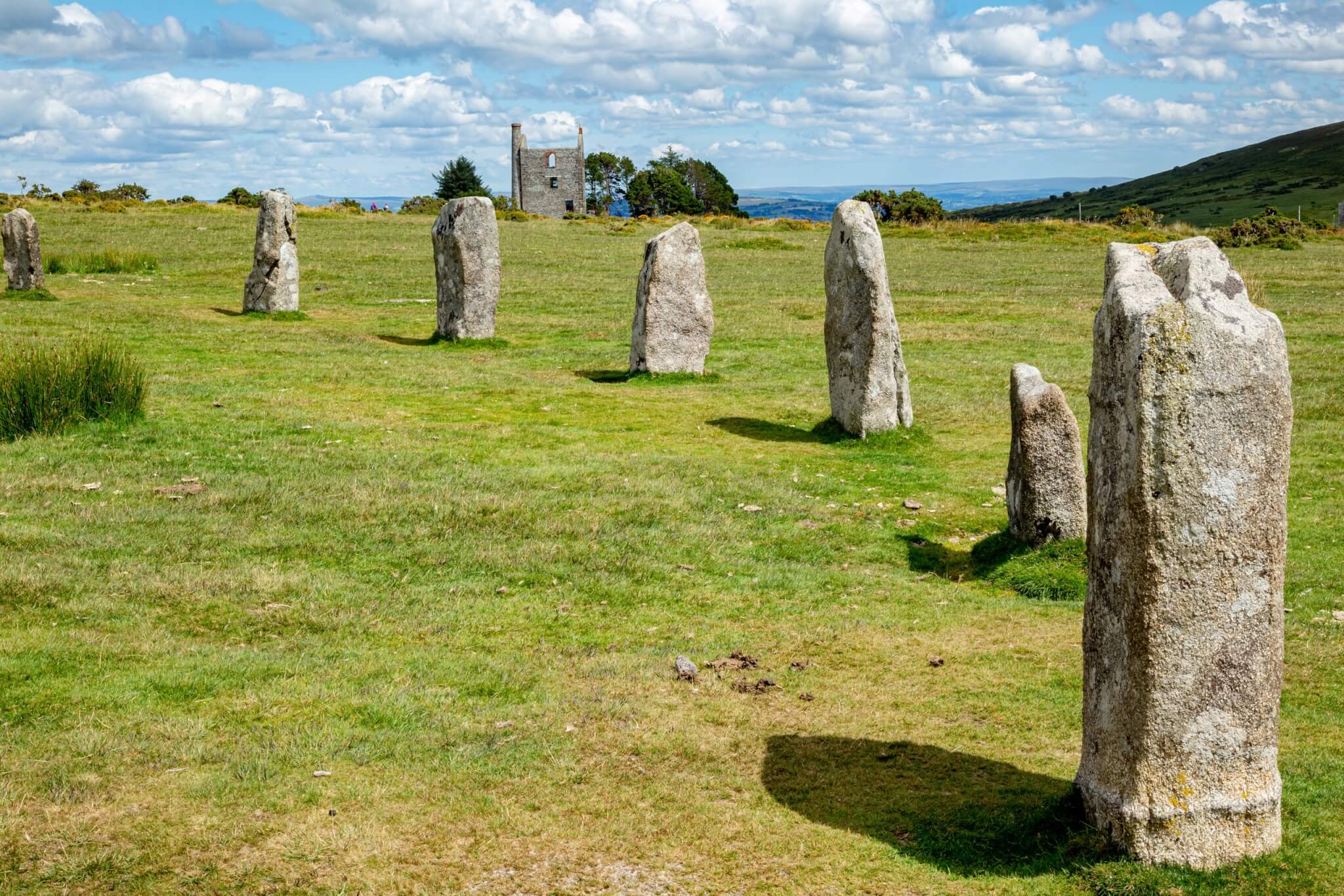
Start at Minions, the highest village in Cornwall, and walk a few minutes onto the open moor. Three stone circles sit in a line, running roughly southwest to northeast. These are the Hurlers, and a grouping of three regular circles like this is unique in England.
They are old. Archaeologists place them in the late Neolithic or early Bronze Age, and the surveyor Alexander Thom proposed alignments that would date them to somewhere between 2100 and 1500 BC. The central circle is the largest at about 42 metres across, and whoever built it went to real trouble. The stones were hammered smooth and set so their tops sat level, and the ground inside was scattered with glittering quartz. Granite paving once ran between the northern and central rings.
The name gives away the legend. Local tradition says the stones are men, turned to granite as punishment for playing the old Cornish game of hurling on a Sunday. Two taller stones a short way to the west, the Pipers, are said to be the musicians who played for them, frozen mid-tune for the same crime. It is a story told at stone circles right across Cornwall, a warning about breaking the Sabbath dressed up as geology.
When the archaeologist Ralegh Radford dug into two of the circles in the 1930s, he found them worth restoring, and later work only deepened the mystery. In 2009 a survey by the Cornwall Archaeological Unit suggested there may once have been a fourth circle and two stone rows. Try counting the stones and you will get a different total each time. Another old belief holds that they can never be counted the same way twice. The Hurlers are cared for today by Cornwall Heritage Trust on behalf of English Heritage.
A gold cup, a ghost, and a bottomless drink
A short walk from the Hurlers is a low mound called Rillaton Barrow. In 1837 it gave up one of the finest objects ever found in Britain from this period. The Rillaton Gold Cup is a small ribbed vessel of beaten gold, around 9cm high, made perhaps 3,700 years ago. It sits in the British Museum today, though it still belongs to the Royal Collection.
There is a story attached to it. A druid priest was said to haunt the barrow, offering passing travellers a drink from a golden cup that could never be drained. One rider, so the tale goes, grew frustrated, threw the wine back in the ghost’s face, and was later found dead at the bottom of a ravine. Whether anyone believed it or not, a real cup of gold did come out of that mound.
The Cheesewring: giants, angels and a spinning stone
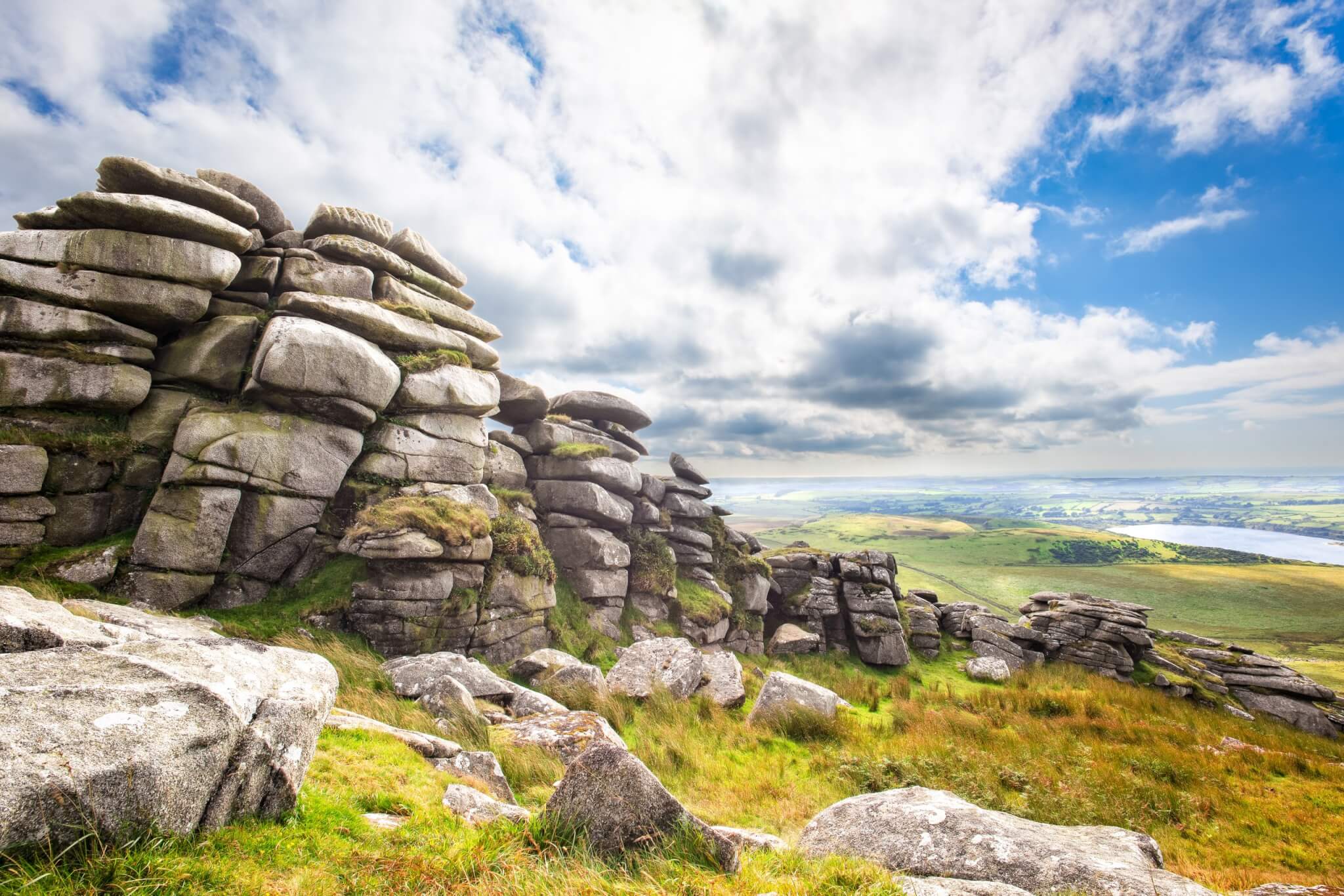
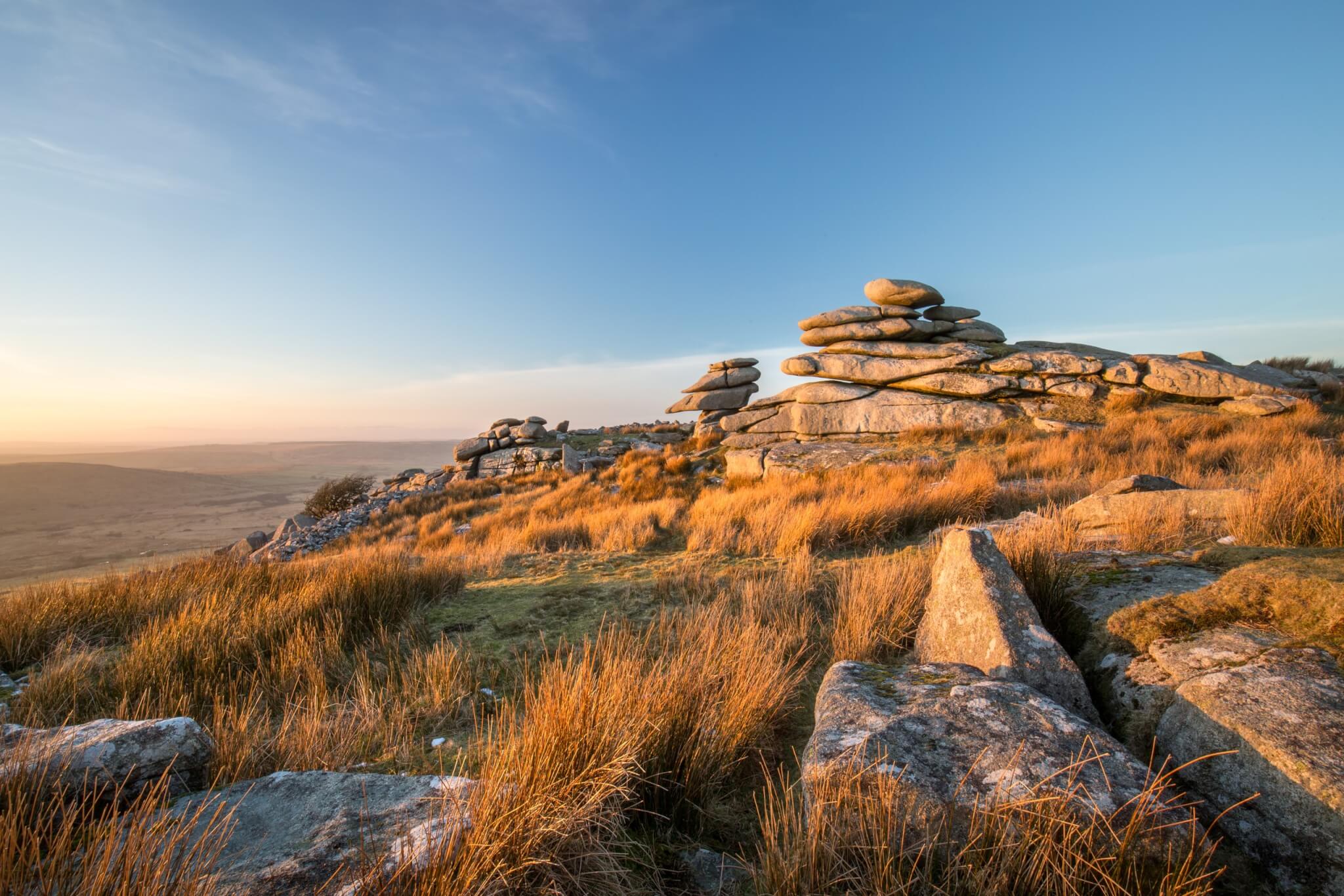
Look up from Minions and you will see it, a stack of granite slabs balanced on Stowe’s Hill that looks as though a child piled it there. The Cheesewring stands about 32 feet high, and the wider slabs sit on top of the narrower ones, which looks like it should be impossible. It is entirely natural, shaped by tens of thousands of years of wind and rain, but the shape is so odd that people reached for stories.
One legend says it was built during a rock-throwing contest between a giant named Uther and Saint Tue, the giants and saints of the moor fighting over the land. The saint won, with a little help, as an angel is said to have caught one of his stones in mid-air. Another tale claims the top slab turns three times whenever it hears a cockerel crow.
The real character up here is Daniel Gumb, an 18th-century stonecutter with a gift for mathematics and astronomy who carved himself a home out of the rock near the Cheesewring and lived there with his family, geometry cut into the walls. Daniel became known as the mountain mathematician. The quarry that later ate into the hill sent its granite off to build bridges in London before local pressure finally shut it down.
Your daily dose of Cornwall
News, events and goings on across the Duchy
Older than King Arthur ever was
The oldest secret on the moor may be a monument named after a king who, if he existed at all, arrived thousands of years too late. King Arthur’s Hall, on King Arthur’s Downs, is a rectangular bank lined with 56 standing stones, and for a long time nobody could say how old it was.
In 2024 a team led by Dr Tim Kinnaird at the University of St Andrews used a technique called optically stimulated luminescence, which measures when buried soil last saw daylight. Their answer surprised everyone. The monument is around 5,500 years old, Neolithic, some 4,000 years older than the medieval date many had assumed. “It’s extremely exciting that we’ve finally been able to date construction of this enigmatic monument, previously grounded in myths and legends,” Tim said. Nobody knows what it was for.
Where else to look
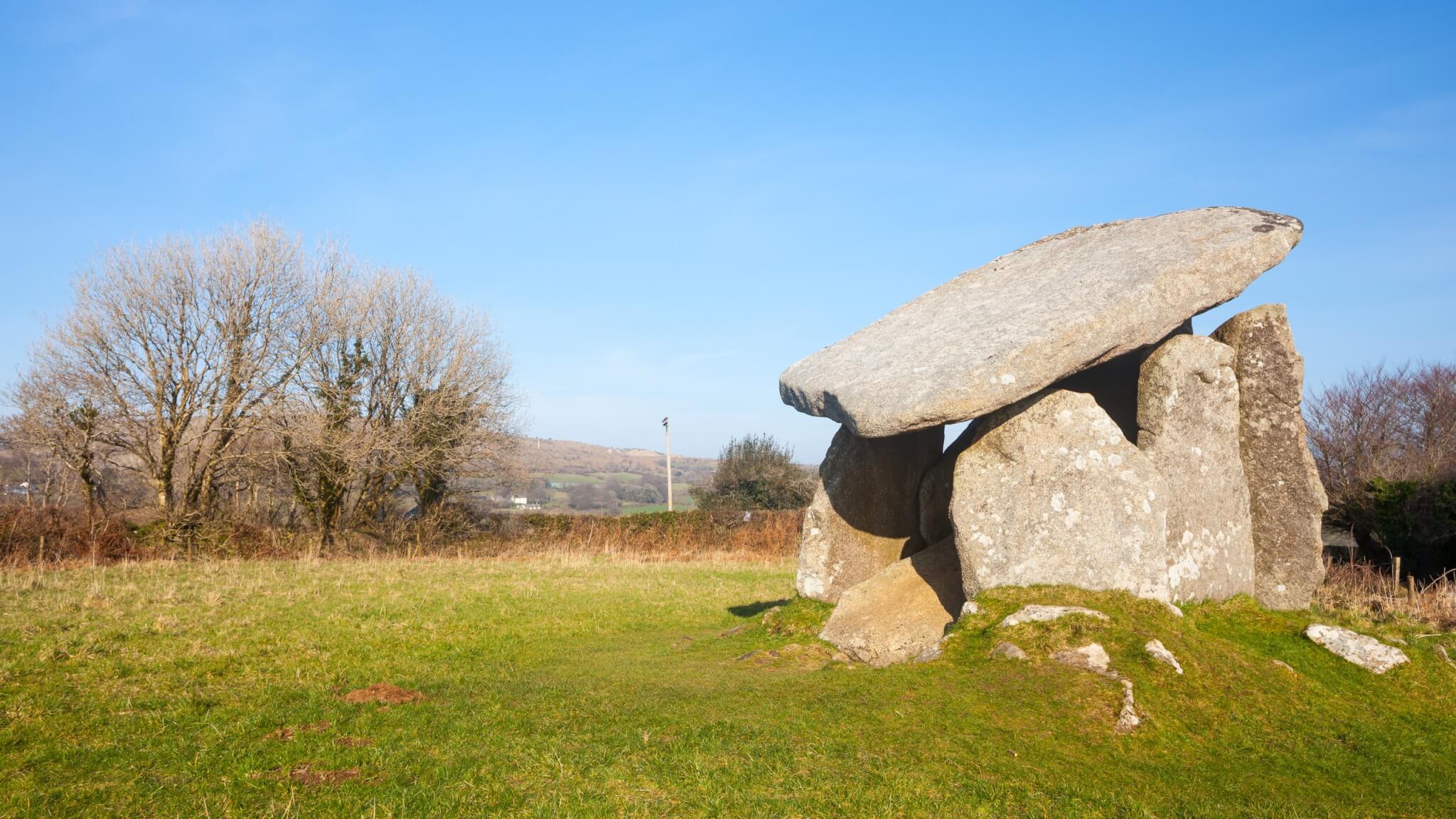
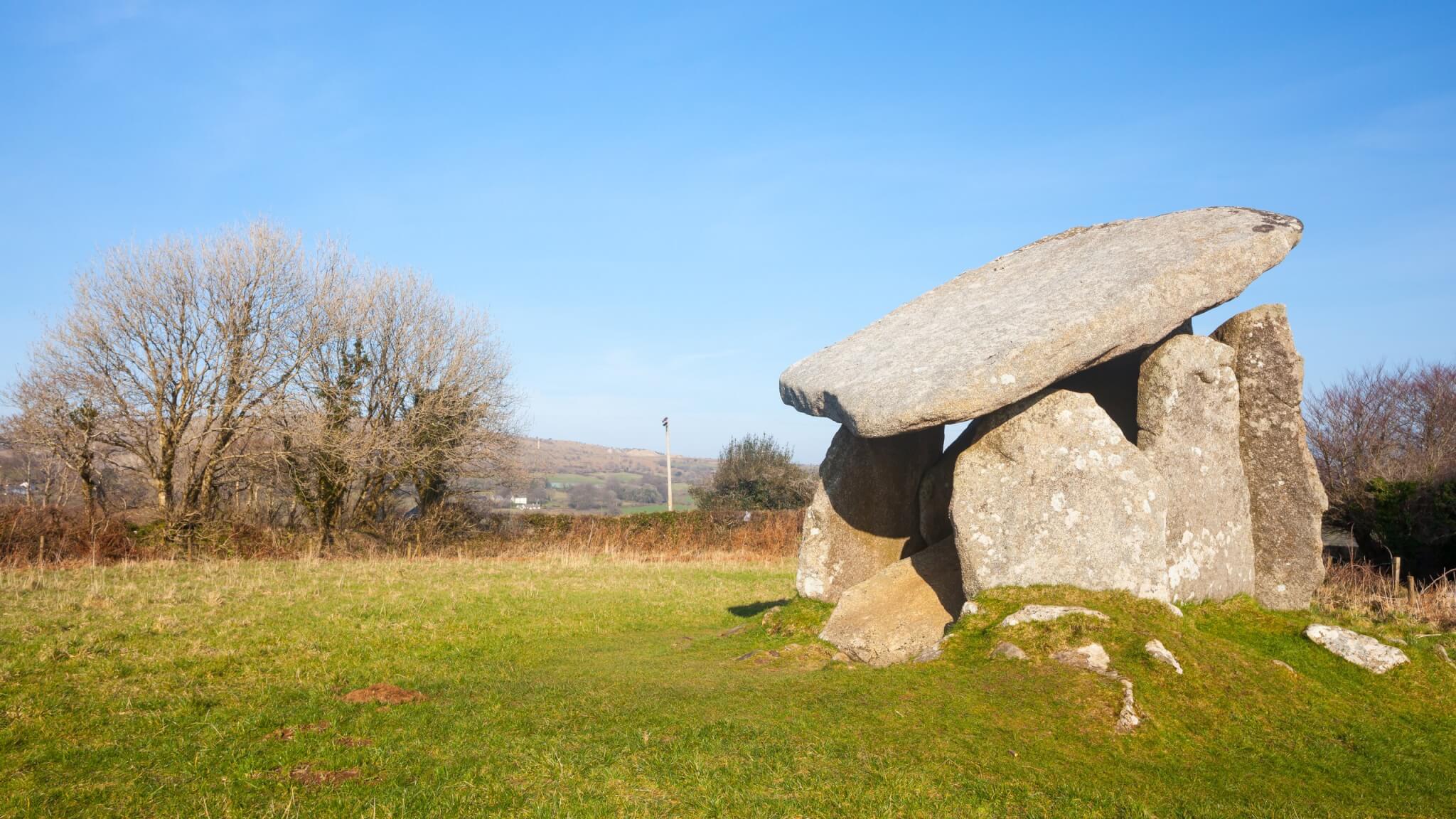
The moor is full of this once your eye is in. Trethevy Quoit near St Cleer is a Neolithic portal tomb, five great uprights carrying a capstone nearly 12 feet long and weighing more than ten tonnes, raised somewhere around 3,700 to 3,500 BC and known locally as the giant’s house. Out on the northern moor, under Rough Tor and Brown Willy, the stone circles at Stannon and Fernacre sit in a wide landscape of ancient hut circles and tumbled field walls. The Stripple Stones, on the slopes of Hawk’s Tor, make up the only henge in Cornwall.
None of it is fenced off or ticketed. You can walk up to almost any of these stones, put your hand on them, and stand exactly where someone stood five thousand years ago with no real idea, then or now, of quite what it was all for. Which is maybe why the counting legend has lasted. Go up to the Hurlers, count the stones, and see if you get the same number twice.
Share This Story, Choose Your Platform!
To keep up with the latest cornish news follow us below
Follow CornishStuff on Facebook - Like our Facebook page to get the latest news in your feed and join in the discussions in the comments. Click here to give us a like!
Follow us on Twitter - For the latest breaking news in Cornwall and the latest stories, click here to follow CornishStuff on X.
Follow us on Instagram - We also put the latest news in our Instagram Stories. Click here to follow CornishStuff on Instagram.
- 1
- 2
- 3
- 4
- 5
- 6





You Might Also Be Interested In





Discover More In Cornwall




Daily Cornish news by email
The latest daily news in Cornwall, sent direct to your inbox.