Camel, Tamar and Falmouth seagrass in line for water fine money
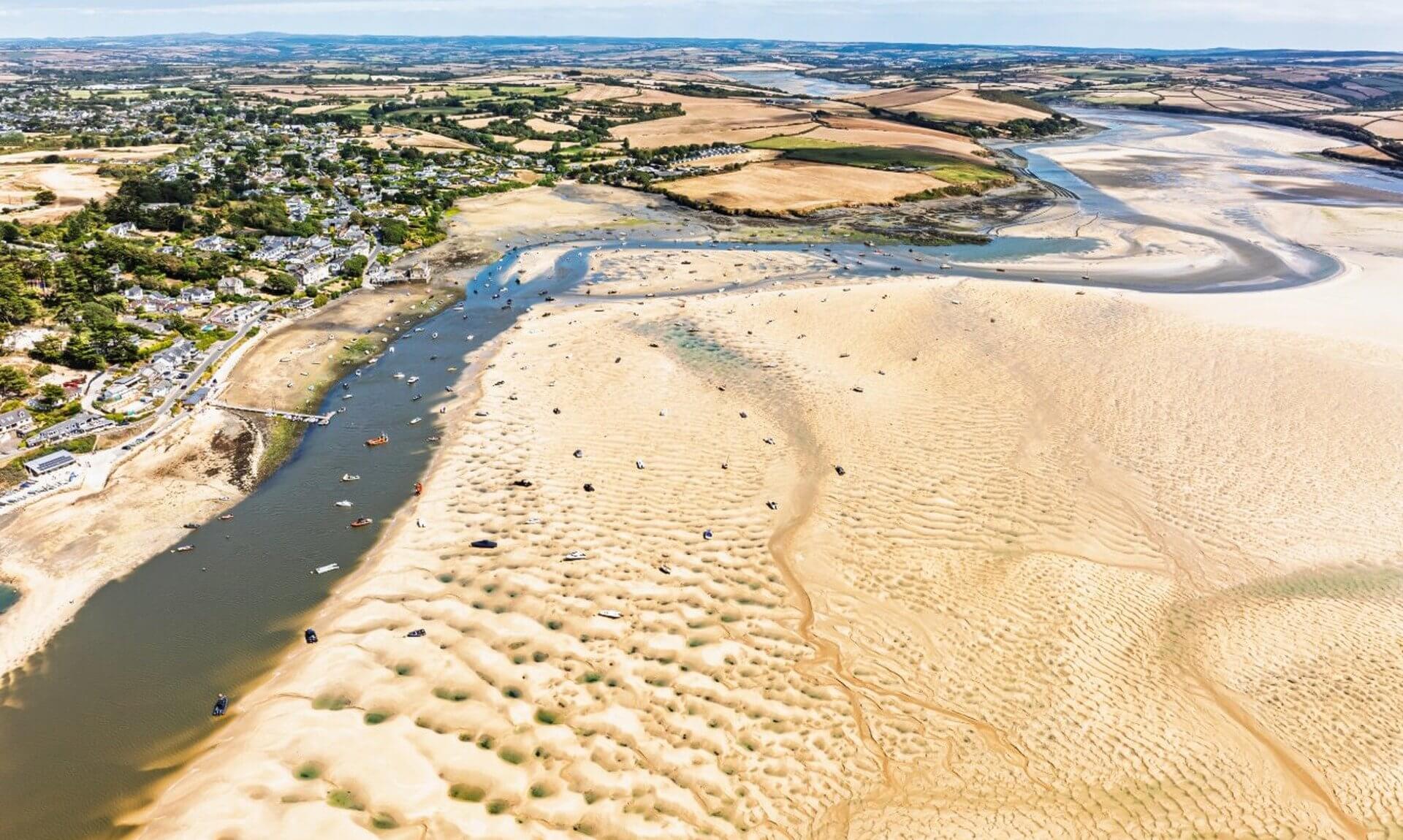
Some of the money water companies have paid in fines is heading back to Cornish rivers and estuaries. The Camel, the upper Tamar, the Par and the seagrass beds off Falmouth are among the places in line for it.
The Department for Environment, Food and Rural Affairs has announced today (Saturday 28 November) that more than 300 local projects across England will share over £11 million from the Water Environment Improvement Fund. Almost £6 million of that comes from fines on water companies.
The Cornwall projects on the list
The full list of funded projects is grouped by Environment Agency area and parliamentary constituency. These are the projects in Cornish constituencies:
North Cornwall
- Camel Naturebased (rural and land management)
- Tor to Shore (rural and land management)
- Whalesborough Weir Eel Pass Refurbishment (improved fish and eel passage)
- Tamar Lakes Pathway to Good, Upper Tamar (rural and land management, shared with Torridge and Tavistock)
Truro and Falmouth
- Blue Meadows, Falmouth Seagrass Restoration (habitat creation and restoration)
- Carnon Valley Net Zero Project (habitat creation and restoration)
St Austell and Newquay
- Par Improvement Programme (improved fish and eel passage)
South East Cornwall
- Pillaton Flood Plain Reconnection (habitat creation and restoration)
- Influencing Tamar Estuary Management (ITEM) (marine and bathing waters)
- Restoration Resilience (biodiversity objectives)
- Tamar Banks Habitat Creation (habitat creation and restoration, shared with Torridge and Tavistock)
The list doesn’t say how much each project will receive. Defra notes that final project details may still change while the Environment Agency talks to project partners.
What the money is expected to do
Across England, the new projects are expected to improve more than 1,300km of rivers and plant over 100,000 trees. They should also create or restore more than 800 hectares of natural habitat.
Defra says the aim is to help wildlife, reduce flood risk and give communities cleaner and healthier places to enjoy outdoors.
Who runs the projects
The fund is managed by the Environment Agency. Local people and organisations lead the projects, including Rivers Trusts, Wildlife Trusts, councils and landowners.
Philip Duffy, Chief Executive of the Environment Agency, said: “Local people know their rivers best. We’re backing them with this funding and working alongside communities, charities and partners to improve our waterways. We will continue to hold polluters to account.”
Regional water councils
The government says the funding sits alongside wider reforms. These include new regional water councils, which it says will let people help set regional priorities and inform how local issues such as pollution are handled. After the Water Bill, those councils will be written into law.
Read Next
- RNLIMost people only see a lifeboat station from the outside, doors shut, waiting for the next call.
Share This Story, Choose Your Platform!
To keep up with the latest cornish news follow us below
Follow CornishStuff on Facebook - Like our Facebook page to get the latest news in your feed and join in the discussions in the comments. Click here to give us a like!
Follow us on Twitter - For the latest breaking news in Cornwall and the latest stories, click here to follow CornishStuff on X.
Follow us on Instagram - We also put the latest news in our Instagram Stories. Click here to follow CornishStuff on Instagram.
- 1
- 2
- 3
- 4
- 5
- 6