Cornwall’s private water supplies face a tougher risk this summer
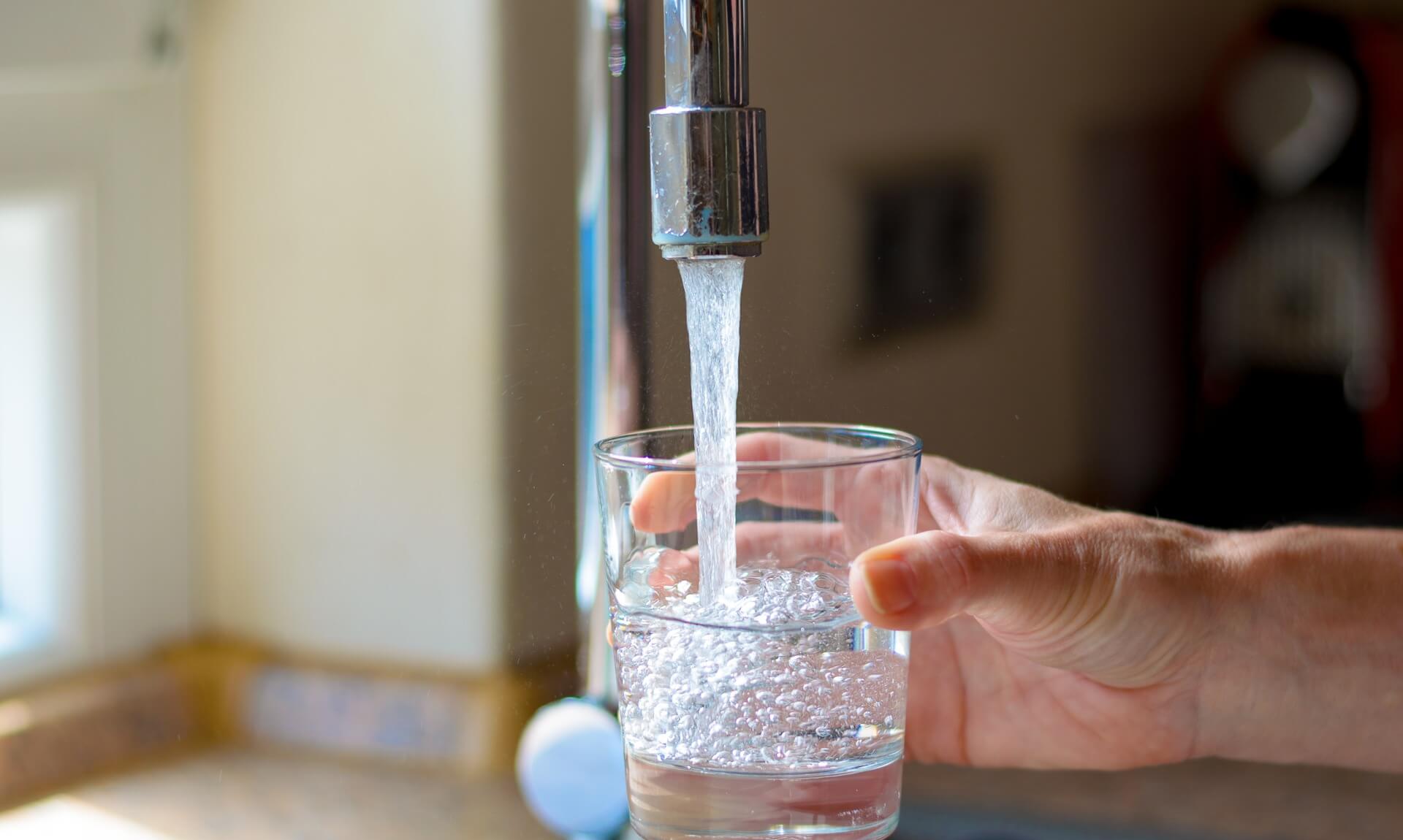
If your tap runs from a borehole, a well or a spring somewhere on the property rather than a pipe out in the road, the last few weeks of dry weather change the maths completely. A hosepipe ban is an inconvenience for most of Cornwall. For a private water supply, the real risk is the source running low, or running out altogether.
Your daily dose of Cornwall
News, events and goings on across the Duchy
Who this actually affects
There are thousands of private water supplies across Cornwall, drawing from boreholes, wells, springs and adits rather than the mains network. It is a legacy of the county’s geography as much as anything else. Cornwall is largely rural, and plenty of properties are too far from a mains pipe to connect to one easily, so groundwater has always been the practical, and often cheaper, option.
Some of these supplies serve a single home. Others feed several properties, or support commercial operations such as farms, holiday lets, cafes and breweries, where the volume of water used is far higher.
What actually happens in a dry spell
A prolonged run of hot, dry weather puts pressure on a private supply in a way it does not on a mains connection. Boreholes and wells draw from groundwater that is topped up by rainfall, and springs depend on water finding its way to the surface in the first place. When the weeks without meaningful rain stack up, the water table drops and the amount reaching a private source can fall with it. Unlike a mains customer facing a hosepipe ban, a household or business on a private supply can find itself with a reduced flow, or none at all.
Cut your use now
The advice from Cornwall Council is straightforward: start reducing water use now, before a supply shows signs of running low, rather than waiting until it does. Small daily habits, shorter showers, fewer loads of washing, watering the garden less, add up faster across a household than any single big gesture, and every bit of headroom helps a stressed source recover rather than being drawn down further.
Your daily dose of Cornwall
News, events and goings on across the Duchy
Make a contingency plan
Cornwall Council is also urging anyone on a private supply to have a plan ready in case the taps do run dry, rather than working one out in the moment. That means knowing in advance where to turn. The council keeps a list of emergency water suppliers who may be able to help if a private supply becomes insufficient. Households that store drinking water, keep contact details for a bowser or tanker supplier, or simply know who to call first, are in a far better position than those working it out for the first time with an empty tap.
Check on the neighbours who rely on the same source
Private supplies often serve more than one household from a shared spring or borehole, and older or more vulnerable residents can be the last to notice or mention a problem, or the least able to arrange an emergency delivery themselves. Cornwall Council is asking people to check in on neighbours who depend on a private supply, particularly anyone elderly, isolated or with health needs, while the dry weather continues.
Who looks after Cornwall’s private supplies
Private water supplies are regulated under the Water Industry Act 1991 and the Private Water Supplies Regulations 2016, which require that any water intended for human consumption is safe to drink and does not pose a risk to health. Cornwall Council’s private water supplies team has a legal duty to sample and risk assess supplies across the county, work overseen nationally by the Drinking Water Inspectorate. Supplies serving two or more households are sampled every five years, and those used commercially, for food and drink production, holiday accommodation or similar, are tested at least annually.
Day to day, quality on a private supply can be shaped by all sorts of things, from nearby farming and livestock to the geology the water passes through. None of that changes with the weather. What does change in a dry spell is simply how much water is coming through in the first place, which is why the council’s message right now is less about testing and more about making sure there is enough to go round.
Anyone with concerns about their own private water supply can contact Cornwall Council’s Community and Environmental Protection team on 0300 1234 212 or by [email protected], and the council’s guidance and forms are all on the same private water supplies page.
Read Next
- JobsFishing boats and farms on one table.
Share This Story, Choose Your Platform!
To keep up with the latest cornish news follow us below
Follow CornishStuff on Facebook - Like our Facebook page to get the latest news in your feed and join in the discussions in the comments. Click here to give us a like!
Follow us on Twitter - For the latest breaking news in Cornwall and the latest stories, click here to follow CornishStuff on X.
Follow us on Instagram - We also put the latest news in our Instagram Stories. Click here to follow CornishStuff on Instagram.
- 1
- 2
- 3
- 4
- 5
- 6