The UK’s Biggest Seagrass Project Is Starting in Falmouth Bay
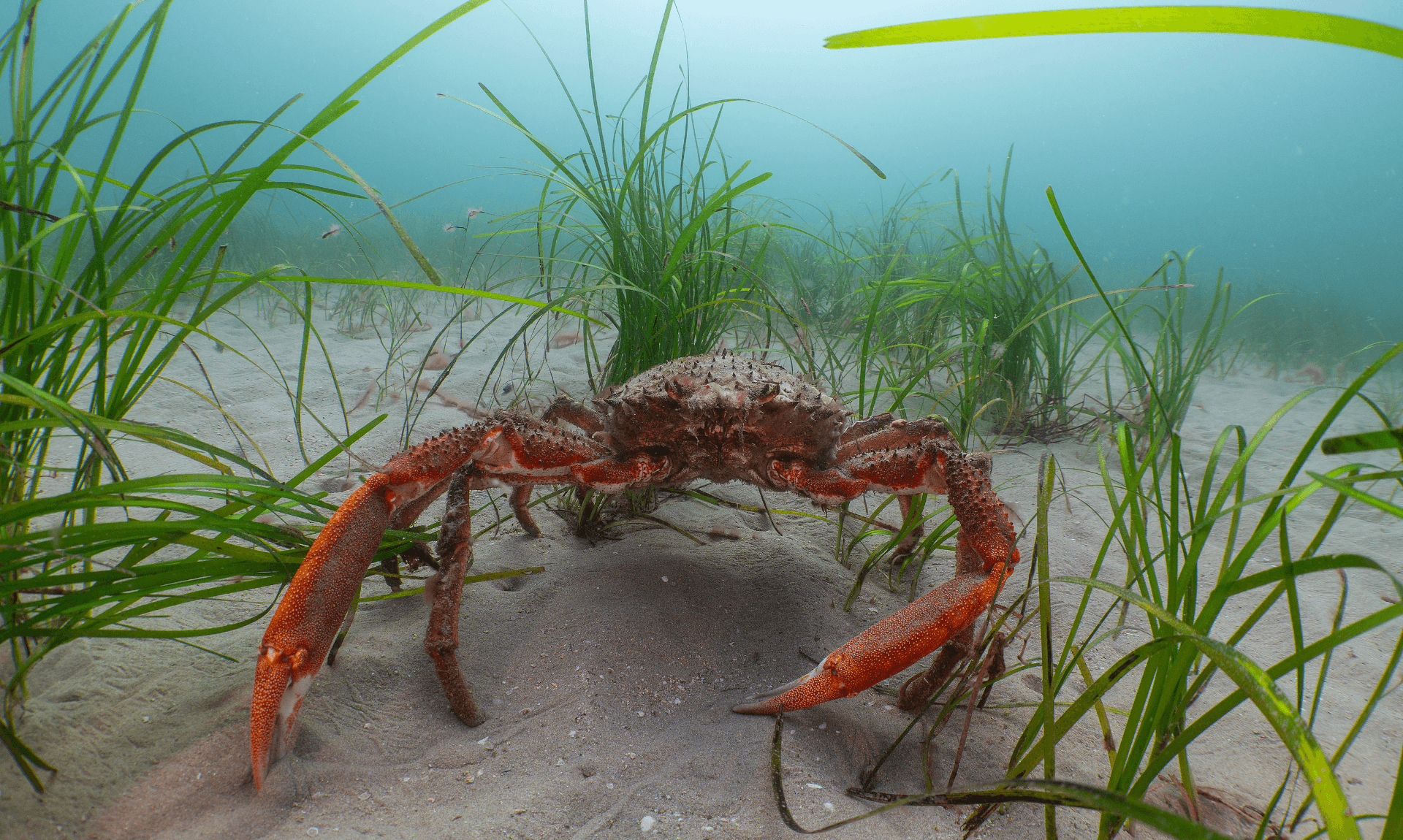
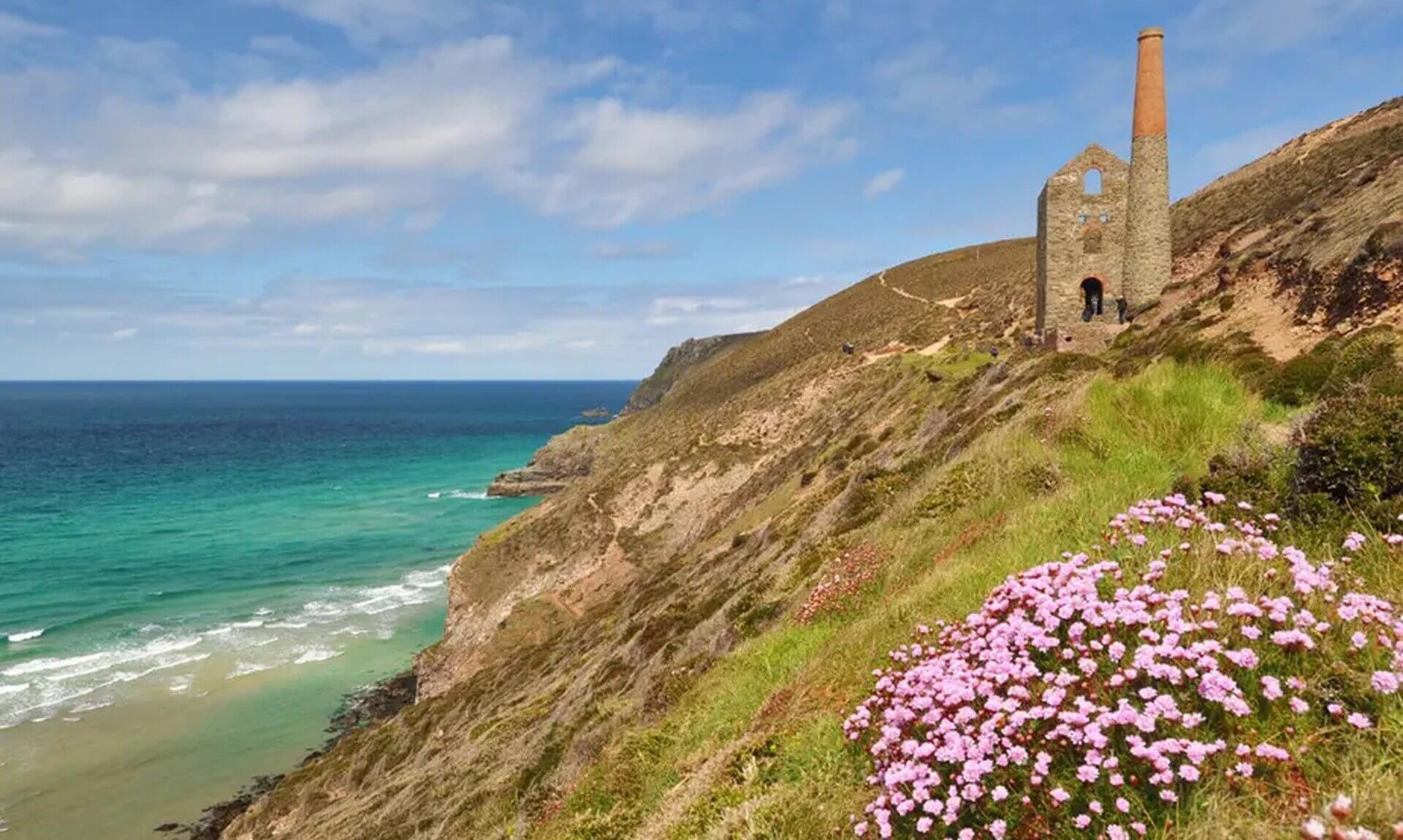
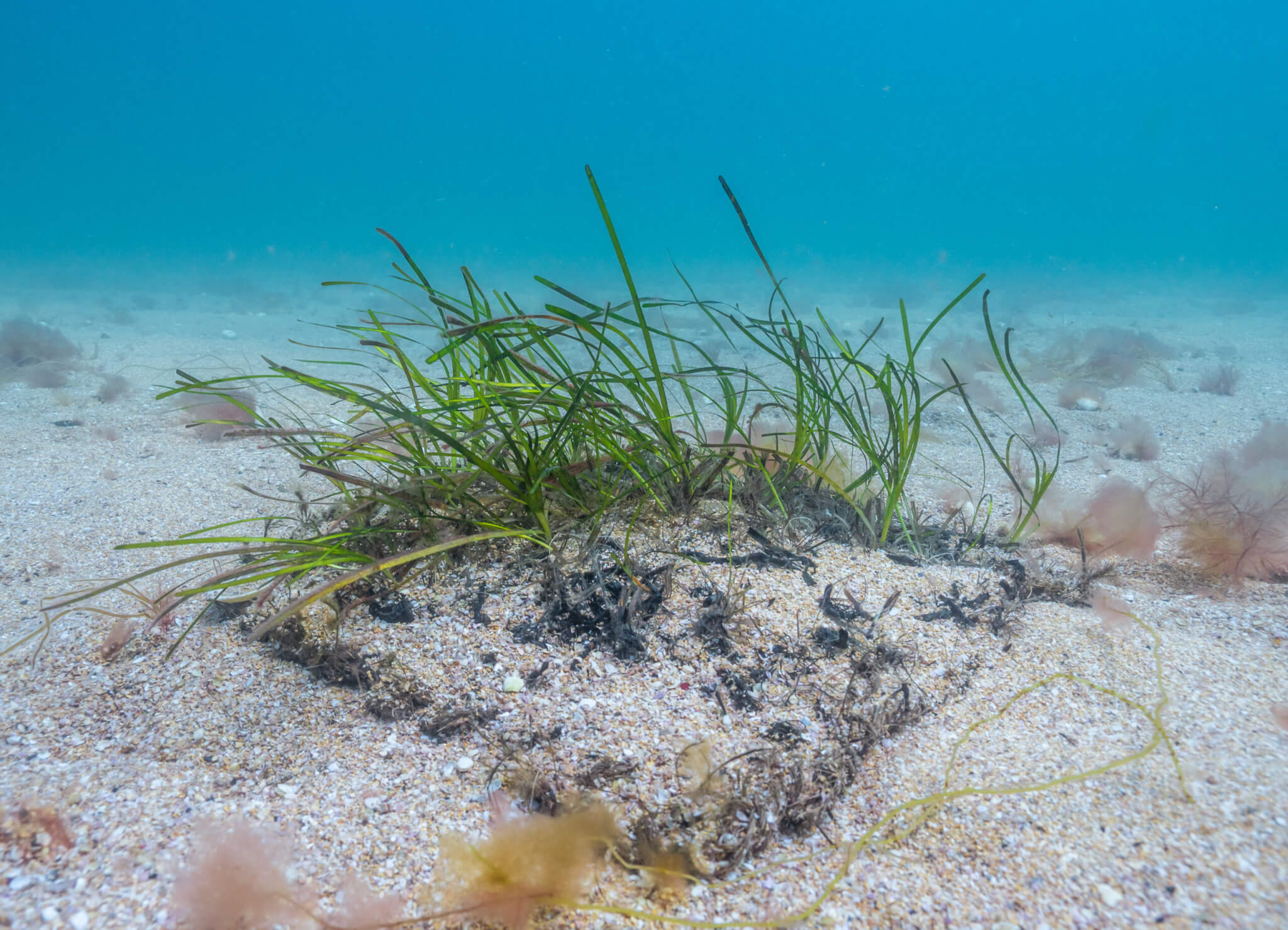
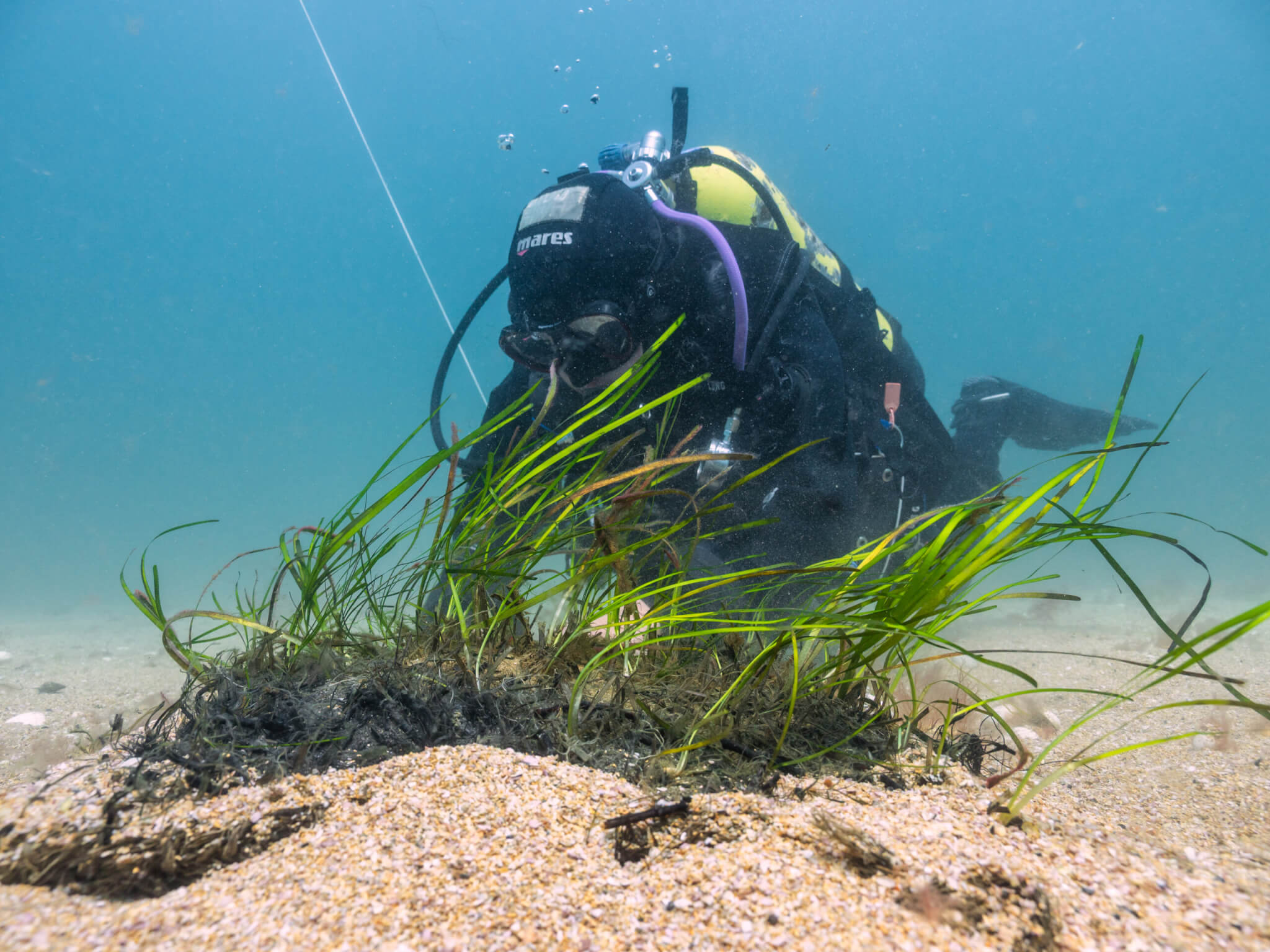
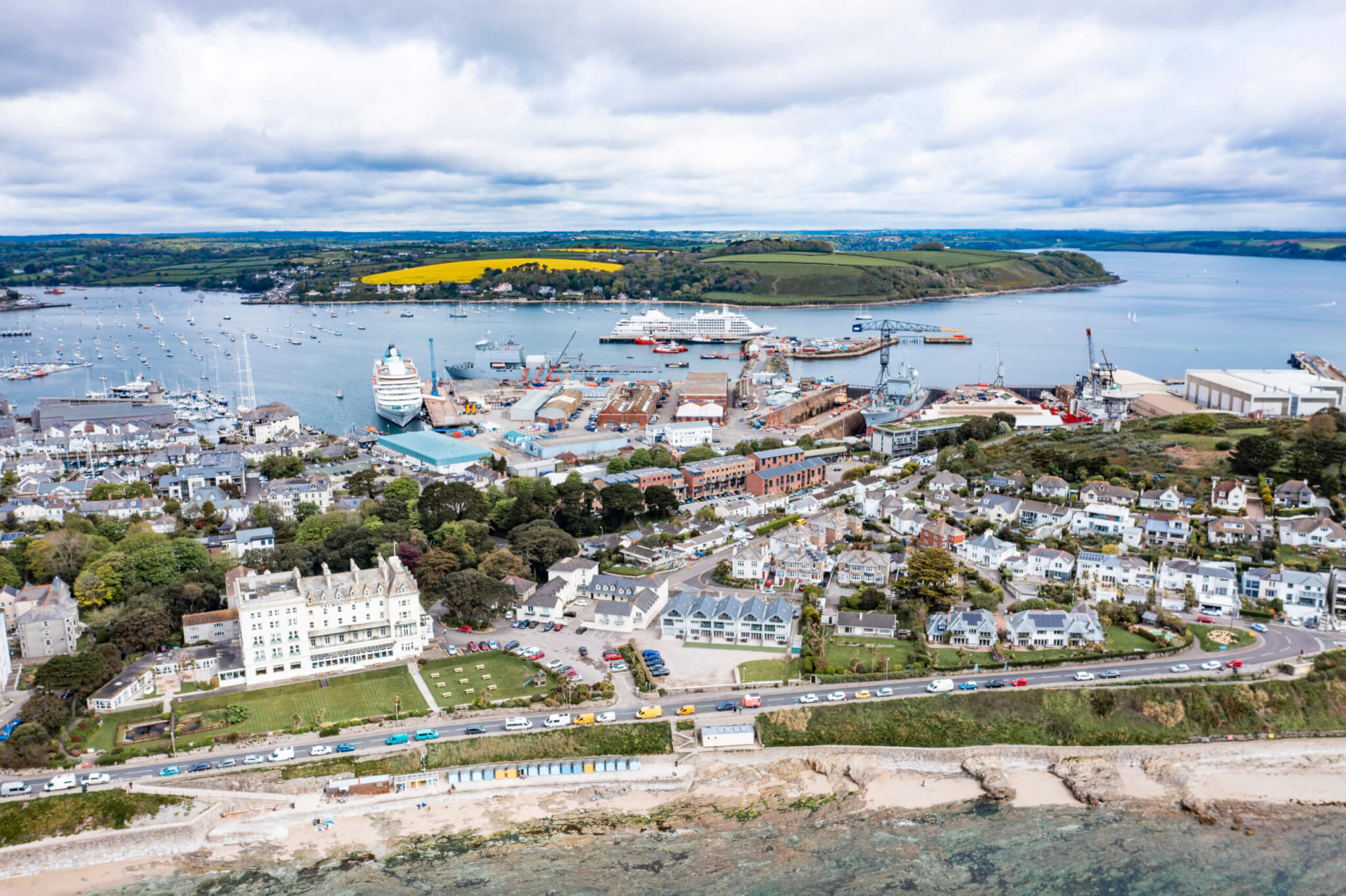
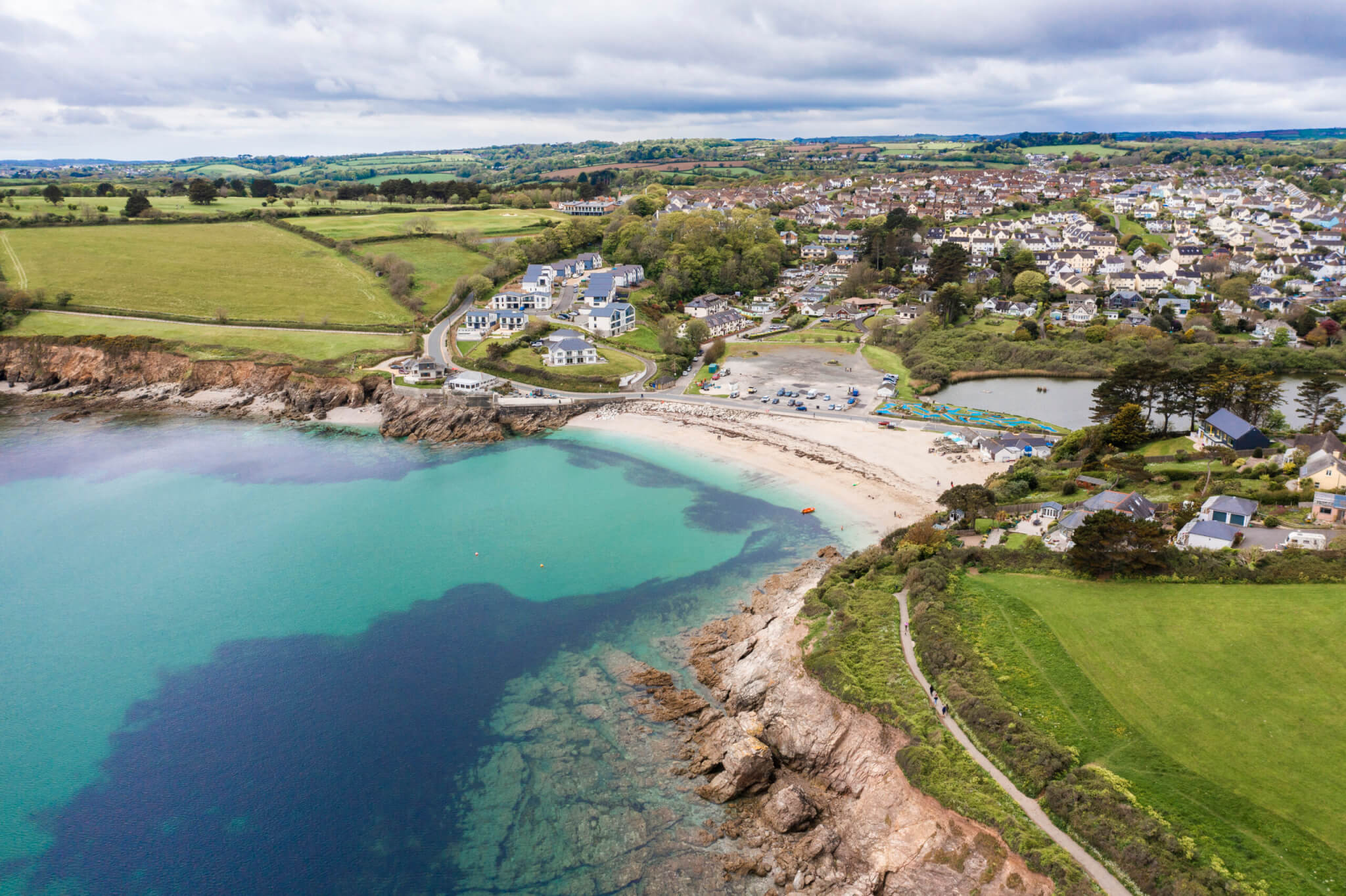
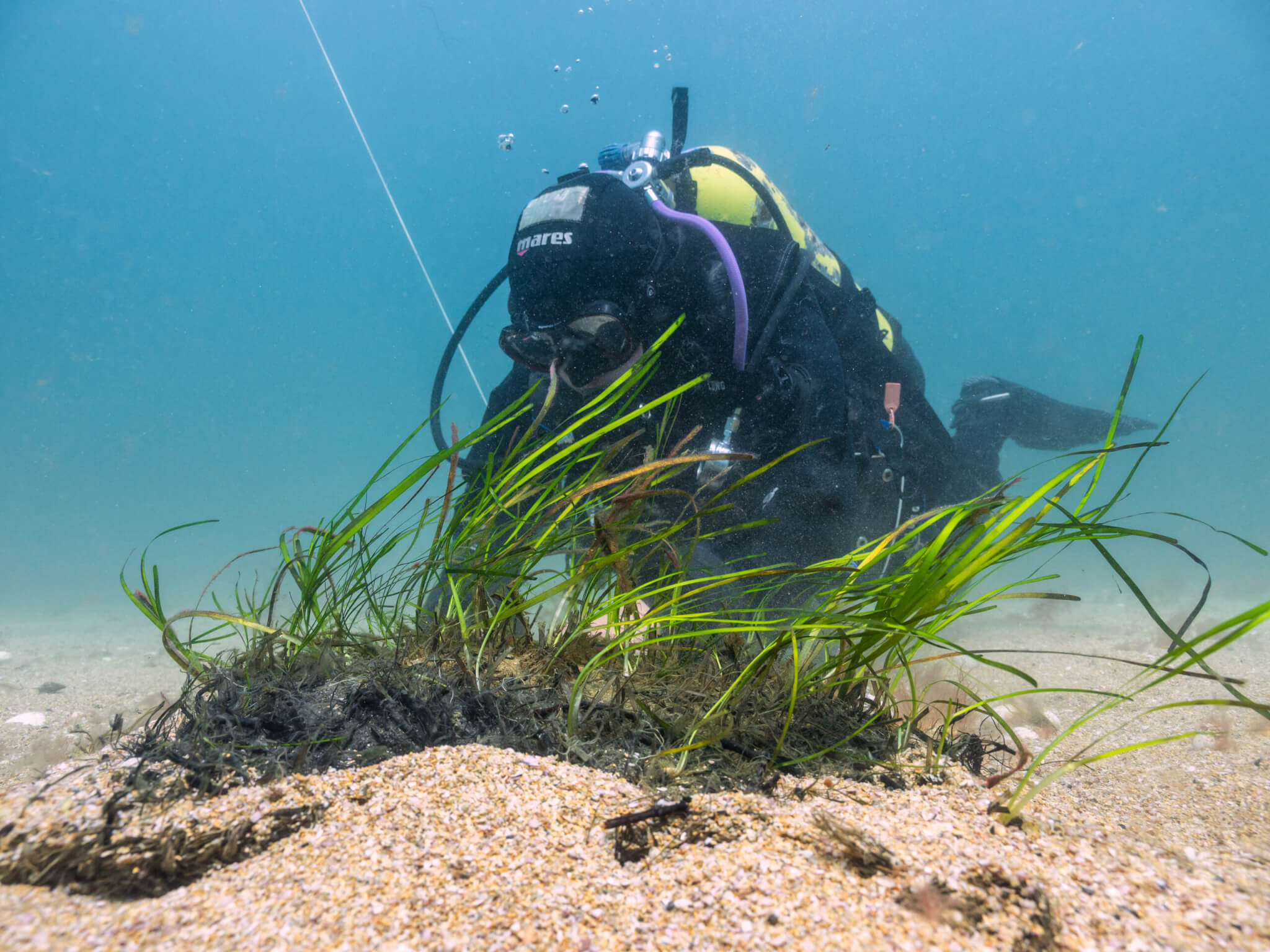
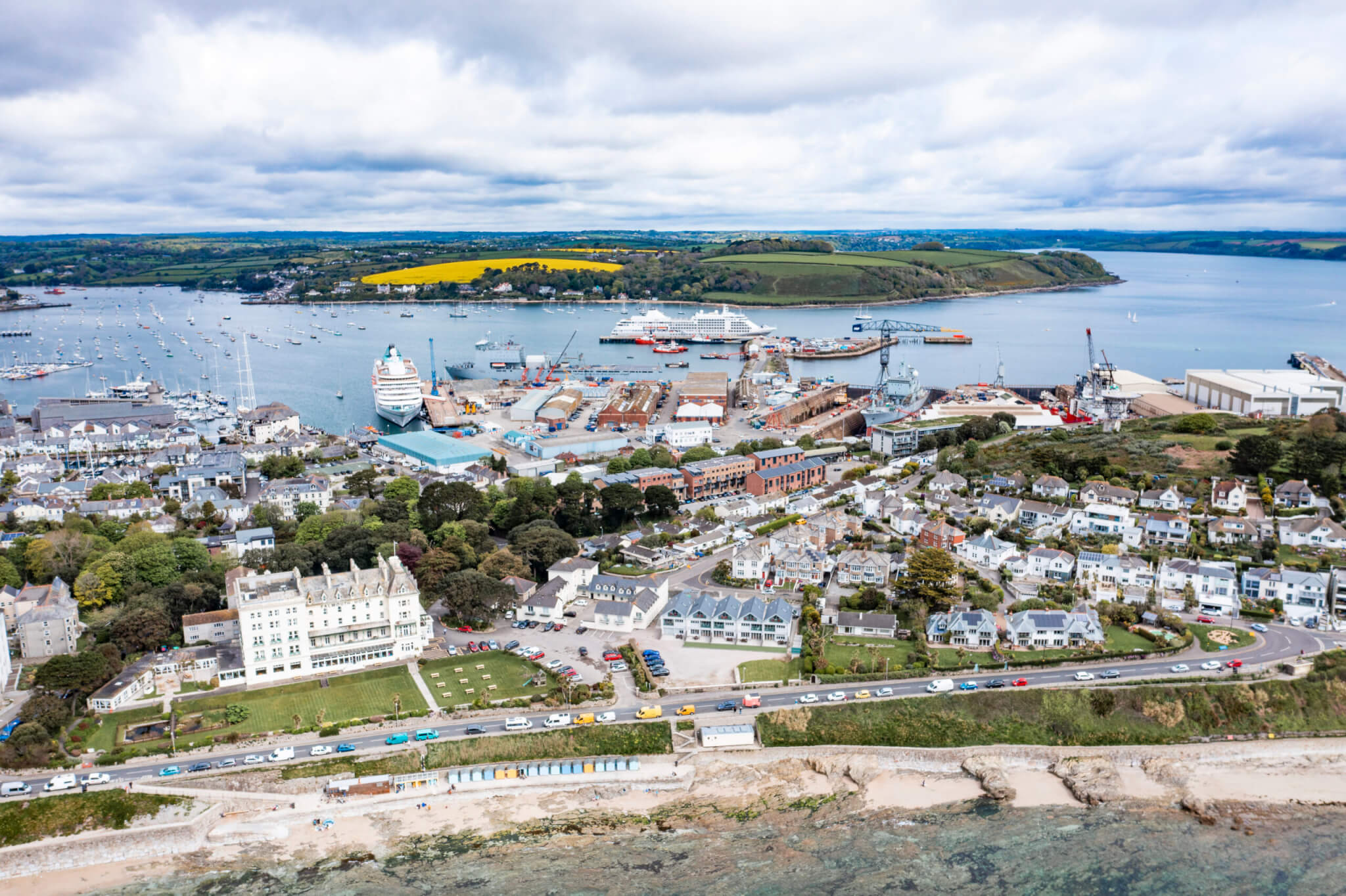
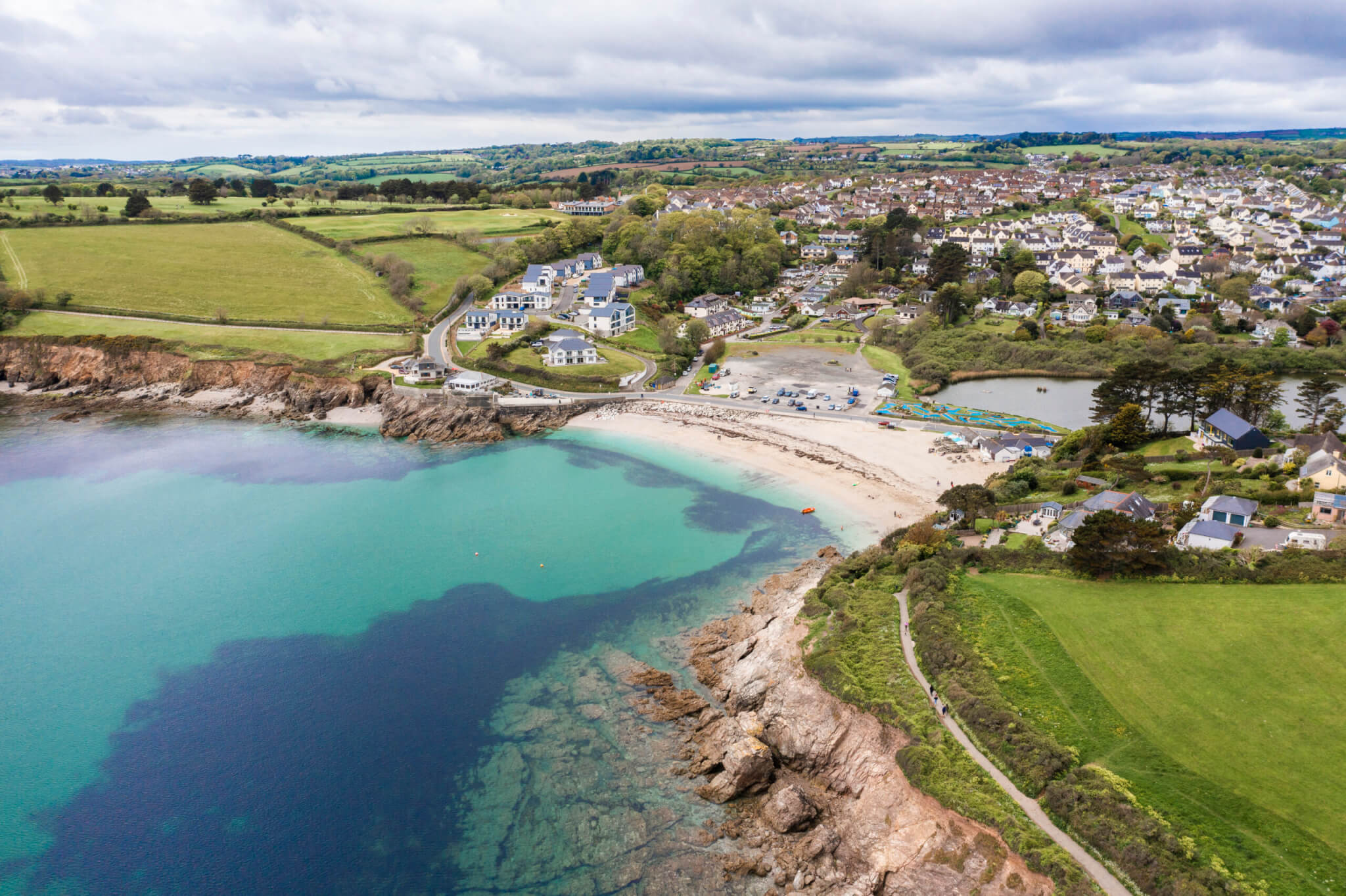
Somewhere between Swanpool and Pendennis Castle, a team of divers is about to start planting a garden that almost nobody will ever see. It sits on the seabed of Falmouth Bay, and it is about to become the centre of the biggest project of its kind the UK has attempted.
The timing is pointed. The Met Office has warned that a marine heatwave around parts of the UK could reach “extreme” levels later this week, and the meadows going into Falmouth Bay are exactly the kind of habitat that gives marine life somewhere to shelter when the water warms.
Your daily dose of Cornwall
News, events and goings on across the Duchy
A £1.8 million plan to rebuild an ecosystem
The UK’s largest-ever seagrass restoration project has launched in Cornwall, a £1.8 million marine recovery programme aiming to bring back an entire underwater ecosystem rather than a single species. Alongside plans to restore 10 hectares of seagrass meadow in Falmouth Bay, the project will restore native oyster populations across the Fal and Helford Special Areas of Conservation.
The programme is called Mor Nature, with Mor being the Cornish word for sea, and it is described as Cornwall’s first seascape-scale marine restoration initiative. It runs for three years and is delivered through a new partnership between the Ocean Conservation Trust and Cornwall Wildlife Trust, combining the Ocean Conservation Trust’s work on large-scale seagrass restoration with Cornwall Wildlife Trust’s lead on native oyster recovery.
£1.4 million of the funding comes from Defra’s Species Recovery Programme, with additional funding partners making up the rest. The work supports the government’s Wild Again: Restoring England’s Wildlife campaign and will contribute towards a 2043 target to increase seagrass by 15% compared to 2024 levels.
The list of partners pulled into the project runs long. It includes Falmouth Harbour, Cornwall Council, the Zoological Society of London, the University of Exeter, the Duchy of Cornwall, Falmouth Marine Conservation Group and other local organisations.
21,000 seedlings grown over the winter
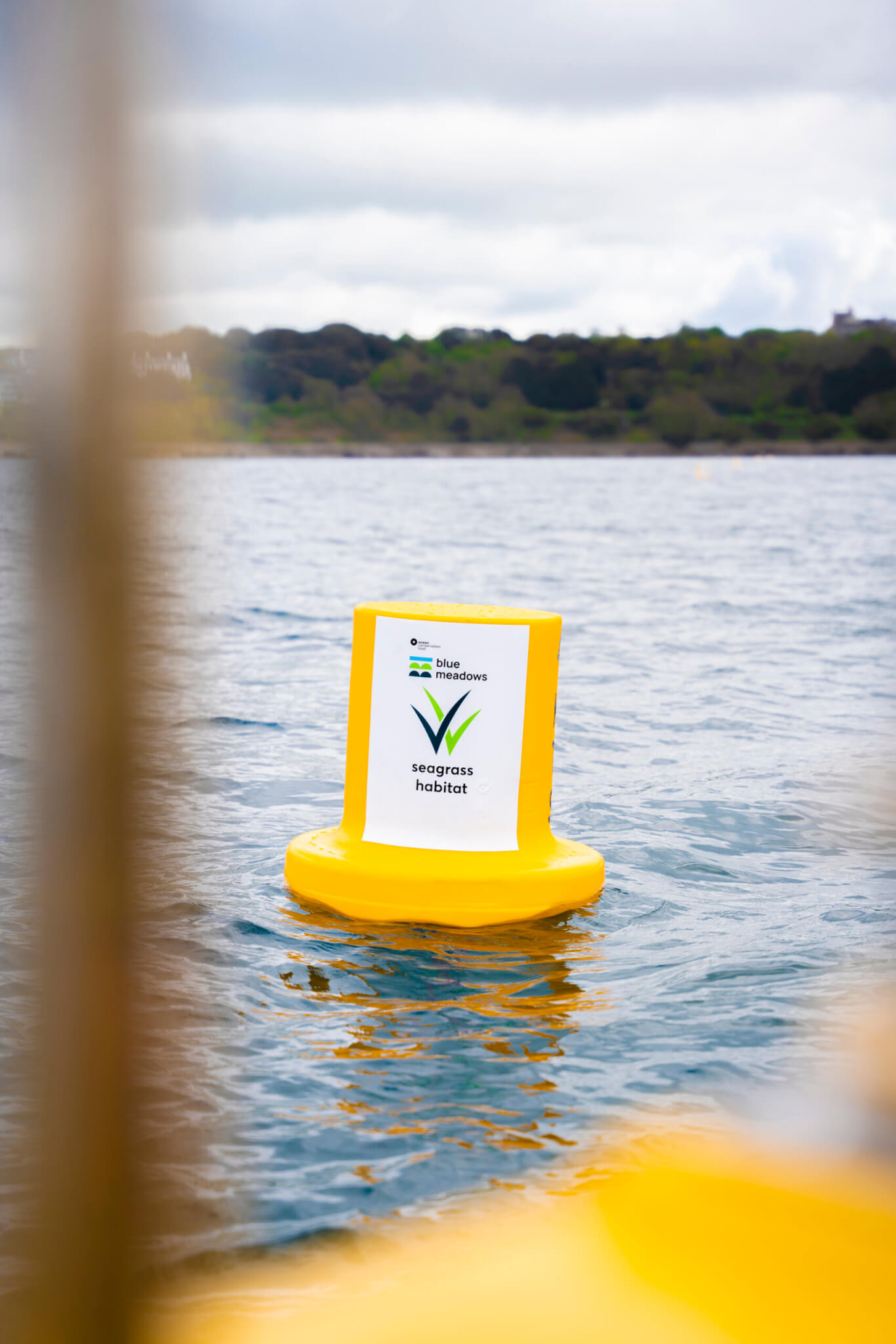
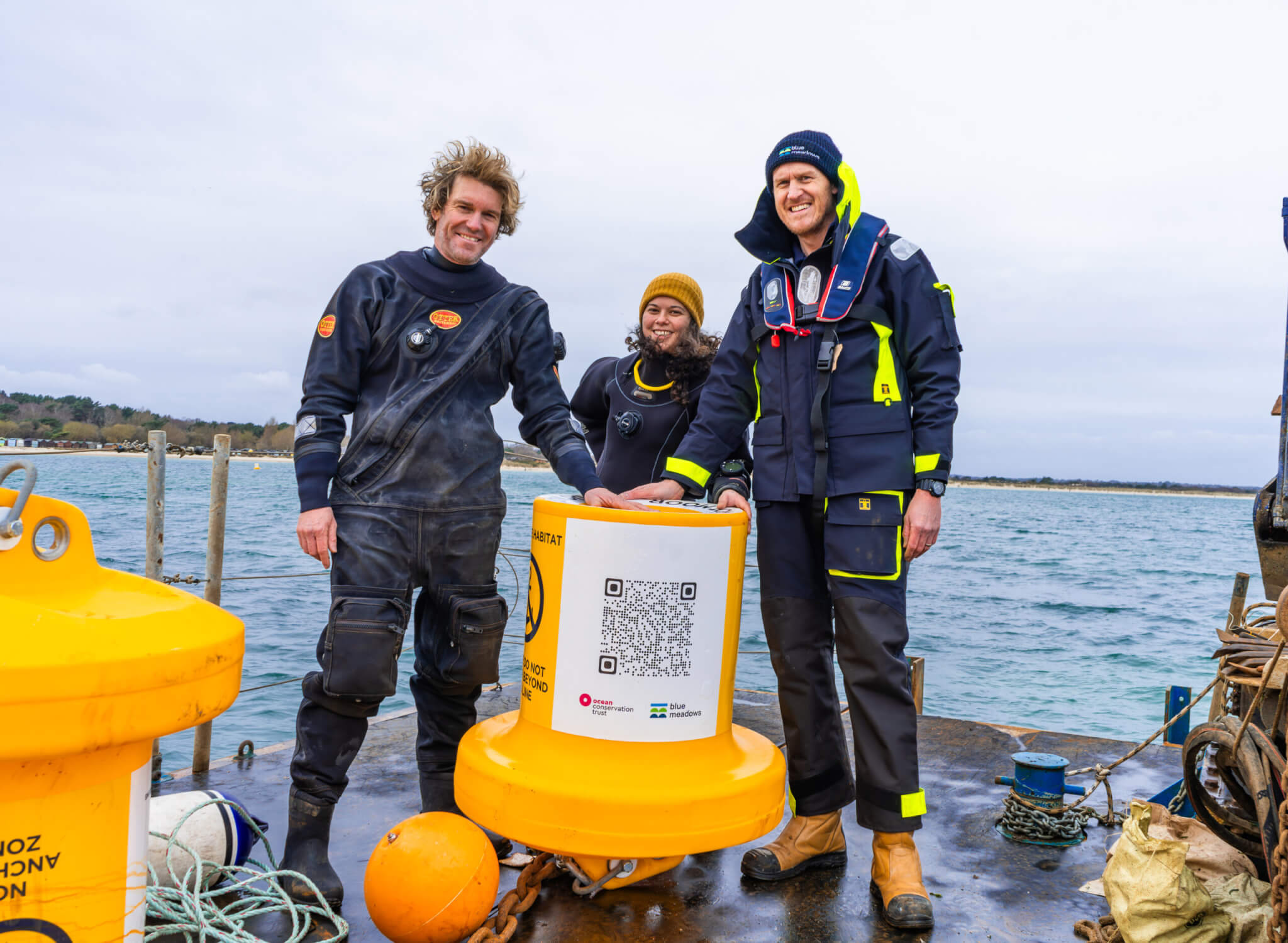
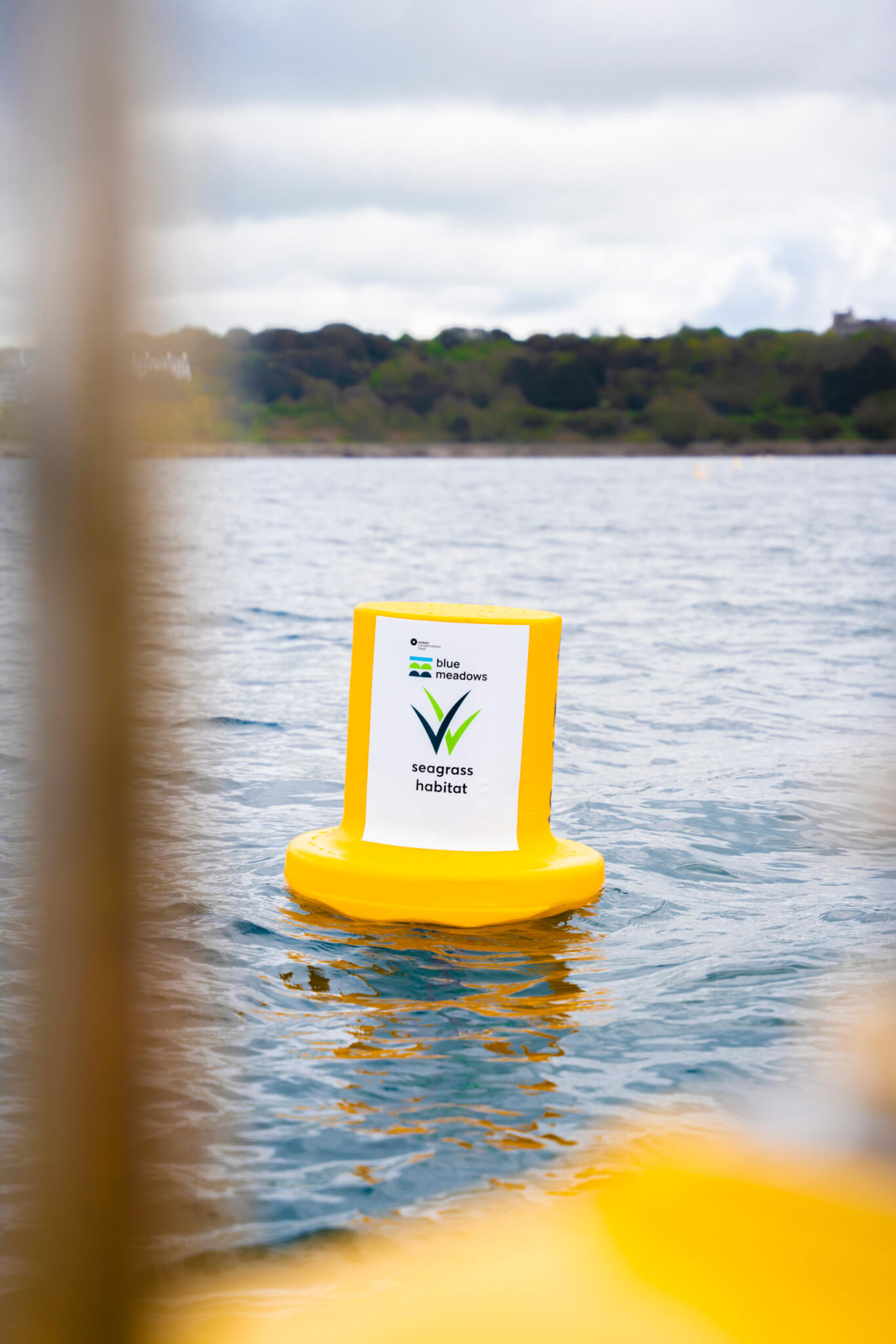
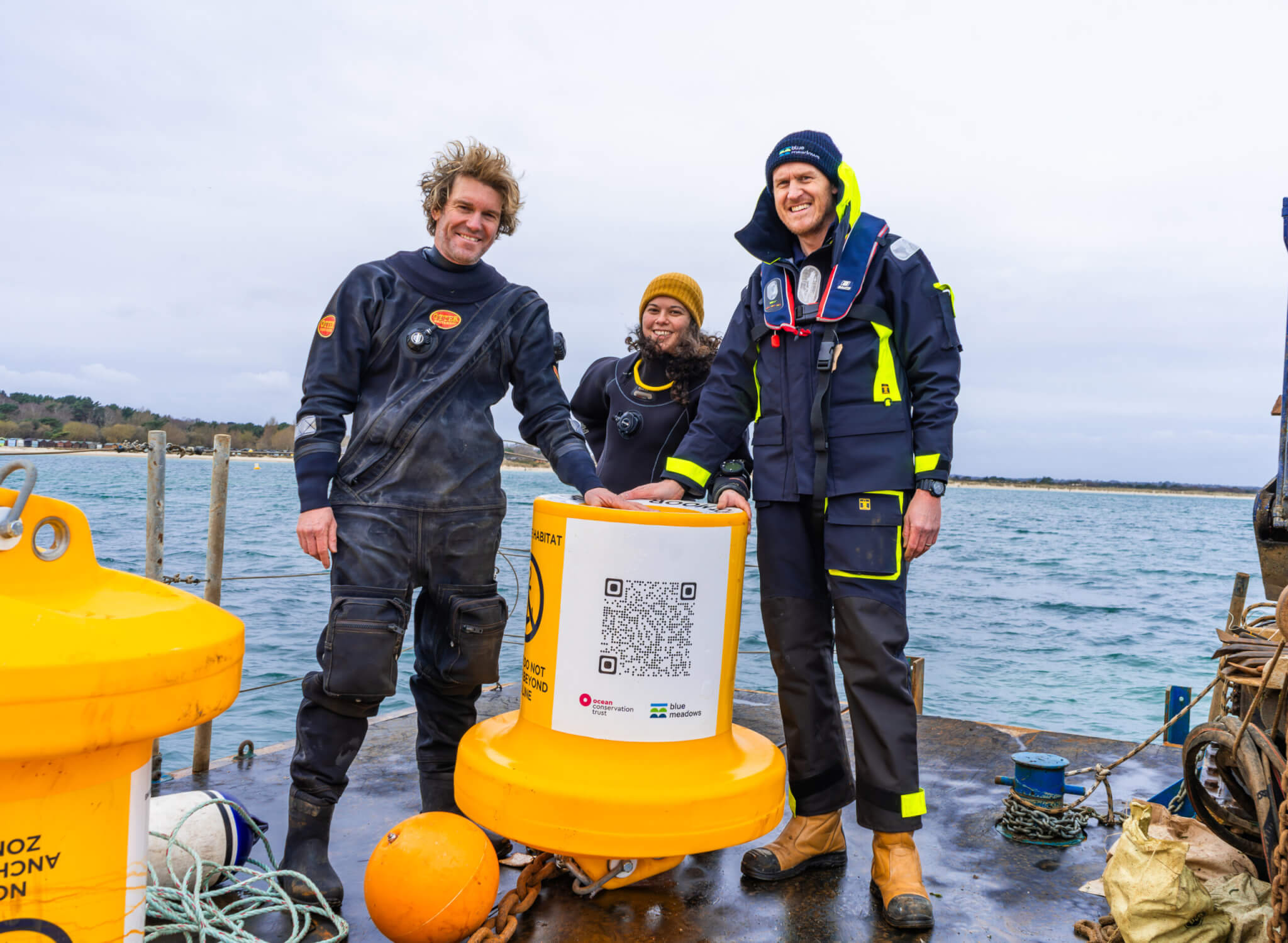
The restoration site stretches between Swanpool and Pendennis Castle in Falmouth Bay. The Ocean Conservation Trust first put protective measures in place there in 2022, installing Sensitive Habitat Marker Buoys and setting up voluntary no-anchor zones.
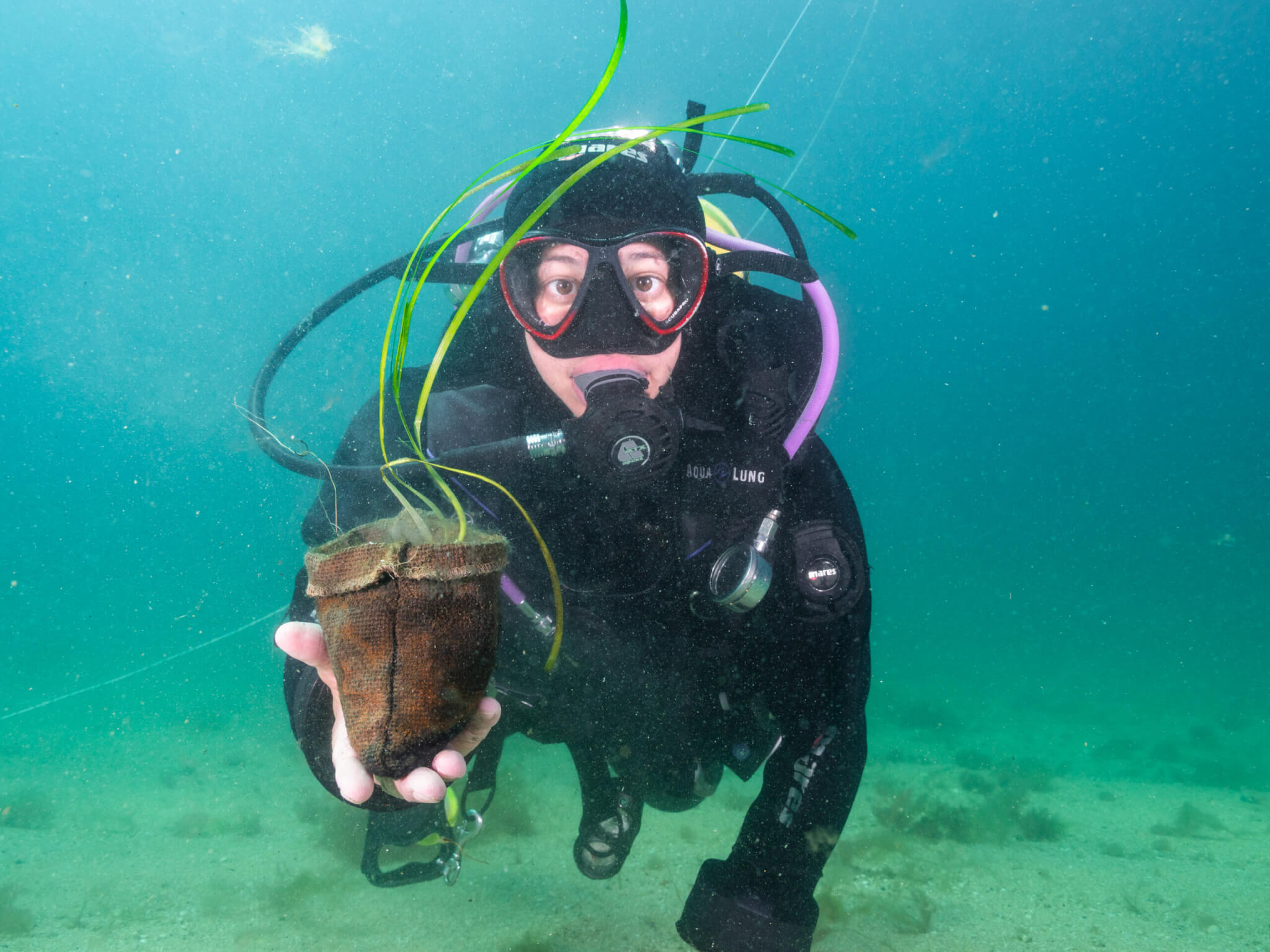
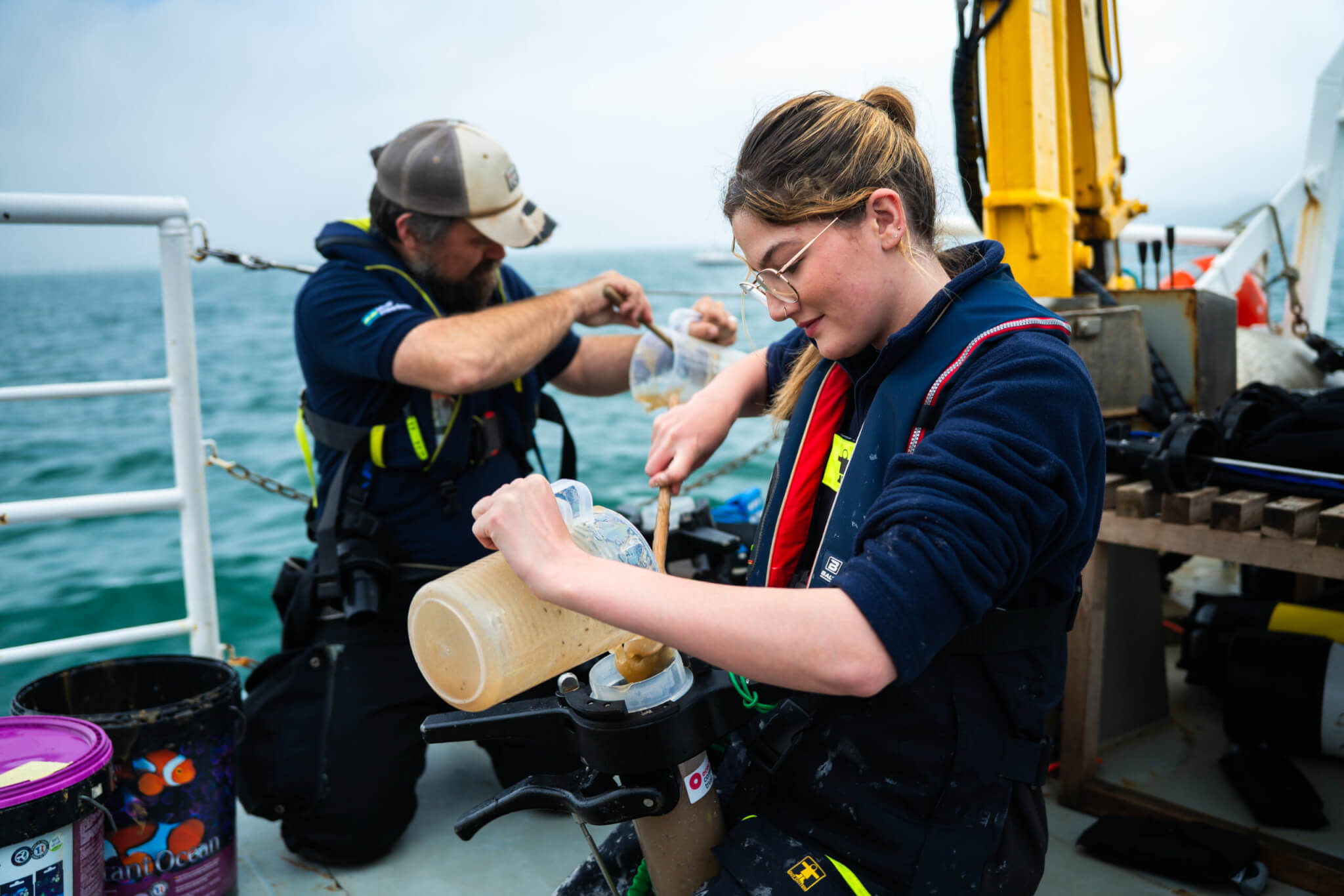
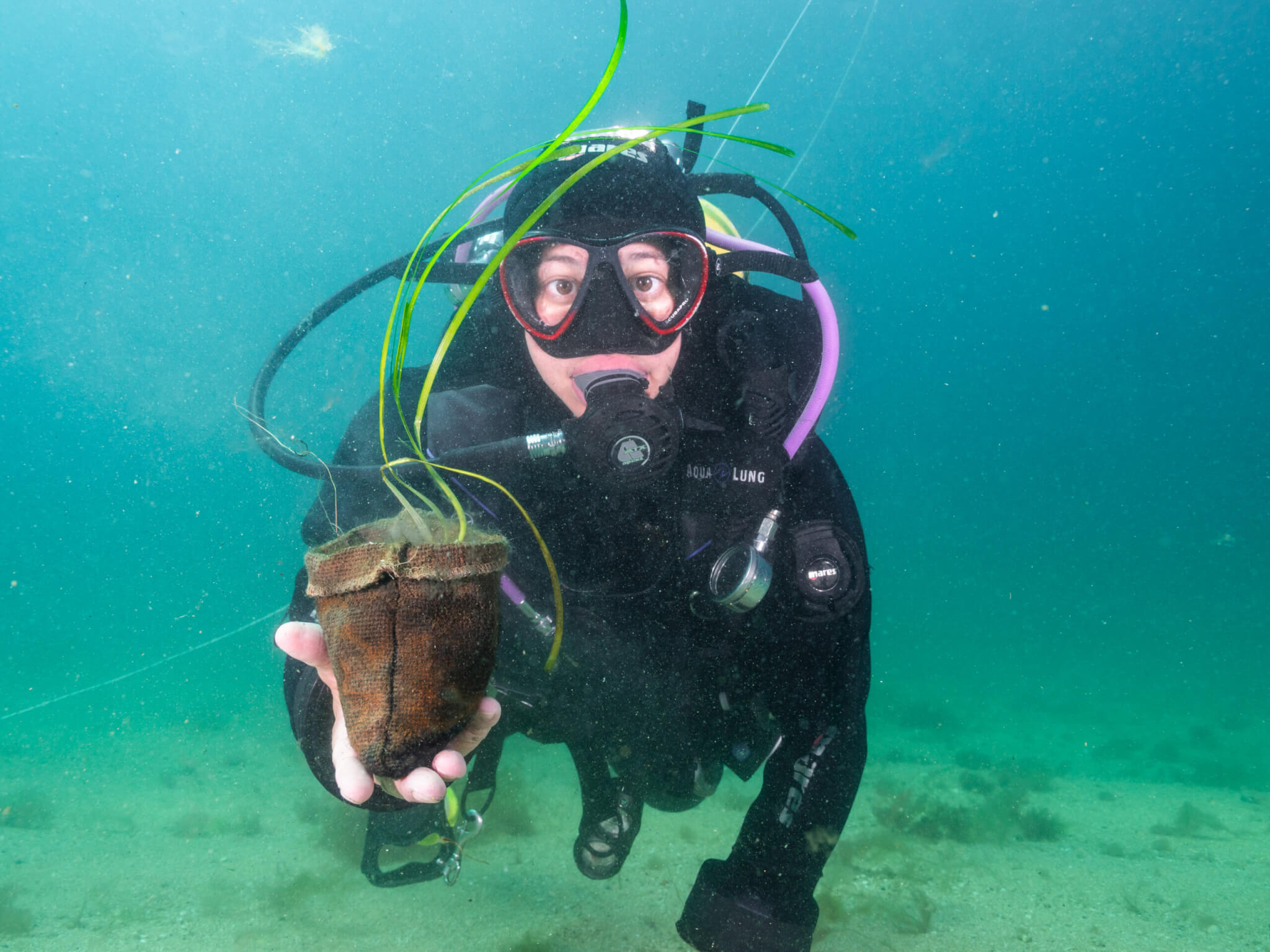
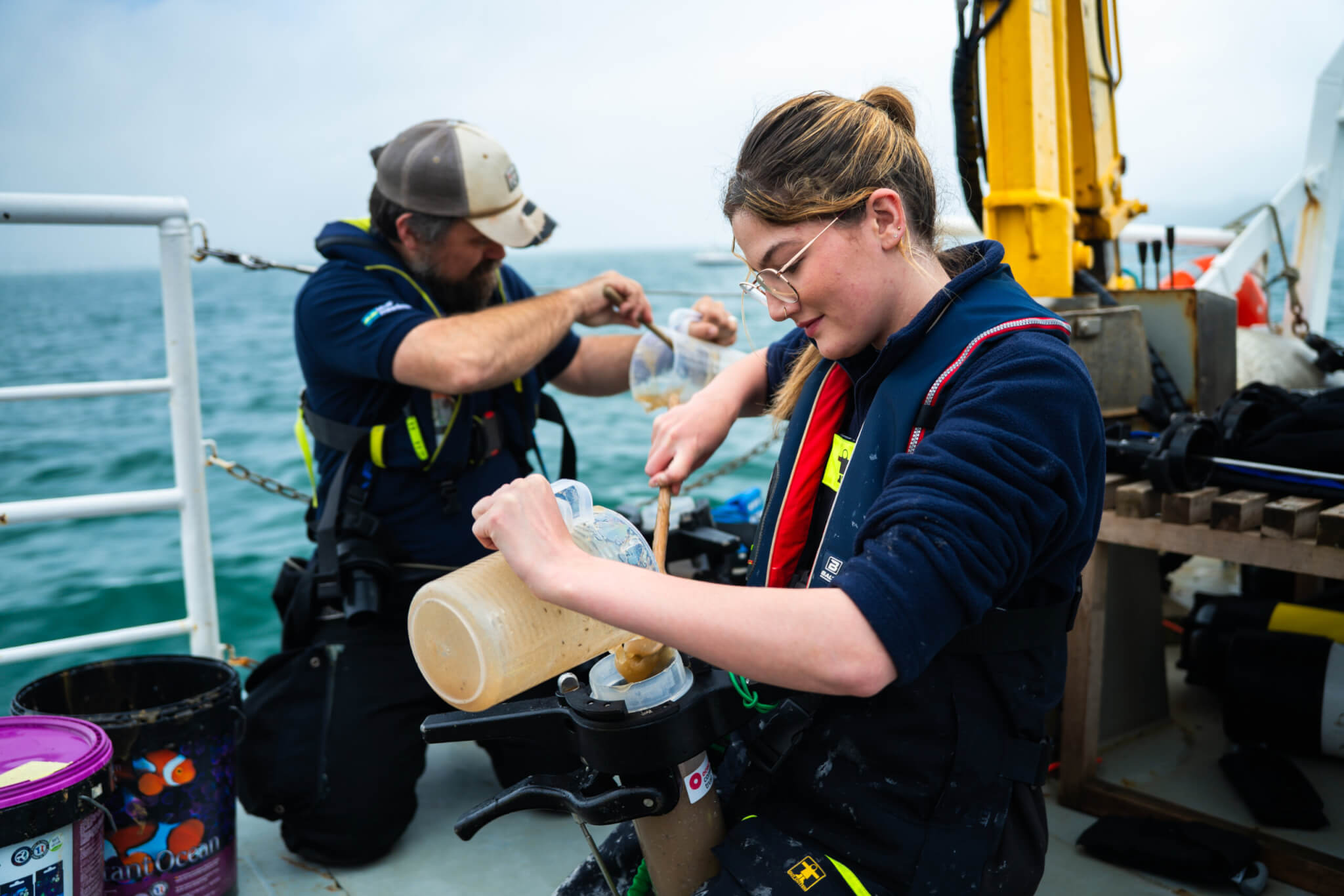
Over the past winter, the charity’s team cultivated more than 21,000 seagrass seedlings at its National Seagrass Nursery. Those plants will now be moved into the restoration site, alongside thousands of additional seeds deployed using restoration technology the charity has developed.
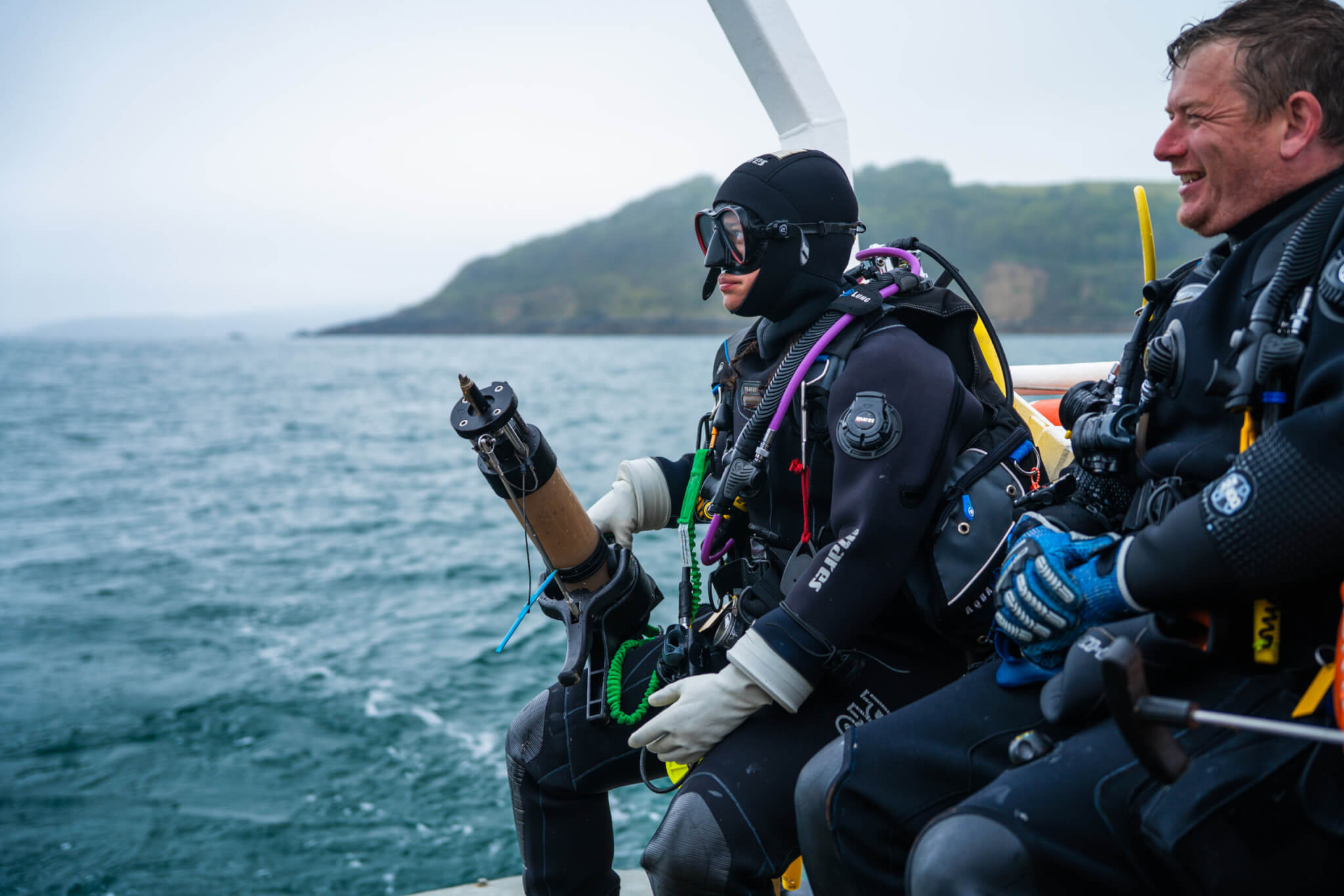
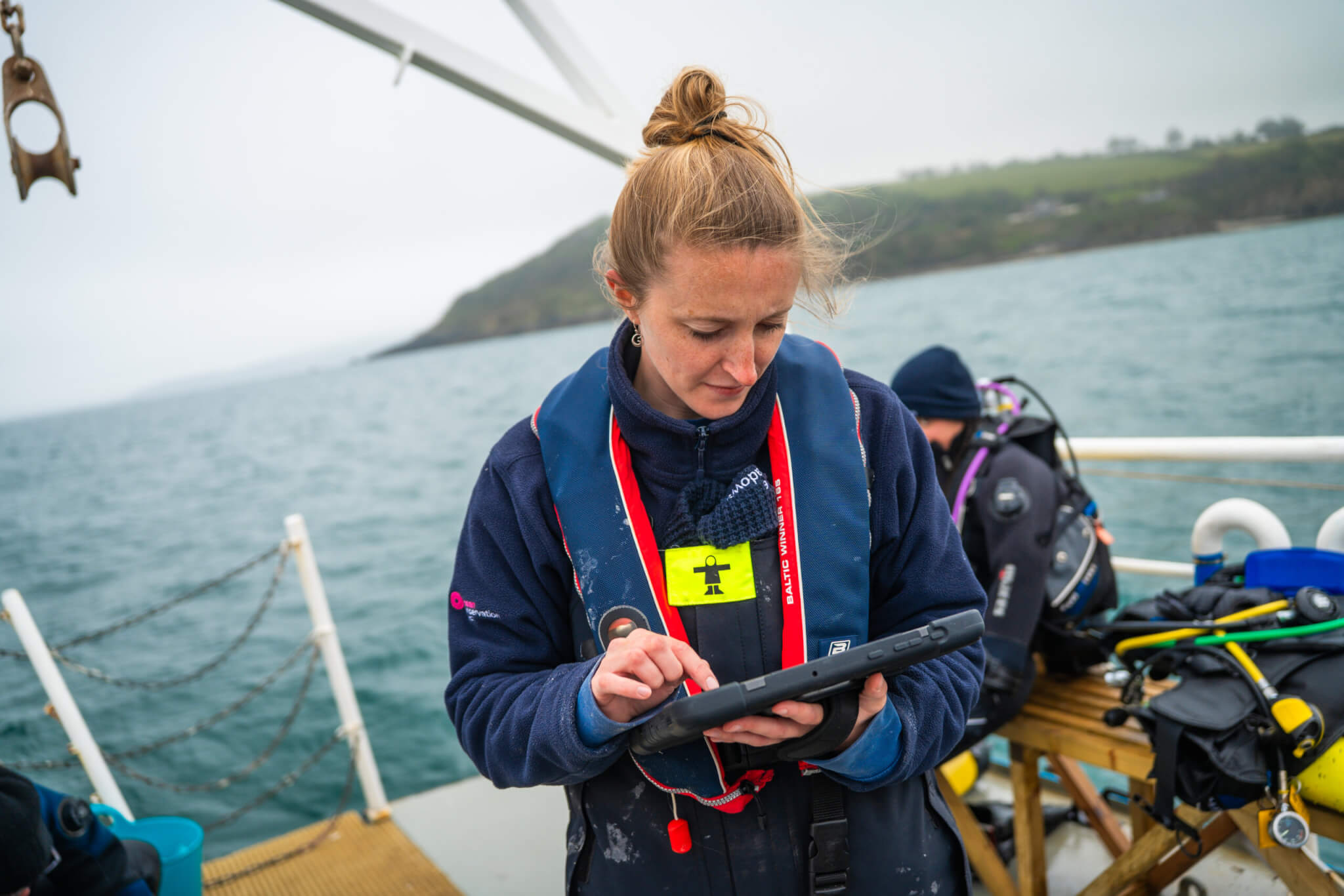
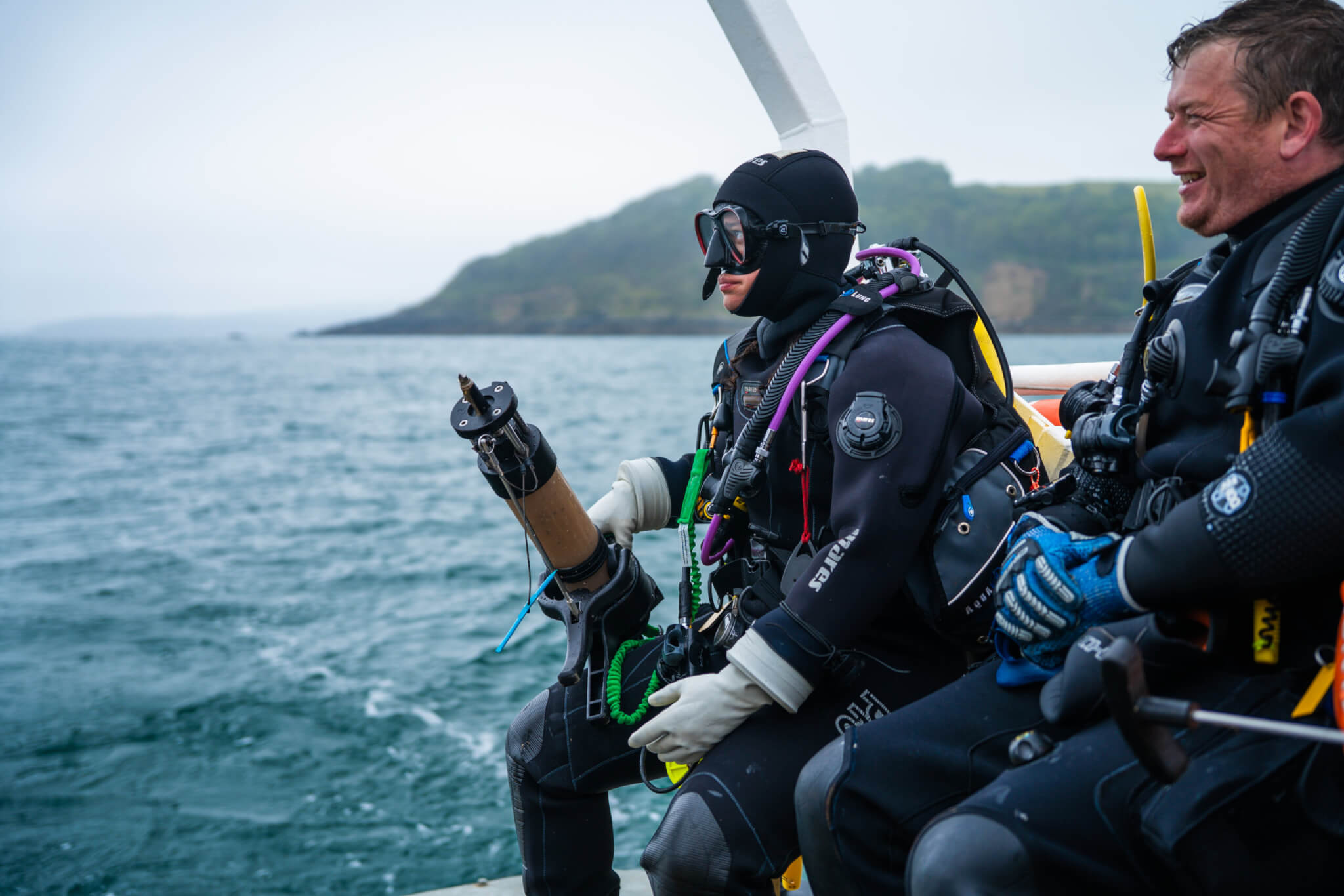
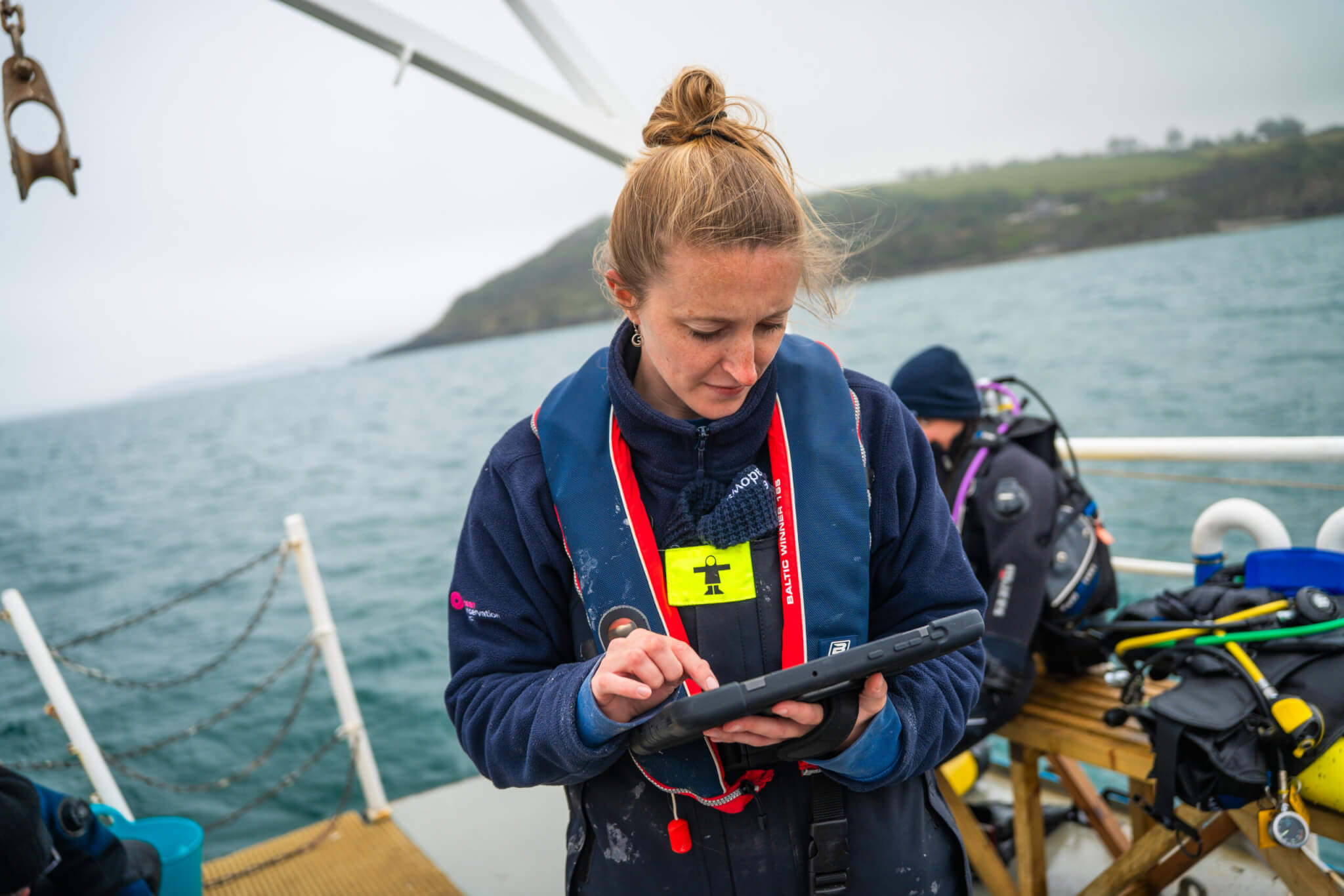
None of it is quick. The work needs months of cultivation, specialist logistics, vessel operations and underwater installation by trained divers, all while dealing with changing tides, weather and poor underwater visibility.
Andy Cameron, Conservation Project Manager at the Ocean Conservation Trust, said: “Mor Nature represents a major milestone for marine restoration in the UK. We’re not simply planting seagrass; Mor Nature represents the holistic cultivation of an entire underwater garden, nurturing the relationships between interdependent species and habitats that will allow a plethora of marine life to thrive. We’re helping to rebuild an interconnected marine ecosystem that supports wildlife, strengthens coastal resilience and delivers benefits for local communities.”
He said the project shows what is possible when conservation organisations, local communities, government and industry work together to restore nature at scale.
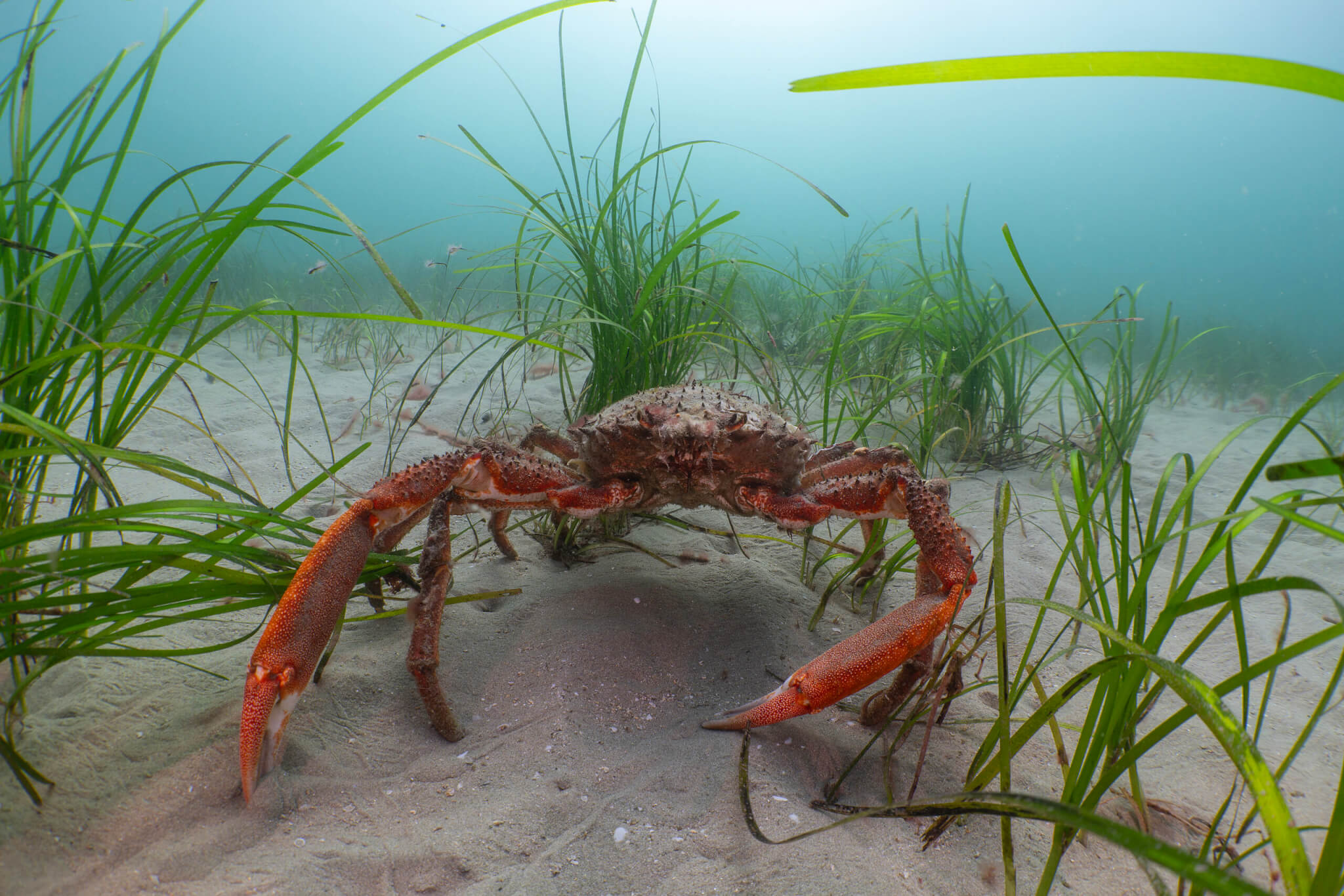
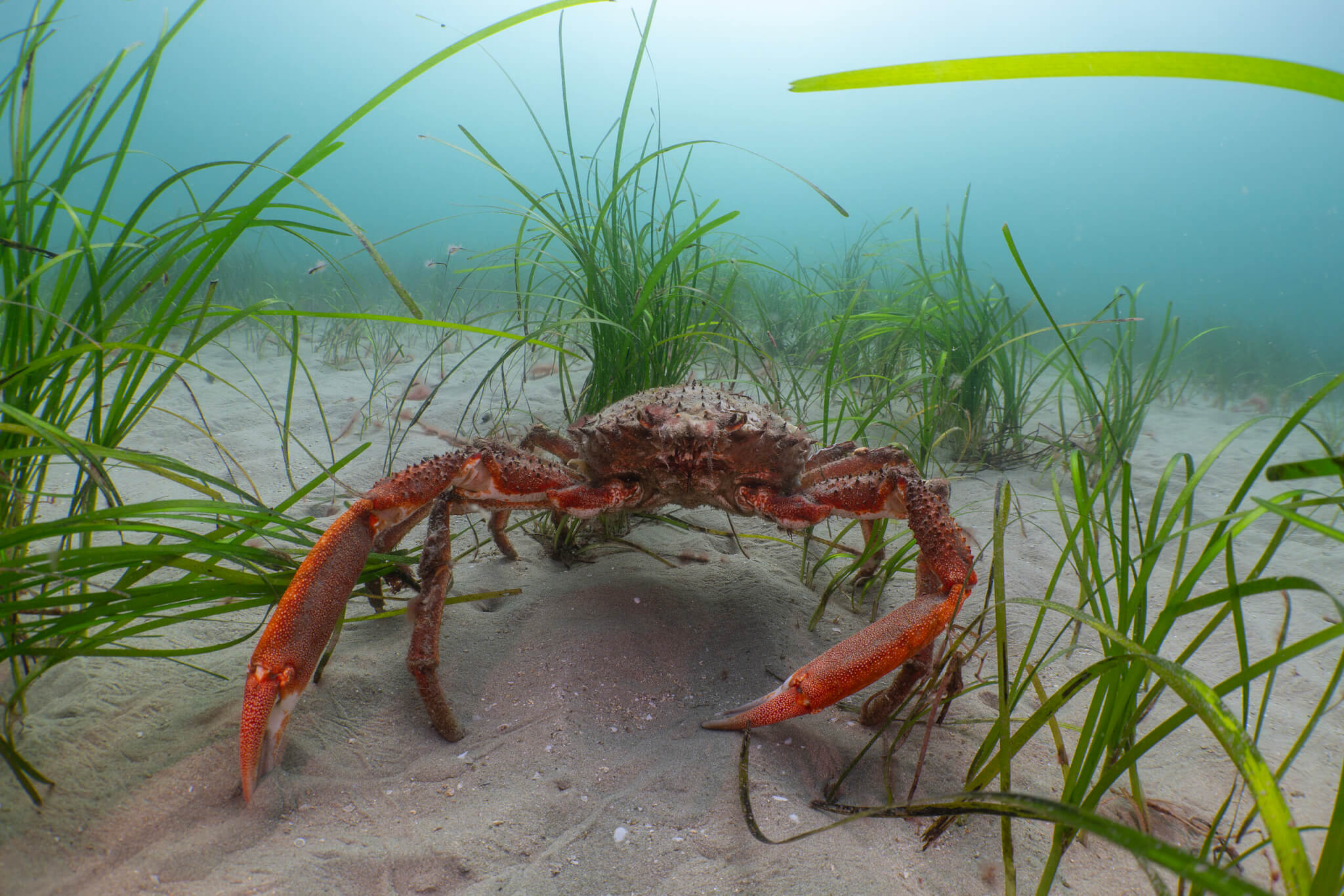
The partners hope the restored habitat will support species including seahorses, spider crabs, cuttlefish, bass and sharks.
Bringing back Cornwall’s oysters
Native oysters were once a defining feature of Cornwall’s seas. Oyster reefs built complex underwater habitats that supported wildlife, fisheries and coastal communities, and they are now one of the UK’s most threatened marine habitats. An estimated 95% of European oyster reefs have been lost.
Cornwall Wildlife Trust is leading the oyster work along with the intertidal seagrass restoration. It will map and monitor existing meadows, expand its network of intertidal restoration sites, and work with fishers and community groups to set up new oyster nurseries in the Helford.
Dr Dan Barrios-O’Neill, Head of Marine Conservation at Cornwall Wildlife Trust, said: “Native oysters were once a defining feature of Cornwall’s seas, creating thriving underwater habitats that supported wildlife, fisheries and coastal communities. Through Mor Nature, we have an opportunity to restore not only oyster populations, but the ecological functions they provide.”
He said the Trust’s approach puts the community first, working with local fishers, its Your Shore community group network and citizen scientists.
Oysters and seagrass work well together. Oyster reefs help clean the water, which lets more sunlight reach the seabed, and seagrass stabilises sediment and shelters marine life. Restoring both at once is meant to produce a healthier result than either would alone.
Your daily dose of Cornwall
News, events and goings on across the Duchy
Robots on the seabed
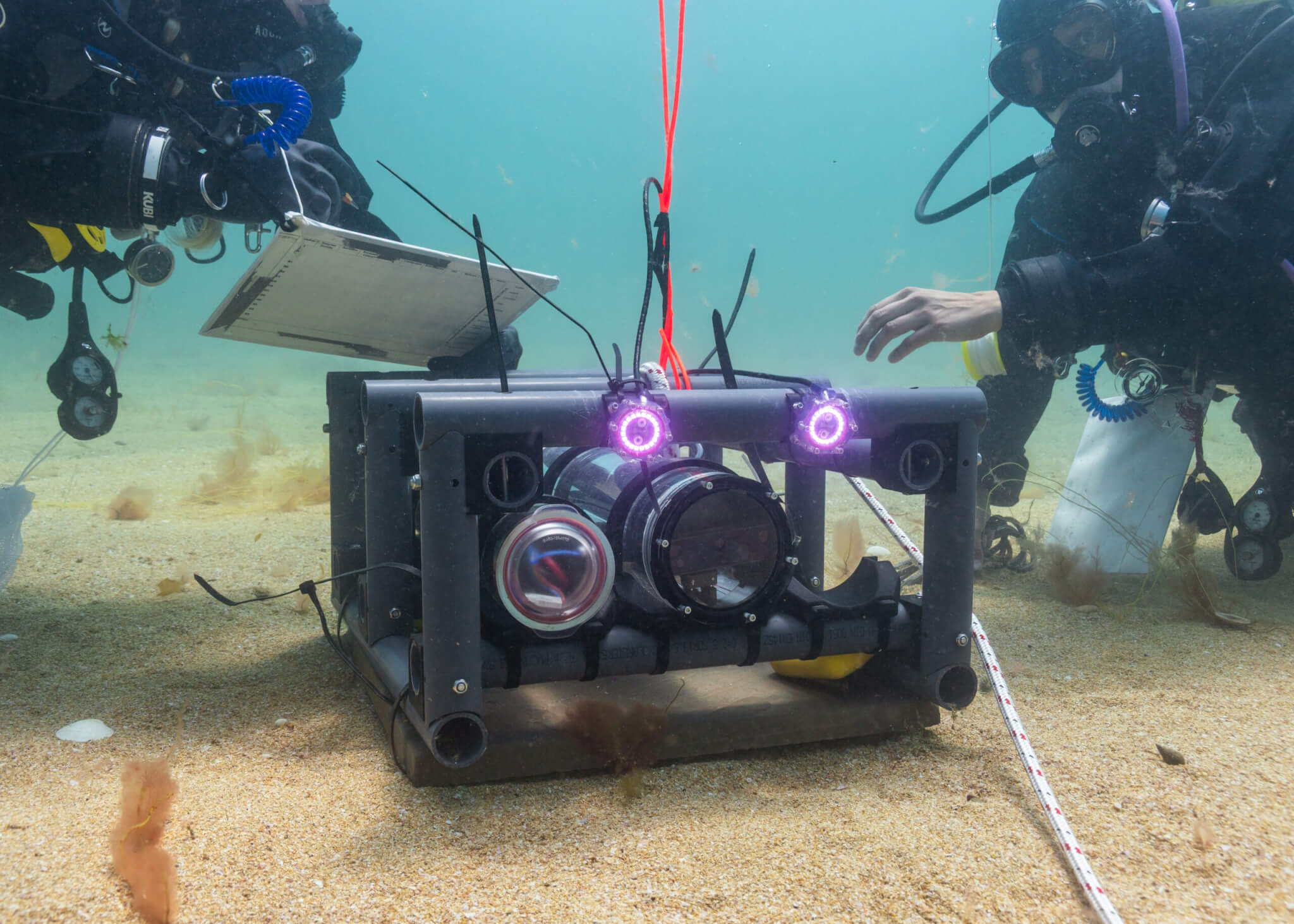
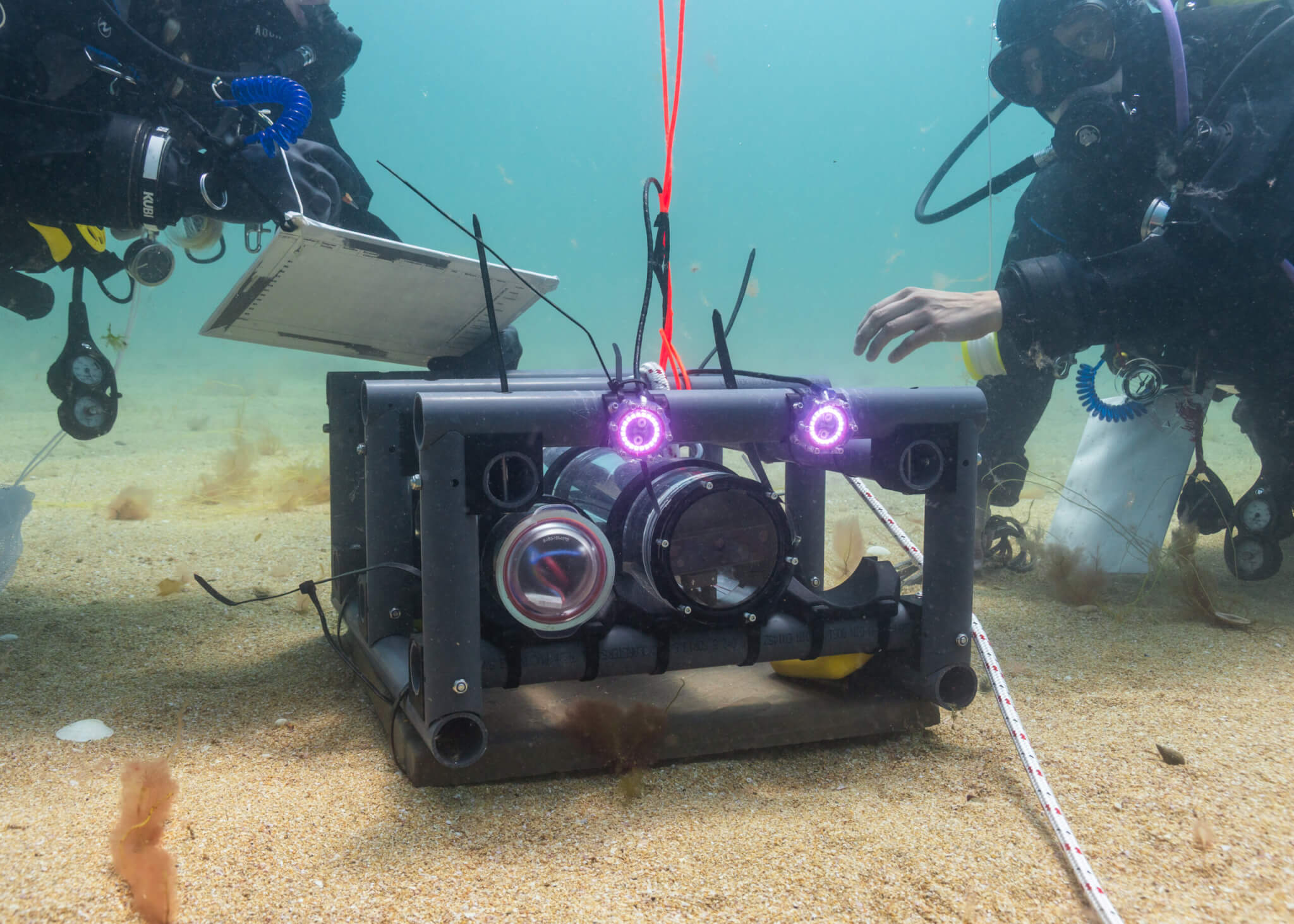
Part of Mor Nature doubles as a test bed for how marine restoration might be done at scale in future. Through a scheme called Project AMPERES, the Ocean Conservation Trust is trialling automated and robotic restoration technology. Two machines, the Meadow Maker and the Automatic Seagrass Planter, are designed to speed up the planting process.
The funding will pay for trials of each machine on a small patch of the meadow. The vast majority of the 10 hectares, though, will still be planted the hard way, by the charity’s specialist divers.
Why any of this matters
Seagrass is one of the most productive habitats on the planet. A single hectare can support 80,000 fish and 100 million small invertebrates, and the meadows shelter rare species such as seahorses and stalked jellyfish. They also lock away carbon, absorbing it up to 35 times more efficiently than tropical rainforests, and filter the water around them.
To keep people connected to what is happening offshore, Mor Nature will run citizen science projects, snorkel safaris and educational events across its three years.
The first plants go into a bay whose water, according to the Met Office, may be about to get a lot warmer.
Read Next
Share This Story, Choose Your Platform!
To keep up with the latest cornish news follow us below
Follow CornishStuff on Facebook - Like our Facebook page to get the latest news in your feed and join in the discussions in the comments. Click here to give us a like!
Follow us on Twitter - For the latest breaking news in Cornwall and the latest stories, click here to follow CornishStuff on X.
Follow us on Instagram - We also put the latest news in our Instagram Stories. Click here to follow CornishStuff on Instagram.
- 1
- 2
- 3
- 4
- 5
- 6