The Cornwall kitchen habit that could put you at risk
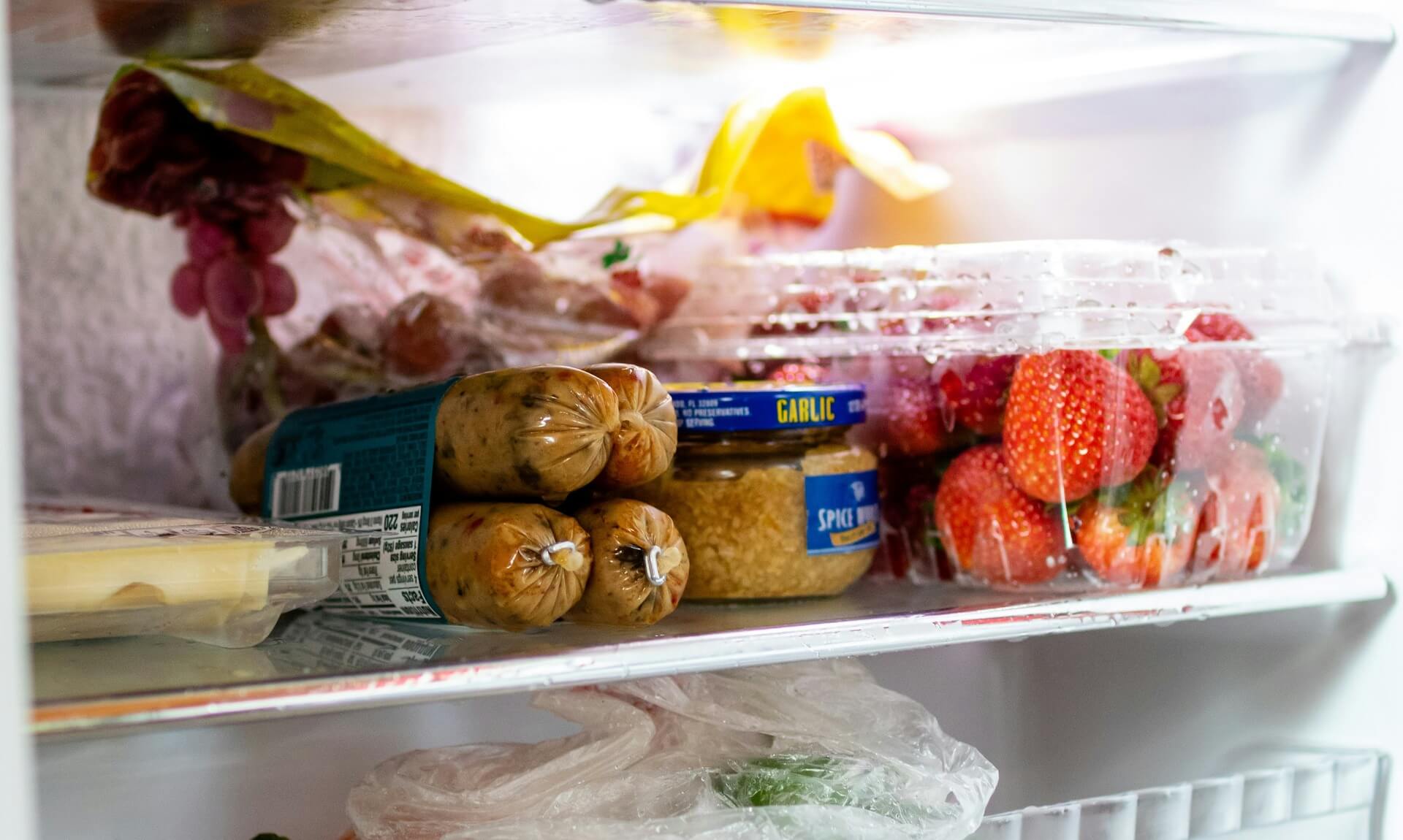
Fridge, sink or microwave? It sounds like a trivial choice, but food hygiene trainers say the way you defrost your dinner can be the difference between a safe meal and a bout of food safety trouble. Freezing does not kill the bacteria already sitting in your meat, poultry or fish, it just sends them to sleep, and getting the thaw wrong is one of the easiest ways to wake them back up.
Your daily dose of Cornwall
News, events and goings on across the Duchy
Why thawing matters
Dr Richard Anderson, Learning Experience Director at High Speed Training, explained the science behind it. “Freezing food doesn’t usually kill harmful bacteria. The cold temperature halts or slows their growth, leaving the bacteria dormant until the food thaws. As food warms, bacteria can become active again and multiply, particularly if it is left at unsafe temperatures for too long. This is why it’s important to thaw food correctly.”
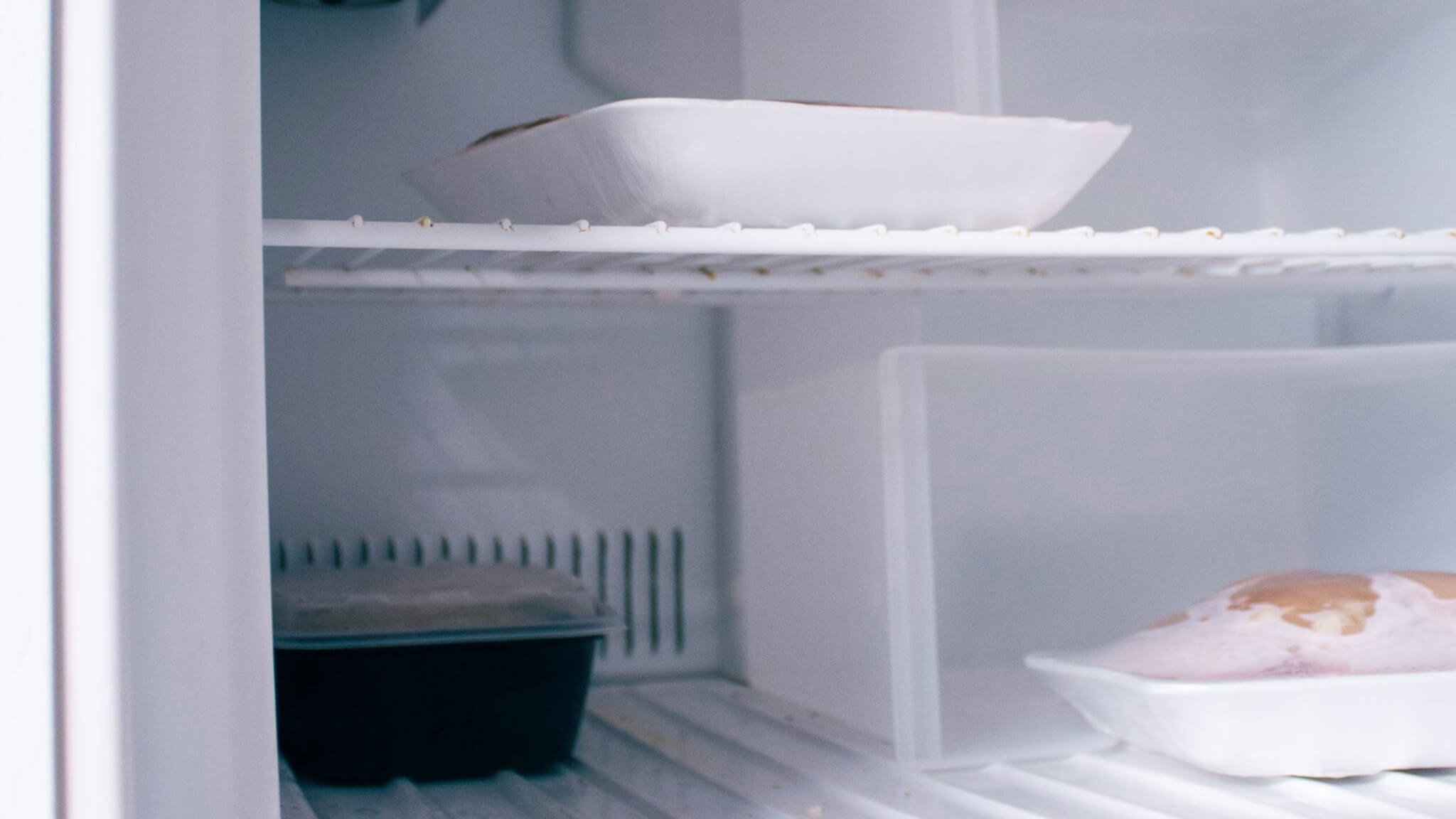
How to safely thaw and defrost your food
Fridge
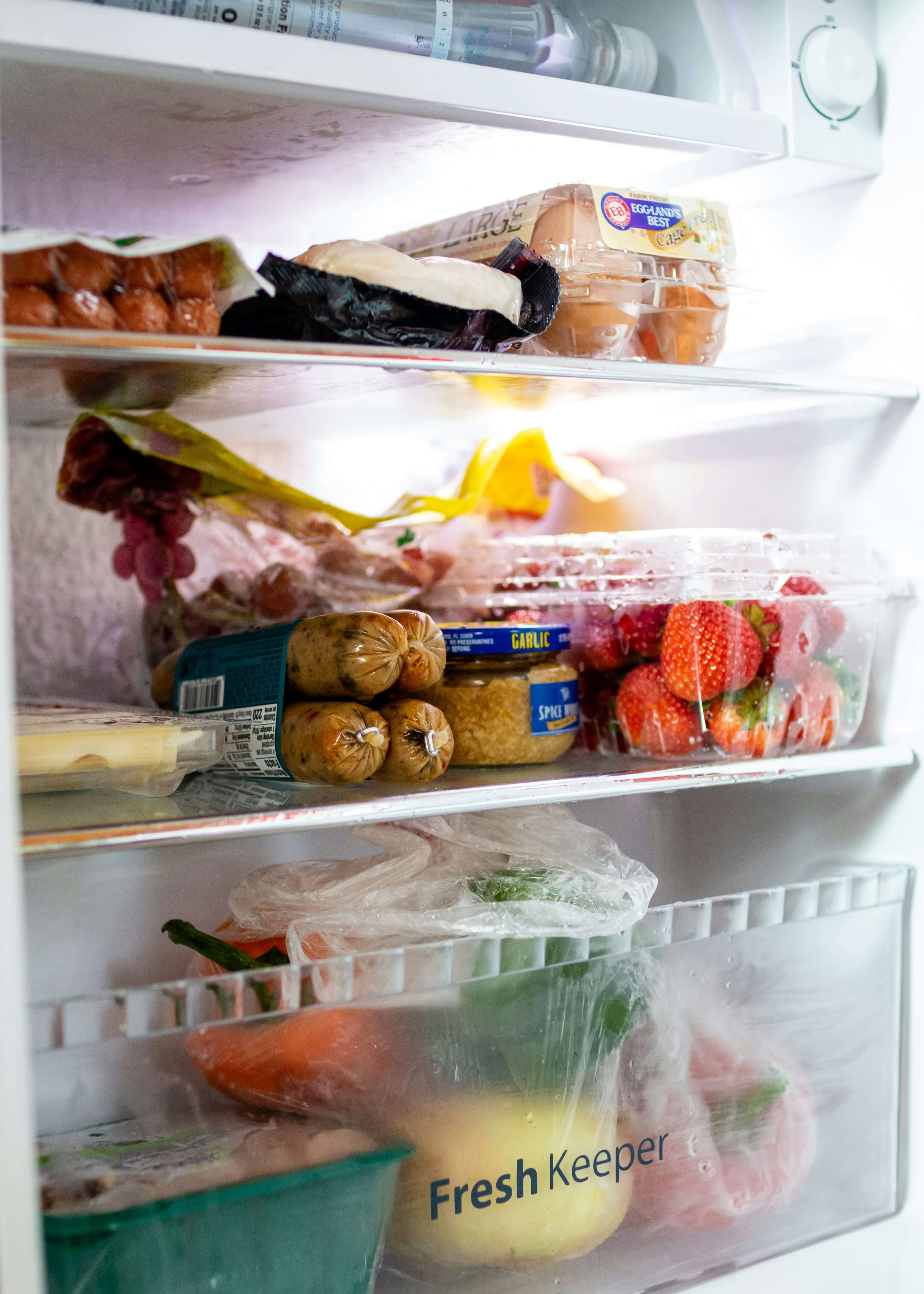
This is generally the safest method, because the food stays cold the whole time it thaws. The trade-off is time. Larger or thicker items can take several hours, or even overnight, to fully defrost, so it needs planning ahead rather than a last-minute decision. Keep the food covered or in its original packaging, and put raw meat, poultry and fish on a plate or in a container to catch any liquid that escapes. Store raw foods away from ready-to-eat foods to avoid cross-contamination, with raw meat and poultry on the bottom shelf, and make sure the fridge itself is running at 5°C or below.
Your daily dose of Cornwall
News, events and goings on across the Duchy
Microwave
A microwave will defrost food quickly, but parts of it can start to warm or even cook during the process, so whatever comes out needs to go straight into the pan or oven afterwards rather than sitting around. Use the microwave’s defrost setting where one is available, and follow the manufacturer’s instructions for both the food and the appliance. Turn or rotate the food if needed so it thaws evenly, and check the centre before assuming it is fully defrosted.
Water
Cold water can be used for some foods, though the fridge is still the safer option. Keep the food securely packaged throughout so it cannot come into contact with anything else. Never reach for warm or hot water to speed things along. It can leave the outside of the food warm enough for bacteria to start multiplying while the centre is still frozen solid.
Dr Anderson added a step that is easy to miss. “Before defrosting food, always check the packaging for instructions as some frozen foods are designed to be cooked directly from frozen and don’t need to be thawed first. If the packaging provides specific defrosting or cooking instructions, follow these carefully.”
Ten tips for defrosting food without the risk
High Speed Training’s food safety trainers have put together ten rules that cut the risk of contamination and food poisoning when handling frozen food.
- Defrost food in the fridge wherever possible.
- Never leave food that needs refrigeration to defrost at room temperature.
- Keep raw meat, poultry and fish separate from ready-to-eat foods.
- Use a plate or container to catch liquid released during defrosting.
- Make sure food is fully defrosted before cooking, unless the manufacturer’s instructions state that it can be cooked from frozen.
- If using a microwave to defrost food, cook it immediately afterwards.
- Follow the manufacturer’s instructions for packaged frozen food.
- Wash your hands and clean all surfaces and utensils after handling raw meat, poultry or fish.
- Keep fully defrosted food refrigerated until it is ready to be cooked.
- Never refreeze defrosted food unless it is safe to do so.
“Taking care when thawing and defrosting food is a simple way to reduce the risk of food poisoning and cross-contamination,” Dr Anderson concluded. “By keeping food cold while it thaws, following the manufacturer’s instructions for ready-made foods and taking extra care with raw meat, poultry and fish, you can ensure your food remains safe to eat.”
More guidance is available on the High Speed Training Hub, including its own guide to thawing and defrosting food safely.
Read Next
- Wanted People CornwallHe has a home address on St Mary's.
Share This Story, Choose Your Platform!
To keep up with the latest cornish news follow us below
Follow CornishStuff on Facebook - Like our Facebook page to get the latest news in your feed and join in the discussions in the comments. Click here to give us a like!
Follow us on Twitter - For the latest breaking news in Cornwall and the latest stories, click here to follow CornishStuff on X.
Follow us on Instagram - We also put the latest news in our Instagram Stories. Click here to follow CornishStuff on Instagram.
- 1
- 2
- 3
- 4
- 5
- 6