The long working weeks behind some of Cornwall’s biggest industries
If you spend your days on a farm, a building site or behind a busy kitchen pass, your week is probably running longer than most. A new look at national figures puts several of the industries Cornwall leans on most at the wrong end of the table for hours.
The study by CV builder CVMaker used the Office for National Statistics’ Annual Survey of Hours and Earnings to rank UK industries by the average number of hours employees work each week. The national average across all industries is 39.1 hours.
Farming tops the long-hours list
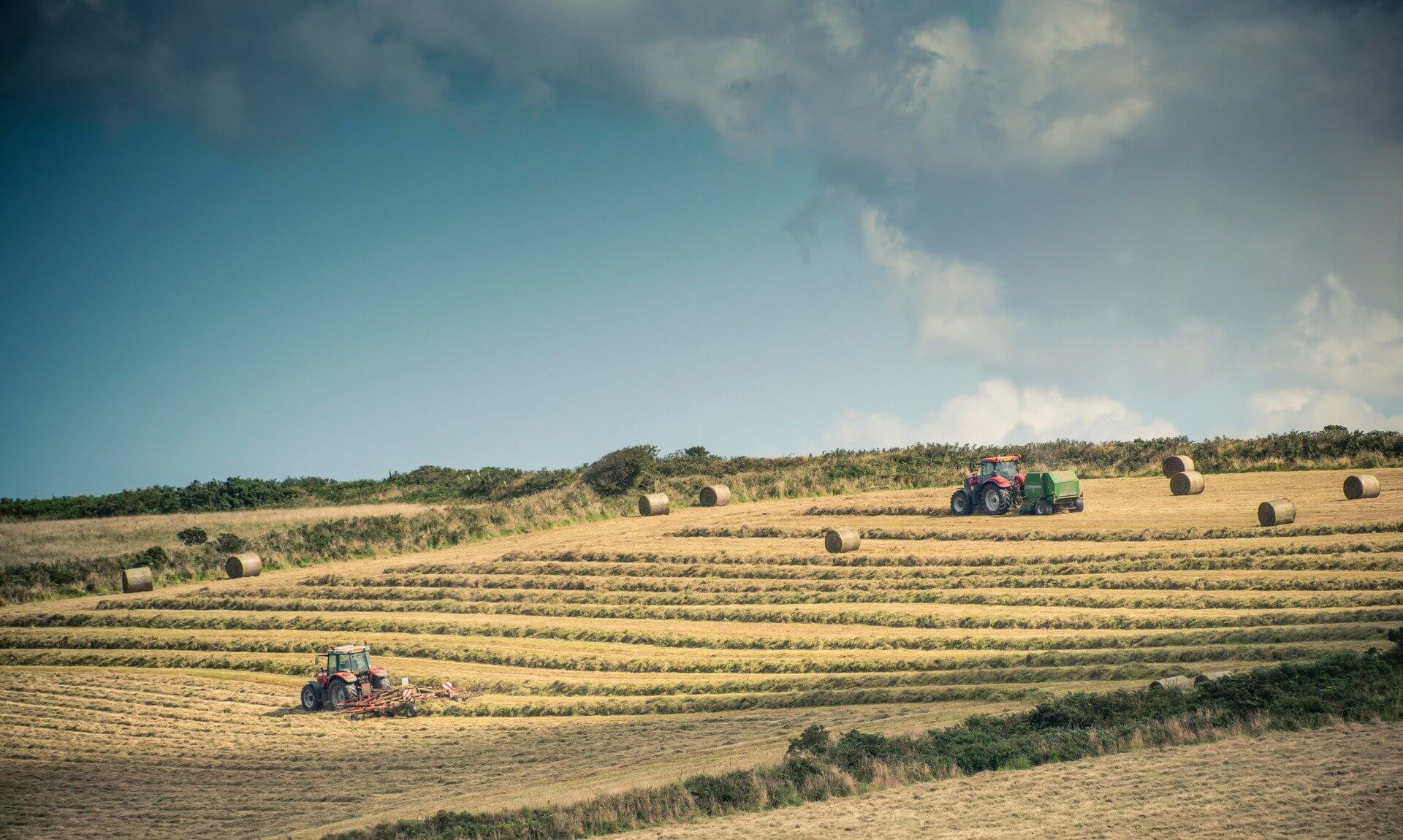
Agriculture, forestry and fishing has the longest working week in the UK, at an average of 42.7 hours. That’s 9.2% longer than the national average, and 7.5 hours a week more than people working in education.
Transportation and storage is second at 42 hours. Construction and water supply and waste management share third place on 41.3 hours, with accommodation and food services fourth at 40.4 hours. Administrative and support services rounds off the top five at 40.1 hours.
Several of those sit close to home. According to Census 2021 figures published by Cornwall Council, construction and accommodation and food services are two of the five largest employment sectors in Cornwall. Construction was also one of the fastest growing, adding 5,298 jobs (up 24.1%) between 2011 and 2021.
The shortest weeks are in the classroom
At the other end of the table, education has the shortest working week, at 35.2 hours. That’s 10% less than the UK average. Education is another of Cornwall’s five biggest employers, alongside wholesale and retail and health and social work. Together, those five sectors account for 60% of all jobs in Cornwall.
Finance and insurance is second at 36 hours. Professional, scientific and technical activities sits level in third with “other service activities”, both on 37.6 hours. Information and communication follows on 38 hours, then real estate on 38.1 hours.
Health and social work, the sector that grew most in Cornwall between 2011 and 2021 (up 6,778 jobs, or 20.5%), comes eighth out of 16 at 38.7 hours a week.
Women work fewer hours in every industry
When the figures are split by gender, women work fewer hours than men in every single industry.
The smallest gap is in finance and insurance, at just 0.4 hours a week. The biggest is in water supply and waste management, where men work 4.1 hours more. Women working in education put in an average of 34.8 hours a week, the fewest of any group in the study.
Nicky Klaasse, CEO of CVMaker, said: “It is fascinating to see which industries give their workers a better work-life balance. Education comes out on top with a 35.2-hour week, almost four hours shorter than the UK average, which might explain why it attracts so many people, although the pay is lower than in many other industries.
“This data also shows that women work fewer hours than men in every single sector, which could be down to caring responsibilities such as childcare.”
Nicky added: “Workers in agriculture, forestry and fishing put in 7.5 hours a week more than those in education, which is almost an extra working day every week. If you are thinking about a career change, check the contracted hours in the job advert and ask about overtime in the interview, so you know what to expect.”
The full table
| Rank | Industry | Average weekly hours | Men | Women |
|---|---|---|---|---|
| 1 | Education | 35.2 | 35.8 | 34.8 |
| 2 | Financial and insurance activities | 36.0 | 36.2 | 35.8 |
| =3 | Professional, scientific and technical activities | 37.6 | 38.1 | 36.9 |
| =3 | Other service activities | 37.6 | 38.3 | 36.9 |
| 4 | Information and communication | 38.0 | 38.1 | 37.6 |
| 5 | Real estate activities | 38.1 | 38.8 | 37.3 |
| 6 | Public administration and defence | 38.2 | 39.0 | 37.4 |
| 7 | Arts, entertainment and recreation | 38.4 | 38.8 | 37.9 |
| 8 | Human health and social work activities | 38.7 | 39.5 | 38.4 |
| 9 | Electricity, gas, steam and air conditioning supply | 38.8 | 39.4 | 37.0 |
| 10 | Wholesale and retail trade | 39.7 | 40.5 | 38.2 |
| 11 | Manufacturing | 39.9 | 40.3 | 38.5 |
| 12 | Administrative and support service activities | 40.1 | 41.1 | 38.5 |
| 13 | Accommodation and food service activities | 40.4 | 41.2 | 39.5 |
| =14 | Construction | 41.3 | 41.9 | 38.4 |
| =14 | Water supply and waste management | 41.3 | 42.2 | 38.1 |
| 15 | Transportation and storage | 42.0 | 42.8 | 38.8 |
| 16 | Agriculture, forestry and fishing | 42.7 | 43.7 | 40.2 |
How Cornwall’s workforce differs
The study’s figures are UK-wide averages for employees, and Cornwall’s workforce doesn’t look quite like the rest of the country.
Census 2021 found 34.5% of employed people in Cornwall work part-time, the third highest share of 174 local authorities, behind only Torbay and the Isle of Wight.
And 23.6% of working people in Cornwall are self-employed, compared with 17.1% across England and Wales. The Annual Survey of Hours and Earnings covers employees, so the hours put in by many of Cornwall’s sole traders, skippers and family farmers sit outside these figures altogether.
Read Next
- Climate ChangeCliffs slip, dunes move, and some Cornish towns know the sight of floodwater better than most.
Share This Story, Choose Your Platform!
To keep up with the latest cornish news follow us below
Follow CornishStuff on Facebook - Like our Facebook page to get the latest news in your feed and join in the discussions in the comments. Click here to give us a like!
Follow us on Twitter - For the latest breaking news in Cornwall and the latest stories, click here to follow CornishStuff on X.
Follow us on Instagram - We also put the latest news in our Instagram Stories. Click here to follow CornishStuff on Instagram.
- 1
- 2
- 3
- 4
- 5
- 6