The back-to-school anxiety Cornwall parents are being warned about
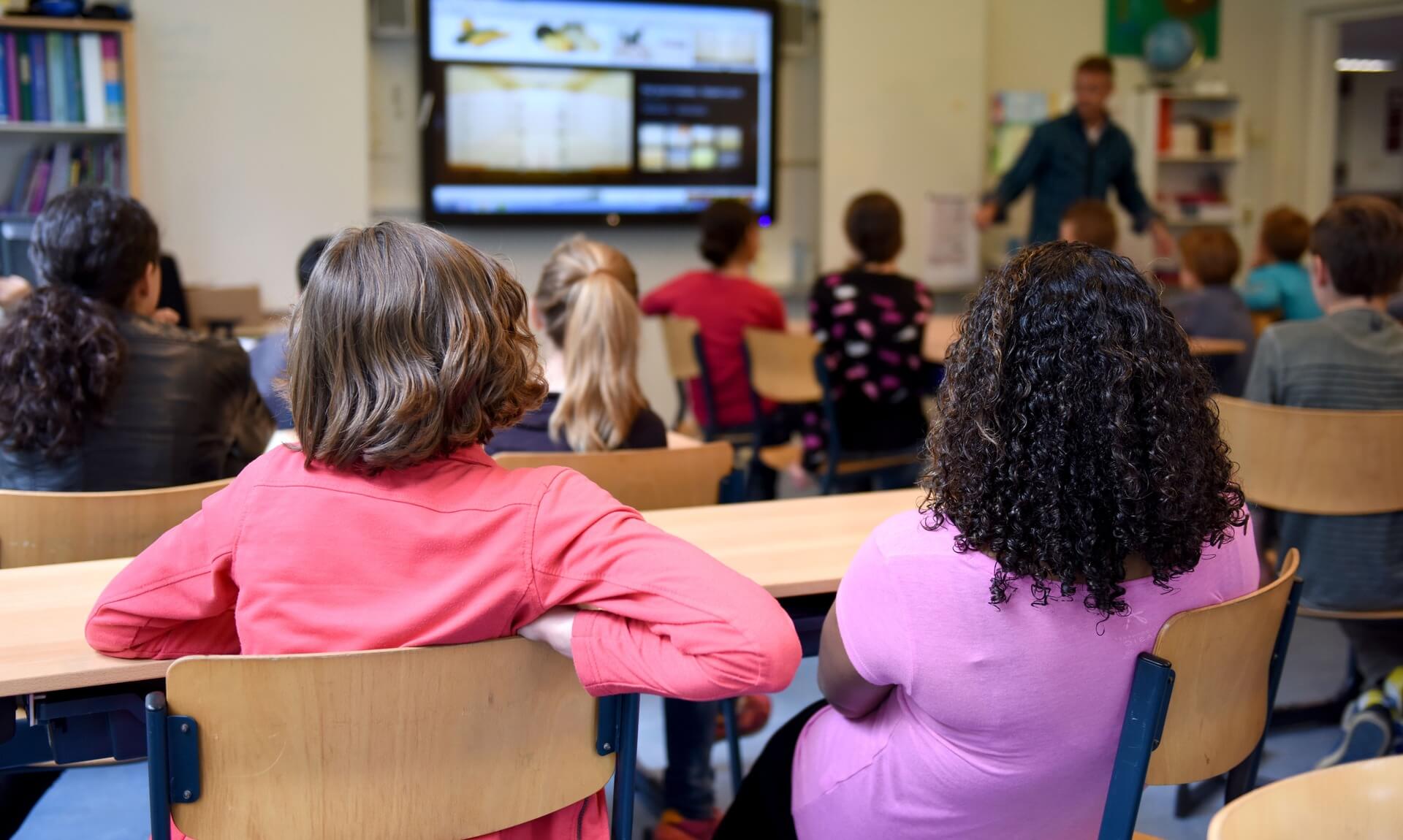
The uniform’s on, the bag’s packed, and for plenty of children the return to the classroom this week has landed like a small earthquake. After six weeks of long days and no timetable, the school routine can feel like a lot to ask for, and for some children the adjustment tips over into something harder to shift.
High Speed Training, an education training provider, has put together advice for parents and teachers on supporting children’s wellbeing as they settle back into school life this term.
Dr Richard Anderson, Director of Learning at High Speed Training, said schools can be stressful and scary places for children, especially when they’re moving to a new school, starting a new year or joining a new class. Approaching those concerns with empathy, understanding and practical support, he said, helps children manage their anxieties, rebuild their confidence, and get back to enjoying school.
Your daily dose of Cornwall
News, events and goings on across the Duchy
Talk up what they’re actually looking forward to
Richard’s first suggestion is a simple one: get your child talking about the parts of school they enjoy. Seeing friends again, an after-school club they’ve missed, a teacher they like. Rebuilding those positive associations can take the edge off the return before it’s even happened.
Give them room to talk about it
A daily check-in matters more than a single big conversation. Richard says creating a safe space for children to talk is crucial, and reminding them you’re there to listen, and to help, if the return to school feels difficult.
For some children that difficulty runs deeper than nerves. School refusal, where a child regularly refuses to attend or struggles to stay because of overwhelming distress, is often misread as defiance. Richard is clear that it isn’t a choice. “School refusal is a complex and deeply emotional issue, often misunderstood as a choice by the child. In reality, it is typically driven by anxiety and fear. It’s crucial to recognise that this is not about defiance, but an emotional response to real challenges.”
Among the things that can sit behind it:
- Bullying
- Separation anxiety
- Mental health challenges like anxiety or depression
- Difficulties thriving academically, particularly for children with Special Educational Needs and Disabilities (SEND)
Keep home low-pressure
What happens after the school gates matters too. Richard suggests not piling on extra pressure while a child is adjusting to a new teacher, new peers and a new curriculum, and giving them proper time to relax once they’re home.
Keeping some of the summer’s fun activities going, rather than dropping them the moment term starts, helps balance out the contrast between the two. And it’s worth noticing the small stuff. Getting to school on time, a good day, a small success. Reassurance and recognition build confidence faster than most parents expect.
Your daily dose of Cornwall
News, events and goings on across the Duchy
Sort the bedtime routine
“It may seem obvious, but a routine which allows good quality sleep is vital when your child is returning to school,” Richard says. Routines tend to slip over the holidays, but the energy and focus school demands runs on sleep. He recommends building in a wind-down hour before bed, cutting back screens and video games in that window, and swapping them for reading or an audiobook instead.
Know the difference between nerves and something deeper
Not every low mood is settling-in anxiety. Richard says depression affects children and young people too, and the signs are easy to miss or write off: disengagement from hobbies, a dip in academic performance, irritability, fatigue, or pulling away from friends socially.
Spotting it is the first step. After that, Richard says, it’s about opening up a conversation. Ask how they’re feeling. Tell them you’ve noticed a change. And take whatever they say seriously, even if the reason sounds small from the outside. “It may seem minor or trivial to you, but it’s important to remember that it’s having a significant impact on their life and mental health.”
Loop the school in
Some nerves at the start of a new year are normal. Richard’s advice is to notice when they tip past that. If a child’s anxiety levels are causing concern, he suggests being proactive and contacting teachers directly, both to understand how the child is getting on in the classroom and to find out what support is already available.
“A child’s happiness and wellbeing at school can be affected by so many different factors,” Richard said. “One thing we do know is that children are far more likely to benefit from education if they feel safe, comfortable and engaged, so it’s really important to address any concerns and ensure that they are getting the most out of their education.”
More advice like this, along with High Speed Training’s other free education resources, is available on the High Speed Training Hub.
Read Next
- FalmouthBoat after boat, wake after wake, spread out across the Carrick Roads.
Share This Story, Choose Your Platform!
To keep up with the latest cornish news follow us below
Follow CornishStuff on Facebook - Like our Facebook page to get the latest news in your feed and join in the discussions in the comments. Click here to give us a like!
Follow us on Twitter - For the latest breaking news in Cornwall and the latest stories, click here to follow CornishStuff on X.
Follow us on Instagram - We also put the latest news in our Instagram Stories. Click here to follow CornishStuff on Instagram.
- 1
- 2
- 3
- 4
- 5
- 6