Tiny seaweed new to science found in the Fal Estuary
Tiny seaweed new to science found in the Fal Estuary
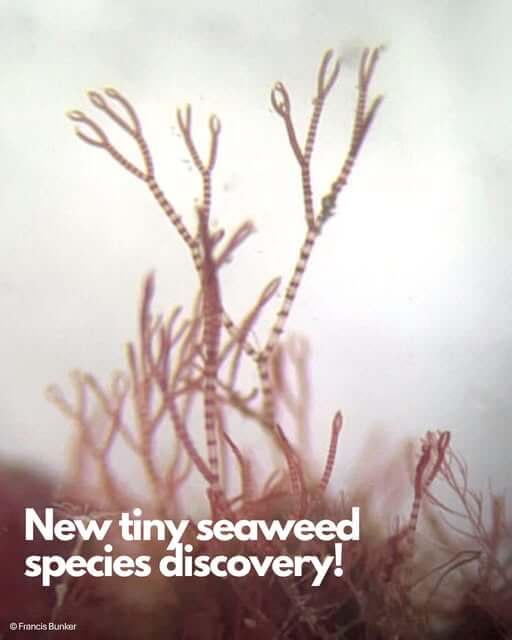
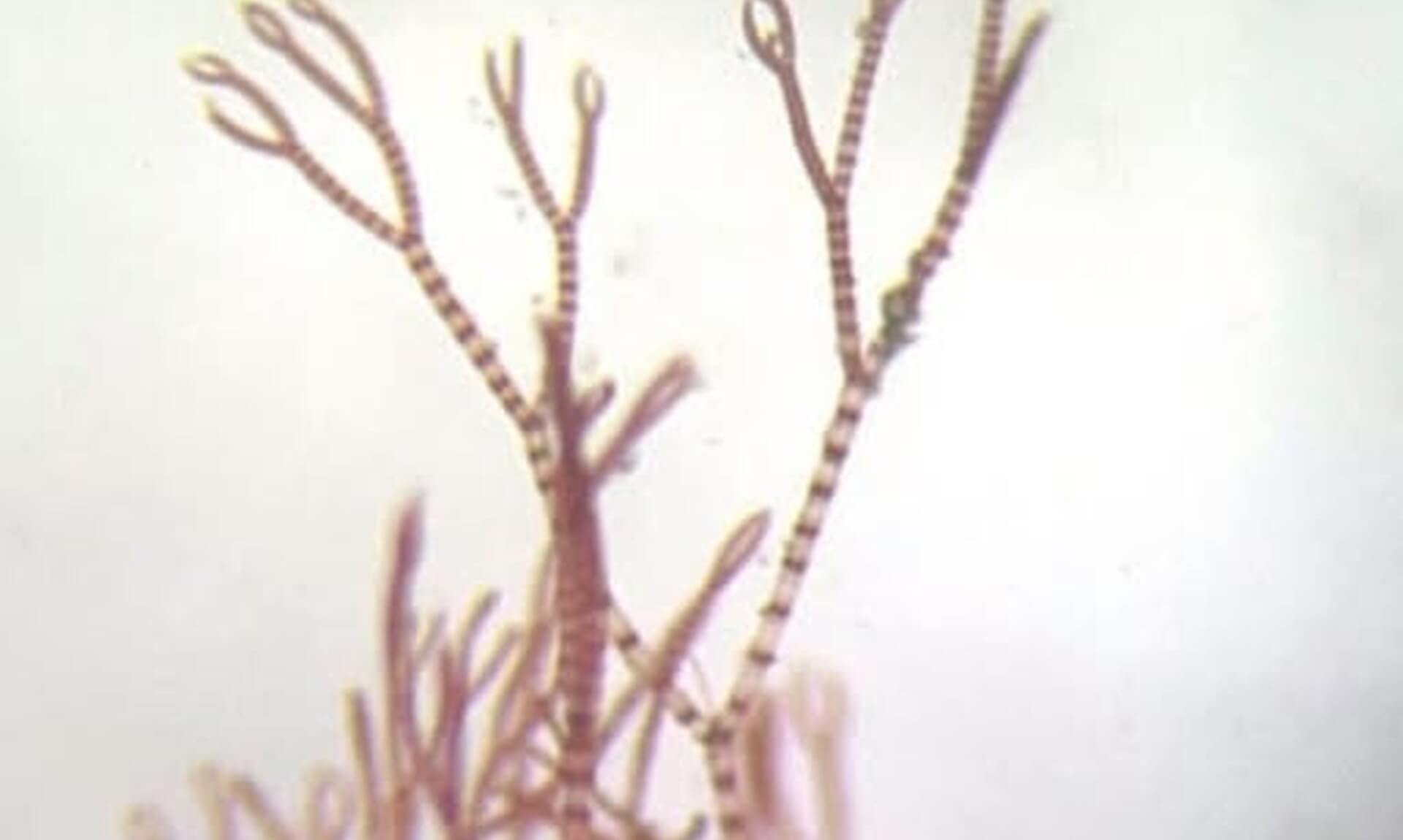
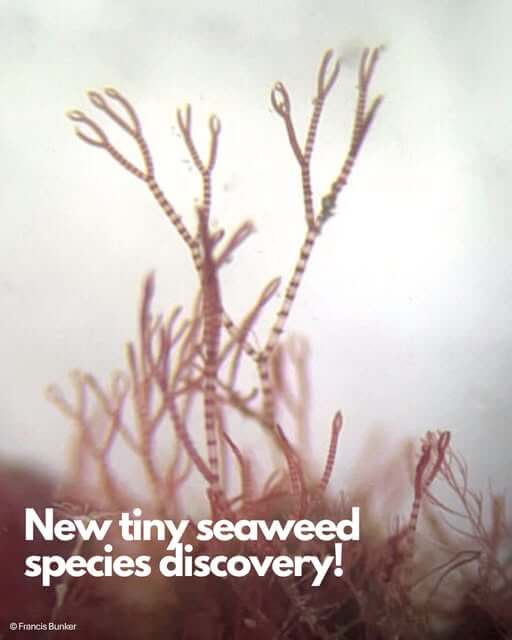
A red seaweed only a few millimetres across has been living quietly on the bed of the Fal Estuary, far too small for anyone to notice it was something the world had never named. Divers have now brought up living fragments, grown them on in a laboratory and read their DNA. The verdict is that this little plant is a species completely new to science.
Your daily dose of Cornwall
News, events and goings on across the Duchy
A species hiding in plain sight
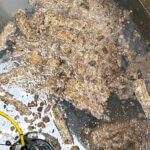
The seaweed is a species of Ceramium, a group known as pincer weed for the tiny claw-like tips on its branches. At only a few millimetres wide, it is so minute that it had never been formally identified before. It took Natural England divers collecting living fragments, careful cultivation in the lab and DNA sequencing to confirm what it really was. Together the evidence pointed to a plant that matches nothing on record.
Finds like this are a reminder of how much of the natural world on our own doorstep is still waiting to be recorded, even in waters people have swum, sailed and fished for centuries.
Beds that could be 4,000 years old
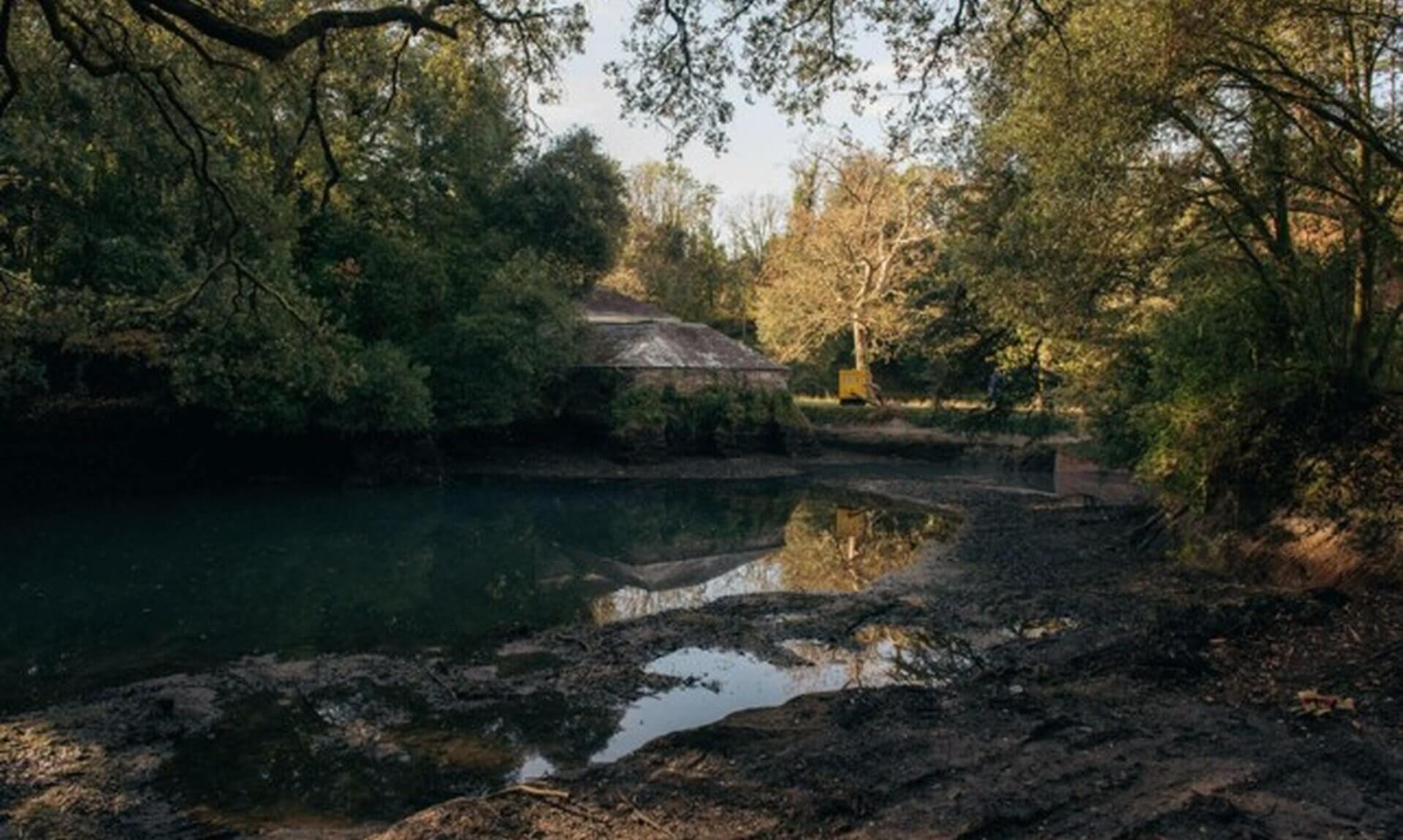
The seaweed was found on the estuary’s maerl beds, one of the most remarkable underwater habitats in Cornwall. Maerl is a hard, slow-growing form of red seaweed that builds up on the seabed over thousands of years into a living gravel, and it shelters a huge range of other marine life. The beds in the Fal could be up to 4,000 years old.
That age is part of why the loss of a maerl bed matters so much. What takes millennia to form cannot simply grow back within a human lifetime.
Restoring the Fal, root and branch
Protecting those beds is one of the aims of Fal Rivers to Reef, a large-scale nature recovery programme that stretches across the River Fal catchment, the estuary and the surrounding marine environment. By working with partners to improve water quality and support healthier habitats, the project is trying to protect and restore the maerl beds for generations to come.
The discovery was shared by the Cornwall and Isles of Scilly Local Nature Partnership, which said the find shows just how special the region’s marine spaces are, and why recovering them is so important. It also leaves an obvious question hanging. If something new to science was sitting on the Fal all along, what else is down there that nobody has looked at closely enough yet?
Read Next
- HousingFor £250 plus, you could bid on a fenced-off patch of play area in Saltash.
Share This Story, Choose Your Platform!
To keep up with the latest cornish news follow us below
Follow CornishStuff on Facebook - Like our Facebook page to get the latest news in your feed and join in the discussions in the comments. Click here to give us a like!
Follow us on Twitter - For the latest breaking news in Cornwall and the latest stories, click here to follow CornishStuff on X.
Follow us on Instagram - We also put the latest news in our Instagram Stories. Click here to follow CornishStuff on Instagram.
- 1
- 2
- 3
- 4
- 5
- 6