RNLI Lifeguards Mark 25 Years with Over 2,000 Lives Saved
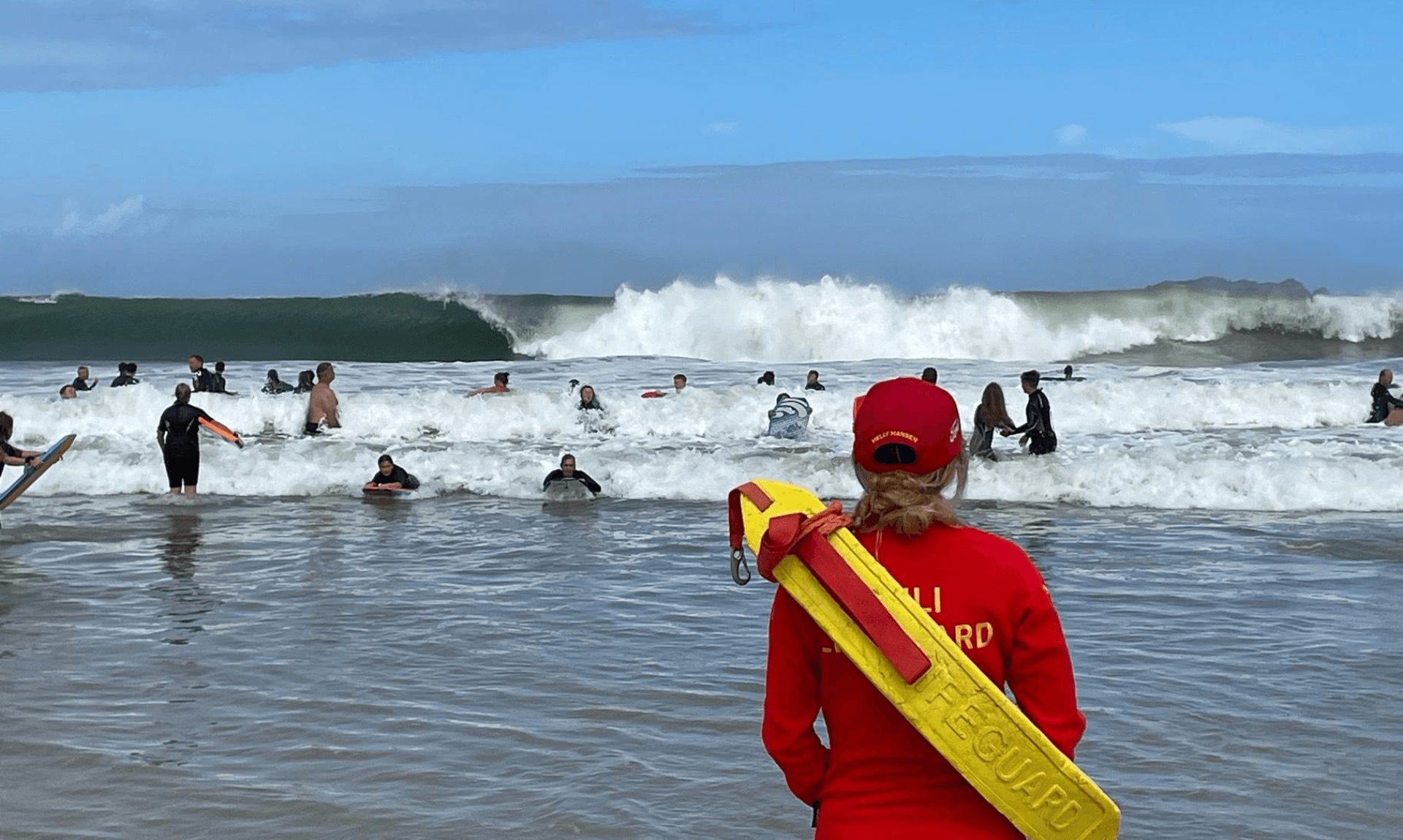
The Royal National Lifeboat Institution (RNLI) has marked 25 years of its lifeguard service, revealing that more than 2,000 lives have been saved on beaches across the UK and Channel Islands since 2001.
Over that time, RNLI lifeguards have saved 2,165 lives and assisted 459,354 people through water rescues, returning missing children and providing first aid and casualty care. They have responded to 333,330 incidents and carried out more than 48 million preventative actions.
From pilot scheme to national service
The RNLI launched its lifeguard service in 2001 after figures showed that 200 lives had been lost on UK beaches. At the time, lifesaving clubs were already operating, but not at the scale needed.
Working with beach owners and existing clubs, the RNLI introduced lifeguarded beaches in south-west England. In the first year alone, 20 lives were saved, leading to the creation of a full service.
Since then, the service has expanded significantly, with more than 245 beaches now patrolled across the UK and Channel Islands, making it the largest lifeguard provider in the country.
Peter Dawes, RNLI Lifeguard General Manager, said:
‘Thanks to RNLI lifeguards our beaches are safer places, so we can enjoy our time at the coast and return home safely at the end of the day. Around 95% of a lifeguard’s work is prevention. They keep beachgoers safe by educating them about water safety and spotting the dangers before accidents happen.
‘RNLI lifeguards past and present have kept millions of beach visitors safe over the past 25 years and will continue to do so for years to come. If you are planning a visit to the coast this summer, please remember to visit a lifeguarded beach.’
A Cornish perspective
Lewis Timson, RNLI Lifeguard Supervisor in Newquay, was among the first group of RNLI lifeguards in 2001 when he was 18.
Before joining the RNLI, Lewis worked with a local surf school where lifeguarding was carried out alongside lessons.
Lewis said:
‘The RNLI already had a strong, 180-year history of providing a front-line emergency lifesaving service and were able to bring the knowledge and expertise over from the lifeboat service to the lifeguards. The equipment and the training from the RNLI really set the gold-standard. As soon as I was working for the RNLI I knew that it was what I wanted to do.’
Reflecting on how the role has evolved, Lewis added:
‘The fundamentals are the same, we still need to be well trained, capable, skilled lifeguards on our beaches. But there has definitely been a shift with how we keep people safe. This has developed alongside the amount of people we now get visiting our beaches and going in the water. Lifeguarding now is such a proactive service. Being proactive is the standard and the new ‘normal’.’
Dramatic rescue recognised
Nearly a year on from a rescue at Praa Sands in Cornwall, a team of RNLI lifeguards are set to receive a Letter of Commendation.
On 2nd April 2025, a swimmer named Mark was spotted struggling around 200 metres offshore in near gale force conditions. He was being pushed towards rocks as low evening sun and strong swell reduced visibility.
The lifeguards launched an immediate response and brought Mark safely back to shore, where they continued casualty care until paramedics arrived.
Mark said:
‘Thank you doesn’t really cover it. I’m very fortunate that there are people out there who are prepared to put their lives in danger and put themselves in harm’s way even though they don’t know me, have never met me and that’s not lost on me at all, I won’t ever forget it.
‘I’m fortunate that they happened to be there on a training day and were having a debrief at the end of the day before going home, so there were many things that revolved around that group of lifeguards and are the only reason how I’m here today, I know that’s the truth. Thank you isn’t enough but just so they know I appreciate what they did.’
Lifeguards return for 2026 season
The first lifeguard patrols for 2026 began on Saturday 28th March, with cover provided on 39 beaches over the Easter weekend.
This will gradually increase to more than 245 beaches during peak season in July.
Anyone planning a visit to the coast can find their nearest lifeguarded beach using the RNLI’s online tool: https://rnli.org/find-my-nearest/lifeguarded-beaches.
Safety advice for beachgoers
The RNLI is encouraging people heading to the coast this Easter and summer to take simple steps to stay safe:
- Visit a lifeguarded beach and swim between the red and yellow flags
- Check weather forecasts, tide times and local hazard signage
- Wear suitable safety equipment for activities like paddleboarding or kayaking and carry a means of calling for help
- For open water swimming, wear a wetsuit, bright swim hat and use a tow float
- If you fall into the water unexpectedly, remember to Float To Live by leaning back and extending your arms and legs
In an emergency, dial 999 and ask for the Coastguard.
Share This Story, Choose Your Platform!
To keep up with the latest cornish news follow us below
Follow CornishStuff on Facebook - Like our Facebook page to get the latest news in your feed and join in the discussions in the comments. Click here to give us a like!
Follow us on Twitter - For the latest breaking news in Cornwall and the latest stories, click here to follow CornishStuff on X.
Follow us on Instagram - We also put the latest news in our Instagram Stories. Click here to follow CornishStuff on Instagram.
You Might Also Be Interested In






Don’t Miss What’s Happening in Cornwall
Join others in Cornwall by receiving the latest daily news in Cornwall, sent direct to your inbox.