South West Water: why a Falmouth alert didn’t mean a real spill

Seeing a storm overflow alert pop up for your local beach is the kind of thing that makes most people quietly cross it off the list for a swim that day. Usually that instinct is right. But South West Water says a small number of those alerts do not actually mean a spill has happened at all, and it wants people to understand why.
Your daily dose of Cornwall
News, events and goings on across the Duchy
Why an alert can appear when nothing has spilled
Storm overflow alerts on WaterFit Live are generated by Event Duration Monitors, sensors fitted at storm overflow sites that detect when a spill starts and stops. The vast majority of the alerts they trigger reflect a genuine discharge.
Occasionally, though, the sensors pick up something else. Debris and obstructions at a site, or a fault in the sensor or its telemetry system, can trigger an alert without a drop of sewage being released. These faults can be complicated to track down, and diagnosing one takes time, so an alert can sit on WaterFit Live for a while before anyone confirms whether it was real.
Helen Dobby, Head of Environmental Performance at South West Water, put it simply: “People understandably assume that a storm overflow alert means a spill has taken place. In the vast majority of cases that’s exactly what it means, but occasionally we investigate an alert and find it was triggered by something other than a discharge.”
What went wrong in Falmouth
This is exactly what happened recently in Falmouth. An alert appeared on WaterFit Live, was investigated, and was ultimately confirmed as a false alarm. No spill had taken place.
Once the fault was traced to the monitor itself, South West Water suppressed any further non-genuine alerts from that particular sensor while the underlying issue was fixed, so it could not keep flagging a spill that was not happening. “We want customers to have access to the most accurate and up-to-date information possible,” Helen said. “If our investigations show that a spill hasn’t taken place, we update WaterFit Live to reflect those findings and take steps to prevent further incorrect alerts while the issue is resolved.”
How the alerts reach you, and why they can differ
South West Water publishes storm overflow data in near real time on purpose, on the basis that people using the water should be able to see it as quickly as possible rather than waiting for every check to be completed. “We believe water users should be able to see information from our monitors as quickly as possible,” Helen said. “Because the data is shared in near real time, there may occasionally be occasions where an alert appears before we’ve completed all our checks. In a small number of cases, further investigation may show that no spill has actually taken place.”
That same monitoring data also feeds Surfers Against Sewage, which uses it in its Safer Seas & Rivers Service. Alerts are passed on to the charity at the earliest opportunity, again in the interest of near real-time information. If a later investigation shows an alert was not caused by a spill, South West Water updates WaterFit Live and shares the correction with the organisations using its data too. Because those updates and corrections do not land everywhere at exactly the same moment, the picture shown on different platforms can occasionally differ for a short time.
Your daily dose of Cornwall
News, events and goings on across the Duchy
Checking the network for faults
South West Water says it limits the risk of non-genuine alerts through regular maintenance and calibration of its monitoring equipment. Across its 1,361 storm overflows, its Event Duration Monitor operability currently stands at 96.7%, which it says is the second highest in the industry and well above the industry average.
The company says it is looking to push that figure further, and is exploring ways to identify false alerts more quickly, including extra sensors and improvements to its IT systems. “We recognise that false alerts can be confusing for customers,” Helen added, “which is why we’re continuing to invest in monitoring equipment, sensors and technology to help us identify and correct them as quickly as possible.”
More detail on how South West Water gathers and shares its storm overflow data is on its Storm Overflow Data page, and the live picture for any given site is on its storm overflow map.

Read Next
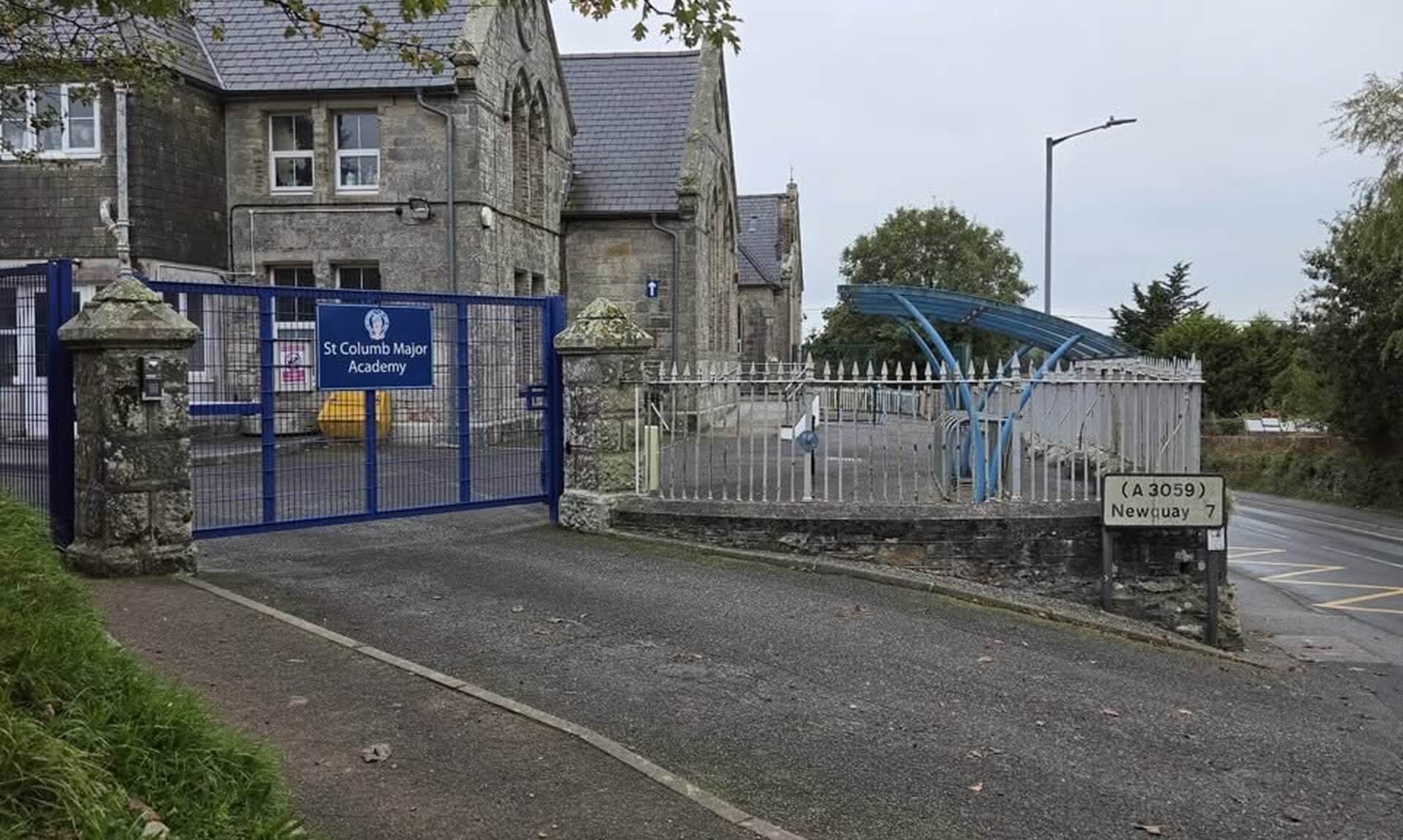
- St Columb MajorIf you drove past the primary school in St Columb Major on Monday morning, there is a chance someone was checking your speed.
Share This Story, Choose Your Platform!
To keep up with the latest cornish news follow us below
Follow CornishStuff on Facebook - Like our Facebook page to get the latest news in your feed and join in the discussions in the comments. Click here to give us a like!
Follow us on Twitter - For the latest breaking news in Cornwall and the latest stories, click here to follow CornishStuff on X.
Follow us on Instagram - We also put the latest news in our Instagram Stories. Click here to follow CornishStuff on Instagram.
- 1
- 2
- 3
- 4
- 5
- 6