South West Water’s warning after 5,500 avoidable sewer blockages
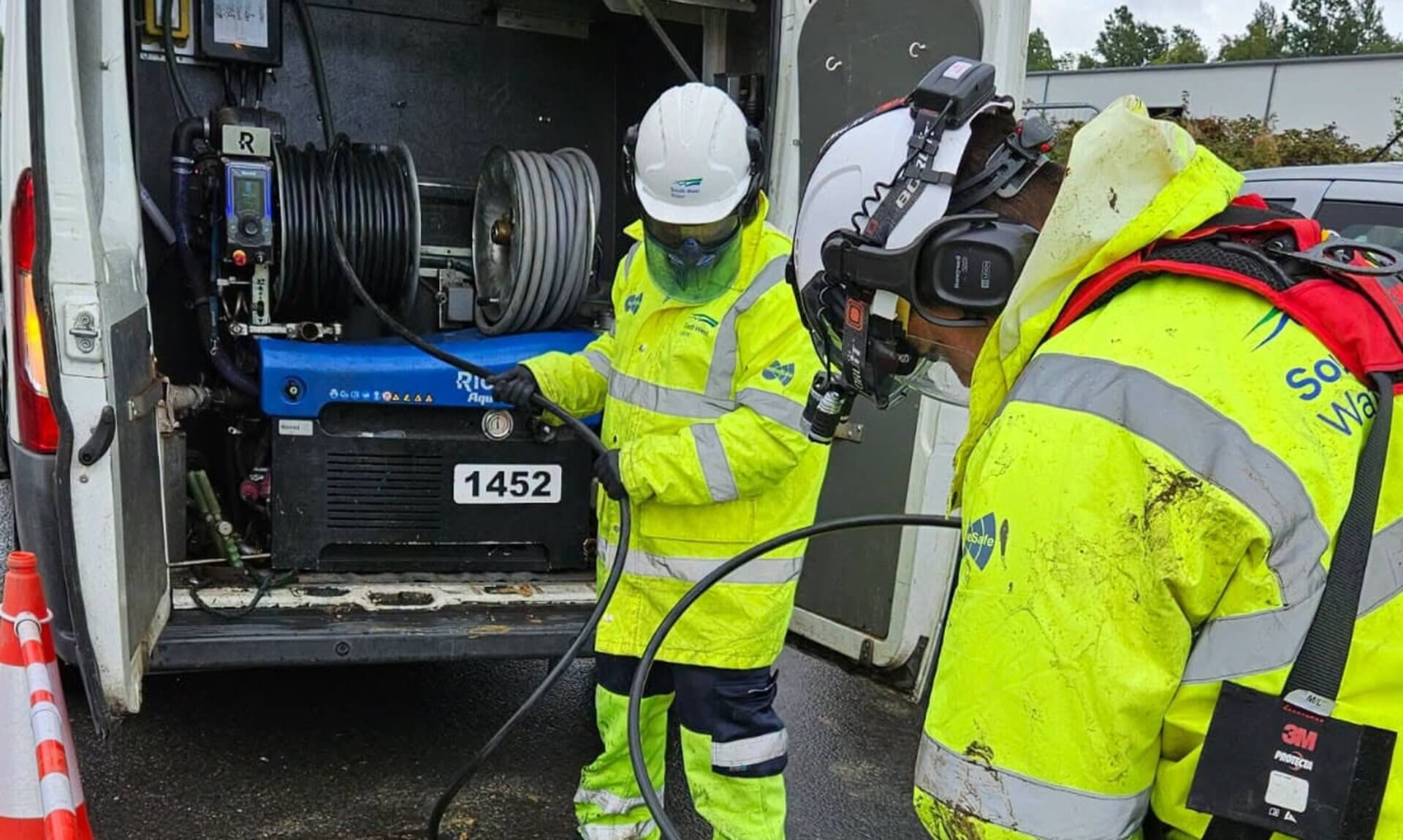
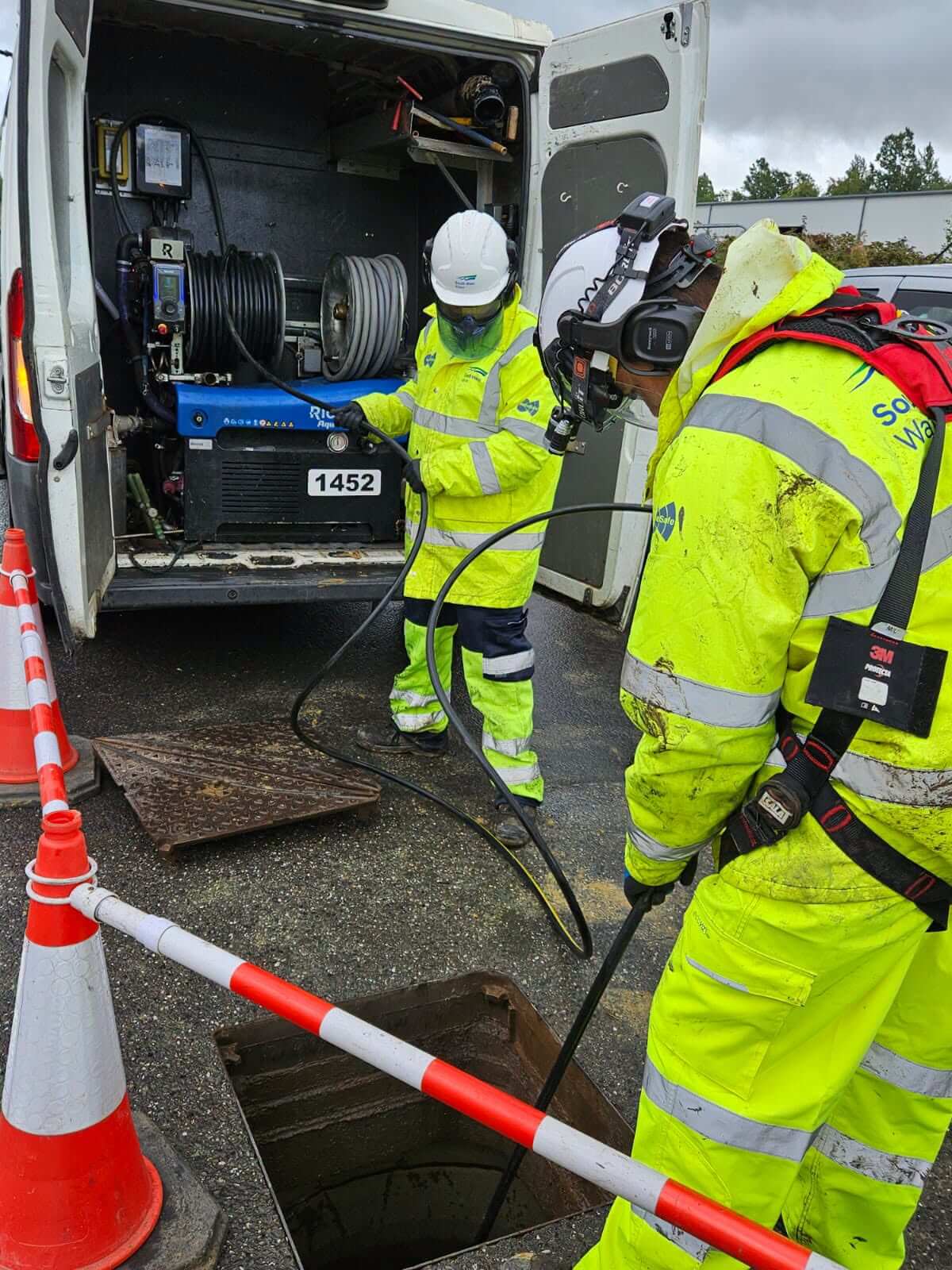
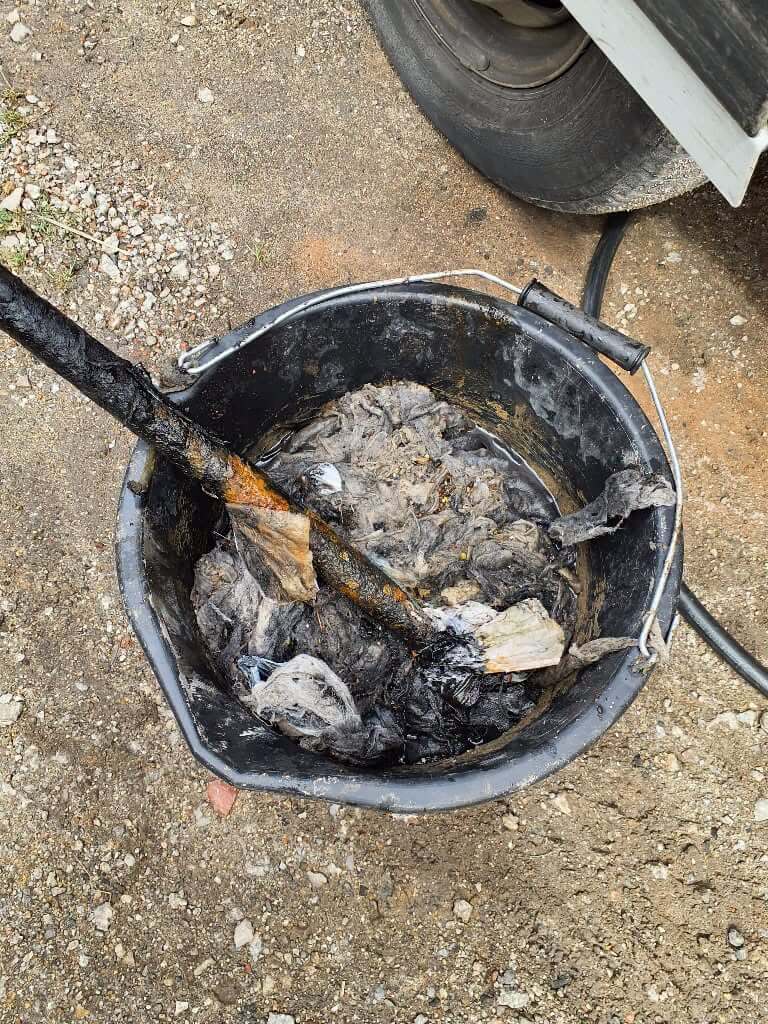
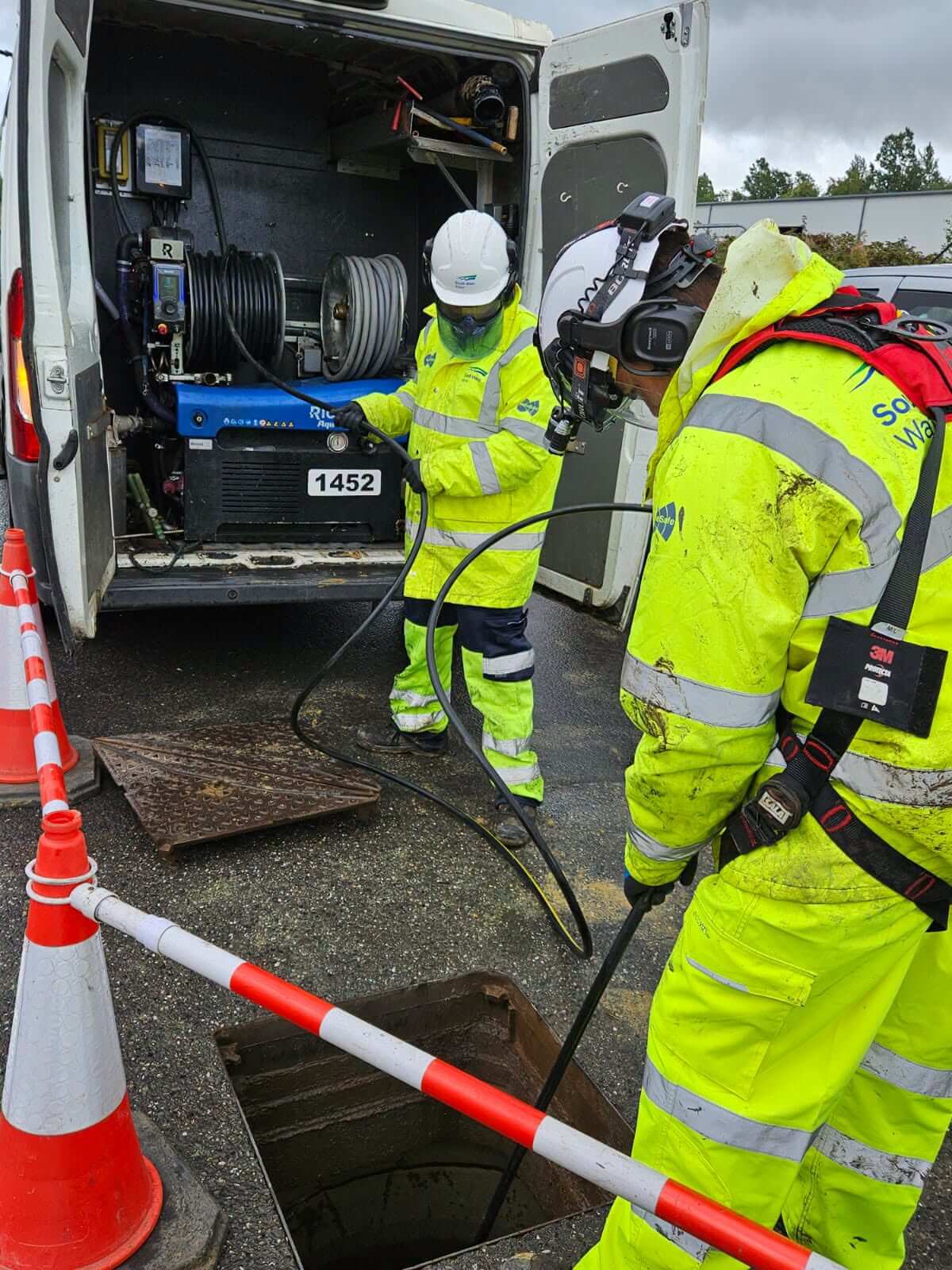
That wet wipe you dropped down the loo doesn’t vanish when you flush. It goes somewhere. And last year South West Water teams tackled more than 5,500 sewer blockages across the South West that should never have happened.
The water company is using this year’s Unblocktober to ask households to rethink what goes down their toilets and sinks, pointing people to its Bin it, don’t block it advice. Wet wipes and fats, oils and grease were among the biggest causes of last year’s avoidable blockages.
When the wrong things go down toilets and drains they build up in the sewer network. That raises the risk of flooding, pollution and costly repairs.
Your daily dose of Cornwall
News, events and goings on across the Duchy
Why your drains block so easily
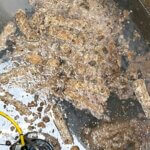
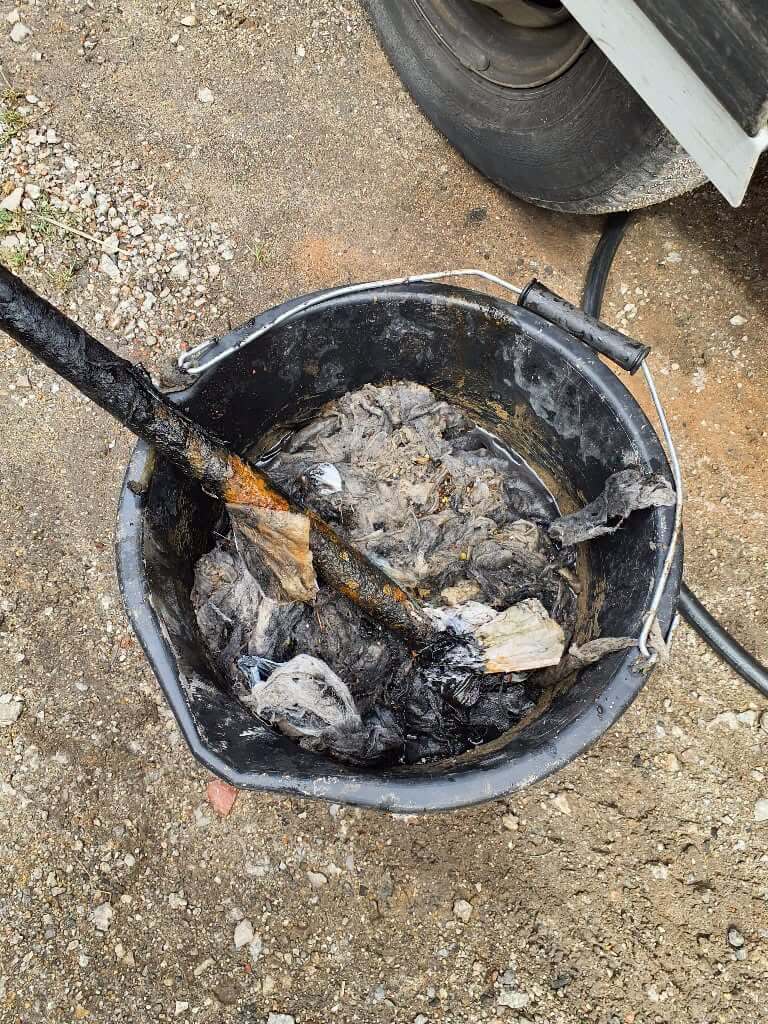
According to South West Water, drains can be as narrow as 15cm across. Wet wipes, hardened cooking fat and period products mix together in that tight space and form hard lumps that clog the pipes.
About 75% of blockages happen because the wrong things have been poured down sinks or flushed down toilets. Water UK figures quoted by the company put wet wipes at around 93% of the material found in sewer blockages.
Blocked drains and sewers can back up and spill waste into homes, gardens and neighbourhoods. They can also cause sewer pipes to burst, letting waste leak out into the environment.
What a blockage could cost you
Clearing a blockage can cost up to £250. If yours affects your neighbours, you might have to pay to unblock theirs too.
That’s before any damage to your home, plus the hassle and time off work to sort it out. In the wider community, burst sewers bring smells, disruption and potential harm to wildlife.
What you can do
Your daily dose of Cornwall
News, events and goings on across the Duchy
Love your loo
Only flush the 3Ps: pee, poo and paper. Everything else, including wet wipes, sanitary products and other unflushable items, belongs in the bin.
That goes for wipes labelled “flushable” too. South West Water says they still take much longer to break down than toilet paper, so they can still cause blockages.
Think sink
Keep food scraps, cooking fat and grease out of the sink. Let fats, oils and grease cool first, then scrape them into the bin or your food waste caddy.
An old yoghurt pot makes a handy gunk pot for collecting greasy leftovers before they go in the bin.
Signs you might have a blockage
- A sink that drains slowly or has bubbles coming from the plughole
- A toilet that drains slowly or bubbles from the U-bend (stop flushing, as this can make it worse)
- Waste leaking around manholes, or boggy patches in your garden
- Manholes leaking or waste running down the gutters further away from home
If you think you have a blockage, you can report a problem to South West Water. If it’s easy to sort or the company’s fault, it says it will fix it, and it will let you know if the job is your responsibility. There’s also a guide to which pipes belong to you and which belong to South West Water.
Food businesses have their own advice on avoiding blocked pipes, and the legal penalties that can follow.
Read Next
- HealthWhen a heart stops, the clock starts.
Share This Story, Choose Your Platform!
To keep up with the latest cornish news follow us below
Follow CornishStuff on Facebook - Like our Facebook page to get the latest news in your feed and join in the discussions in the comments. Click here to give us a like!
Follow us on Twitter - For the latest breaking news in Cornwall and the latest stories, click here to follow CornishStuff on X.
Follow us on Instagram - We also put the latest news in our Instagram Stories. Click here to follow CornishStuff on Instagram.
- 1
- 2
- 3
- 4
- 5
- 6