Heligan: the Cornwall garden that slept for decades
For the best part of a century, one of the great gardens of England lay under bramble and fallen timber. Its glasshouses were shattered, its paths swallowed by laurel, and the men who had built it were gone. Almost nobody living knew what was still in there. Then, on a wet afternoon in 1990, two men pushed through a wall of ivy on a hillside above Mevagissey and found a door. What lay behind it grew into the largest garden restoration project in Europe.
This is the story of how Heligan was lost, how it was found, and what waits for you there now.
Your daily dose of Cornwall
News, events and goings on across the Duchy
Twenty-two gardeners, then silence
Heligan sits in the soft, sheltered country above the fishing village of Mevagissey, close to Pentewan and St Austell. The Tremayne family had held the estate since Sampson Tremayne completed its purchase in 1569, and for four generations the squires poured money, curiosity and plant-hunting connections into the grounds.
Reverend Henry Hawkins Tremayne laid out the rides and shelterbelts from the 1760s. Those who followed added a pineapple pit, a ravine, a Sundial Garden once described as holding the finest herbaceous border in England, and an Italian Garden finished in 1906. By the early years of the twentieth century Heligan was a full working estate. Orchards, flower gardens, glasshouses and productive plots fed the big house and everyone in it.
Keeping all of it alive took twenty-two gardeners. Then came 1914. The outbreak of the First World War was the beginning of the end for the old Heligan, as the men who worked the ground put down their tools and went to the trenches. Many never came home. By 1916 only a handful were left to hold things together, and the garden that needed twenty-two pairs of hands no longer had them.
What followed was a slow forgetting. The Tremayne who had built the Italian Garden, John Claude Lewis Tremayne, moved to Italy and let the house. Through the 1920s and 1930s Heligan was tenanted out. American troops were billeted there during the Second World War. The house was eventually carved into flats and sold in the 1970s, and the gardens behind it were simply left. Rhododendrons planted as delicate specimens grew into thirty-foot trees. Brambles closed over the walled gardens. The great glasshouses fell in. For decade after decade, one of the most ambitious gardens in the country quietly disappeared.
The door that had not opened in decades
The rescue began almost by accident. Tim Smit, a former record producer who had moved to Cornwall, was shown the overgrown estate in 1990 by John Willis, a descendant of the Tremaynes. The two went exploring in the ruins, hacking their way through undergrowth that had taken thirty years to build. Tim later described the whole thing as a series of events that conspired to bring him there.
What they uncovered, piece by piece, was not a blank slate but a sleeping garden. The bones were all still present under the green: the walls, the paths, the flower garden, the ram pump that had pushed water uphill for a century, even the rare survivor of a Victorian kitchen garden. Tim and a group of like-minded enthusiasts took on the lease, and set out to wake the whole thing up rather than start again. The restoration became the largest of its kind in Europe, and it turned Heligan from a lost estate into one of the most talked-about gardens in Britain.
Come not here to sleep or slumber
The most moving discovery came not from the flowers but from a tiny room. Buried under rubble in a corner of the productive gardens was the outdoor privy the gardeners had used, a place known on the estate as the Thunderbox Room. On its lime-plastered wall, in pencil, were the names of the men who had worked there, with a date next to them: August 1914. Above the signatures someone had written a line that reads very differently now than it must have then. “Come not here to sleep or slumber.”
They signed the wall in the last summer before the war. Not all of them came back to see the garden they had kept. In 2013 the Imperial War Museum recognised the Thunderbox Room as a living memorial to the Gardeners of Heligan, and today a plaque, a Cornish shovel and a First World War helmet mark the spot. The restoration itself is treated as the tribute. The garden the men signed off in 1914 is once again being tended, which is the point.
Your daily dose of Cornwall
News, events and goings on across the Duchy
Sixteen years of bringing it back
Progress came fast once the clearing started. The Italian Garden was restored in 1991 and the BBC filmed there for Gardeners’ World. Heligan opened its gates to the public at Easter 1992, with the shelterbelts replanted and the lakes being cleared. In 1994 the flower garden was working again and the first vegetables went in. In 1997 the old pineapple pit, warmed the Victorian way by rotting manure, fruited a pineapple for the first time in living memory, and the Lost Valley beyond the gardens was opened up.
The public took to it completely. A six-part Channel 4 series told the restoration story to the rest of the country, awards followed, and in 2002 a BBC poll named Heligan the nation’s favourite garden. The place that had been left to rot was suddenly one of the best-loved gardens in Cornwall, and the visitors have kept coming ever since.
What to see now
Heligan is much bigger than most people expect, covering around 200 acres of gardens, woodland and farmland, so give it a full day if you can.
The Productive Gardens and the pineapple pit
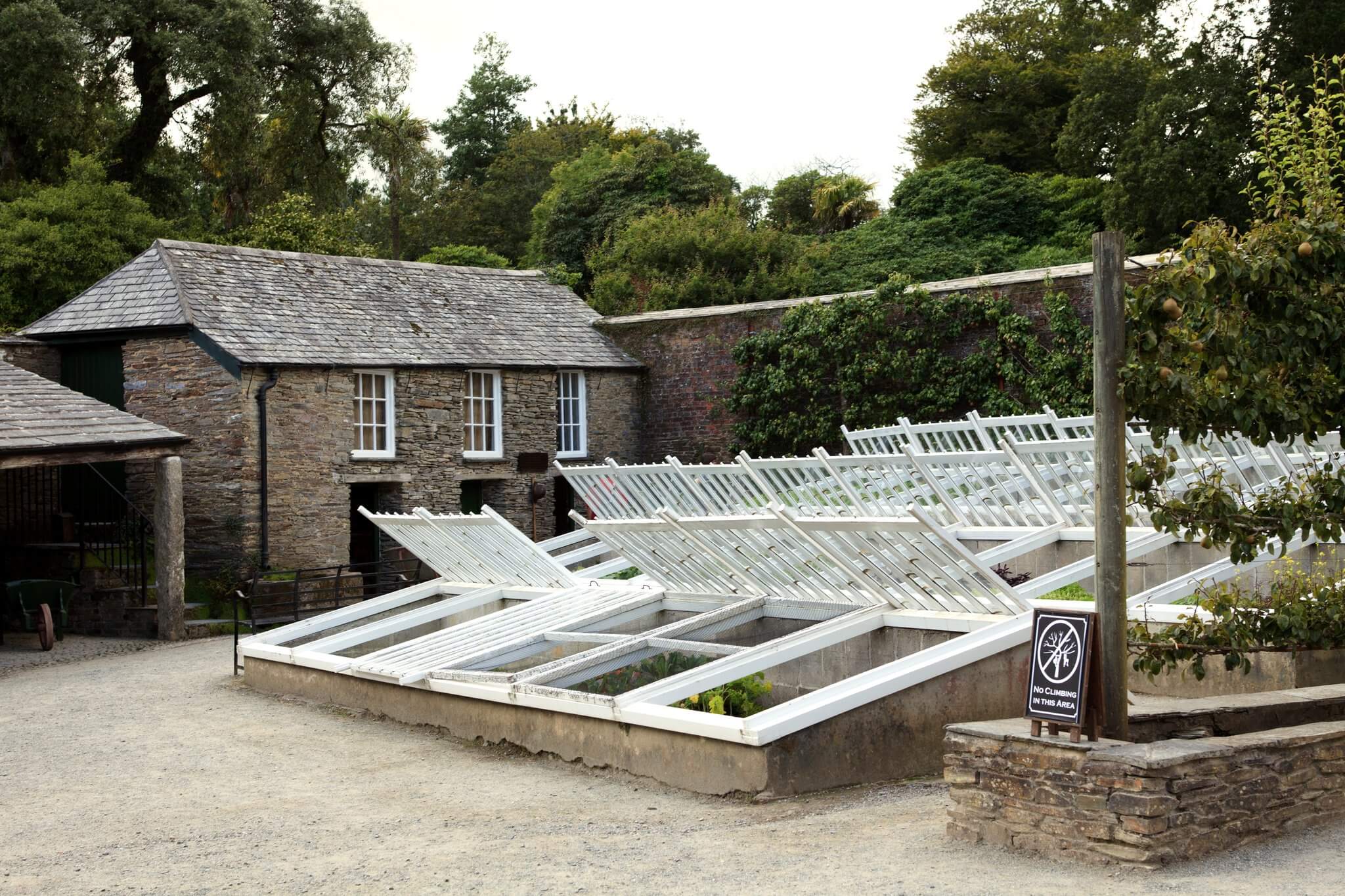
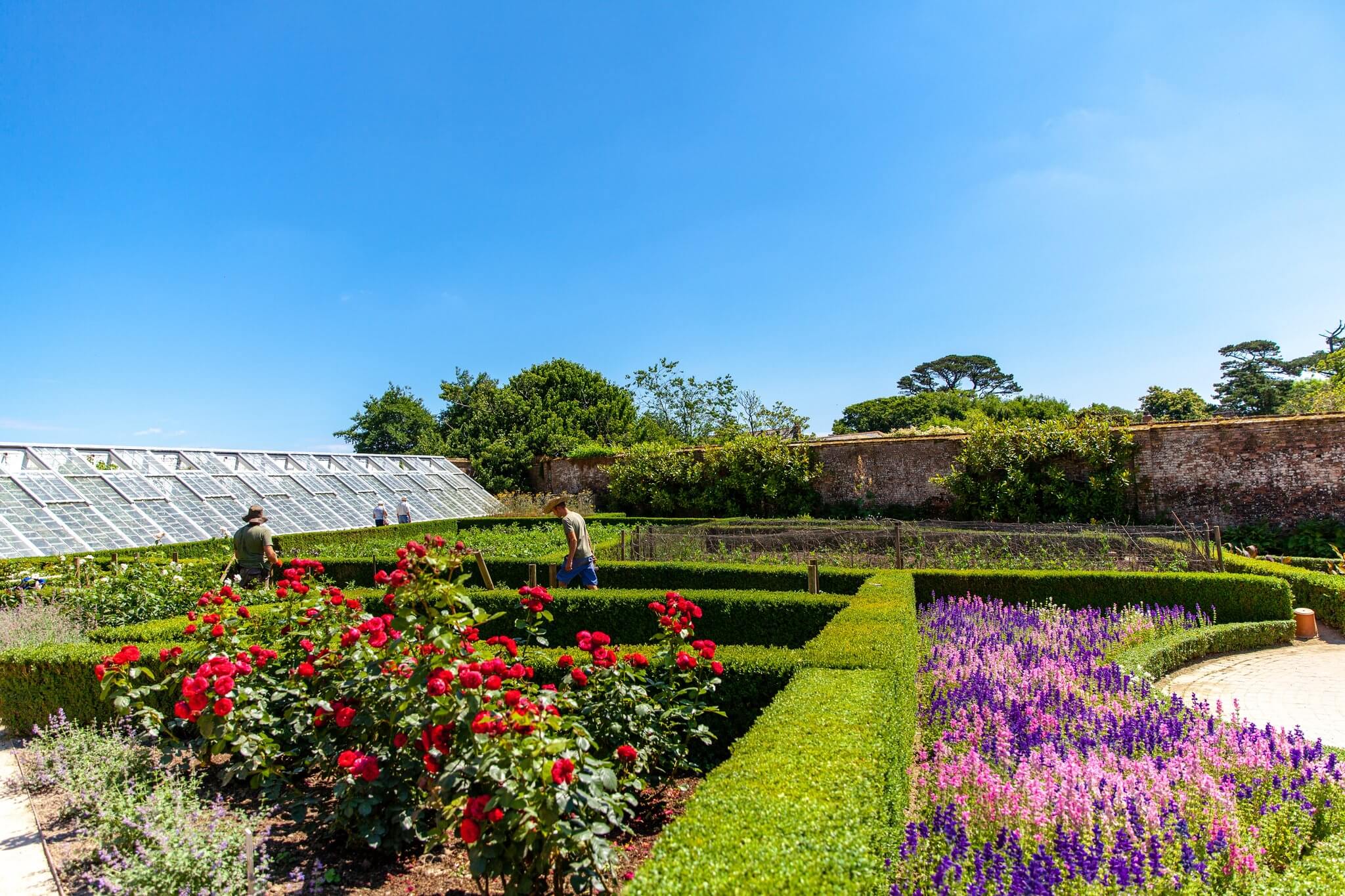
The walled Flower Garden and the vegetable gardens are the heart of the old estate, laid out in neat box hedging and worked by hand much as they were a century ago. Look for the melon yard with its ranks of glass frames, the restored glasshouses, and the famous pineapple pit, the last of its kind in Europe, still heated by decomposing manure rather than a boiler.
Your daily dose of Cornwall
News, events and goings on across the Duchy
The Jungle and the Lost Valley
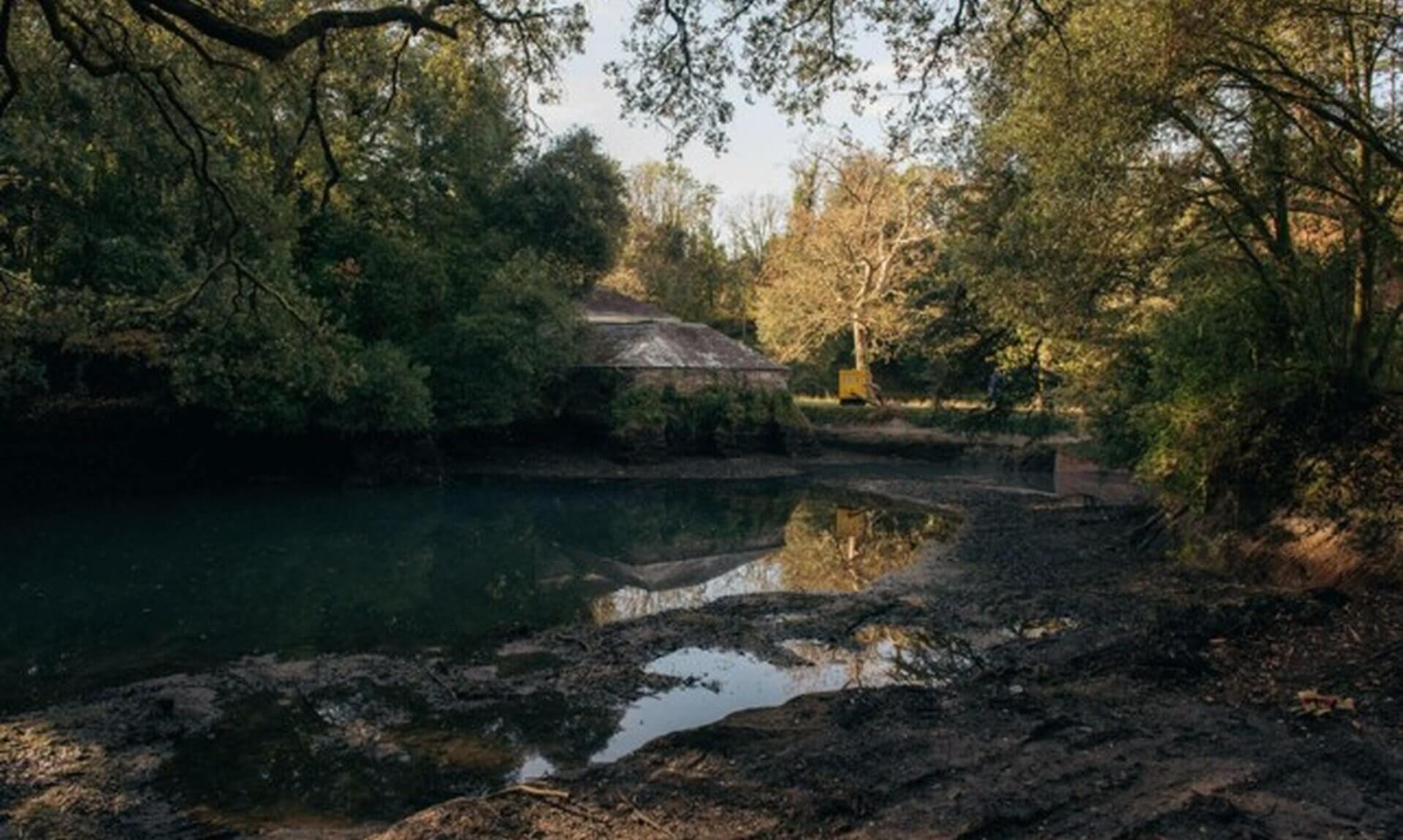
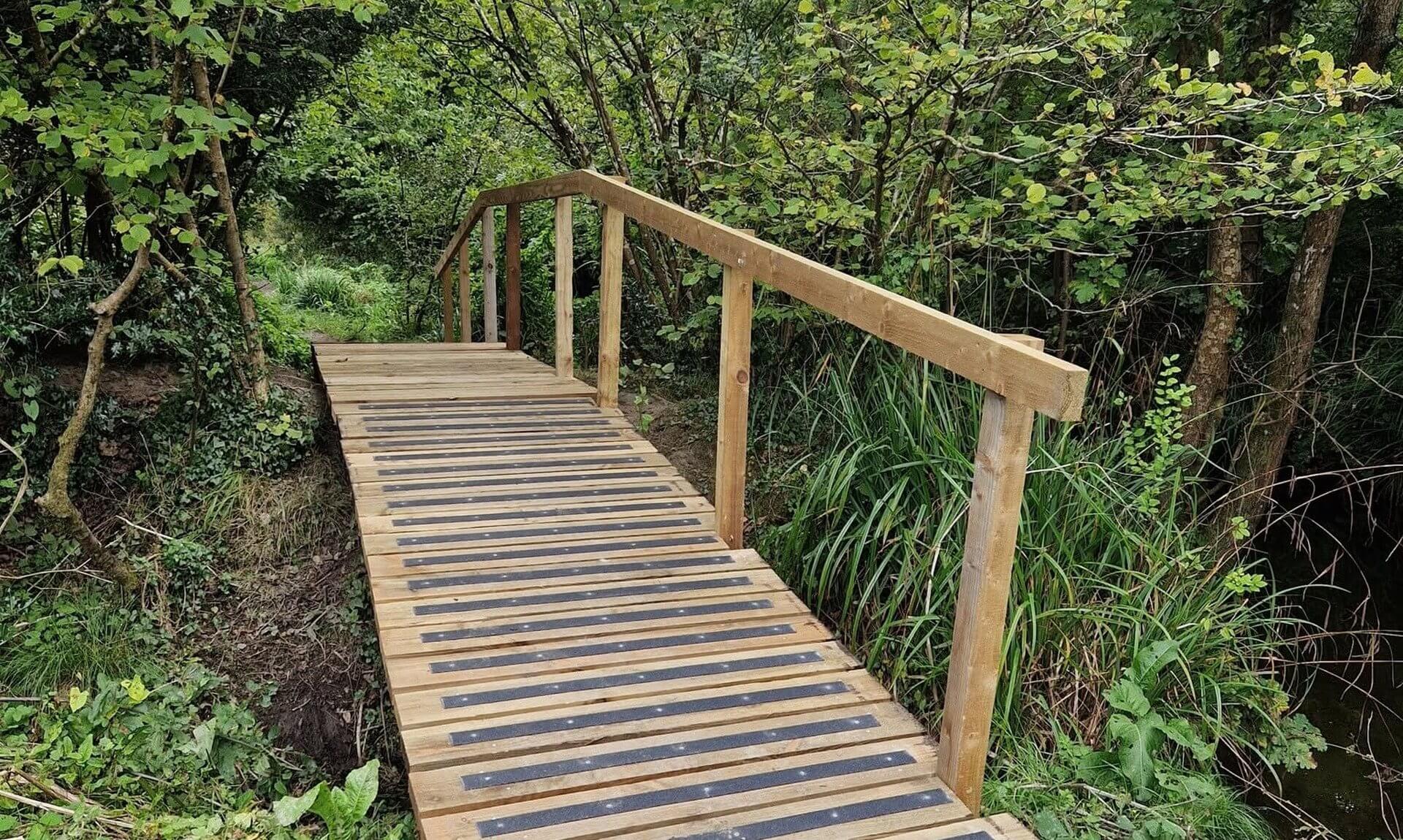
A boardwalk drops you down into the Jungle, a steamy, subtropical ravine of tree ferns, banana plants and towering gunnera, four lakes deep and threaded with a rope bridge slung high across the canopy. Beyond it, the Lost Valley is the quieter, wilder counterpoint, ancient woodland and water that feels a long way from anywhere.
The Mud Maid and the Giant’s Head
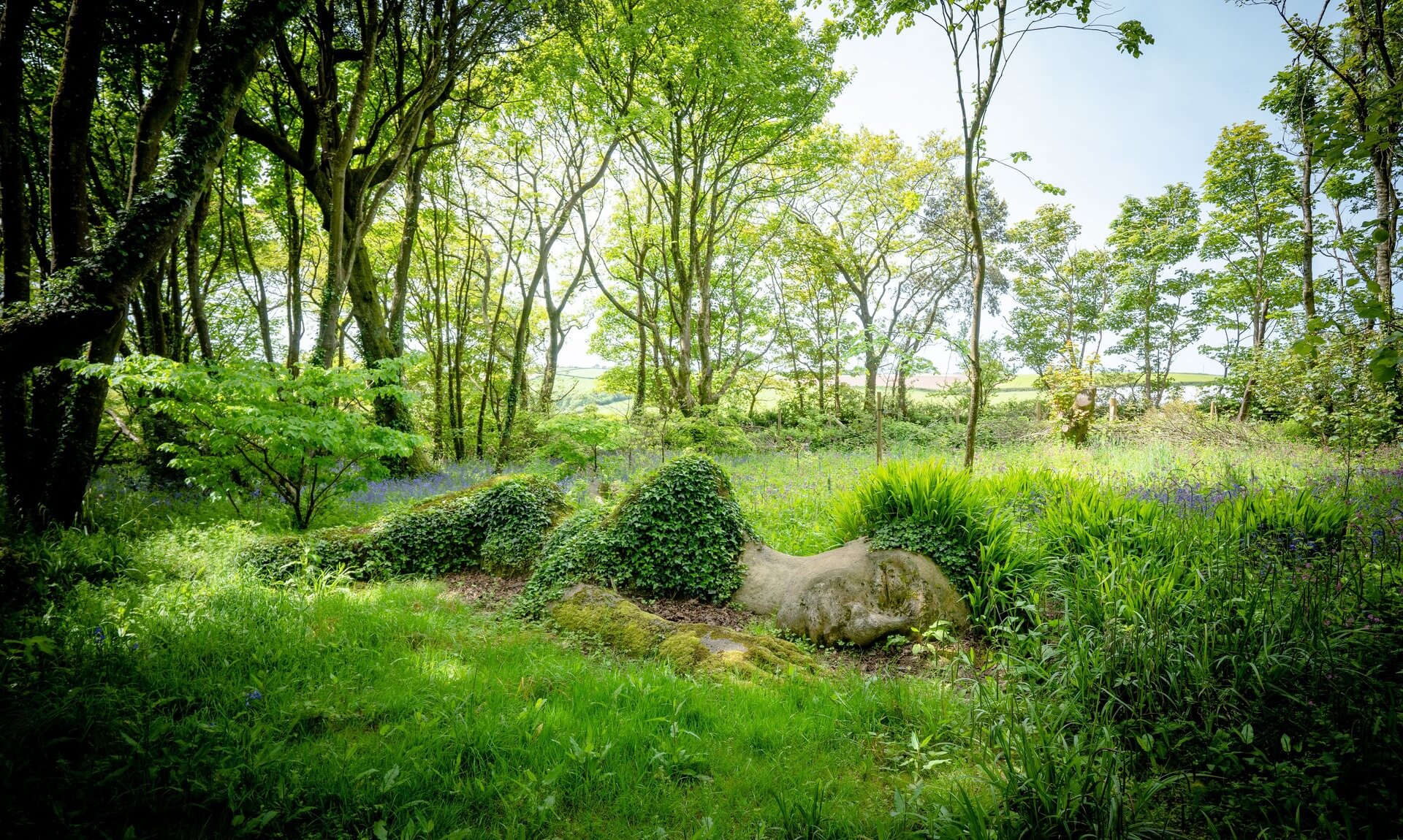
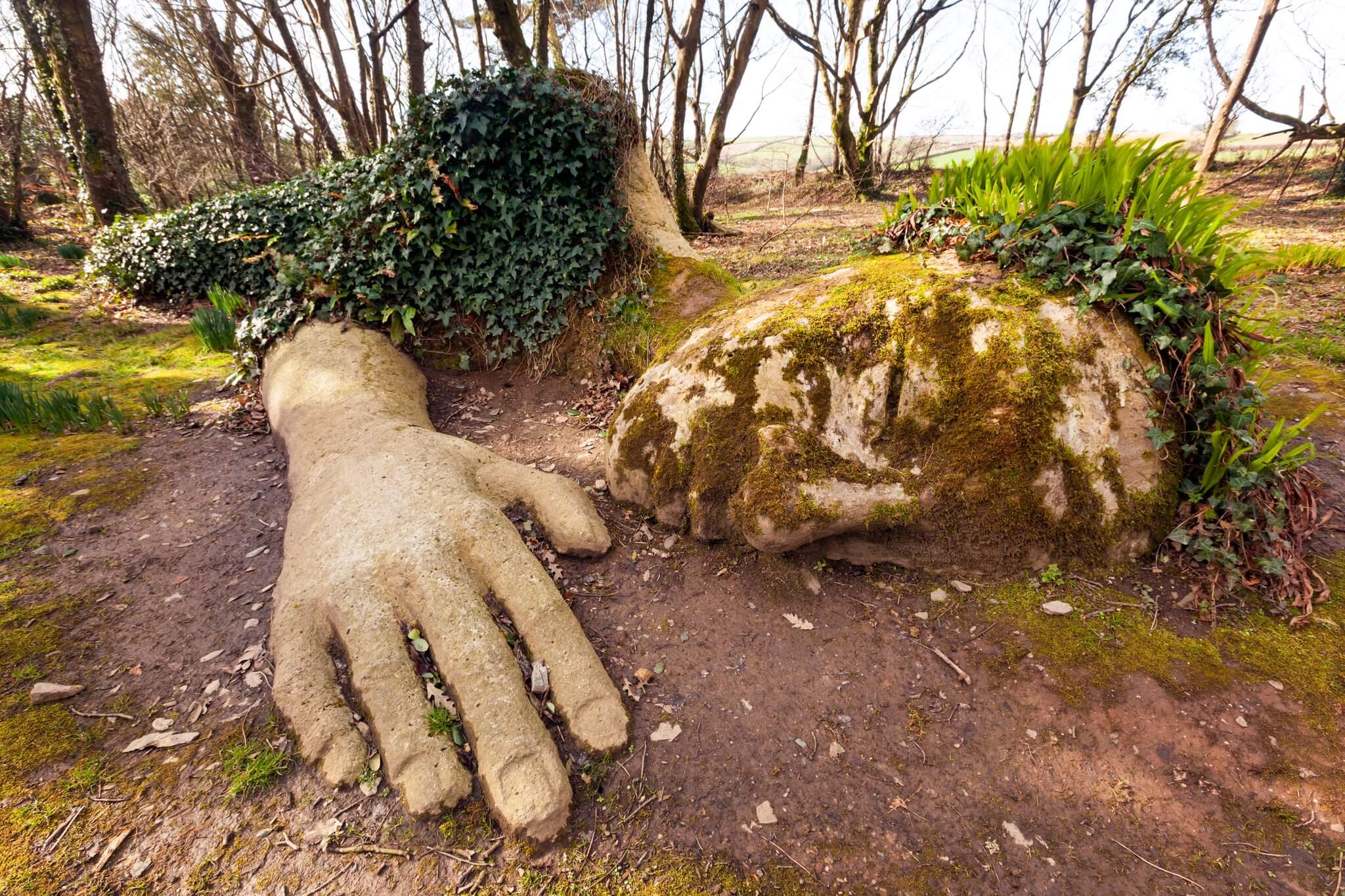
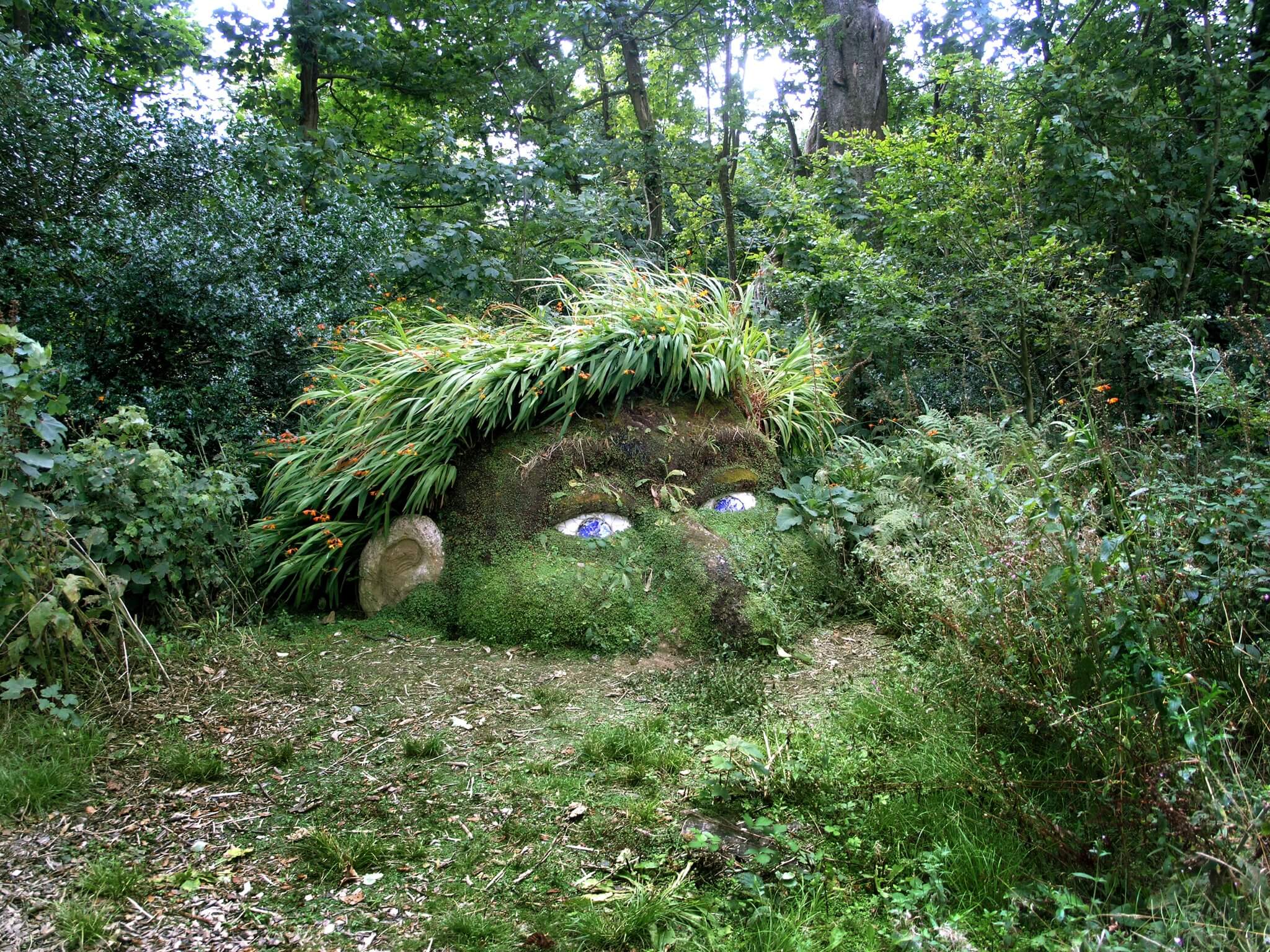
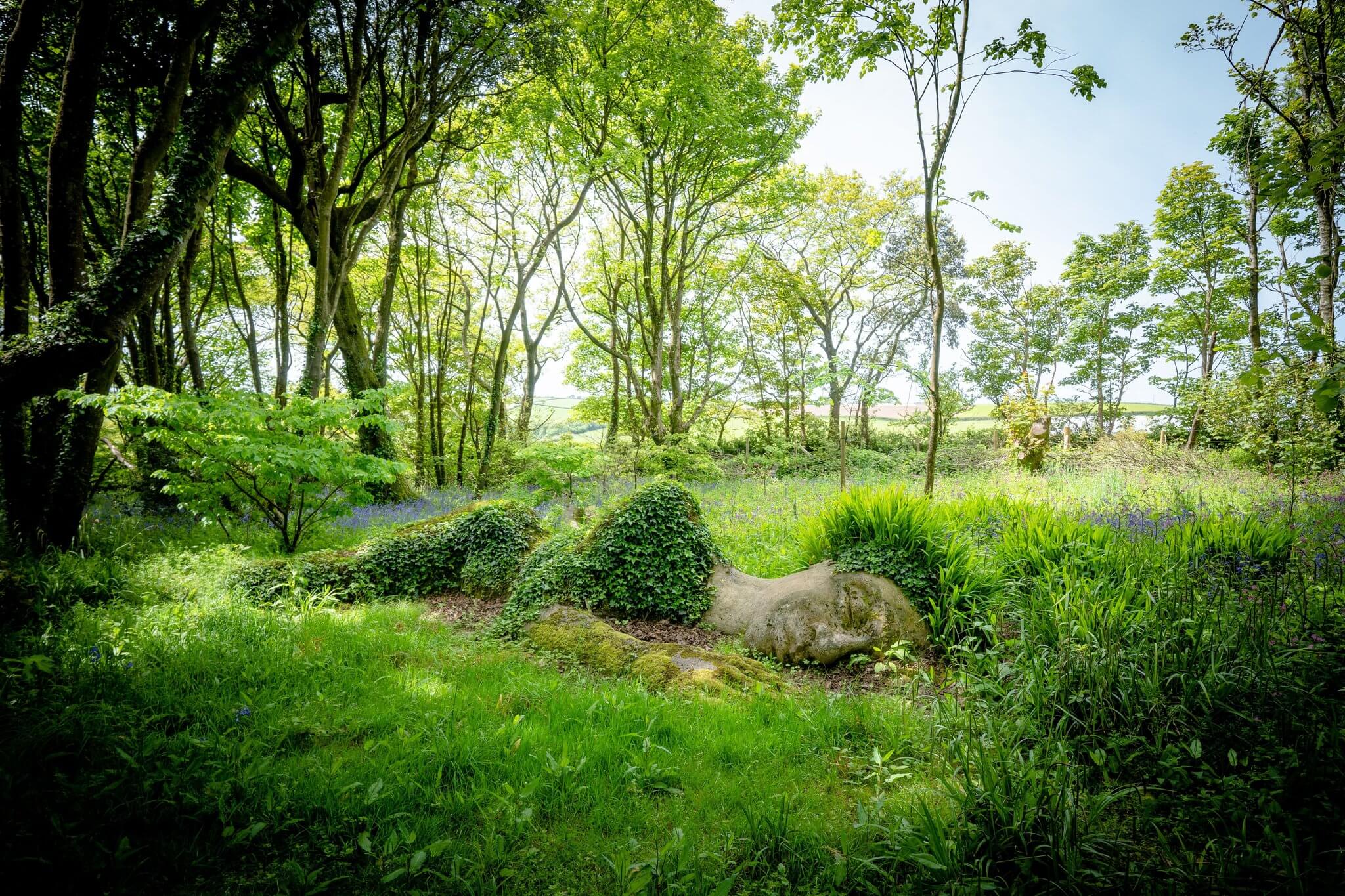
Heligan’s most photographed residents are its living sculptures. The Mud Maid lies asleep in the woodland, her body turfed and planted so that she greens over in spring and browns off in autumn, and the Giant’s Head rises from the earth nearby with a wild mane of grass. They are exactly the sort of thing you point a child at, and exactly the sort of thing that makes an adult stop too.
Wildlife, beavers and the Night Garden
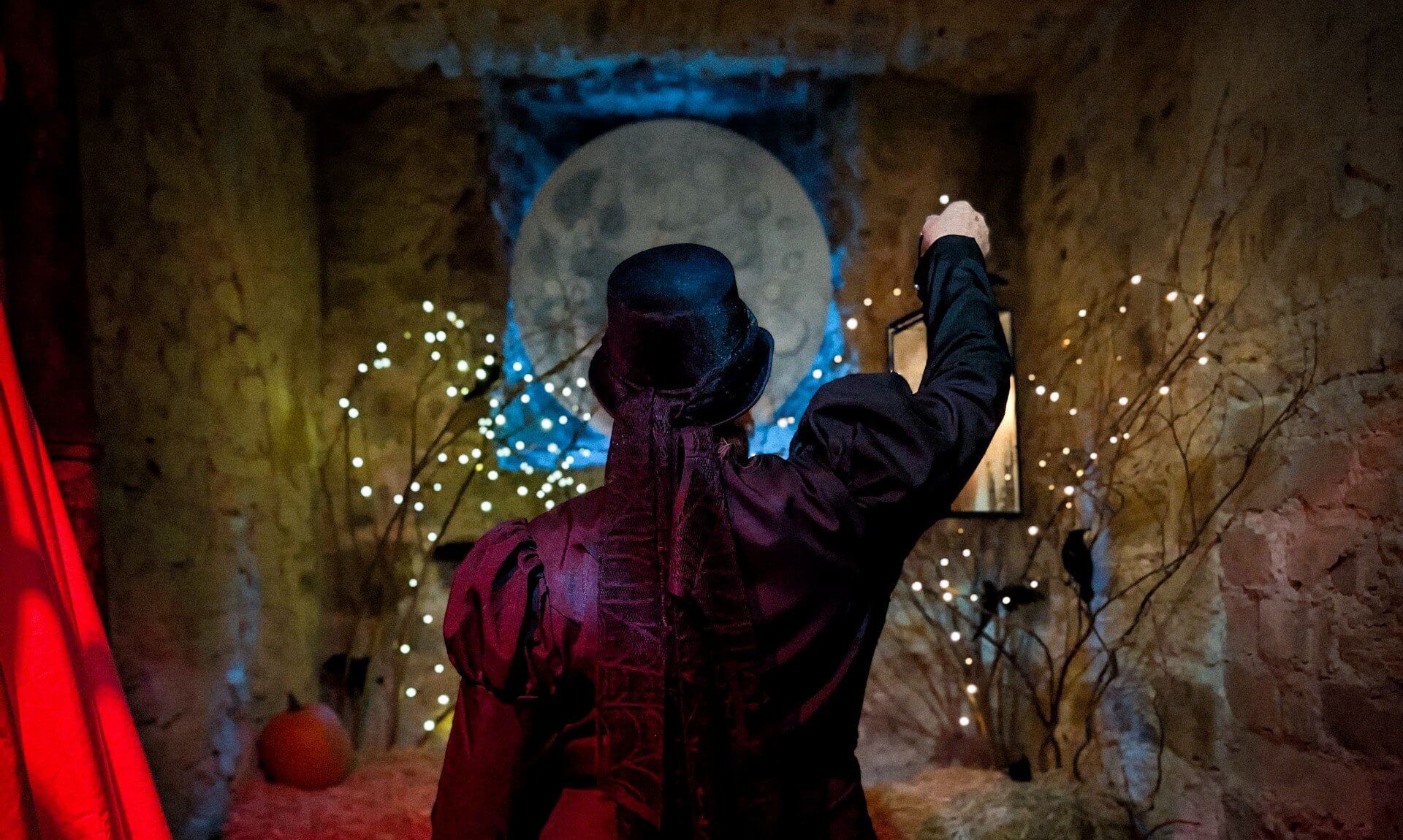
Modern Heligan is as much a wildlife project as a flower garden. There is a rare-breeds farm, hides for watching the estate’s birds and bugs, and, since 2023, a family of beavers reintroduced to the wetland after an absence of some 400 years. On selected dates the gardens open after dark for the Heligan Night Garden, an illuminated evening trail through the grounds.
Your daily dose of Cornwall
News, events and goings on across the Duchy
Plan your visit
The Lost Gardens of Heligan are at Pentewan, St Austell, PL26 6EN, a short drive from Mevagissey and signed from the main roads. The gardens are open daily, typically 10am to 6pm in summer with last entry at 4.30pm, though the hours shift with the season, so it is worth checking before you set off. Peak-summer admission runs to around £25 for an adult and under-£9 for a child, with under-fives free and a Local Pass for residents of Cornwall and Devon. Pre-booking is advised in the busy months.
Current prices, seasonal opening times and event dates, including the Night Garden, are all on the Lost Gardens of Heligan website. Wear something you do not mind getting muddy, because the best bits are down in the valley, and that is rather the point of a garden that spent seventy years going back to the wild.
Share This Story, Choose Your Platform!
To keep up with the latest cornish news follow us below
Follow CornishStuff on Facebook - Like our Facebook page to get the latest news in your feed and join in the discussions in the comments. Click here to give us a like!
Follow us on Twitter - For the latest breaking news in Cornwall and the latest stories, click here to follow CornishStuff on X.
Follow us on Instagram - We also put the latest news in our Instagram Stories. Click here to follow CornishStuff on Instagram.
- 1
- 2
- 3
- 4
- 5
- 6





You Might Also Be Interested In




Discover More In Cornwall


Daily Cornish news by email
The latest daily news in Cornwall, sent direct to your inbox.