Cornwall’s seals need space, and here’s how to give it
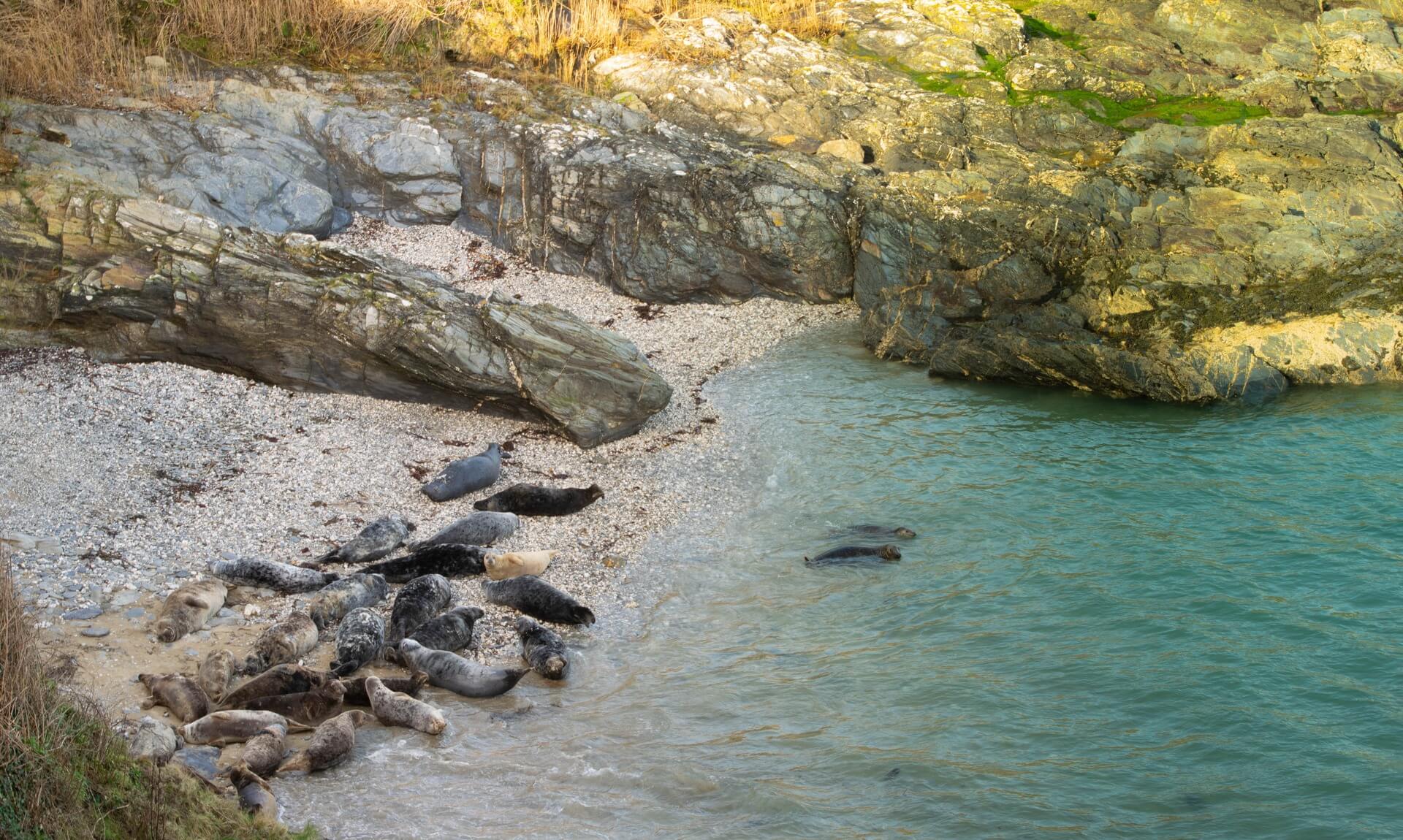
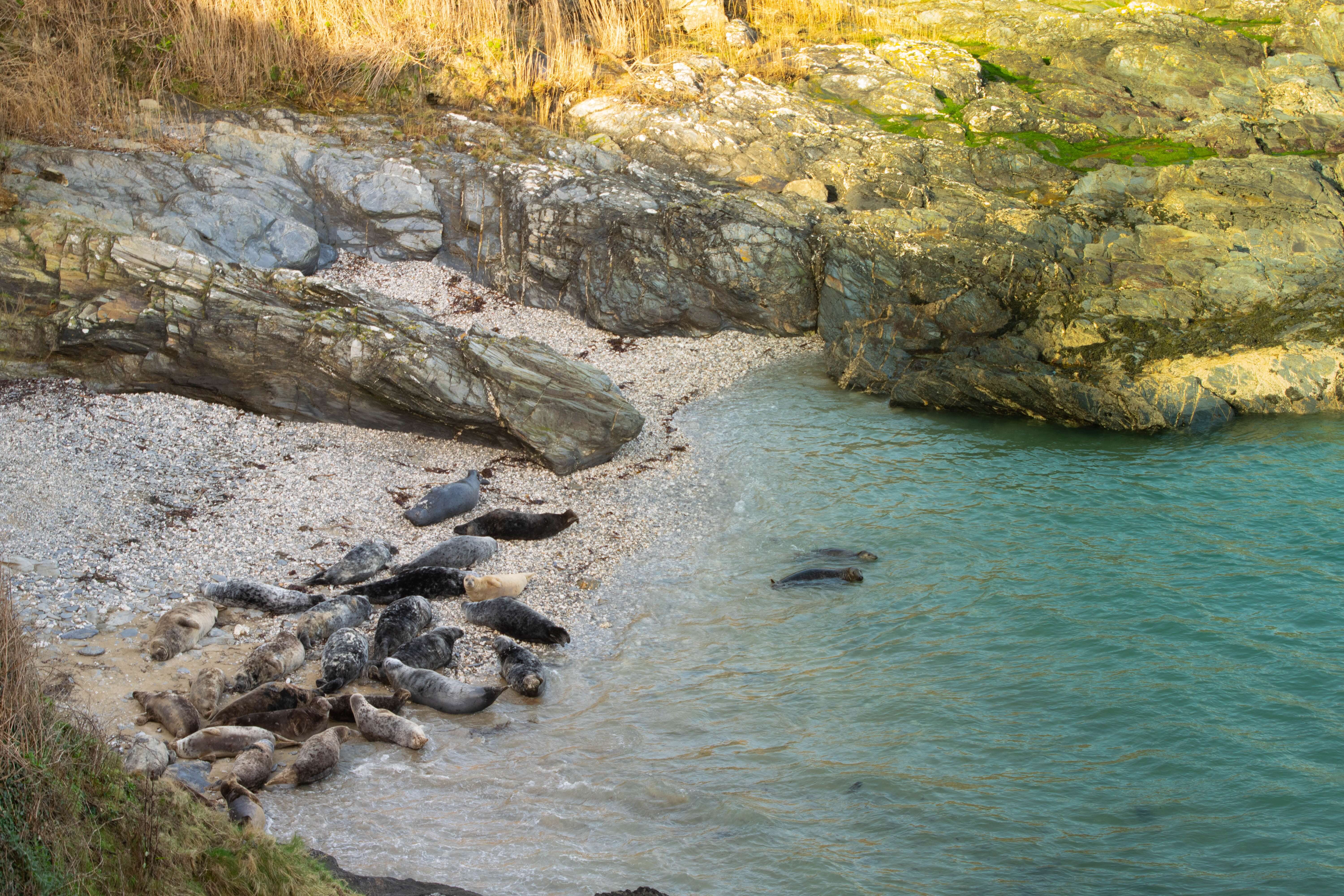
You round a corner on a coastal path and there they are: a dozen or more seals hauled out on the rocks below, some asleep, one watching you with big dark eyes. The urge to get a closer look, or a better photo, is instant. Looe Marine Conservation Group, one of the volunteer groups looking after Cornwall’s coastal wildlife, is asking people to fight that urge, and to understand why a seal that looks perfectly relaxed can already be in trouble.
Your daily dose of Cornwall
News, events and goings on across the Duchy
Why a seal lying still isn’t a seal at rest
Looe Marine Conservation Group says disturbed seals become highly stressed, and that the stress has real physical costs. A seal that is startled or chased can injure itself scrambling over rocks, and every panicked movement burns calories and energy the animal cannot easily replace.
That matters more than it might seem, because seals depend on hauling out on land to rest, sleep and digest their food. All three are essential to their survival. A seal that never gets the chance to do that undisturbed is an animal running on empty.
The signs a seal has already noticed you
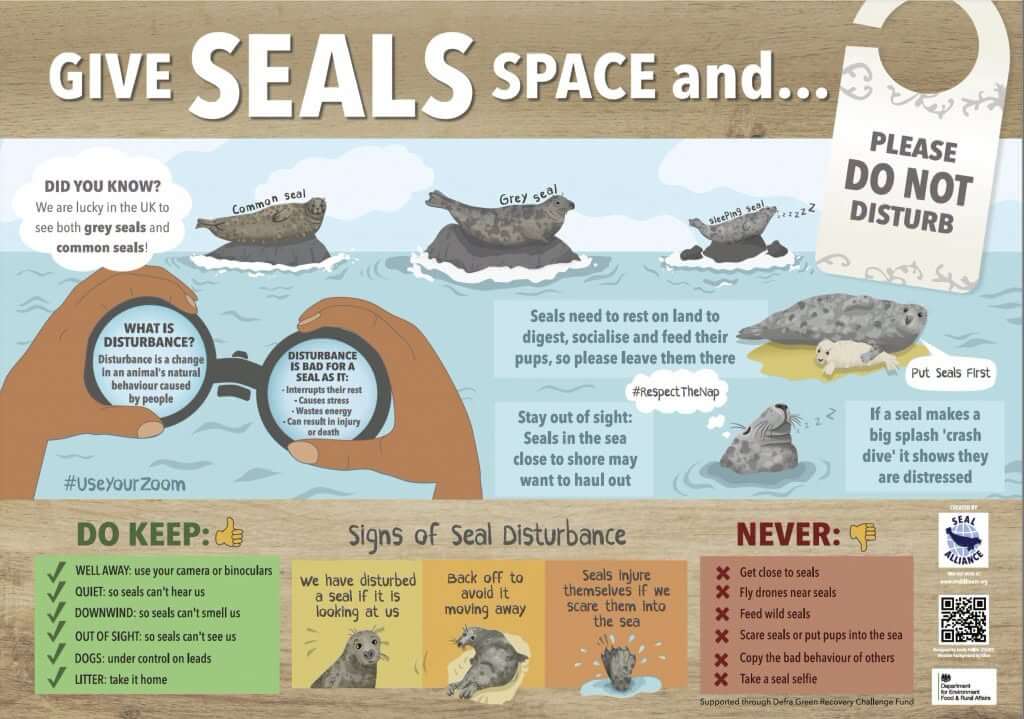
The advice, drawn from the Seal Alliance’s best practice guidance, sets out some of the clearest signs that a seal has clocked your presence and is already unsettled by it. A seal lifting its head to look directly at whoever is nearby is a sign that it has been disturbed. If it then starts to move away, that is a cue to back off rather than follow.
The most dramatic sign is what is known as a crash dive, where a seal in the water close to shore throws itself back under with a big, sudden splash. It looks striking, but it is a distress signal, not a display. Seals resting in the sea near the shoreline may actually want to come out and haul out on land, and a crash dive usually means they have been put off doing exactly that.
What to keep doing, and what to never do
Looe Marine Conservation Group has shared the Seal Alliance’s “Give Seals Space” guidance, which boils the advice down to a short list either side of the line.
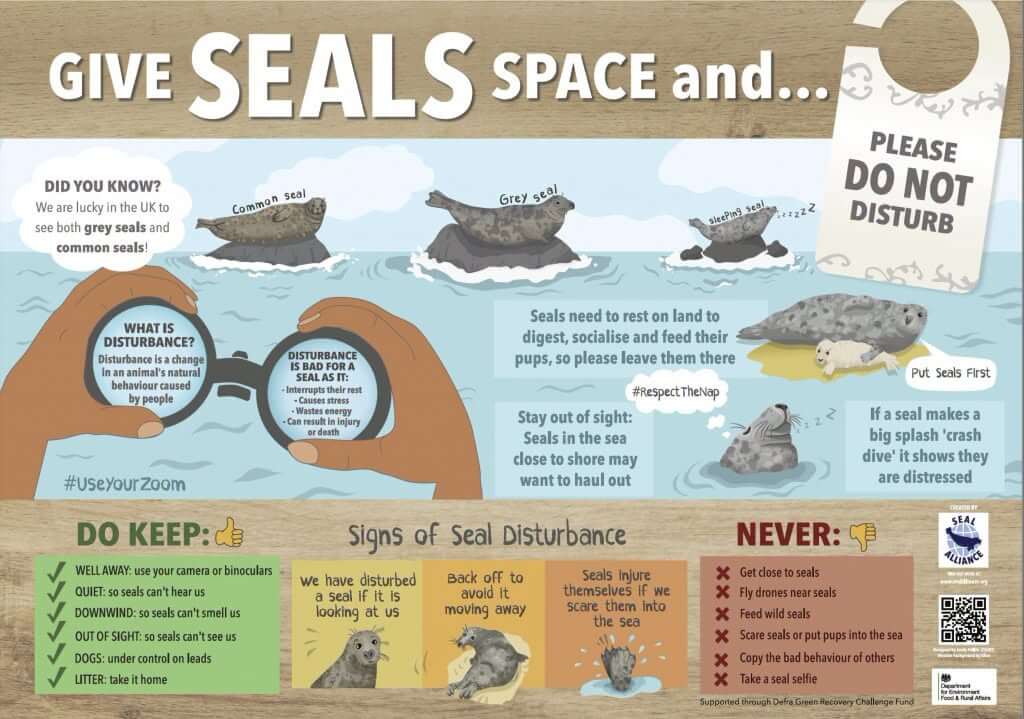
Keep well away, and use a camera or binoculars instead of closing the distance. Stay quiet, so seals cannot hear you, and downwind, so they cannot smell you. Where possible, stay out of sight altogether so they cannot see you either. Dogs should be kept under control on a lead near seals, and any litter should be taken home rather than left on the beach.
On the never list: never get close to seals, never fly a drone near them, and never feed a wild seal. Never scare a seal or a pup into the sea, never copy the bad behaviour of other people nearby, and never take a seal selfie, however tempting the shot looks.
Your daily dose of Cornwall
News, events and goings on across the Duchy
Where to find out more
The full advice sits with the Seal Alliance, the national campaign behind the “Give Seals Space” guidance, and with the Seal Research Trust, which researches and monitors Cornwall’s seal population. Between them the two sites cover how to share space with seals, what to do if you come across one, and how to get involved in protecting them.
Looe Marine Conservation Group’s own message is a simple one to carry onto the coast path: keep your distance, keep your zoom lens instead, and let a resting seal stay exactly what it looks like. Just resting.
Read Next
- Eden ProjectFour years, four wins.
Share This Story, Choose Your Platform!
To keep up with the latest cornish news follow us below
Follow CornishStuff on Facebook - Like our Facebook page to get the latest news in your feed and join in the discussions in the comments. Click here to give us a like!
Follow us on Twitter - For the latest breaking news in Cornwall and the latest stories, click here to follow CornishStuff on X.
Follow us on Instagram - We also put the latest news in our Instagram Stories. Click here to follow CornishStuff on Instagram.
- 1
- 2
- 3
- 4
- 5
- 6