Truro Cathedral turning green in memory of baby Noah Jordan
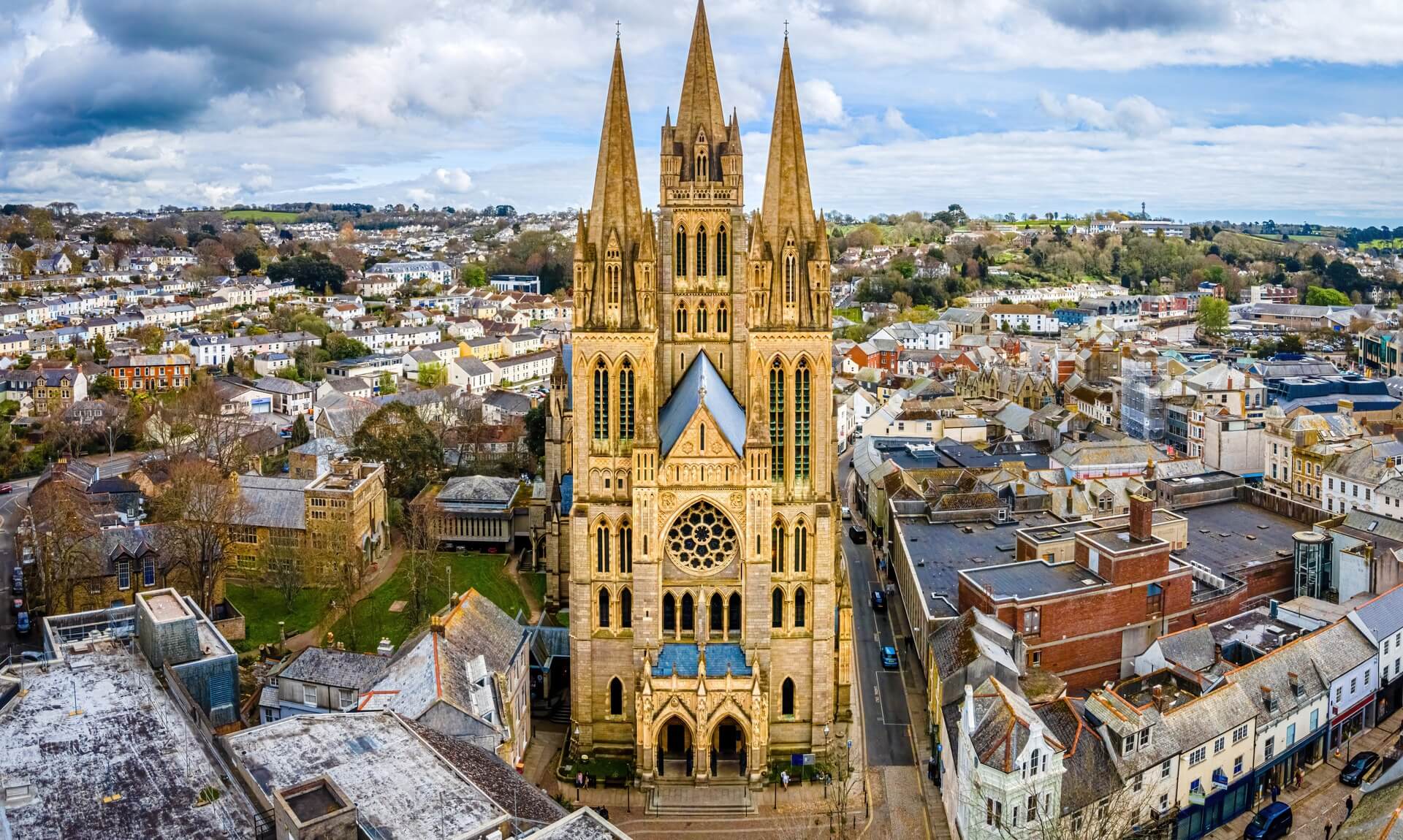
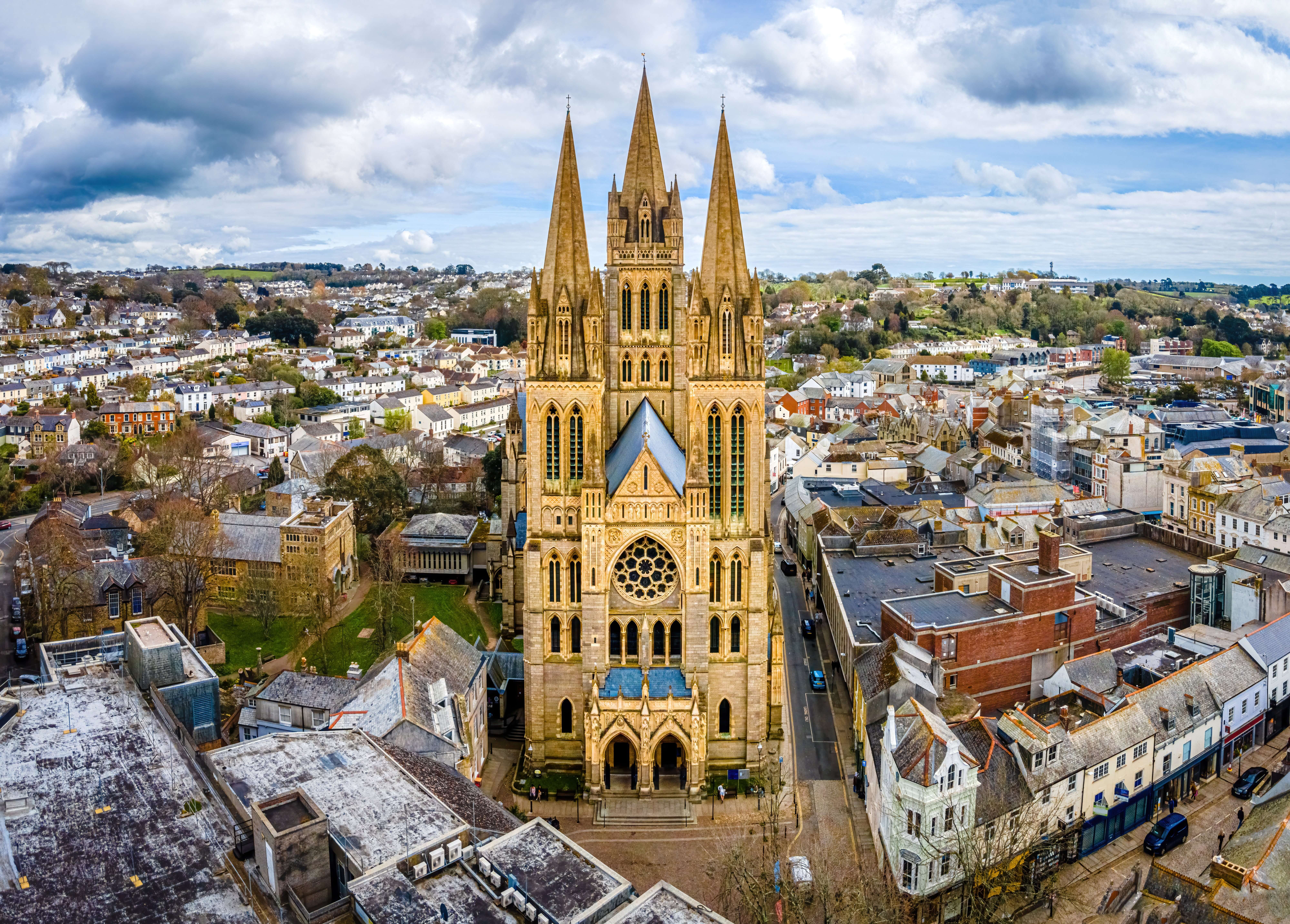
For one evening this September, Truro Cathedral’s three spires will glow a colour they have never worn before, and the reason for it traces back to a nine-month-old boy from Tywardreath.
Your daily dose of Cornwall
News, events and goings on across the Duchy
A global lights-up moment, with local roots
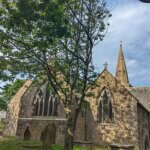
From 8pm on Saturday 19 September 2026, Truro Cathedral will be lit up green alongside landmarks across the UK and around the world as part of Light Up for Mito, a global campaign held during Mitochondrial Disease Awareness Week. The display is a show of solidarity with the thousands of children and adults living with mitochondrial disease, and the families who support them. Green has become the colour associated with mitochondrial disease awareness, connecting communities taking part in different countries on the same night.
The Truro Cathedral illumination has been organised with The Noah Jordan Foundation (TNJF), and it will not be the only landmark the charity lights up that evening. Newcastle’s Millennium Bridge is also being turned green, a pairing that matters a great deal to the people behind it.
Team members from TNJF will be at Truro Cathedral from 4.30pm, ahead of the lights coming on, giving visitors and passers-by the chance to find out more about mitochondrial disease, the charity’s work and how they can support affected families.
Why Newcastle matters just as much as Truro
Newcastle is home to the Mitochondrial Research Group at Newcastle University, where TNJF is funding a three-year medical research PhD focused on understanding POLG mitochondrial disease in more depth. The research is led by Professor Bobby McFarland, one of the UK’s leading experts in paediatric mitochondrial medicine and the charity’s Medical Advisor.
Seeing Truro Cathedral and the Millennium Bridge illuminated in the same green light, on the same night, brings something full circle for the foundation. One glows in Cornwall, where the charity began. The other glows in the city where the research it funds is actually being carried out.
Ben Jordan, founder of The Noah Jordan Foundation and Noah’s father, said the pairing carries real weight:
“We are absolutely delighted that Truro Cathedral is joining Light Up for Mito and helping us shine a light on mitochondrial disease. Seeing such an iconic landmark in the heart of Cornwall illuminated in green, alongside landmarks around the world, is a powerful reminder that children and families affected by mitochondrial disease are part of a global community and are not alone.
“This event is particularly meaningful to us because The Noah Jordan Foundation was established in memory of our son Noah, who died from POLG mitochondrial disease in March 2024, aged just nine months. It is a devastating disease for which there is currently no treatment or cure. When Noah died, I made him a promise that the impact I would have on these diseases in my lifetime, for other children and families, would be his legacy, and I will not let him down.”
Truro Cathedral said in a statement: “We are proud to work with The Noah Jordan Foundation to light the cathedral in green. This gesture helps shine a light on the challenges faced by children and families affected by mitochondrial disease, raising awareness of the charity and the important work it does.”
Noah’s story
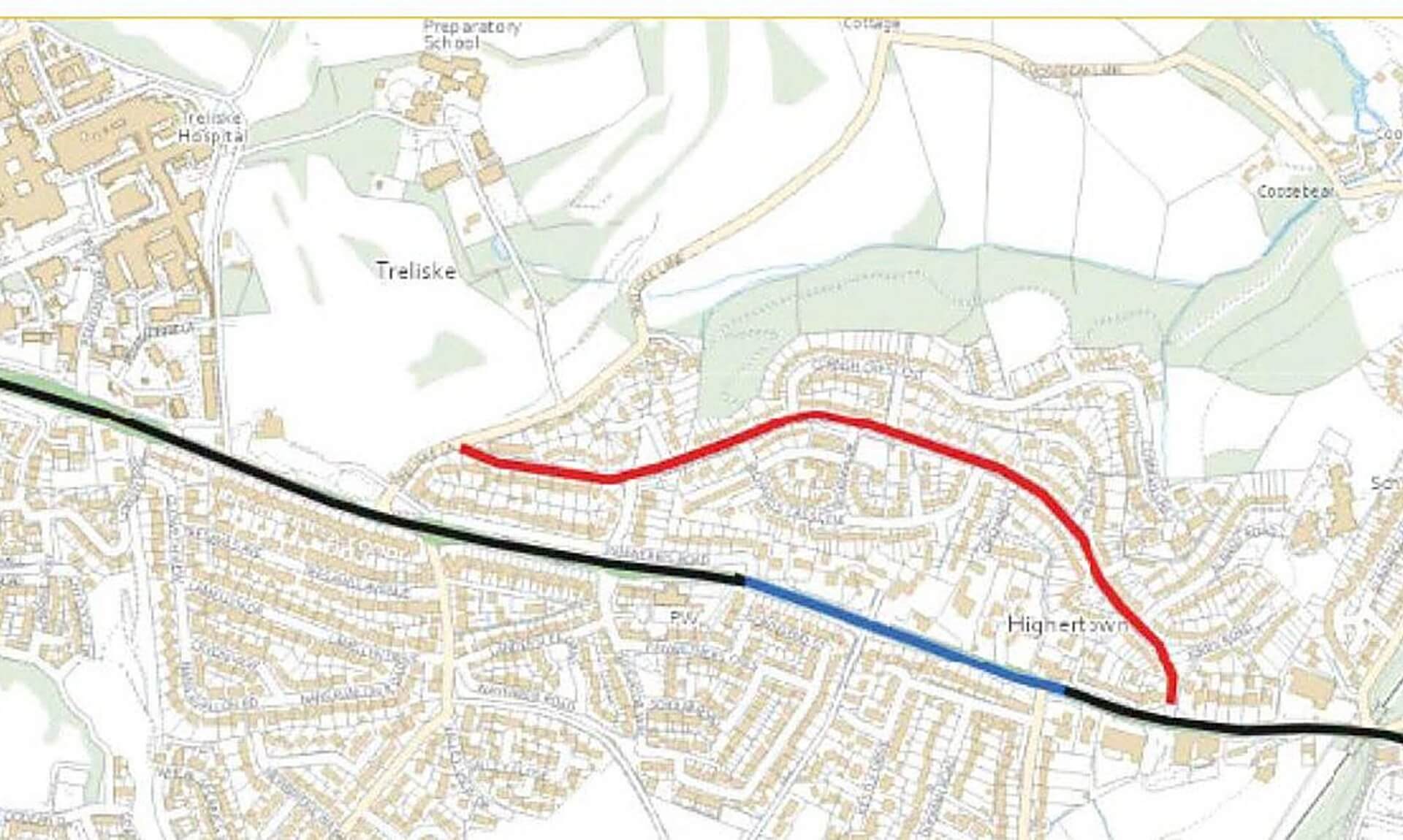
Noah Kenneth Ray Jordan was born on 5 June 2023 at Treliske, the Royal Cornwall Hospital in Truro, the second son of Ben and Natasha. He was, by his parents’ account, a happy and healthy little boy who loved playing with his older brother, Freddie.
Your daily dose of Cornwall
News, events and goings on across the Duchy
Something wasn’t right
On the evening of 18 February 2024, Natasha and Ben noticed yellowing in Noah’s eyes, which they thought might be jaundice. With the GP closed for the weekend, a call to 111 sent Natasha and Noah from their home in Tywardreath to the urgent care centre in St Austell, while Ben stayed home with Freddie.
Medical staff there were concerned enough to send Natasha and Noah straight on to Treliske, where he was admitted as an inpatient with suspected acute liver failure. He was critically ill, and nobody yet knew why. After around twelve hours, doctors decided he needed the nearest paediatric liver specialist centre, Birmingham Children’s Hospital, and Noah and Natasha were blue-lighted there overnight. Noah was admitted to the Liver Unit, and the rest of the family were given a room at Ronald McDonald House, which supports families of critically ill children who are away from home for extended periods.
Over the next ten days, a series of specialist tests failed to find a cause while Noah continued to deteriorate. He had to stop breastfeeding, relying instead on a central line into his neck for medication and an NG tube for fluids. It was only when he began having uncontrollable seizures and developed hypoglycaemia, and was moved to the paediatric intensive care unit, that mitochondrial disease was first mentioned.
A rare and devastating diagnosis
On the morning of 1 March 2024, a consultant took Natasha and Ben aside and told them Noah was going to die, and that there was nothing more that could be done. Genetic blood tests had shown Noah had Alpers-Huttenlocher Syndrome, an incredibly rare and terminal form of paediatric mitochondrial disease affecting the POLG gene, commonly known as POLG mitochondrial disease. It attacks the liver and brain, and there is currently no treatment or cure. Noah’s care moved to palliative.
Doctors explained that, because of the genetic nature of the disease, any sibling had a 25 per cent chance of developing it too. Testing later confirmed that Freddie did not have it.
Noah’s final days
The family wanted to spend Noah’s remaining time at a children’s hospice, but by the time of his diagnosis he was too ill for the long journey back to Cornwall or to Children’s Hospice South West. Instead, Ben and Natasha found care for him at Alexander Devine Children’s Hospice in Berkshire, near Natasha’s family home. A multi-disciplinary team at Birmingham Children’s Hospital put a plan in place to move him safely, with Natasha and medical staff travelling with him in the ambulance for the hour-and-a-half journey.
At the hospice, staff made sure Noah was as comfortable as possible while giving the family the chance to make memories in the limited time they had left together, including time in the swimming pool and in music therapy with family and close friends.
Noah died peacefully in his parents’ arms on 19 March 2024, one month and a day after his first admission to hospital. He was nine months old.
Ben and Natasha describe Noah as having remained brave throughout, his smile never quite fading, facing each moment with a resilience beyond his months.
Your daily dose of Cornwall
News, events and goings on across the Duchy
A Cornwall charity built on a promise
The Noah Jordan Foundation was founded in Noah’s memory, and its work in Cornwall now sits behind three charitable aims: funding vital medical research, raising awareness, and supporting children and families affected by paediatric mitochondrial diseases. The Cornwall charity’s ambition, over time, is to improve understanding and care, help develop effective treatments and, eventually, find a cure.
The foundation is encouraging people across Cornwall to come along to Truro Cathedral on 19 September, meet the TNJF team, find out more about mitochondrial disease, and show their support for the mitochondrial disease community.
“By coming together and sharing Noah’s story, we hope to raise greater awareness of mitochondrial disease and ensure that his legacy continues to have a lasting impact by funding vital medical research and supporting children and families affected by these devastating diseases,” Ben said.
When Noah died, his father made him a promise. Two and a half years on, a cathedral in Cornwall and a bridge in Newcastle are both about to glow the same shade of green because of it.
Read Next
- Cornish PoliticsSix MPs will walk into Downing Street together over the coming weeks, all representing the same county, all pushing the same argument: that Cornwall needs its own deal.
Share This Story, Choose Your Platform!
To keep up with the latest cornish news follow us below
Follow CornishStuff on Facebook - Like our Facebook page to get the latest news in your feed and join in the discussions in the comments. Click here to give us a like!
Follow us on Twitter - For the latest breaking news in Cornwall and the latest stories, click here to follow CornishStuff on X.
Follow us on Instagram - We also put the latest news in our Instagram Stories. Click here to follow CornishStuff on Instagram.
- 1
- 2
- 3
- 4
- 5
- 6