Cornwall Council wants Cornish added to Redruth’s road signs
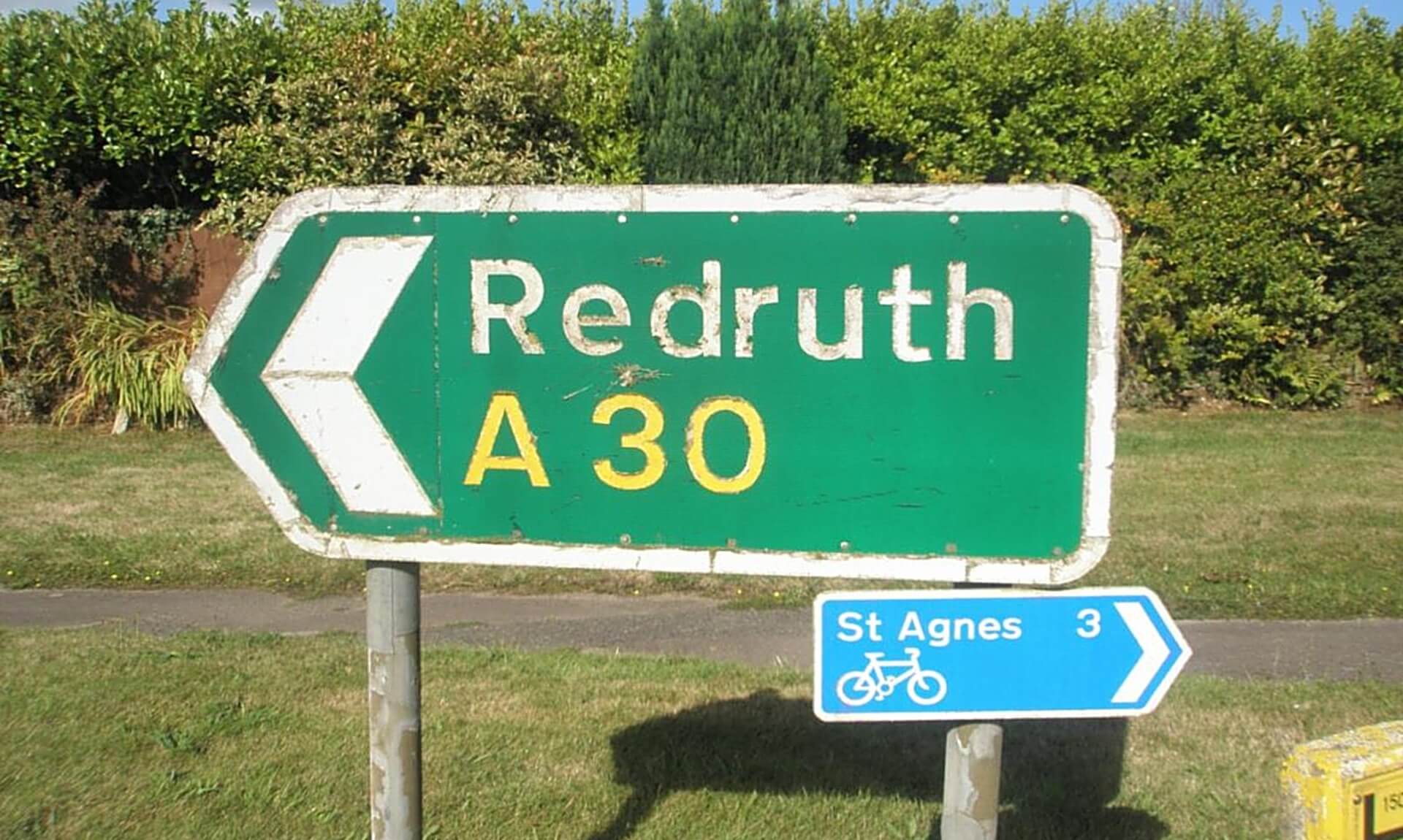
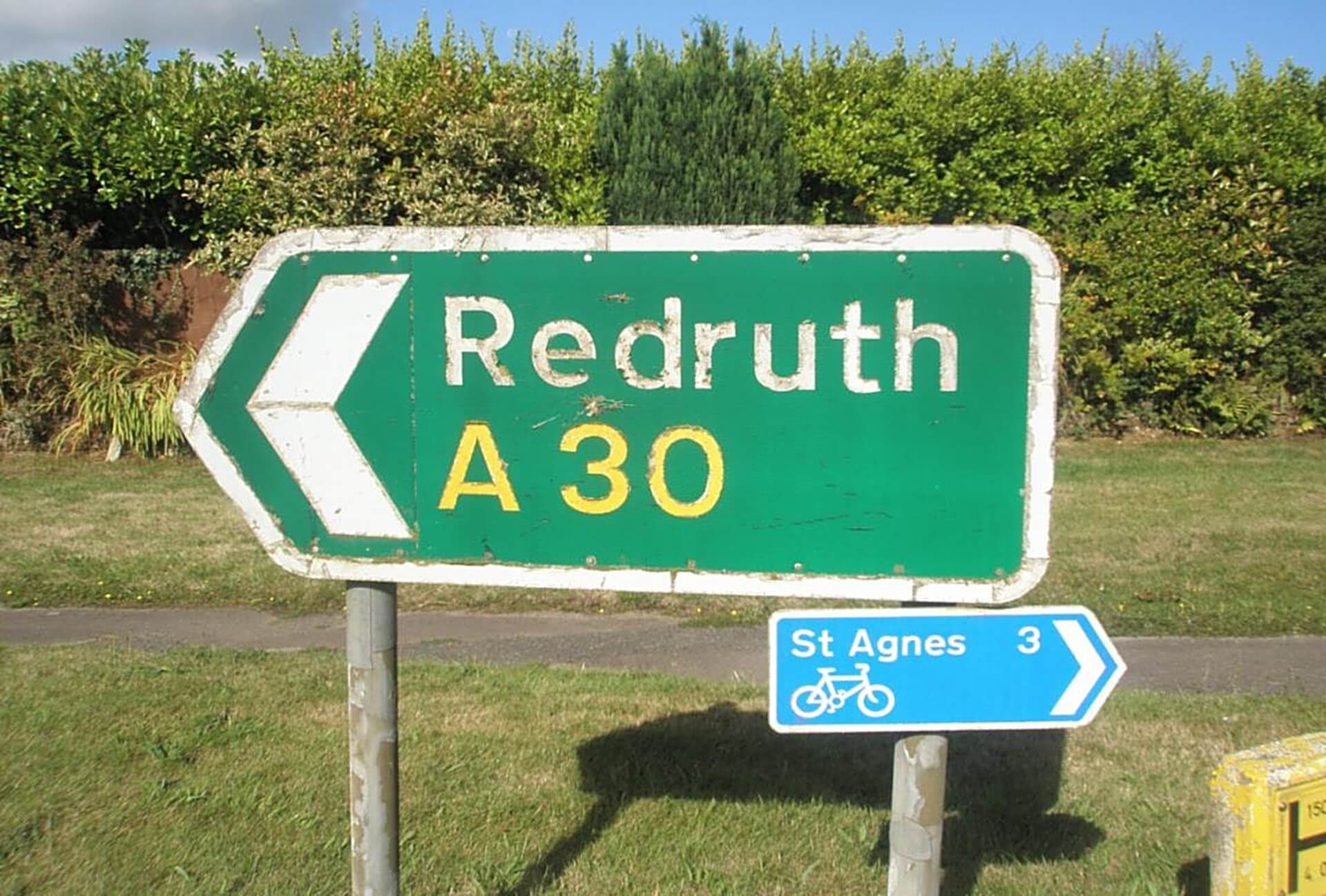
Peel back the white paint flaking off a green road sign on the edge of Redruth and there is a name underneath it that predates the A30 by centuries. Cornwall Council has now asked for that older name to start appearing on signs too, and the Cornish language campaign group Agan Tavas has come out in support.
Your daily dose of Cornwall
News, events and goings on across the Duchy
What Cornwall Council has asked for
Cornwall Council has written to the Department for Transport requesting that Cornish place-names appear alongside the usual English wording on road signs. Agan Tavas, the Campaign for the Cornish Language, has welcomed the move.
The change would not mean every sign in Cornwall gets swapped out overnight. It would only be applied when a sign is due for replacement in the normal run of maintenance, so a bilingual sign would appear the moment an old one had to come down anyway rather than as a one-off rebranding exercise.
The deteriorated signs behind the request
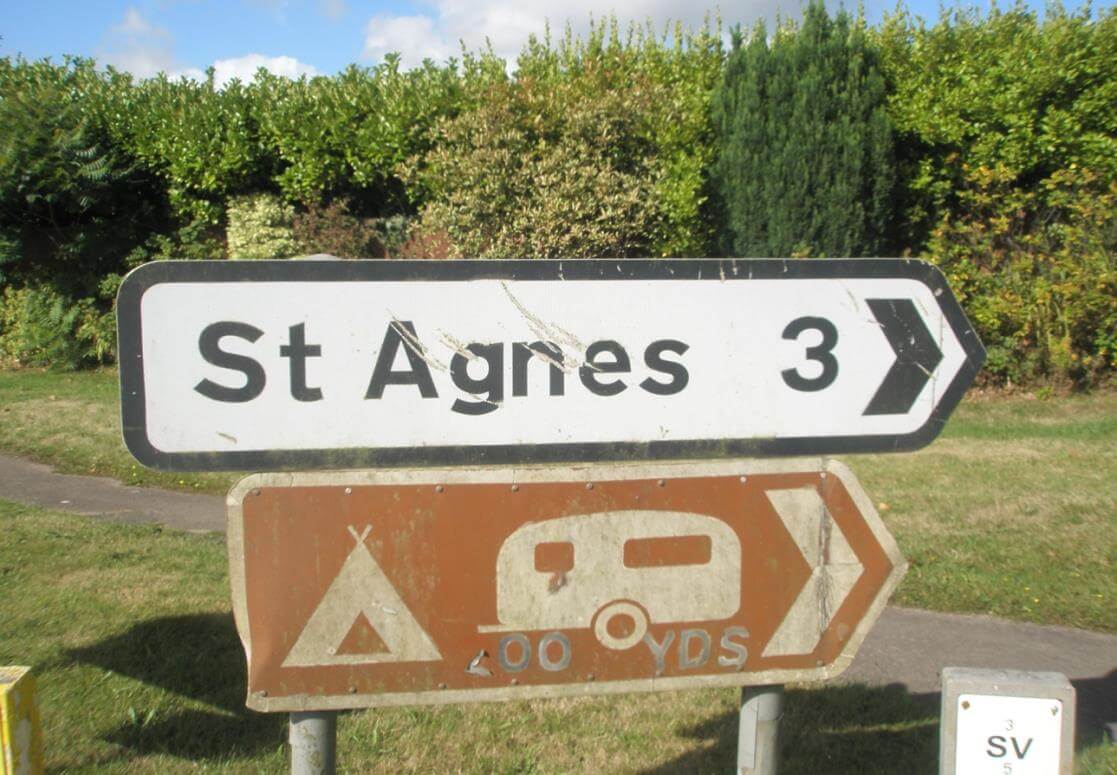
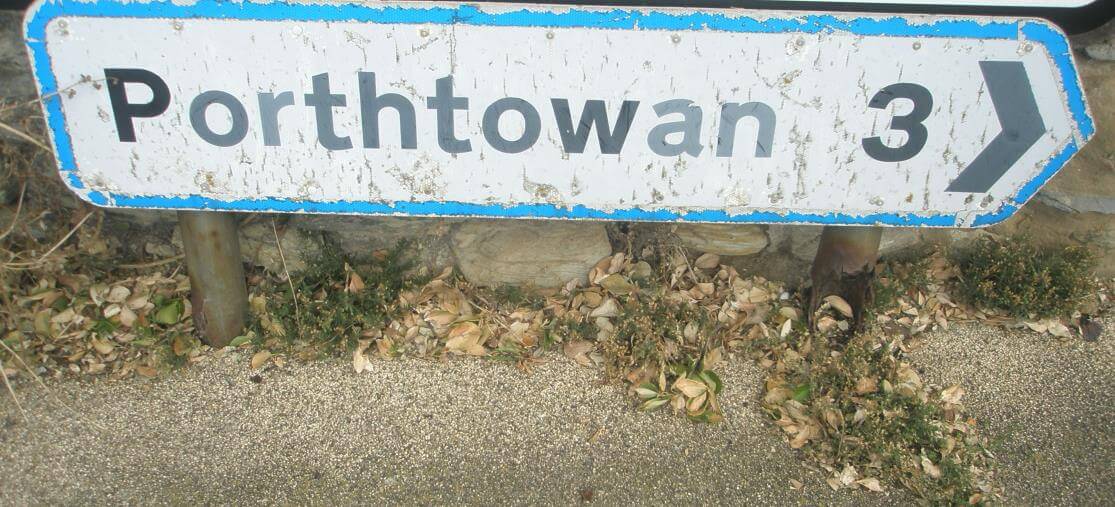
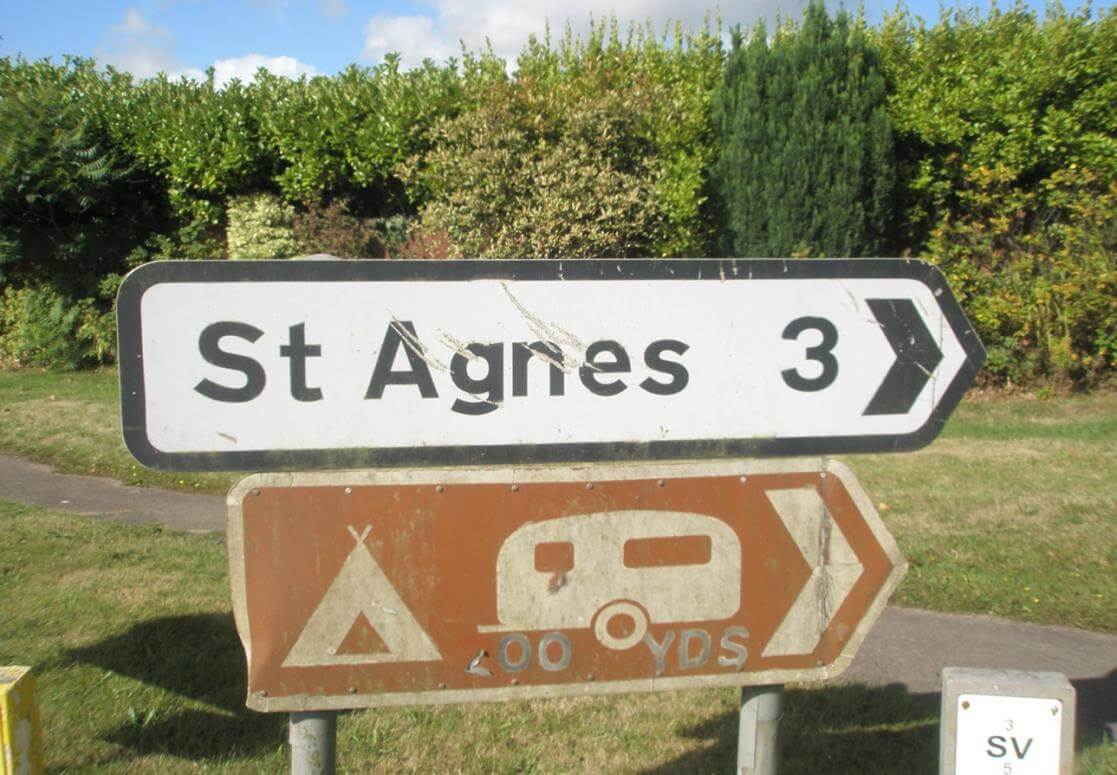
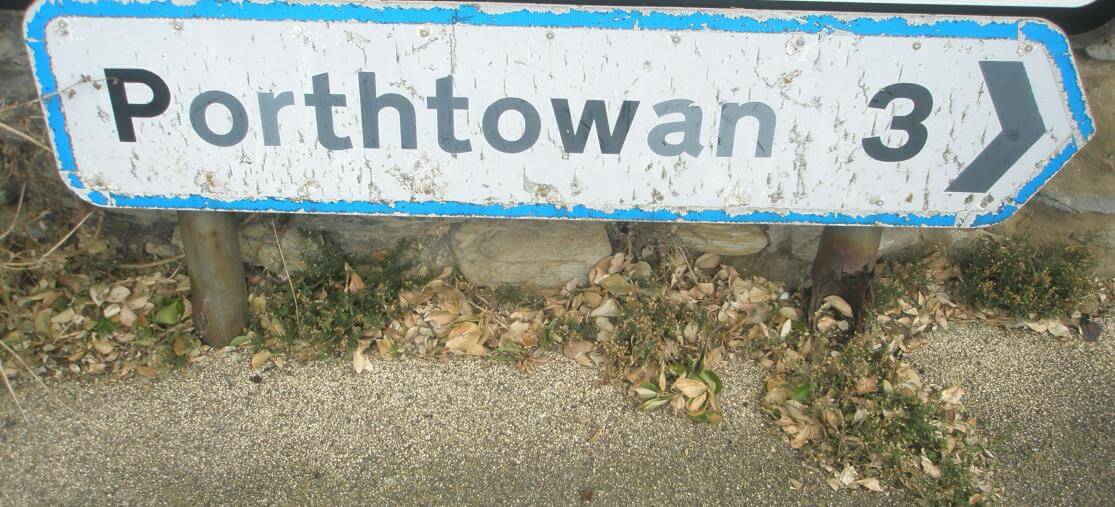
Agan Tavas has pointed to a set of weathered signs as examples of exactly the sort that would eventually qualify. The paint is peeling on all of them, the lettering is worn thin in places, and the posts have taken years of coastal weather. Under the request, these are the kind of signs that would carry a Cornish name once they reach the front of the replacement queue.
The signs shown here would be rendered as Redrudh, Breanek and Porth Tewyn respectively, standing alongside the familiar Redruth, St Agnes and Porthtowan already on the boards.
Where the Cornish spellings come from
Agan Tavas has been clear about where the names on any future bilingual sign would need to come from. All the examples are taken from A Concise Dictionary of Cornish Place-Names (ISBN 978-1-904808-22-0) by the late Craig Weatherhill. Craig was widely regarded as the foremost expert on Cornish place-names before his death, and Agan Tavas treats his dictionary as the benchmark for any work on bilingual signs, arguing that using it consistently would help preserve the history behind Cornwall’s place-names.
That same body of work sets out where the limits should sit. Agan Tavas maintains that names coined in the 19th century, after the native language had died out, should not be translated into Cornish at all. And a handful of Cornish place-names have Norman French origins rather than Cornish ones, and Agan Tavas says those should keep their historical roots too rather than being given a Cornish rendering they never had.
Agan Tavas frames the wider project as more than a change of wording on a signpost. Bilingual signs, the group says, are a chance to tell people something about where a place-name actually came from, and that is a prospect Agan Tavas says it welcomes.
For now, it is still a request sitting with the Department for Transport, and Cornwall Council has not said which sign might be first in line once it is due for renewal.
Read Next
- South West WaterWondering what the drought really means for the water coming out of your taps?
Share This Story, Choose Your Platform!
To keep up with the latest cornish news follow us below
Follow CornishStuff on Facebook - Like our Facebook page to get the latest news in your feed and join in the discussions in the comments. Click here to give us a like!
Follow us on Twitter - For the latest breaking news in Cornwall and the latest stories, click here to follow CornishStuff on X.
Follow us on Instagram - We also put the latest news in our Instagram Stories. Click here to follow CornishStuff on Instagram.
- 1
- 2
- 3
- 4
- 5
- 6