Cornwall bird keepers told to bring flocks indoors from Friday
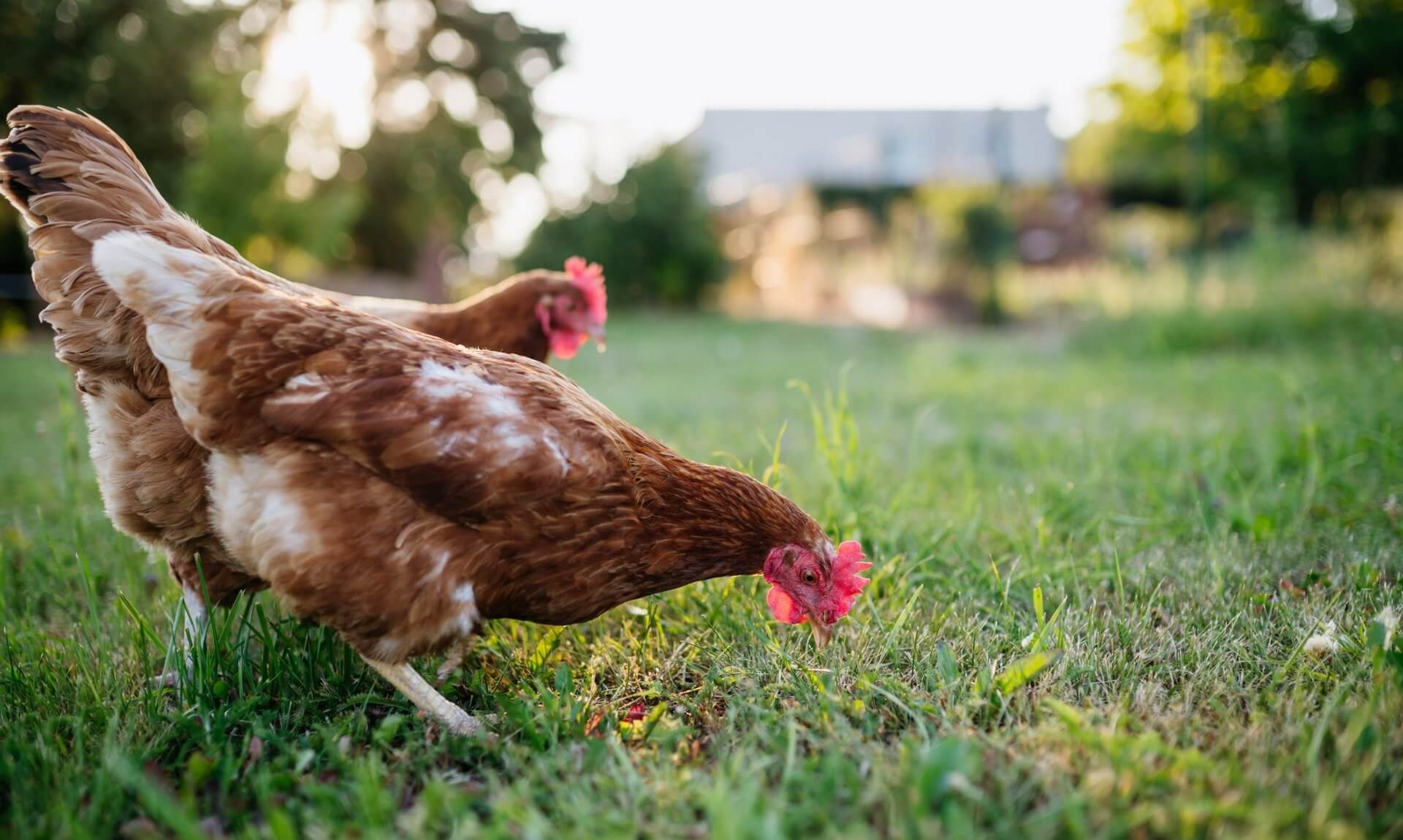
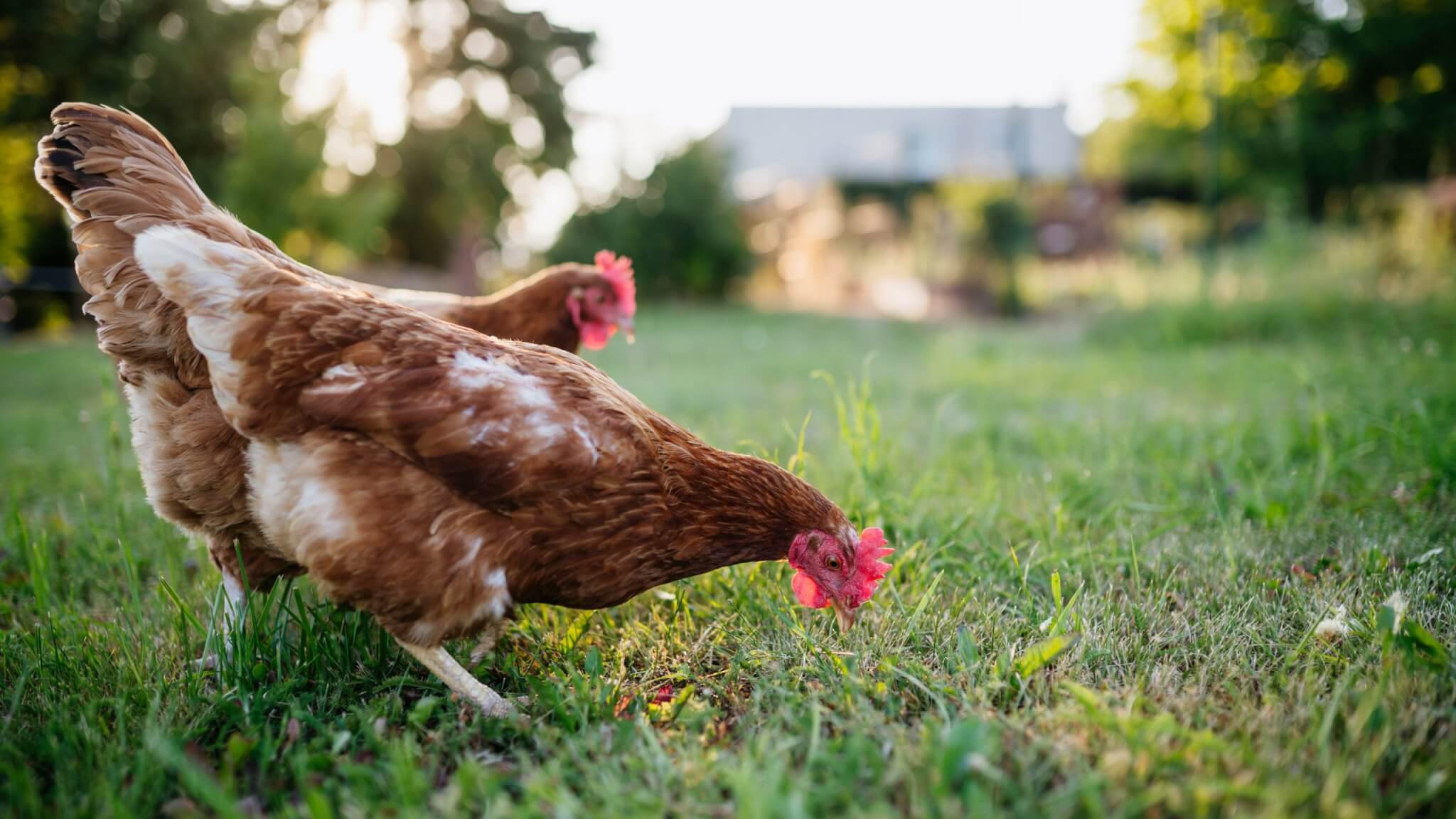
If you keep chickens, ducks or geese, check how many you’ve got. From 00:01 this Friday (13 November), anyone in England keeping 50 or more poultry or other captive birds has to keep them indoors.
The national housing order was announced by the UK Chief Veterinary Officer after a rise in the risk of highly pathogenic avian influenza (bird flu) in kept birds and further cases in wild birds. Cornwall Council shared the news with keepers across the Duchy, and the full announcement is on GOV.UK.
Who has to house their birds
The order covers all of England, so it applies to farms and smallholdings across Cornwall. Keepers with 50 or more birds must house them. So must anyone who sells or gives away eggs, poultry products or live birds. A few situations are exempt, such as some zoo birds.
The government says there has been an “escalating number” of confirmed cases in kept birds, as well as findings in wild birds. It did not give case numbers.
What every keeper has to do, whatever the flock size
An England-wide Avian Influenza Prevention Zone (AIPZ) is already in force. Its biosecurity rules apply to every keeper, including people with a handful of hens in the back garden.
Under the AIPZ, keepers must:
- clean and disinfect clothing, footwear, equipment and vehicles before and after contact with birds, and use disposable protective clothing where practical
- limit how many people, vehicles and equipment go near bird areas
- control rats and other vermin
- clean and disinfect housing regularly and thoroughly
- keep fresh disinfectant at the right strength at entrances and exits
- keep poultry away from wild birds, with feed and water out of their reach
- keep birds away from ponds and watercourses, in fenced or enclosed areas
Larger flocks also have to record changes in egg production, keep records, disinfect footwear and regularly clean concrete walkways. The full list is on the AIPZ page.
Signs to look out for
According to the government’s bird flu guidance, signs of the highly pathogenic strain include:
- sudden death, or birds collapsing and not responding
- drooping wings, tiredness or low mood
- watery or discoloured droppings
- a sharp drop in egg laying, or abnormal eggs
- breathing trouble, such as open-mouth breathing, coughing, sneezing or rattling
- a swollen, bluish comb and wattles, or a swollen head
- poor coordination, or a twisting head and neck
Ducks, geese and swans can carry the virus without looking ill.
How to report it
Suspected bird flu in kept birds must be reported straight away, even if the signs are mild. In England, call the Animal and Plant Health Agency (APHA) on 03000 200 301.
If you find dead wild birds, the government has separate guidance on when and how to report them. There is also advice on preventing bird flu from spreading.
What it means for the public
The UK Health Security Agency (UKHSA) puts the risk to human health at very low and is monitoring the situation. The Food Standards Agency says poultry and eggs are safe to eat as long as they are cooked properly.
The UK produces around eight million turkeys a year. The government does not currently expect any overall effect on Christmas turkeys or other seasonal poultry.
UK Chief Veterinary Officer Christine Middlemiss urged keepers to follow the housing measures and report any suspected disease immediately. She said having bird flu confirmed in a flock “can be devastating”.
Read Next
- LauncestonA sheet of paper, held on with brown parcel tape, now decides who can and can't walk through one front door in Launceston.
Share This Story, Choose Your Platform!
To keep up with the latest cornish news follow us below
Follow CornishStuff on Facebook - Like our Facebook page to get the latest news in your feed and join in the discussions in the comments. Click here to give us a like!
Follow us on Twitter - For the latest breaking news in Cornwall and the latest stories, click here to follow CornishStuff on X.
Follow us on Instagram - We also put the latest news in our Instagram Stories. Click here to follow CornishStuff on Instagram.
- 1
- 2
- 3
- 4
- 5
- 6