Truro hospital seeks pregnant women for world-first strep B trial
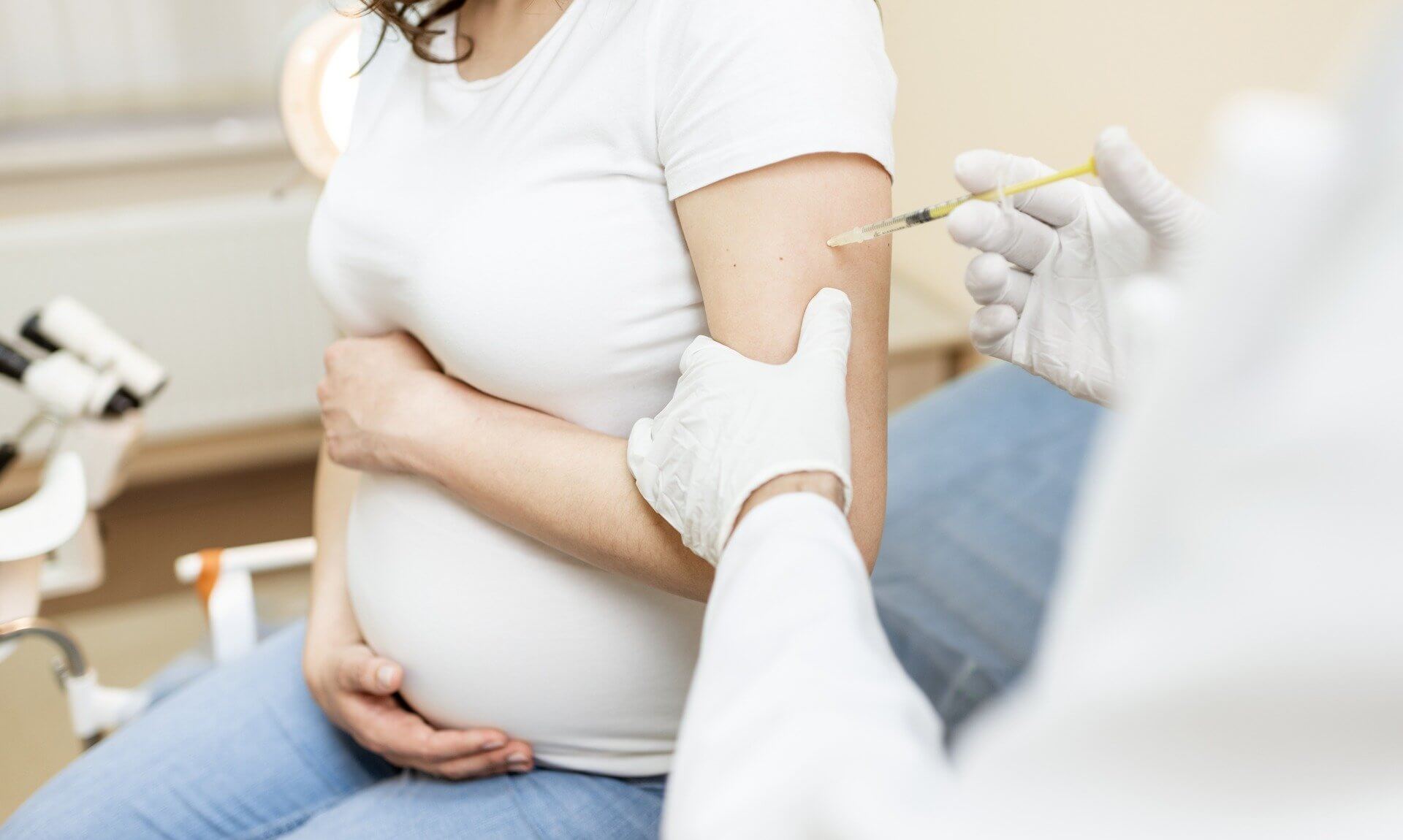
One injection in the arm, given somewhere between 24 and 36 weeks of pregnancy. That is what researchers at the Royal Cornwall Hospital are asking of mothers-to-be in Cornwall, as part of a study that has never been run on this scale anywhere in the world.
Royal Cornwall Hospitals NHS Trust (RCHT) is one of 10 UK sites giving a vaccine for group B streptococcus (GBS) as part of the BEATRIX study. It is the first large-scale phase 3 vaccine trial in the world for GBS, and it is looking at whether a vaccine given in pregnancy can protect babies in their first three months of life.
The study is supported by the National Institute for Health and Care Research (NIHR) and sponsored by Pfizer. Researchers from the NHS and UK universities are working on it alongside international partners.
Your daily dose of Cornwall
News, events and goings on across the Duchy
Why group B strep matters
GBS is the most common cause of life-threatening infection in newborn babies. It causes sepsis, pneumonia and meningitis, and can kill a newborn within hours if untreated.
Around one in every 1,000 babies in the UK and Ireland develops GBS infection in their first three months, according to a 2019 study by O’Sullivan and colleagues. Each year it kills 50 babies in the UK and Ireland, which is around one a week. Around a further 70 survive with long-term disabilities such as hearing loss, vision problems, cerebral palsy or developmental difficulties.
In Cornwall, 4,174 live births were recorded in 2025, according to the Office for National Statistics.
There is currently no licensed vaccine.
Dr Karen Watkins, BEATRIX Principal Investigator at RCHT, said: “Group B streptococcus can cause serious illness in newborn babies, yet there is currently no licensed vaccine available to help prevent these infections. The BEATRIX study is evaluating an investigational maternal vaccine and aims to expand our understanding of maternal immunisation against GBS. Research such as this is important in helping build the evidence needed to address a significant unmet public health need.”
How the vaccine works
The vaccine stimulates the mother’s antibodies, which pass to the baby through the placenta. The study is testing whether those antibodies can protect the infant against GBS disease in the first three months of life.
Participants are randomly assigned to receive either the vaccine or a saline placebo. Enrolment is staggered, based on how far along each woman is in her pregnancy.
Who can take part
Healthy pregnant women aged 49 or younger may be eligible to join between 24 and 36 weeks of pregnancy.
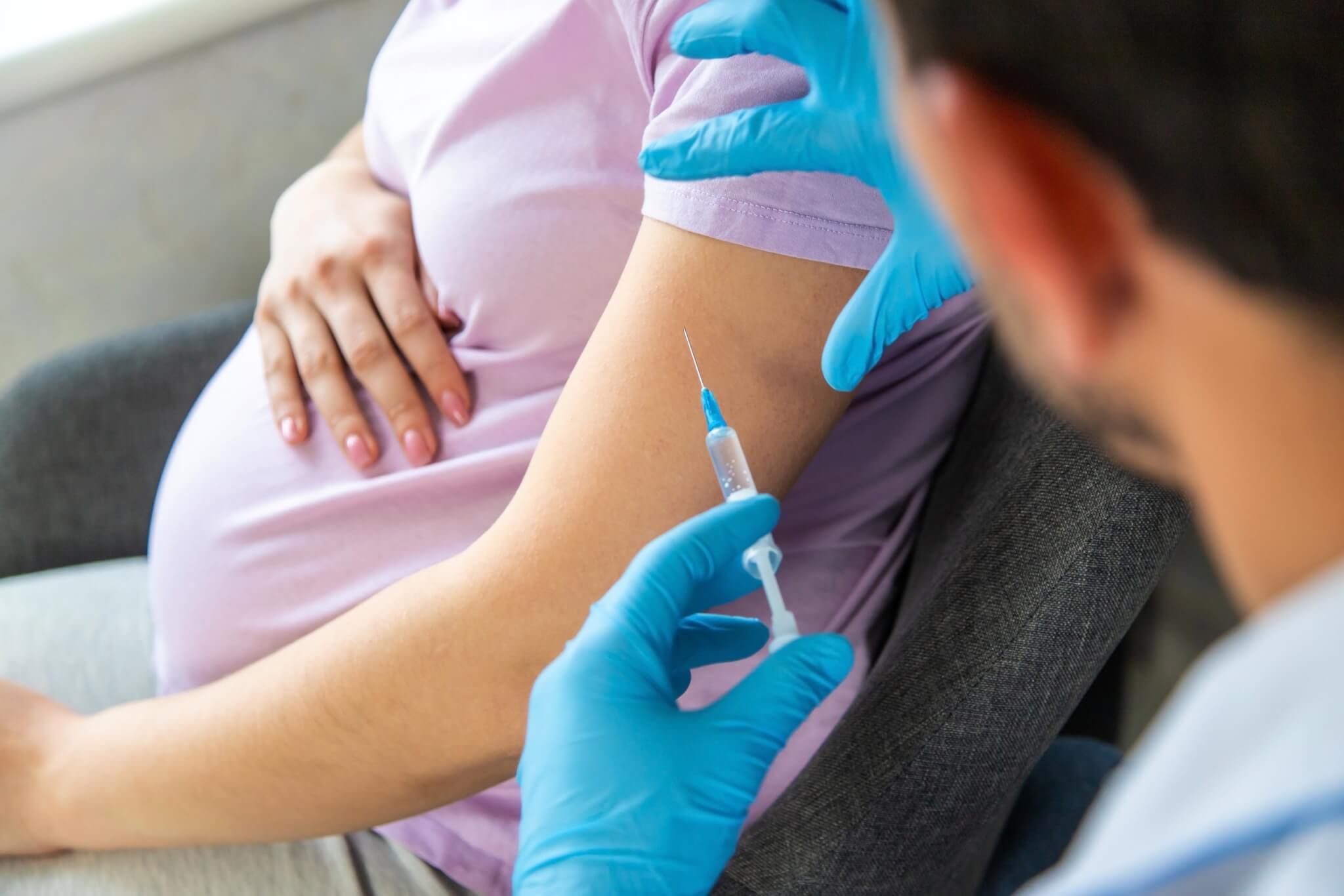
Each participant has one injection in the arm. Mothers may be involved for up to 14 months, ending six months after giving birth. Their babies are followed for around 12 months after birth.
Taking part is voluntary, and the NIHR says it does not guarantee any direct benefit to participants or their babies. The vaccine is investigational and has not been approved for routine use. Anyone considering it will be given detailed information about the study, including potential risks and benefits, before deciding.
Black and Asian women who are eligible are being particularly encouraged to come forward. Research published in 2022 found that in England between 2016 and 2020, the rate of serious GBS infection was 51% higher among Black babies and 28% higher among Asian babies than among white babies.
Your daily dose of Cornwall
News, events and goings on across the Duchy
How to find out more
Details of the trial are on the NIHR’s Be Part of Research trial page, which can also be reached through the NHS app.
The study team at RCHT can be contacted directly at [email protected] or on 01872 228856.
The bigger picture
Truro is the only site in the far South West. The others are in Bristol, Leeds, Manchester, Southampton, Oxford, Telford and three London hospitals. Beyond the UK, the research is running in 12 other countries, including the United States, Japan, Brazil and South Africa.
World Health Organization estimates suggest that vaccinating more than 70% of pregnant women against GBS could prevent over 50,000 GBS-related deaths and 170,000 pre-term births worldwide each year.
Professor Lucy Chappell, Chief Executive Officer of the NIHR and Chief Scientific Adviser at the Department of Health and Social Care, said: “Behind every study are families with a shared determination to find better ways to prevent serious illness and improve outcomes for others. Every woman who takes part is helping generate the evidence needed to advance this promising new vaccine and shift towards preventing life-threatening infections before they take hold.
“As a practising NHS obstetrician, I know families want to give their baby the safest possible start in life. That’s why we are asking pregnant women across the UK to help us by taking part in research, this study, and others like it. Every woman who takes part brings us closer to the evidence we need to protect babies and mothers.”
The research is expected to continue until 2027.
- 1
- 2
- 3
- 4
- 5
- 6




Read Next
- NewquayIf you're driving through Newquay town centre on the morning of Sunday 8 November, you may end up waiting a few minutes while a parade goes by.
Share This Story, Choose Your Platform!
To keep up with the latest cornish news follow us below
Follow CornishStuff on Facebook - Like our Facebook page to get the latest news in your feed and join in the discussions in the comments. Click here to give us a like!
Follow us on Twitter - For the latest breaking news in Cornwall and the latest stories, click here to follow CornishStuff on X.
Follow us on Instagram - We also put the latest news in our Instagram Stories. Click here to follow CornishStuff on Instagram.
- 1
- 2
- 3
- 4
- 5
- 6