AI Cameras Watching UK Drivers Could Change Everything

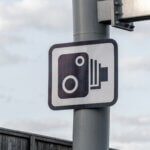
Artificial intelligence is beginning to reshape road safety across the UK, with new AI-powered road cameras now being trialled in Scotland and next-generation speed enforcement technology rolling out in other areas.
The changes signal a wider shift in how driver behaviour is monitored, moving beyond single offences to continuous, data-led enforcement.
Interest in the technology is rising quickly. UK Google searches for ‘AI road cameras’ have surged by 750% month-on-month, showing growing awareness among both drivers and businesses managing vehicles on the road.
According to Radius, the UK’s leading fuel card provider, the developments mark a turning point in how driver behaviour is tracked, managed and improved.
Your daily dose of Cornwall
News, events and goings on across the Duchy
AI Cameras Focus on Driver Behaviour
A six-month pilot is currently underway across 12 locations in Scotland, designed to better understand risky driving habits.
Unlike traditional systems, these AI-enabled cameras are able to detect a wider range of behaviours, including:
- Mobile phone usage
- Seatbelt violations
- Speeding
- Patterns of dangerous driving
The aim is to close gaps left by older enforcement methods, while helping to reduce accidents, lower insurance costs and improve compliance for fleet operators.
Speed Cameras Becoming Less Noticeable
At the same time, speed enforcement technology is also evolving in other parts of the UK.
In areas such as London, newer radar-based cameras are being introduced that do not rely on the traditional flash. These systems:
- Operate continuously without alerting drivers
- Use radar instead of road sensors
- Can monitor multiple lanes at once
By removing the visible flash, the technology reduces the likelihood of drivers only slowing down when they spot a camera, encouraging more consistent speed compliance.
“This Isn’t Just About Enforcement”
Kerry Fawcett, Fleet Management Expert at Radius, said: “This isn’t just about enforcement, it’s about accountability. Businesses now need to be far more proactive in how they educate drivers, monitor behaviour, and reduce risk across their fleet.
We’re moving towards an environment where poor driving habits are far more visible, and that will have a direct impact on insurance costs, compliance obligations, and overall fleet efficiency.
For businesses, this shift reinforces the importance of training and education, using telematics data and in-vehicle monitoring to analyse and improve driver behaviour, and clear internal policies on mobile phone usage and road safety.
As enforcement becomes more advanced, prevention, not reaction, will be key to reducing risk and ultimately ensuring that roads are safer for everyone.”
Your daily dose of Cornwall
News, events and goings on across the Duchy
A Shift Towards Continuous Monitoring
Together, the introduction of AI cameras and more advanced speed enforcement points to a future where driver behaviour is constantly monitored rather than checked in isolated moments.
For businesses managing fleets, the focus is increasingly on prevention, using data and training to improve standards before issues arise.
As these technologies continue to develop, they are expected to play a growing role in shaping road safety across the UK.

Read Next
- WalksThe highest ground in Cornwall.
Share This Story, Choose Your Platform!
To keep up with the latest cornish news follow us below
Follow CornishStuff on Facebook - Like our Facebook page to get the latest news in your feed and join in the discussions in the comments. Click here to give us a like!
Follow us on Twitter - For the latest breaking news in Cornwall and the latest stories, click here to follow CornishStuff on X.
Follow us on Instagram - We also put the latest news in our Instagram Stories. Click here to follow CornishStuff on Instagram.
- 1
- 2
- 3
- 4
- 5
- 6