Cornwall’s House Martins are in trouble, and this map has gaps
There is a small blue-black bird that spends its summers under the eaves of Cornish houses, building mud nests above front doors, porch lights and garage windows. There are fewer of them than there used to be. Now the county’s bird recorders want to know exactly where the ones that remain are still nesting, and they have a map with some obvious holes in it.
The appeal comes from Cornwall Birds, the working name of the Cornwall Birdwatching and Preservation Society, which is running a House Martin breeding survey across Cornwall. Their message is blunt. House Martins are in trouble across the south of England, and the Cornwall picture is far from complete.
Your daily dose of Cornwall
News, events and goings on across the Duchy
A summer visitor in steep decline
House Martins are migratory members of the swallow family, glossy blue-black above, clean white below, with a bright white rump that catches the eye as they wheel over rooftops. They arrive to breed in villages and towns and leave again in autumn. The trend for this little bird is not a happy one. The BTO Breeding Bird Survey records a 42% drop in numbers between 1995 and 2023, and the species was moved to the red list in 2020 as the decline worsened, hitting hardest in the south and east of England.
That is why the survey matters as much for local wildlife as it does for one species. Knowing where the birds still nest is the first step to protecting those sites and to understanding what is being lost elsewhere.
The gaps on the map
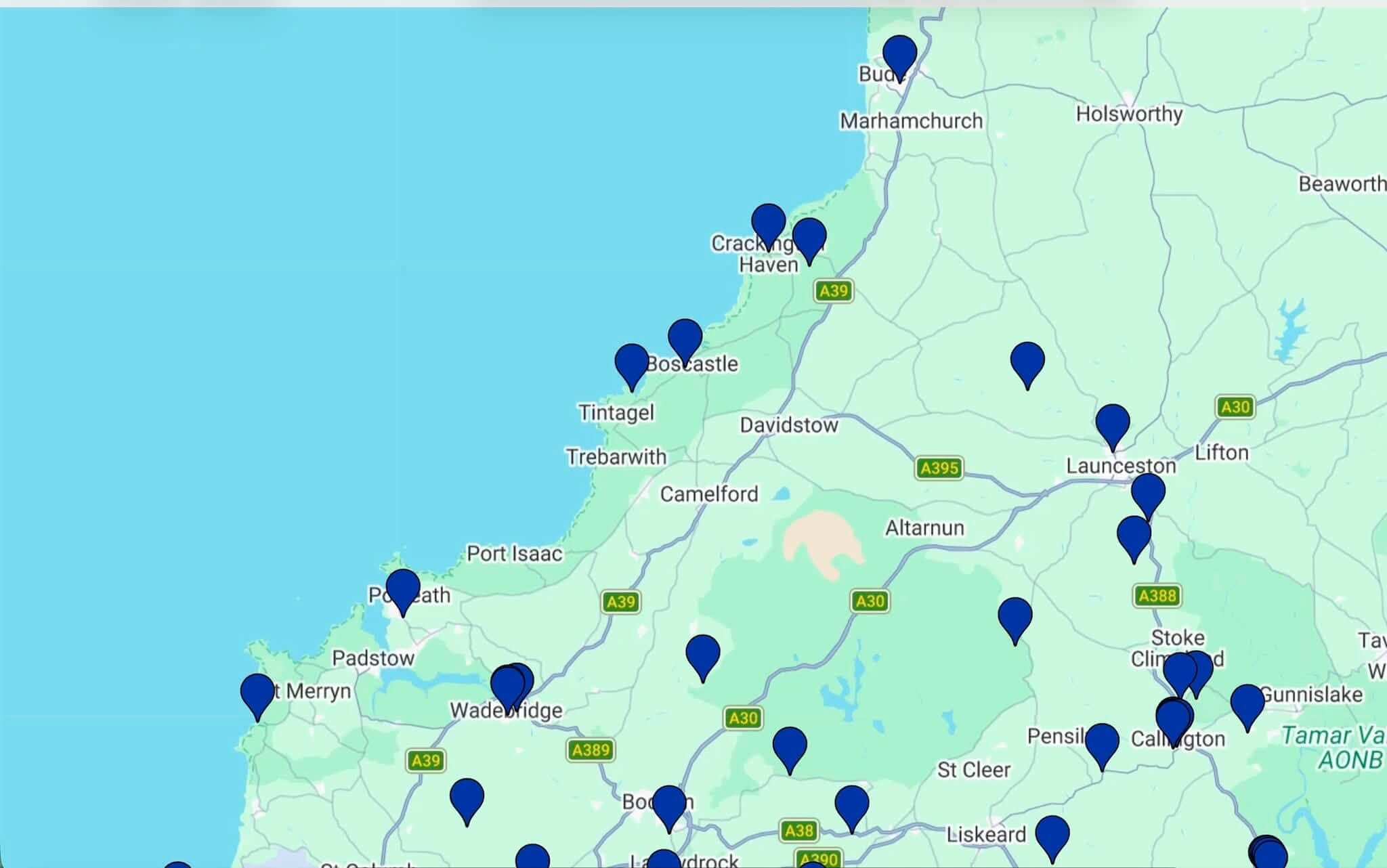
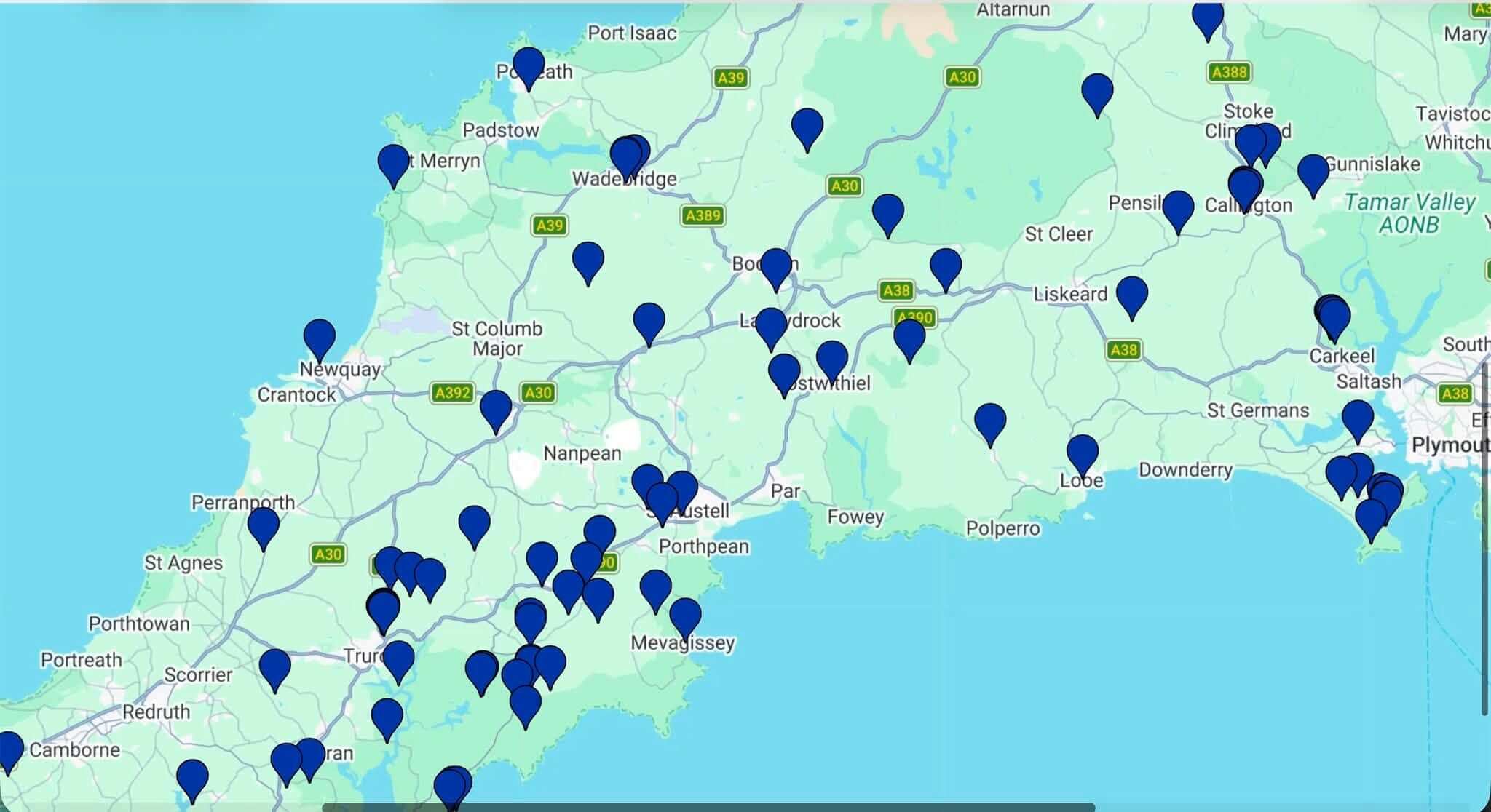
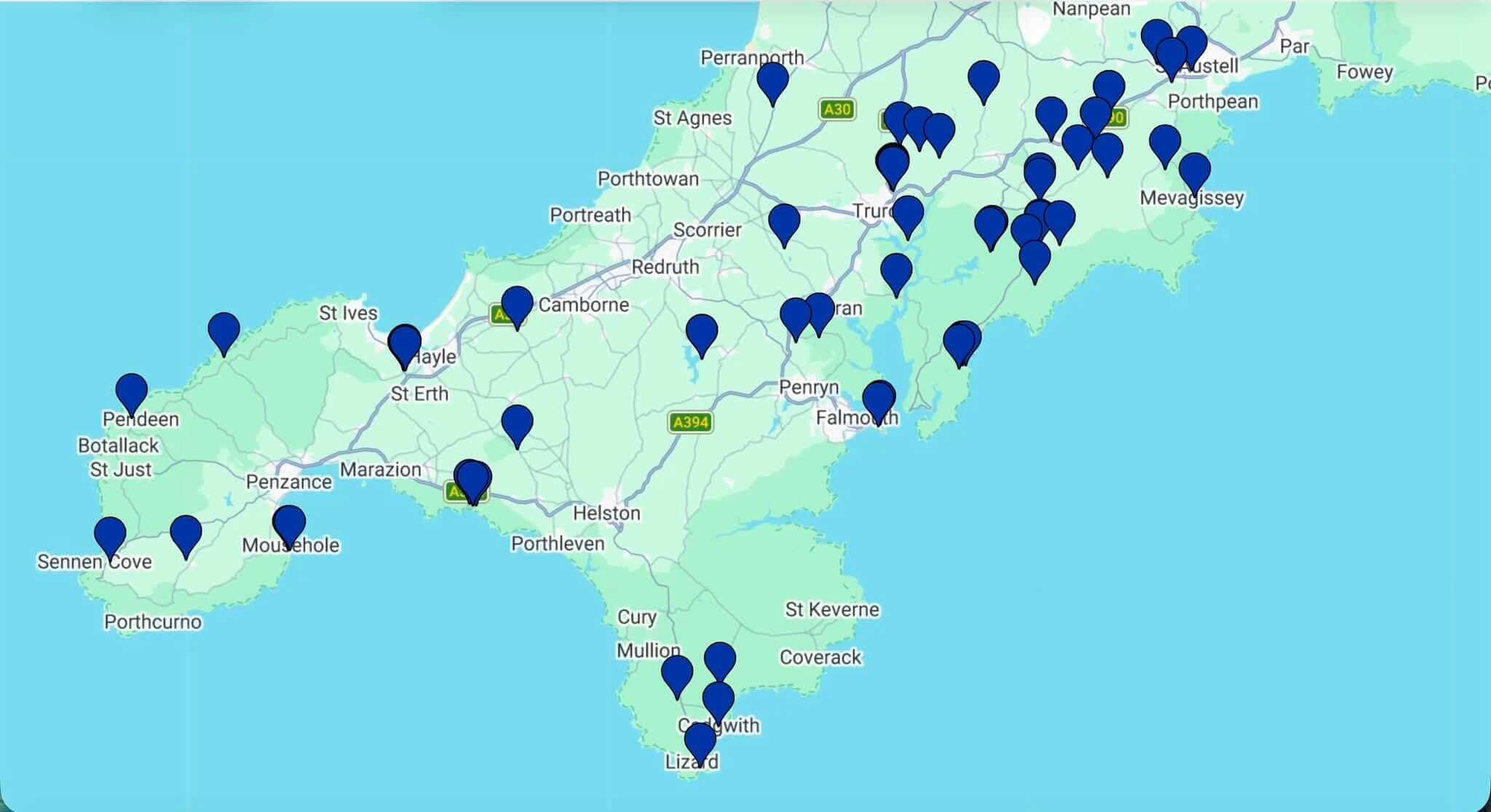
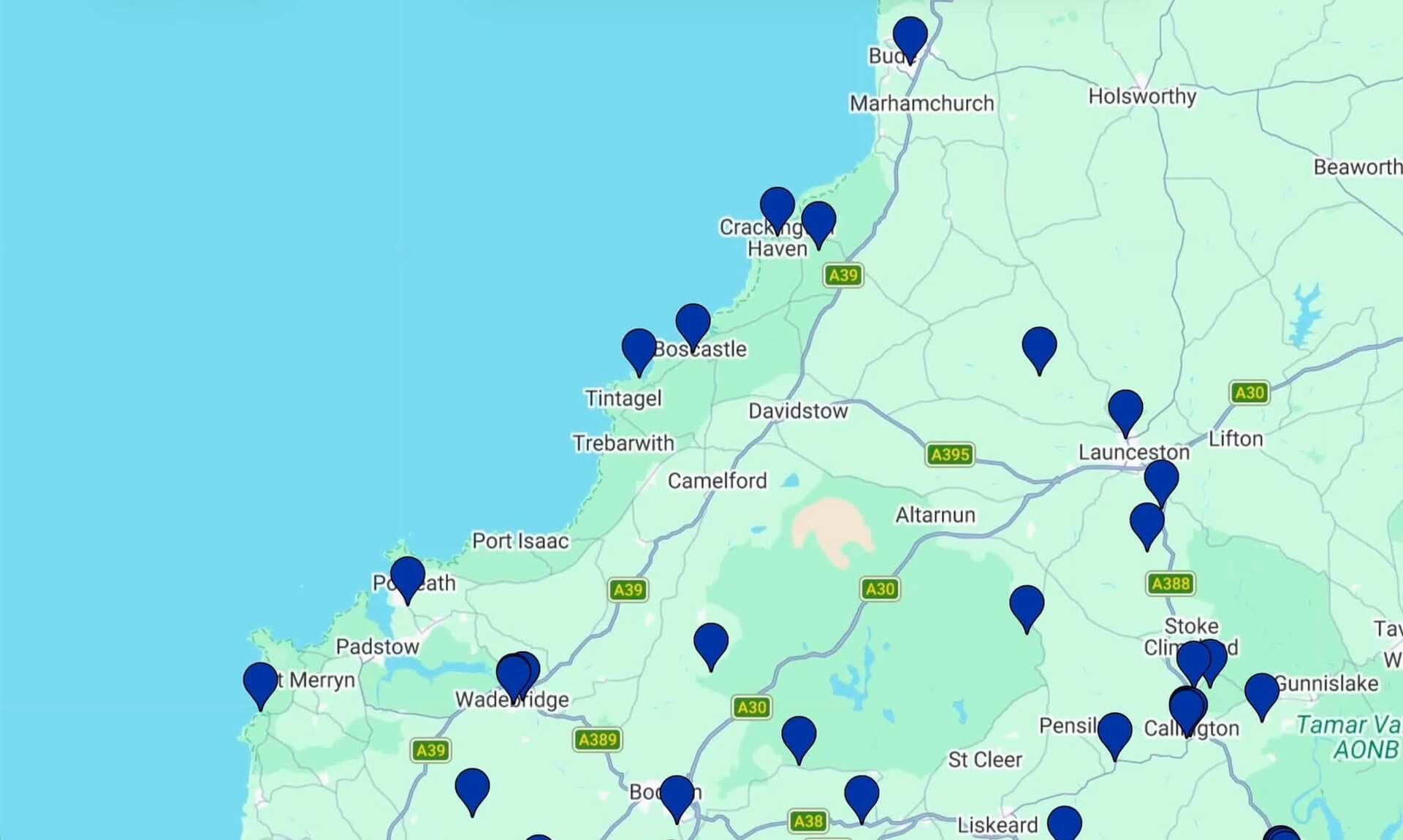
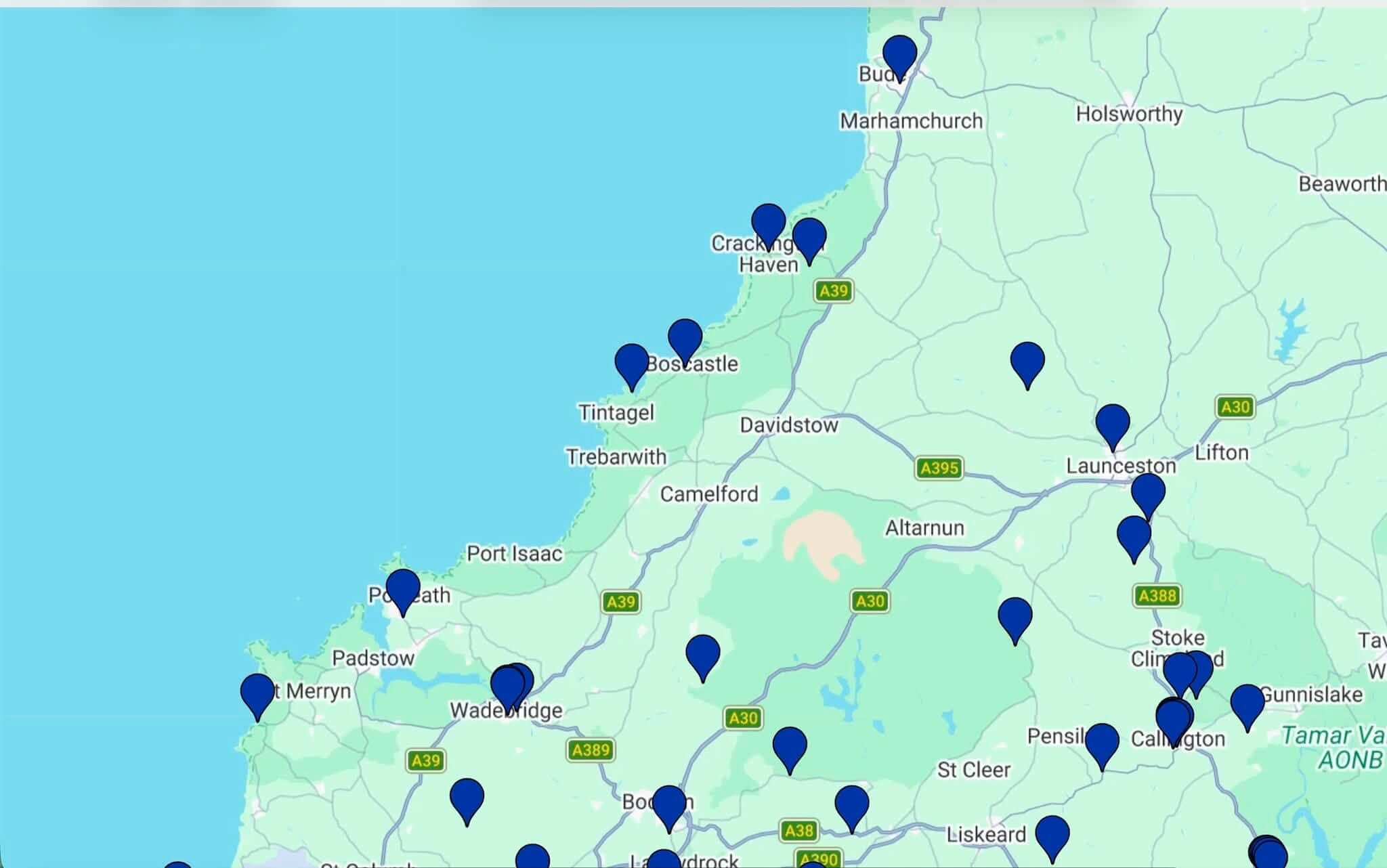
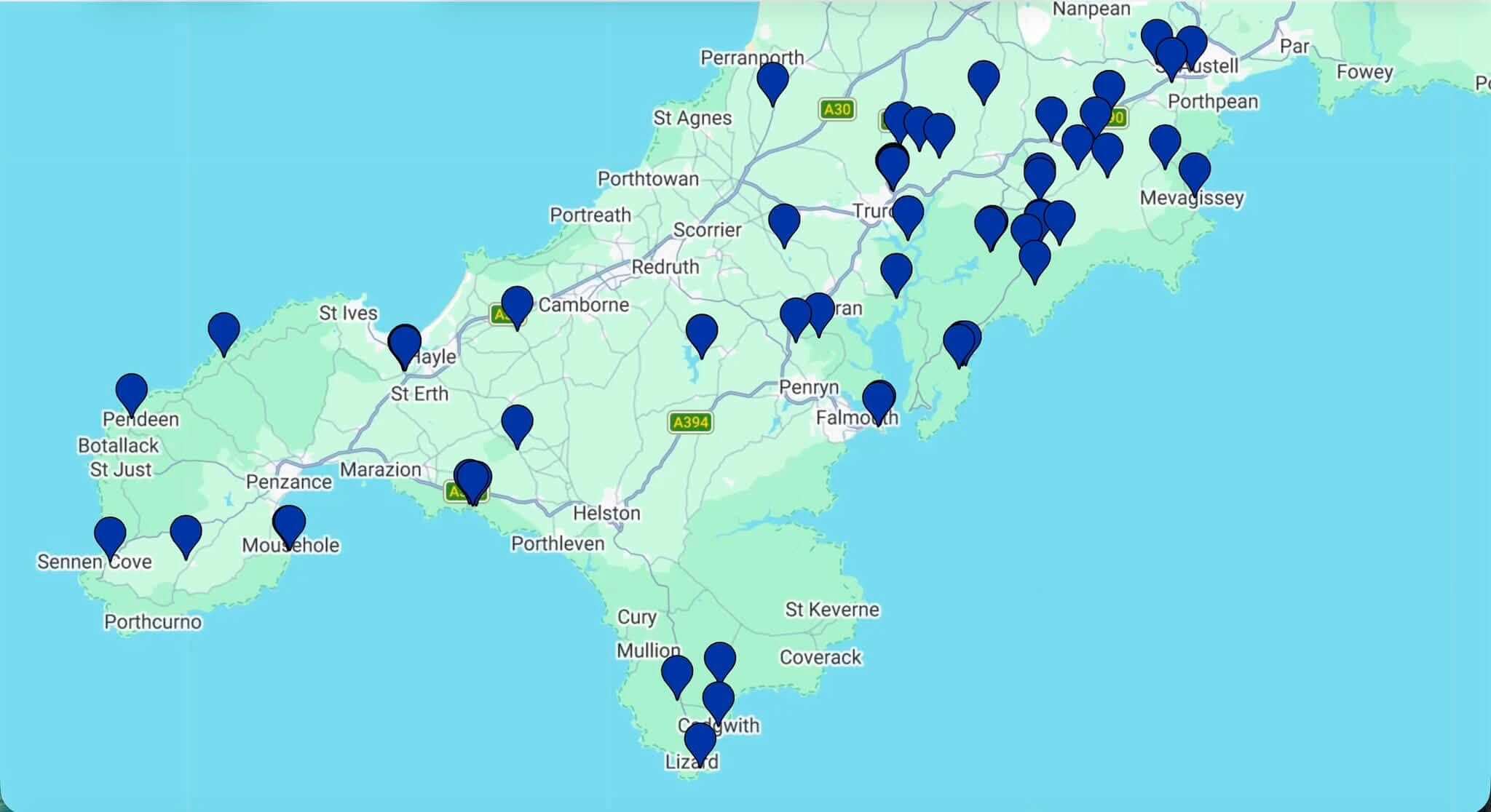
Cornwall Birds has been plotting confirmed House Martin nest sites on a county map, and the results tell their own story. Records cluster around the mid-Cornwall and St Austell area, with scattered pins along the north coast towards Bude, down the far west around Penzance and St Ives, and out to the Lizard. Between those clusters sit large stretches with almost nothing marked at all.
Some of those blank areas may genuinely have few nesting birds. Others are far more likely to be places where House Martins are nesting happily but no one has yet logged them. The society is asking people to look at the maps and see whether they can add to the picture from their own street, village or workplace.
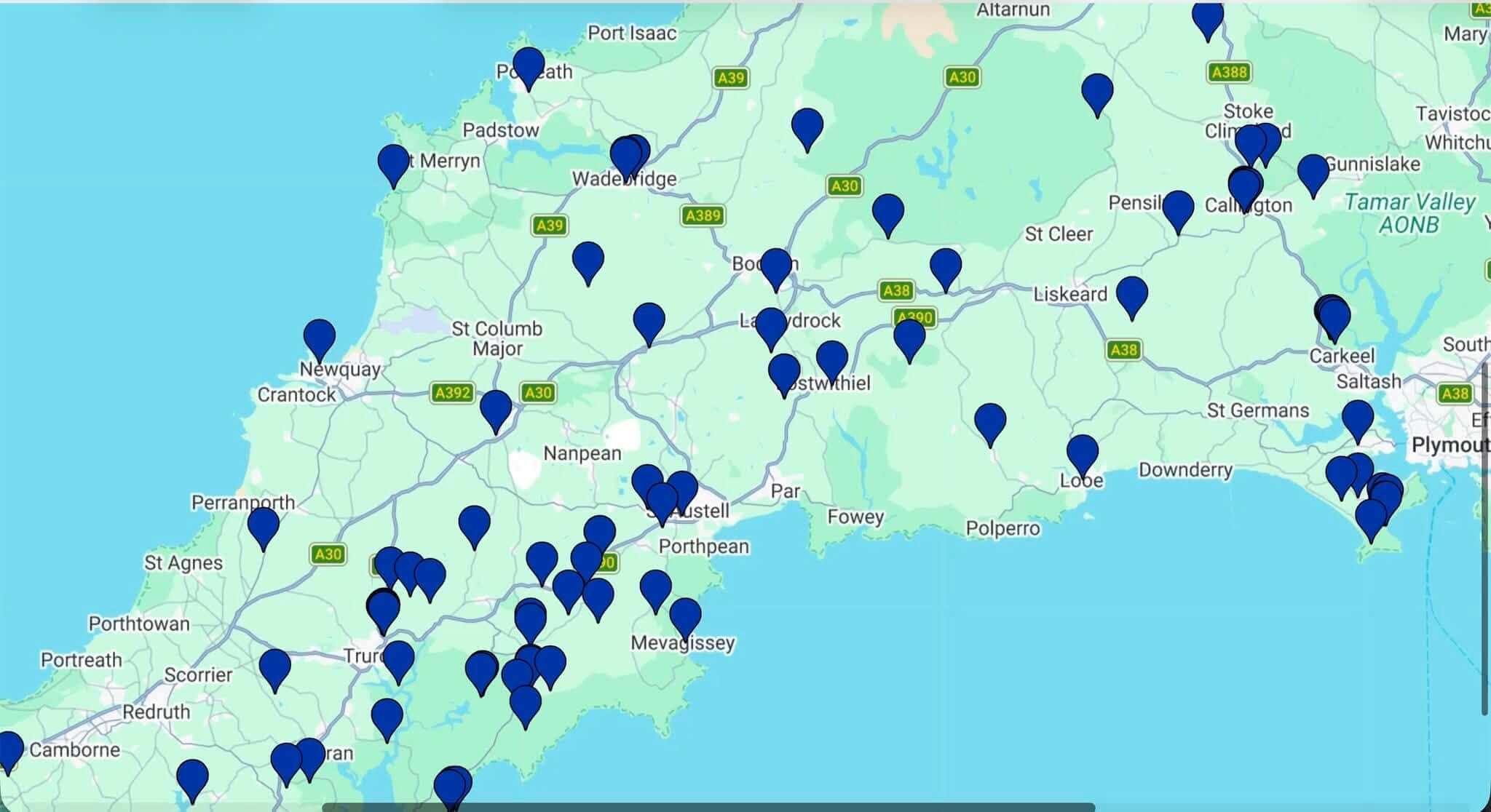
How to add a House Martin to the map
Adding a record is straightforward. Cornwall Birds asks people to log their sightings through the Cornwall House Martin Project survey page, where you can drop a nest site onto the map yourself. In the society’s words, “we need to know where House Martins are nesting. Placing a nest site on the map and talking to the house owners about the plight of these endearing little birds is a great start.”
You do not need to be an expert. A nest is usually a neat cup of mud tucked right up against the wall under the eaves, often with birds coming and going through the summer. If you have them on your own house, or you have noticed them on a building nearby, that is exactly the kind of record that fills a gap.
Your daily dose of Cornwall
News, events and goings on across the Duchy
Why the nest sites matter
The survey is about more than counting. Cornwall Birds wants to raise awareness of the decline, build a proper knowledge of where nest sites are, prepare the ground for a future county-wide survey and help provide artificial nest cups where they are needed. Those cups can matter a great deal. Nests built on modern PVC surfaces have far lower breeding success than those on brick, wood or concrete, so where a bird chooses to build can decide whether its chicks make it.
For now, the ask is simple. Look up at the eaves, look at the map, and if you know of a nest that is not on it, put it there.
Read Next
- JobsPlenty of young people in Cornwall want to build a working life in the place they grew up.
Share This Story, Choose Your Platform!
To keep up with the latest cornish news follow us below
Follow CornishStuff on Facebook - Like our Facebook page to get the latest news in your feed and join in the discussions in the comments. Click here to give us a like!
Follow us on Twitter - For the latest breaking news in Cornwall and the latest stories, click here to follow CornishStuff on X.
Follow us on Instagram - We also put the latest news in our Instagram Stories. Click here to follow CornishStuff on Instagram.
- 1
- 2
- 3
- 4
- 5
- 6