Hot pavements in Cornwall: the seven-second test for dog owners
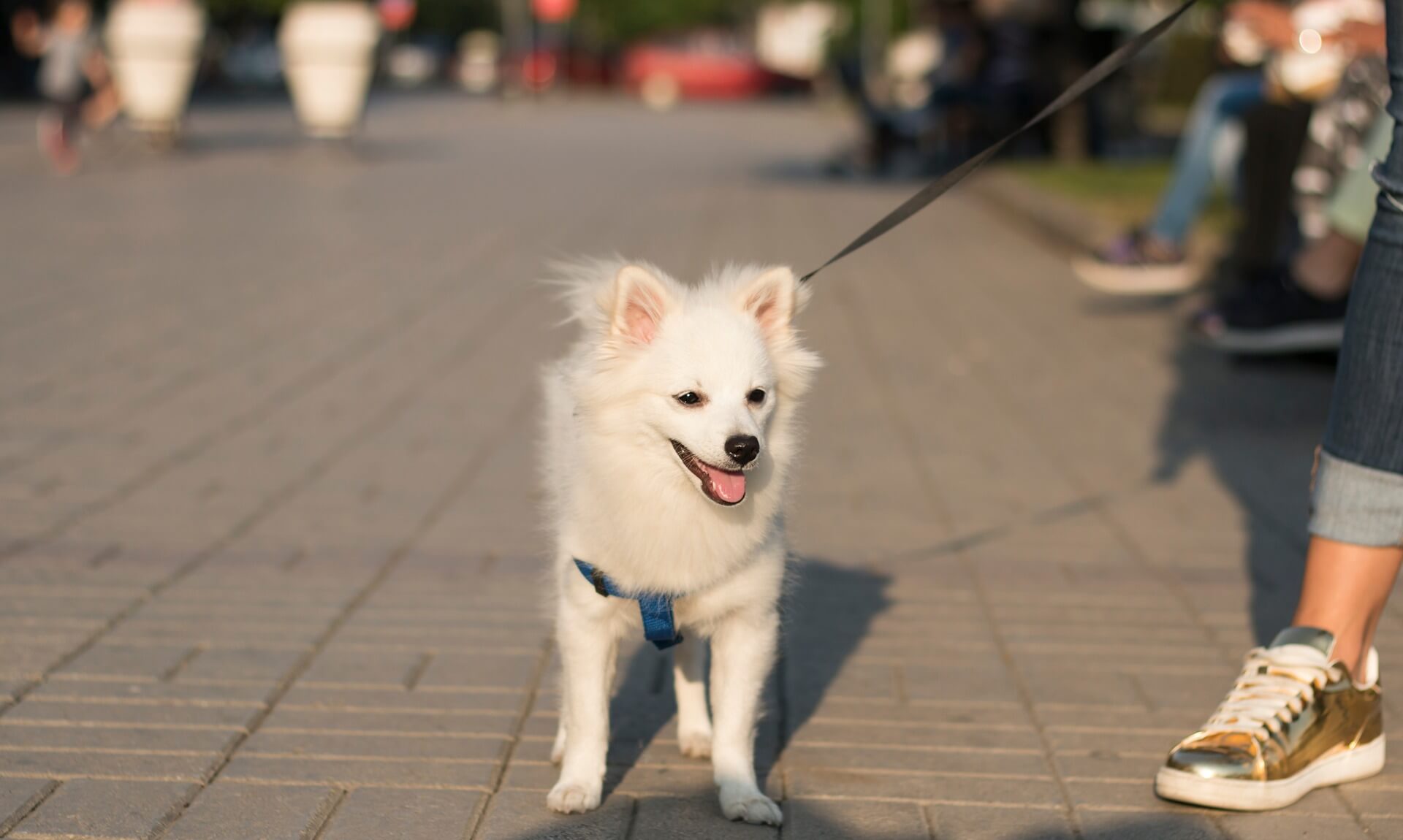
Before you clip the lead on this evening, try something on the doorstep. Put the back of your hand flat on the pavement and hold it there while you count to seven. If you lift it early, your dog has no such option.
The South West is under an amber heat-health alert that has been extended into Saturday morning, and the ground has been soaking up sun all week. Air temperature is the number everyone checks. It is also the number that tells you least about what is happening under four sets of paws.
Your daily dose of Cornwall
News, events and goings on across the Duchy
The seven-second test
Emergency vets in the United States, where burnt pads are a routine summer callout, came up with the check that Vets Now and the Royal Kennel Club now both push in this country. Back of the hand, flat on the surface, seven seconds. If you cannot hold it there comfortably, neither can your dog, and the walk should not happen on that surface.
Paw pads look tough. They are still skin, and they burn like skin. The test takes less time than finding the lead, and it is the one thing standing between a normal evening and a fortnight of dressings for dog owners across Cornwall.
Why the ground runs so much hotter than the air
This is where the numbers stop being reassuring. On a day when the air sits at 25C, asphalt in direct sun can reach 52C. Push the air to 31C and the tarmac climbs to around 62C. For context, skin destruction can occur in about a minute at 52C, and an egg fries in five minutes at 55C.
One university experiment measured six different surfaces twice a day across two summer days. Artificial grass came out hottest every single time, followed by the rubbery material used on running tracks, then asphalt. All three were above 50C by 2pm. Brick and concrete came next. Plenty of Cornish front gardens have swapped a scrubby lawn for fake turf in the last few years, and it turns out to be the worst thing underfoot on the list.
The other trap is timing. Hard surfaces hold heat long after the air has cooled, so a south-facing pavement at seven in the evening can still fail the test while you stand there in a jumper. Test it, rather than trusting how the evening feels on your own skin.
The walk itself is the bigger risk
The hot car campaign has done its job. The walk has quietly become the greater danger. Researchers at Nottingham Trent University and the Royal Veterinary College went through the anonymised clinical records of more than 900,000 UK dogs and found 1,222 that had been treated for heatstroke, almost 400 of them in a single year.
Exertion, meaning walking, running or playing, accounted for 74 per cent of those cases. Hot weather on its own accounted for 13 per cent. Vehicles came in at 5 per cent. The RSPCA now puts it in plainer terms still, saying dogs are ten times more likely to suffer a heat-related illness out in hot weather than they are overheating in a car.
Then there is the figure that stops most owners in their tracks. The average air temperature at which dogs in that study became ill was 16.9C.
Some dogs start further back than others. Compared with a Labrador retriever, a Bulldog was 14 times more likely to develop heatstroke, and flat-faced breeds in general were twice as likely. Chow Chows, Greyhounds, English Springer Spaniels, Cavalier King Charles Spaniels and Staffordshire Bull Terriers all showed up strongly for exercise-related cases. Older and heavier dogs were most at risk of the severe end of it.
Your daily dose of Cornwall
News, events and goings on across the Duchy
What the early signs actually look like
The same research team found the two most common early signs were changes to breathing and lethargy. Not collapse, not seizures. Panting that will not settle, and a dog going flat.
After that come drooling and foaming, very red or purple gums, wobbliness or trouble standing, vomiting or diarrhoea, and eventually collapse. More than half of the dogs taken to a vet with severe heatstroke go on to die from it, which is exactly why the early, boring-looking signs matter so much. Caught early, the odds change completely.
Cool first, transport second
If a dog is overheating, the RSPCA is clear about the order of operations. Cool the dog down first, then drive to the vet, because every extra minute at a high body temperature does more damage.
The charity has also spent recent summers correcting one persistent myth. Cold water rarely causes shock in an overheating dog, and dousing or immersing them in it is the thing most likely to save them. Any water cooler than the dog is better than waiting for the perfect temperature. Wet towels go underneath the dog and get re-wetted often, never draped over the top, where they trap heat.
For burnt pads, the signs are limping, licking, lifting the feet or refusing to walk on. Get the dog off the surface, run cool water over the paws, and ring the vet. Redness, swelling and blistering all need looking at properly.
Where to walk instead
Cornwall’s summer beach rules turn out to be accidentally helpful here. Cornwall Council enforces seasonal restrictions on 46 beaches through Public Space Protection Orders, and on most of them dogs are kept off between 10am and 6pm from 1 July to 31 August. Blue Flag and Seaside Award beaches run a longer window, 15 May to 30 September, on the same hours. Three areas around the Hayle estuary are off limits all year. Breaking the rules carries a £100 fixed penalty notice.
Which leaves you with early morning and evening on the sand, the two slots when the walking is safest anyway. Shaded woodland, hedged lanes and the damp strip at the tide line all beat a bare pavement in full sun. Dry sand does not, and neither does a dark tarmac car park on the way back to the car. Take water for the dog as well as for yourself.
The temptation on a week like this one is to shorten the walk and go anyway. Worth remembering that the dogs in that study of nearly a million records were falling ill, on average, at 16.9C.

Read Next
- FalmouthBoat after boat, wake after wake, spread out across the Carrick Roads.
Share This Story, Choose Your Platform!
To keep up with the latest cornish news follow us below
Follow CornishStuff on Facebook - Like our Facebook page to get the latest news in your feed and join in the discussions in the comments. Click here to give us a like!
Follow us on Twitter - For the latest breaking news in Cornwall and the latest stories, click here to follow CornishStuff on X.
Follow us on Instagram - We also put the latest news in our Instagram Stories. Click here to follow CornishStuff on Instagram.
- 1
- 2
- 3
- 4
- 5
- 6