Report Highlights Geothermal Energy Potential for Cornwall’s Agrifood Sector

“Sleeping Giant Beneath Cornwall Could Transform Farming”
A new report has highlighted how geothermal energy could play a major role in reshaping Cornwall’s food, drink and farming industries.
The study, published by Great Cornish Food, explores how businesses across Cornwall and the Isles of Scilly could use heat from beneath the earth’s surface to cut energy costs, improve resilience and support long-term sustainability.
Your daily dose of Cornwall
News, events and goings on across the Duchy
A £2 Billion Industry Facing Pressure
According to the report, Cornwall’s agrifood sector is worth £2 billion a year and provides around 20 per cent of jobs in the region. However, the industry is facing growing challenges, including rising energy costs, pressure on the electricity grid and the need to meet decarbonisation targets.
The study suggests geothermal energy could offer a stable, local and renewable solution, with technology that is already proven and in use.
Why Cornwall Is Uniquely Placed
The report points to Cornwall’s geology as a key advantage. The region sits on a 250-kilometre stretch of granite known as the Cornubian Batholith, which runs from the Isles of Scilly through Cornwall to Dartmoor in Devon. This makes it particularly suitable for tapping into underground “hot rocks”.
Existing projects are already demonstrating what is possible. These include the Eden Geothermal project at the Eden Project, Geothermal Engineering at United Downs, and the Heat the Streets ground source heating programme in Stithians.
Strong Demand for Low Carbon Energy
Consultations carried out as part of the study found strong demand from businesses, developers and public sector organisations for reliable low carbon heating and cooling.
The report highlights the potential for cluster-based systems, where multiple users share geothermal infrastructure. This approach could reduce risks for individual businesses while supporting wider adoption across the region.
These models also align with Cornwall’s target of reaching net zero by 2045, while supporting local food production and rural economic growth.
Your daily dose of Cornwall
News, events and goings on across the Duchy
“Let’s Wake the Sleeping Giant”
Launching the report, Great Cornish Food Managing Director Richard Bain said the findings could also act as a guide for other parts of the UK.
Richard Bain said: “The agrifood sector is the beating heart of Cornish manufacturing, providing great products to Cornwall, the rest of the country, and beyond.
“But we urgently need to build resilience by establishing a step change in stable, renewable and clean sources of energy.
“With the United Downs wells now generating and exporting electricity to the grid and several study sites in Cornwall proving viability for electrical generation, the agrifood sector should be genuinely excited at the prospect of utilising this extensive heat source.”
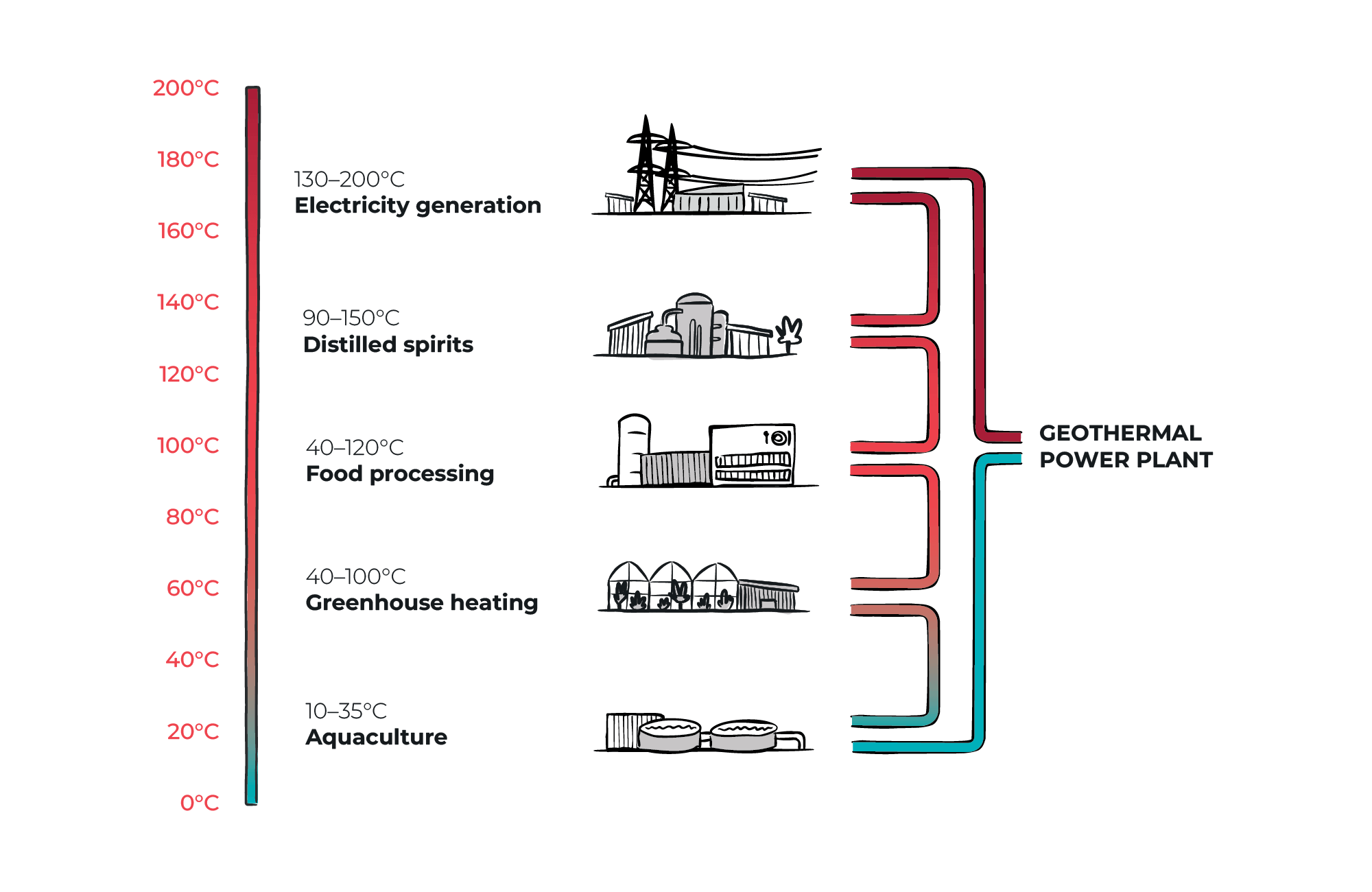
He added: “The report details how shallow geothermal for smaller direct heat applications can harness the ‘hot rock’ energy and identifies how the different applications can match the wide range of temperatures and capacity used in food processing.
“We just can’t ignore this energy that will provide heat and power round the clock, whatever the weather or the season due to Cornwall’s special geology.
“Let’s wake the sleeping giant!”
What Happens Next
The report sets out plans to speed up the use of geothermal energy across the agrifood sector. It calls for early feasibility work, targeted funding and simpler planning processes to help unlock new low carbon heat projects.
It also recommends expanding demonstration sites and providing practical guidance to help businesses adopt geothermal solutions.
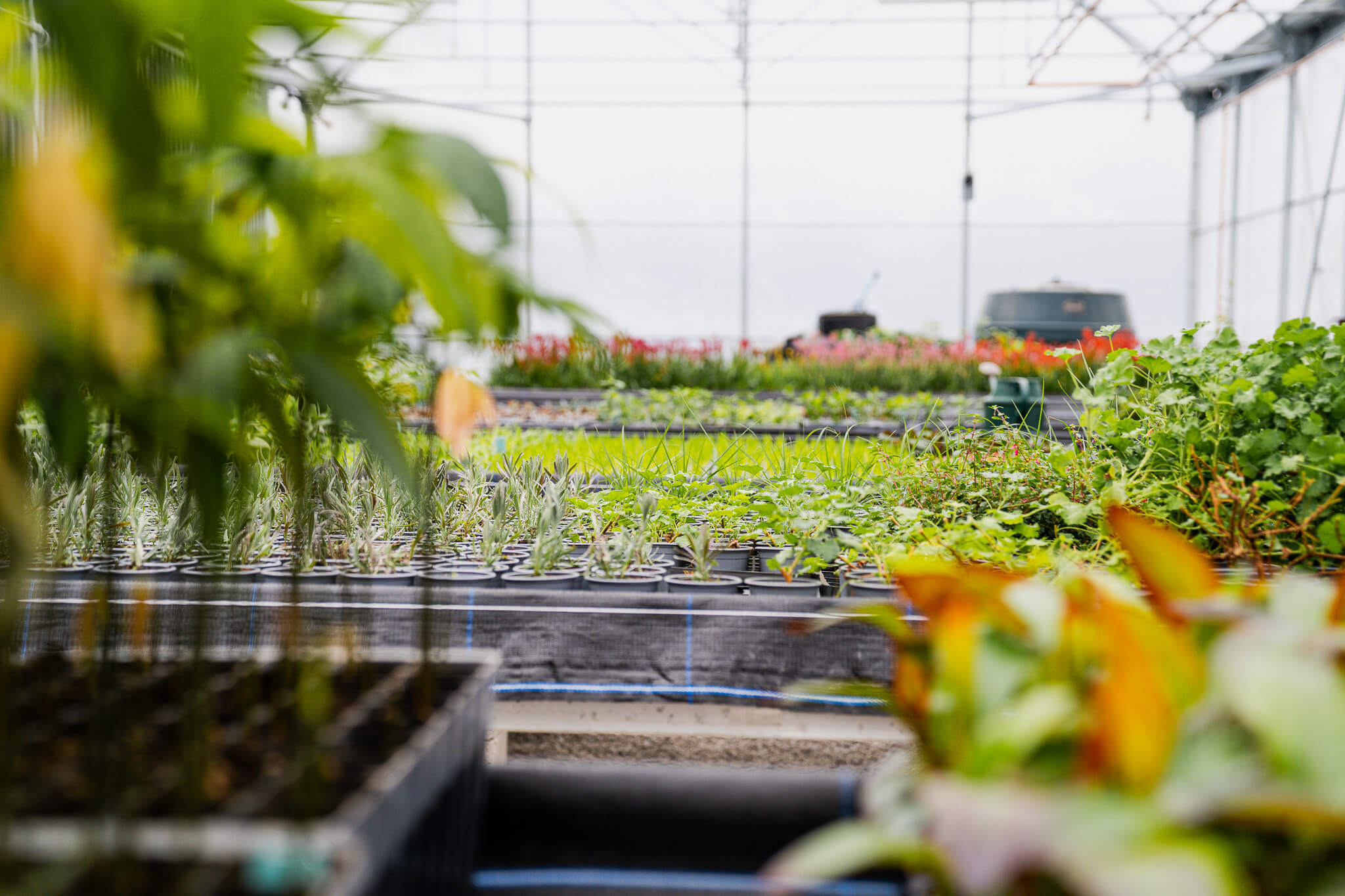
The study highlights how projects such as United Downs are already showing it is possible to produce both renewable electricity and heat at scale, while the Eden Project scheme is supplying heat to plant biomes, buildings and greenhouses.
The research forms part of Great Cornish Food’s Raising the Bar Programme, which is part-funded by the UK Shared Prosperity Fund.
A key aim is to build on the 2024 Cornwall and Isles of Scilly Agrifood Strategy, which identified geothermal energy as an opportunity for businesses to reduce their reliance on traditional energy sources.
The report is intended for a wide audience, including food producers, energy providers, local authorities and investors.
Readers can view the full report here:
https://greatcornishfood.co.uk/content/uploads/2026/03/Agrifood-EGL-Report.pdf

Read Next
- Cornwall AirportNine in every ten seats to Alicante were taken.
Share This Story, Choose Your Platform!
To keep up with the latest cornish news follow us below
Follow CornishStuff on Facebook - Like our Facebook page to get the latest news in your feed and join in the discussions in the comments. Click here to give us a like!
Follow us on Twitter - For the latest breaking news in Cornwall and the latest stories, click here to follow CornishStuff on X.
Follow us on Instagram - We also put the latest news in our Instagram Stories. Click here to follow CornishStuff on Instagram.
- 1
- 2
- 3
- 4
- 5
- 6