Storm Goretti left some Mawnan homes without phones for a month
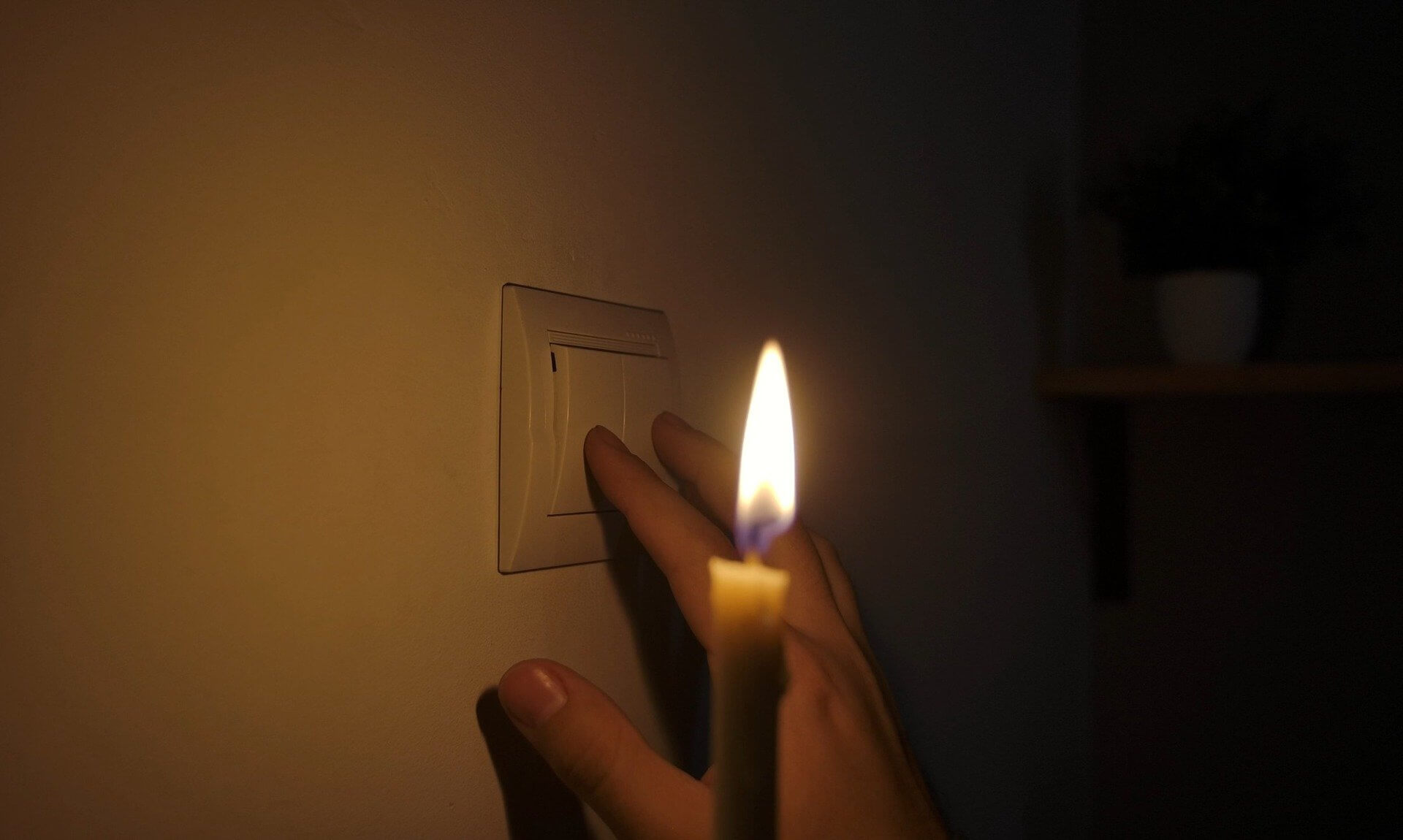
Imagine a power cut where your phone dies too. No mobile signal, no broadband, and a landline that went off with the electricity. For some households in Mawnan that’s how Storm Goretti played out, and for a few of them the phones stayed silent for more than a month.
Their experiences now form a published study into how a rural community copes when a severe storm cuts it off from the outside world.
Who took part
Eighteen residents of Mawnan spoke to researchers eight to ten weeks after the storm hit on 8 and 9 January. The report, Storm Goretti: A qualitative investigation of rural emergency preparedness, response and recovery, was commissioned by the Social and Behavioural Science for Emergencies (SBSE) group and part-funded by the Government Office for Science. It isn’t a statement of government policy.
The researchers were Katherine Saunders (Behavioural Research-UK and UCL), Suzy Darke (ACCESS and the University of Exeter) and Carrie Heitmeyer (Government Office for Science).
The parish was a telling place to look. It has 1,601 residents in 756 households, and 48.4% of them are over 60. Across England that figure is 24.8%.
Mawnan Parish Council has shared the report with residents and thanked everyone who gave up their time to take part.
Power out, then everything else
Every person interviewed lost power. It went off on the Thursday evening and mostly came back on the Sunday or Monday, though some homes on Penwarne Road were without it for five days. Oil-fired central heating failed as well, because the boilers and pumps need electricity. Across the wider region, 55,000 properties lost power.
Nearly everyone lost mobile and internet access. Some households had switched to digital phone lines, which stop working without backup power in a way the older analogue lines didn’t. People walked to spots near the shop or the church to pick up a signal. One resident could only reach 999, and get the code for the defibrillator, by borrowing a neighbour’s phone on a different network.
Two households on boreholes lost their water when the electric pumps stopped, and one used water butts to flush the toilets. Mawnan escaped the wider water outage that hit around 15,000 properties in nearby Helston.
Cut off by fallen trees
Fallen trees cut the parish off by road. On one 300-metre stretch of Penwarne Road, more than 35 came down. Some residents heard oaks of 100 to 150 years old split apart.
Ambulances and other emergency services couldn’t get through, so local First Responders filled the gap. One set off on foot to a medical emergency after trees blocked the route by car.
Residents cleared the roads themselves, often working long hours, and people from nearby villages came to help. But support was uneven. The report found those who were geographically isolated, or who didn’t already know their neighbours, often got little help. It also raises concerns about untrained volunteers using chainsaws.
Warnings that arrived too late
Many residents said they’d grown used to brushing off yellow and amber warnings, and felt the red warning, issued at 2pm on the day, came too late. Eight of the 18 said they never received a government emergency alert. One didn’t own a phone. Three got the alert too late to act on it.
Residents asked for warnings that spell out what a red alert means for everyday life, with practical prompts such as checking on neighbours and keeping food and water in. Participants also told the researchers they felt local and central government responses were slow and hard to see, and that Cornwall had been overlooked.
What’s happened since
Residents have set up the Mawnan Emergency Group, which aims to be “the help before help arrives”. The plans include a central village hub and a road-by-road contact network, and around 12 people were reported to be keen to join. According to the report, the parish council also plans to restart its emergency committee, which was stood down when its membership fell to five.
Other ideas from residents included reinstating a line to the village phone box, buying a satellite phone for the community, more local responder teams, CPR and defibrillator training, and regular checks on defib units.
What people said they’d do differently
Asked how they’d prepare next time, residents mentioned:
- a battery or wind-up radio and rechargeable battery packs
- bottled water, logs and a gas cooker
- keeping fuel in the car, plus lighting and blankets
- heating that doesn’t rely on electricity, and solar power
- taking down hazardous trees
Some had found that the torches, battery packs or chargers they already owned didn’t work when they needed them. And many admitted they hadn’t yet acted on their plans, as complacency crept back in over the months.
Extra help if you’re vulnerable
If you have a disability or a long-term health condition, rely on medical equipment, are pregnant, have young children or are of pensionable age, you may be able to get free extra support from your gas, electricity and water suppliers through the Priority Services Register. It offers additional help during power or water outages, and signing up is free and takes a few minutes. South West Water has its own Priority Services application form for water-related support.
Cornwall Council’s latest Emergency Preparedness Newsletter also covers community emergency plans, getting your home ready and what to do when telecoms go down.
The study’s authors and the SBSE group now plan to take the findings to policy teams working on emergency planning, where they may shape future public information campaigns, particularly for rural areas.
Read Next
- Cornish PoliticsTurning a house into a shop needs planning permission.
Share This Story, Choose Your Platform!
To keep up with the latest cornish news follow us below
Follow CornishStuff on Facebook - Like our Facebook page to get the latest news in your feed and join in the discussions in the comments. Click here to give us a like!
Follow us on Twitter - For the latest breaking news in Cornwall and the latest stories, click here to follow CornishStuff on X.
Follow us on Instagram - We also put the latest news in our Instagram Stories. Click here to follow CornishStuff on Instagram.
- 1
- 2
- 3
- 4
- 5
- 6